Menu

Warehouse Flood Restoration in Memphis | Industrial-Scale Response That Keeps Your Operation Running

Liberty Water Damage Restoration Riverside deploys commercial-grade extraction equipment and documented protocols to restore flooded warehouses across Memphis with minimal disruption to inventory management, shipping schedules, and operational uptime.

Slider Image 1
Slider Image 2
Slider Image 3
Slider Image 4
Slider Image 5
Slider Image 7
Slider Image 8
Slider Image 9
Slider Image 10
Slider Image 11

How Memphis Flooding Threatens Your Warehouse Operations

Memphis sits at the confluence of the Mississippi River and Wolf River, placing warehouses and distribution centers in flood-prone zones that activate during spring storm surges and heavy rain events. The city's flat topography and aging stormwater infrastructure create pooling issues in industrial parks along Presidents Island, Riverside Industrial Park, and the Raleigh-Frayser distribution corridor.

When floodwater breaches a warehouse, you face immediate threats beyond structural damage. Contaminated water compromises inventory. Electrical systems fail. Concrete floors trap moisture beneath coatings. OSHA requires documentation before employees can return. Insurance carriers demand rapid mitigation to limit claims exposure.

A 50,000-square-foot distribution center with four inches of standing water contains roughly 130,000 gallons of floodwater. Standard commercial water mitigation requires industrial extraction pumps, thermal imaging to map moisture intrusion into walls and subfloors, and commercial dehumidifiers rated for spaces exceeding 10,000 cubic feet. The work must happen fast because every hour of downtime costs you revenue, contract penalties, and customer confidence.

Memphis warehouses also face secondary risks. High humidity levels in the Mid-South accelerate mold colonization within 48 hours. Concrete slab foundations common to industrial construction absorb water through capillary action, creating hidden moisture reservoirs that standard equipment misses. Commercial flood remediation demands equipment capacity and technical knowledge that residential contractors cannot provide.

You need a response team that understands industrial water damage cleanup, not a crew trained for kitchen floods.

How Memphis Flooding Threatens Your Warehouse Operations
Our Industrial Water Extraction and Drying Methodology

Our Industrial Water Extraction and Drying Methodology

Liberty Water Damage Restoration Riverside uses a documentation-first approach that protects your business interests while we execute warehouse water mitigation. We photograph conditions before extraction begins. We log moisture readings at multiple elevations. We create detailed maps showing affected zones, equipment placement, and progress benchmarks. This documentation satisfies insurance adjusters, supports business interruption claims, and provides liability protection.

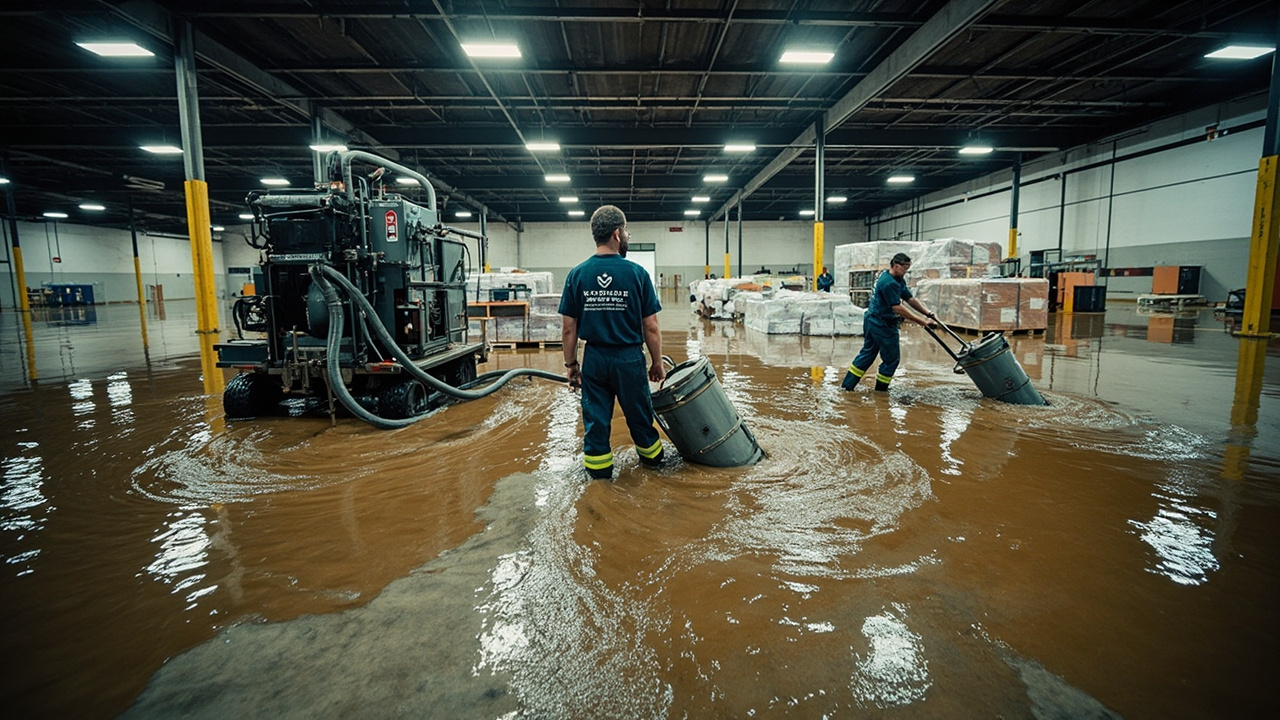
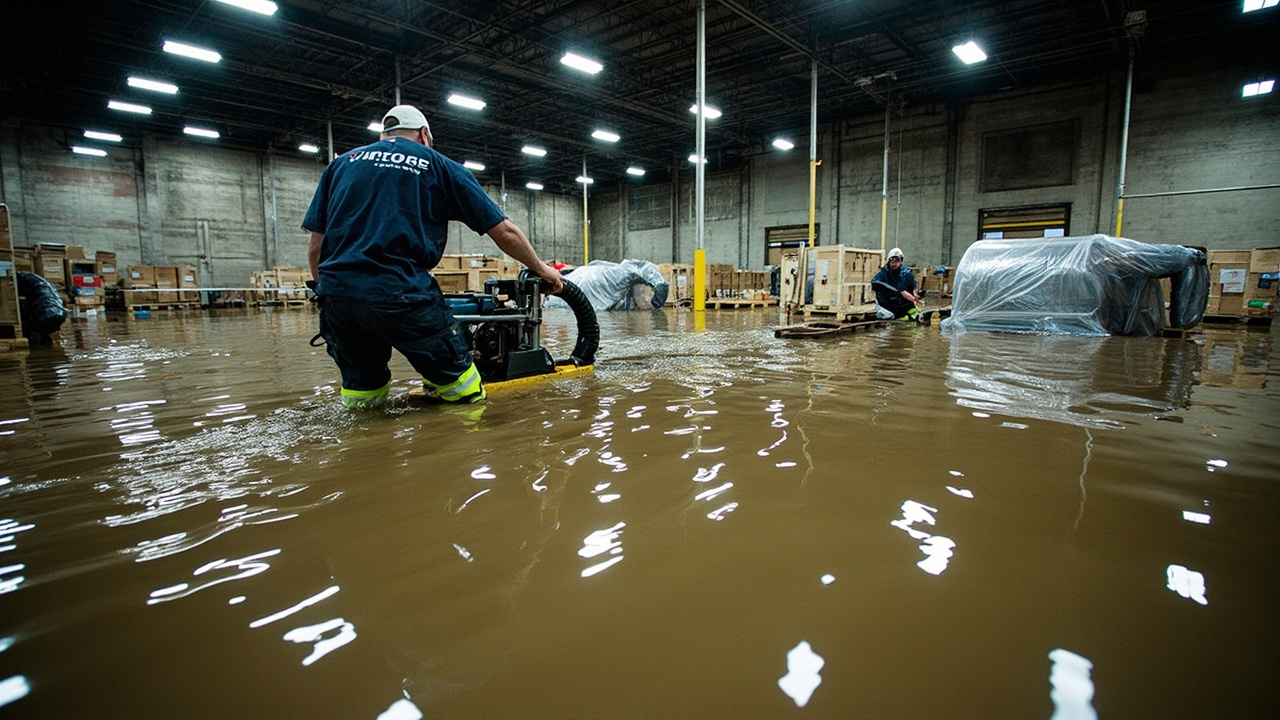
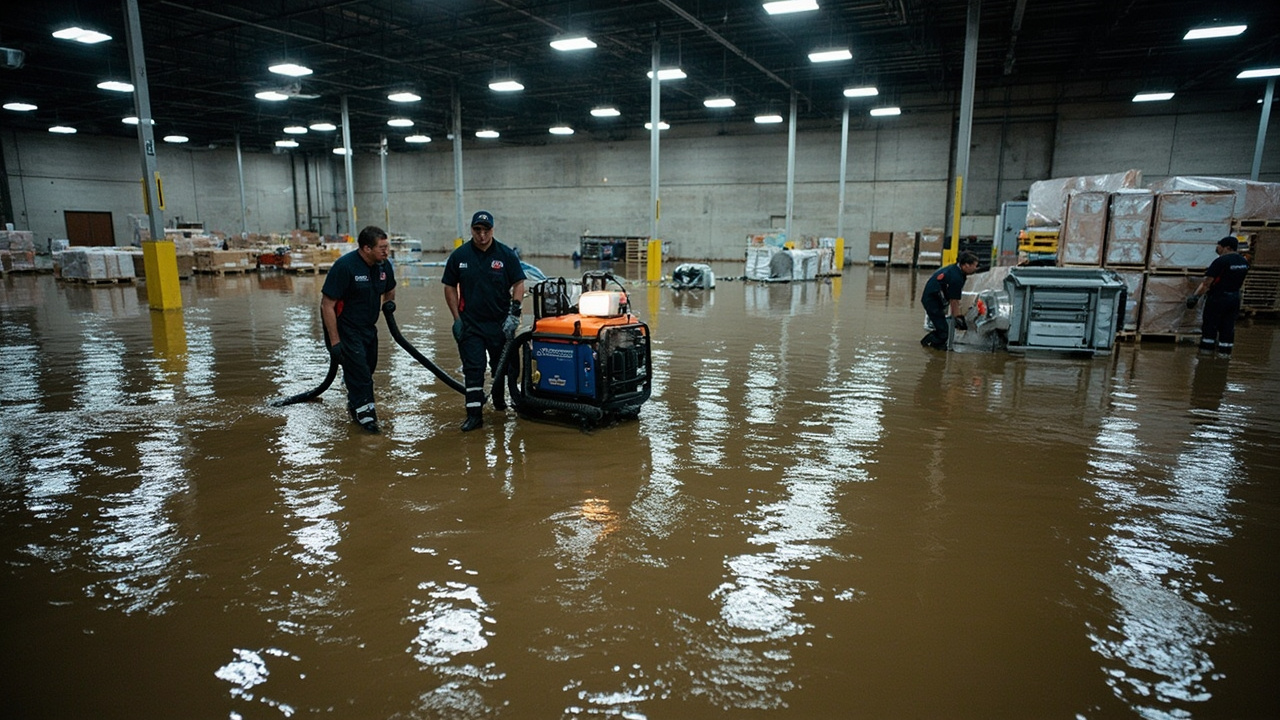
Our extraction equipment includes trailer-mounted pumps capable of removing thousands of gallons per hour, allowing us to clear standing water from large floor plans in hours rather than days. We use ride-on extractors for sealed concrete and truck-mount systems for permeable surfaces. After extraction, we deploy commercial-grade air movers and low-grain refrigerant dehumidifiers strategically positioned to create controlled airflow patterns that drive moisture from building materials.

We do not guess. Thermal imaging cameras identify moisture migration into wall cavities, insulation, and structural components. Moisture meters provide quantified readings that we track daily. We measure temperature, relative humidity, and grain depression to calculate drying velocity and project completion timelines. This data tells us when your facility is dry enough for safe occupancy and prevents premature equipment removal that leads to mold growth.

For contaminated floodwater common to Memphis overflow events, we apply antimicrobial treatments to affected surfaces and dispose of porous materials per EPA guidelines. We coordinate with industrial hygienists when testing confirms the presence of sewage or chemical contaminants. Our protocols align with IICRC S500 standards for commercial flood remediation, giving you defensible documentation for regulators and insurance carriers.

This is not residential work scaled up. This is industrial flood recovery executed by technicians who understand the operational and financial stakes of warehouse downtime.

What Happens During Emergency Warehouse Flood Response

Warehouse Flood Restoration in Memphis | Industrial-Scale Response That Keeps Your Operation Running
01

Site Assessment and Safety Clearance

Our team arrives and conducts a facility walkthrough to identify electrical hazards, structural instability, and contamination sources. We document pre-loss conditions with photos and video. We establish safe work zones, isolate affected areas from clean inventory, and create a detailed scope of work with equipment requirements and estimated timelines. You receive this documentation within hours, not days.
02

Water Extraction and Structural Drying

We deploy extraction equipment sized for your facility's square footage and flood severity. Truck-mount pumps and ride-on extractors remove standing water rapidly. We place air movers and dehumidifiers to create controlled drying environments monitored with thermal imaging and moisture meters. Daily readings track progress and identify hidden moisture pockets. We adjust equipment placement based on real-time data to accelerate drying velocity and prevent secondary damage.
03

Verification and Operational Clearance

We continue monitoring until moisture readings stabilize at pre-loss levels. Final documentation includes moisture maps, equipment logs, and photographic evidence of dry conditions. We coordinate with industrial hygienists for air quality testing if contamination was present. You receive a comprehensive report that satisfies insurance requirements and provides clearance for staff to return safely. Your warehouse transitions from emergency response to normal operations with documented proof.

Why Memphis Warehouse Operators Choose Liberty Water Damage Restoration Riverside

We operate in Memphis full-time. Our technicians know the flood patterns along the Wolf River Greenway and Presidents Island industrial zones. We understand how clay soil beneath warehouse foundations affects drainage and creates hydrostatic pressure during heavy rain. We have worked with local commercial insurance adjusters who require specific documentation formats and understand the timelines they demand for mitigation reports.

Our equipment inventory includes industrial-capacity extractors, dehumidifiers, and air movers stored locally. We do not need to wait for equipment rentals or coordinate with distant offices. When you call for distribution center water removal, we dispatch immediately with the tools required for large-scale commercial work.

We also understand operational realities. A flooded warehouse means missed shipments, contract penalties, and revenue loss. We work around your schedule to minimize disruption. If you need us to extract water during off-peak hours or stage drying equipment to maintain partial operations, we coordinate that. We communicate directly with facility managers and provide daily updates that you can forward to executives, insurance representatives, and clients.

Liberty Water Damage Restoration Riverside maintains commercial liability coverage appropriate for industrial work. We provide certificates of insurance before beginning work, protecting you from contractor-related liability exposure. We also document every phase of the restoration process, creating records that support insurance claims and defend against potential disputes.

You need a contractor who treats warehouse flood restoration as a business continuity issue, not a construction project. We understand the financial stakes, the operational complexity, and the documentation requirements that separate commercial flood remediation from residential water cleanup. That focus keeps your warehouse operational and your business protected.

What to Expect During Your Warehouse Flood Restoration

Response Time and Equipment Deployment

We dispatch teams within hours of your call, arriving with industrial extraction equipment and moisture monitoring tools. Our response includes immediate site assessment, safety protocols, and equipment staging. You receive a detailed scope of work and timeline projection before extraction begins. For after-hours emergencies, we maintain on-call crews familiar with Memphis warehouse districts. Large facilities may require multiple crews and equipment rotations to maintain continuous drying. We communicate expected completion dates based on facility size, flood severity, and moisture readings, adjusting timelines as conditions evolve.

Initial Damage Assessment and Scope Development

Our assessment includes thermal imaging to identify hidden moisture, electrical system inspection to ensure safe work conditions, and contamination evaluation to determine appropriate antimicrobial protocols. We document affected inventory, structural damage, and building system impacts. You receive a written scope detailing equipment requirements, estimated timelines, and documentation procedures. This assessment drives insurance claims and provides the operational data you need to communicate with stakeholders. We coordinate with your insurance adjuster early to align documentation requirements and avoid claim delays related to insufficient evidence.

Drying Standards and Completion Criteria

We dry your facility to pre-loss moisture levels verified through daily meter readings and thermal imaging. Completion requires concrete slabs to reach moisture content below 4.5 percent, walls to stabilize at ambient humidity levels, and air quality testing to confirm the absence of mold spores if contamination occurred. You receive final documentation showing moisture trend lines, equipment logs, and photographic evidence. This report satisfies insurance carriers, provides OSHA-compliant clearance for employee return, and creates liability protection. We do not remove equipment prematurely based on visual inspection or guesswork.

Post-Restoration Monitoring and Follow-Up

After equipment removal, we recommend follow-up moisture checks at 30 and 60 days to ensure conditions remain stable. Memphis humidity can cause moisture rebound in improperly dried facilities, leading to delayed mold growth. We provide maintenance recommendations for improved drainage, moisture barriers, and early warning systems. If structural repairs are needed, we coordinate with licensed contractors familiar with commercial building codes. Our documentation remains available for future insurance claims or facility audits. This follow-up protects your investment and prevents recurring moisture issues that compromise inventory and worker safety.

Frequently Asked Questions

You Have Questions,
We Have Answers

How much does a water restoration company charge? +

Warehouse flood restoration pricing depends on water category, affected square footage, equipment needs, and structural damage extent. Class 1 incidents with minimal impact cost less than Class 4 events requiring specialized drying. Commercial jobs in Memphis factor in business interruption mitigation, compliance with local codes, and OSHA requirements. Expect costs to reflect industrial-grade extraction, dehumidification runtime, antimicrobial treatments, and inventory salvage efforts. Most restoration companies provide detailed estimates after initial assessment. Document everything for insurance claims. Faster response reduces overall expense by preventing secondary damage to inventory and structural components.

What's the difference between restoration and remediation? +

Restoration returns your warehouse to pre-loss condition through water extraction, drying, cleaning, and reconstruction. Remediation addresses contamination hazards like mold growth, sewage, or chemical exposure. In Memphis warehouses, remediation becomes necessary when floodwater introduces Category 3 black water from the Mississippi River basin or when humidity allows mold colonization within 48 hours. Restoration focuses on physical damage repair. Remediation focuses on health hazards and environmental contaminants. Large warehouse floods often require both services sequentially. Proper categorization affects worker safety protocols, disposal requirements, and insurance coverage scope.

How do restoration companies get paid? +

Restoration companies invoice through direct insurance billing or work directly with property owners. For commercial warehouse claims, many firms file claims on your behalf and receive payment after your insurer approves documented work. Others require upfront payment or deposits with reimbursement handled separately. Memphis warehouse owners with commercial policies often have restoration vendors pre-approved through their carriers. Payment structures include progress billing for large projects, final invoice upon completion, or third-party financing for uninsured losses. Review your commercial policy to understand assignment of benefits clauses and preferred vendor networks before signing restoration contracts.

Is water damage restoration worth it? +

For Memphis warehouse operators, flood restoration protects liability exposure, prevents inventory loss escalation, and maintains business continuity. Unaddressed water damage causes structural degradation, mold contamination requiring full inventory disposal, and potential code violations. Tennessee humidity accelerates deterioration. Professional restoration documents damage for insurance claims, meets OSHA safety standards during operations, and prevents secondary losses that multiply initial damage costs. The ROI centers on avoiding complete operational shutdowns, protecting assets, and meeting lease obligations. Delayed response transforms manageable incidents into total losses. Restoration investment prevents exponentially higher replacement costs and lost revenue.

Does insurance pay for water restoration? +

Commercial property insurance typically covers sudden and accidental water damage, including pipe bursts and storm flooding, under building and business interruption policies. Coverage excludes flood events unless you carry separate NFIP or private flood insurance. Memphis warehouses near the Mississippi River or Wolf River floodplains need dedicated flood policies. Review your policy for water damage exclusions, sub-limits on inventory, and whether contents coverage extends to stored goods. Insurers require prompt notification and mitigation. Document all damage with photos and detailed inventory lists. Restoration companies assist with claims documentation to maximize approved coverage amounts.

Is the subfloor ruined if it gets wet? +

Subfloor survival depends on material type, water category, and exposure duration. Concrete subfloors in Memphis warehouses typically withstand flooding if properly dried and treated. Wood subfloors deteriorate rapidly, especially with Category 2 or 3 water. Plywood and OSB delaminate and lose structural integrity after 24 hours of saturation. High humidity in Tennessee accelerates warping and mold growth beneath flooring. Restoration professionals use moisture meters to assess subfloor viability. Salvage requires immediate extraction, controlled drying, and antimicrobial treatment. Replacing compromised subfloors prevents future liability from structural failure or mold contamination affecting inventory.

What are the 4 types of remediation? +

The four remediation categories address contamination severity. Category 1 involves clean water from supply lines posing minimal contamination risk. Category 2 gray water contains biological or chemical contaminants from appliances or equipment. Category 3 black water includes sewage, river flooding, or stagnant water with pathogenic contamination. The fourth consideration involves cross-contamination, where clean water becomes contaminated through contact with building materials or inventory. Memphis warehouse floods from the Mississippi River or combined sewer overflows require Category 3 protocols, including specialized PPE, disposal procedures, and antimicrobial treatments to meet health codes.

What are the 3 R's of recovery? +

The three Rs are Repair, Restore, and Resume. Repair addresses immediate structural damage and safety hazards in your warehouse. Restore returns the facility to functional condition through drying, cleaning, and reconstruction. Resume focuses on operational recovery and business continuity. For Memphis warehouse operators, this framework minimizes downtime. Repair might involve emergency board-up or structural stabilization. Restore includes equipment drying and inventory salvage. Resume ensures compliance with lease terms and customer delivery obligations. Effective restoration companies sequence these phases to compress timeline and reduce revenue interruption while maintaining code compliance.

What are the stages of restoration? +

Warehouse restoration follows assessment, water extraction, drying, cleaning, and reconstruction. Assessment identifies water category, affected zones, and structural impact. Extraction removes standing water using truck-mounted pumps and industrial extractors. Drying deploys commercial dehumidifiers and air movers, monitored with moisture meters until materials reach equilibrium. Cleaning addresses contaminants and salvageable inventory. Reconstruction replaces unsalvageable materials like drywall, insulation, or flooring. Memphis projects account for humidity during drying phases. Timeline depends on warehouse size and damage class. Each stage requires documentation for insurance claims and regulatory compliance before advancing to the next phase.

What is the 80% rule in insurance? +

The 80% rule applies when you underinsure your warehouse below 80% of replacement value. Insurers reduce claim payouts proportionally, making you a co-insurer for the difference. If your Memphis warehouse has a replacement value of one million dollars but you carry only six hundred thousand in coverage, you recover just 75% of covered losses. This penalty applies to partial losses, not just total losses. Commercial property owners must regularly update valuations to account for construction cost increases and inventory fluctuations. Review coverage annually with your broker to avoid unexpected gaps during claims.

Why Memphis's Mississippi River Proximity Increases Warehouse Flood Risk

Memphis industrial zones concentrate near the Mississippi River and Wolf River corridors for transportation access, but this proximity creates flood vulnerability during spring storm surges. The flat topography common to Shelby County prevents natural drainage, causing water to pool in low-lying warehouse districts. Clay soil beneath concrete slabs absorbs water slowly, creating hydrostatic pressure that forces moisture through foundation cracks and expansion joints. Combined with aging stormwater infrastructure in older industrial parks, Memphis warehouses face elevated flood risk that demands proactive commercial flood remediation protocols and rapid response capacity.

Liberty Water Damage Restoration Riverside maintains local equipment staging and understands Shelby County drainage patterns. Our technicians have worked on flooded facilities throughout Presidents Island, Raleigh industrial corridors, and Riverside distribution centers. We coordinate with local insurance adjusters familiar with Memphis flood claims and provide documentation that aligns with regional carrier requirements. Choosing a local contractor means faster response, familiarity with Memphis building construction common to 1970s-era warehouse developments, and relationships with industrial hygienists and structural engineers who understand Mid-South commercial properties.
Water Damage Services in The Memphis Area

We are proud to serve the Memphis community and its surrounding areas. Our dedicated team is strategically located to ensure a swift response to your water damage emergency, no matter where you are. We invite you to view our service map to see our coverage area and find out how we can assist you. Rest assured, when you call Victory Water Damage Restoration Memphis, a professional is never far away. We are committed to being your local and reliable restoration partner.

Address:
Victory Water Damage Restoration Memphis, 1995 Union Ave, Memphis, TN, 38104

Additional Services We Offer

Our news updates

Latest Articles & News from The Blogs

Why black streaks on your walls could mean you have a hidden moisture problem Black streaks on your walls can…

Why black streaks on your walls could mean you have a hidden moisture problem

Why black streaks on your walls could mean you have a hidden moisture problem Black streaks on your walls can…

What to do if an MLGW water main break floods your North Memphis property

What to do if an MLGW water main break floods your North Memphis property When an MLGW water main breaks…

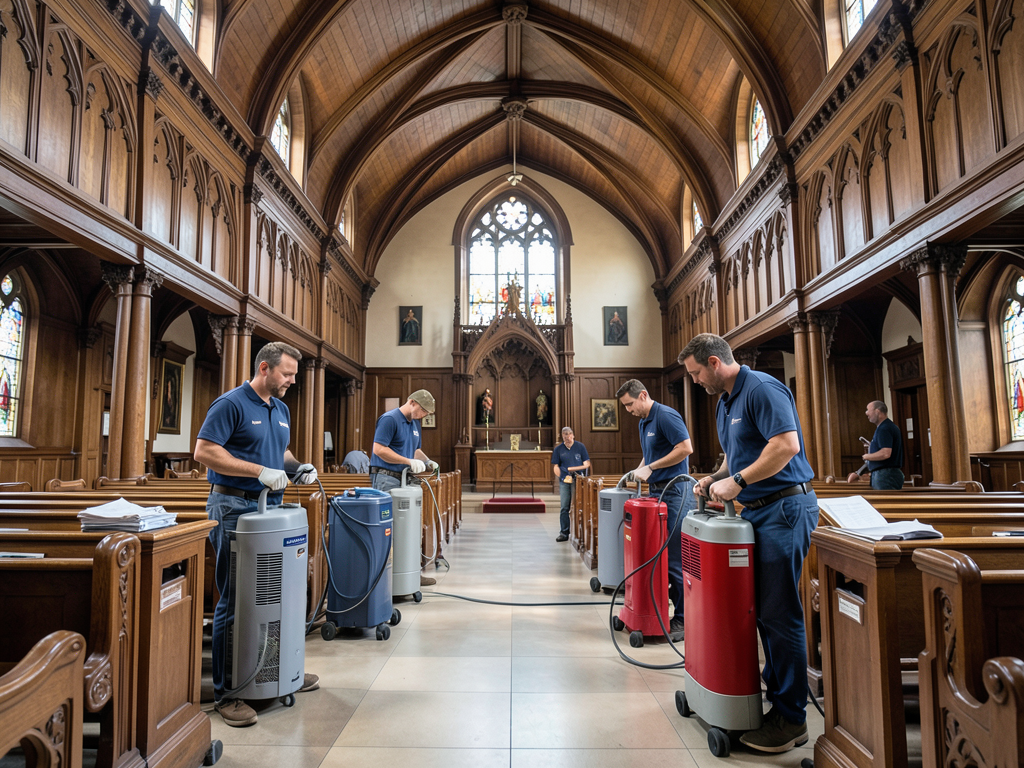
Handling water damage and mold in historic Memphis churches or community halls

Handling Water Damage and Mold in Historic Memphis Churches and Community Halls When water breaches the sanctuary of a historic…

Contact Us

Every hour your warehouse stays flooded costs you revenue and customer trust. Call Liberty Water Damage Restoration Riverside at (901) 640-3133 now for immediate industrial flood recovery. We deploy extraction teams and commercial drying equipment to Memphis warehouses within hours.