Menu

Efflorescence on Concrete in Memphis – Expert Diagnosis and Permanent Moisture Control Solutions

Victory Water Damage Restoration Riverside identifies the root moisture sources causing white powder on concrete, mineral salts, and crystalline deposits, then stops the water intrusion before removing surface efflorescence in your Memphis property.

Slider Image 1
Slider Image 2
Slider Image 3
Slider Image 4
Slider Image 5
Slider Image 7
Slider Image 8
Slider Image 9
Slider Image 10
Slider Image 11

Why Memphis Concrete Develops White Powder and Salt Deposits

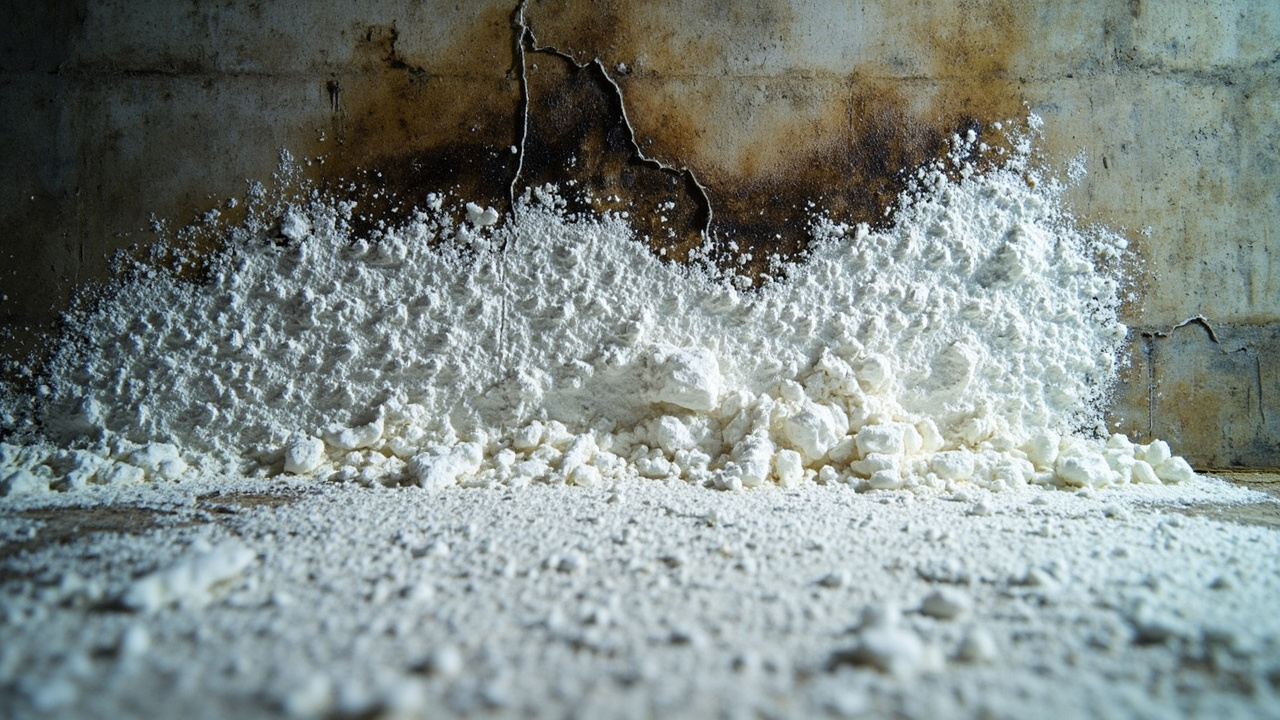
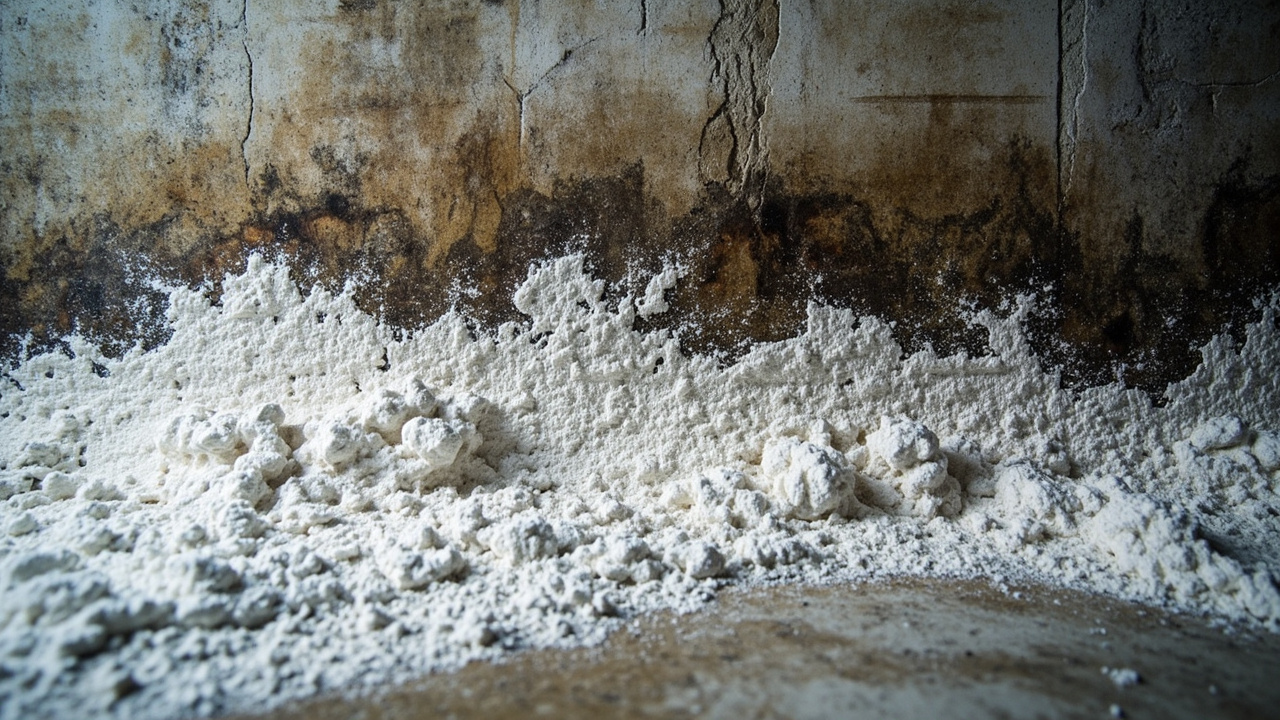
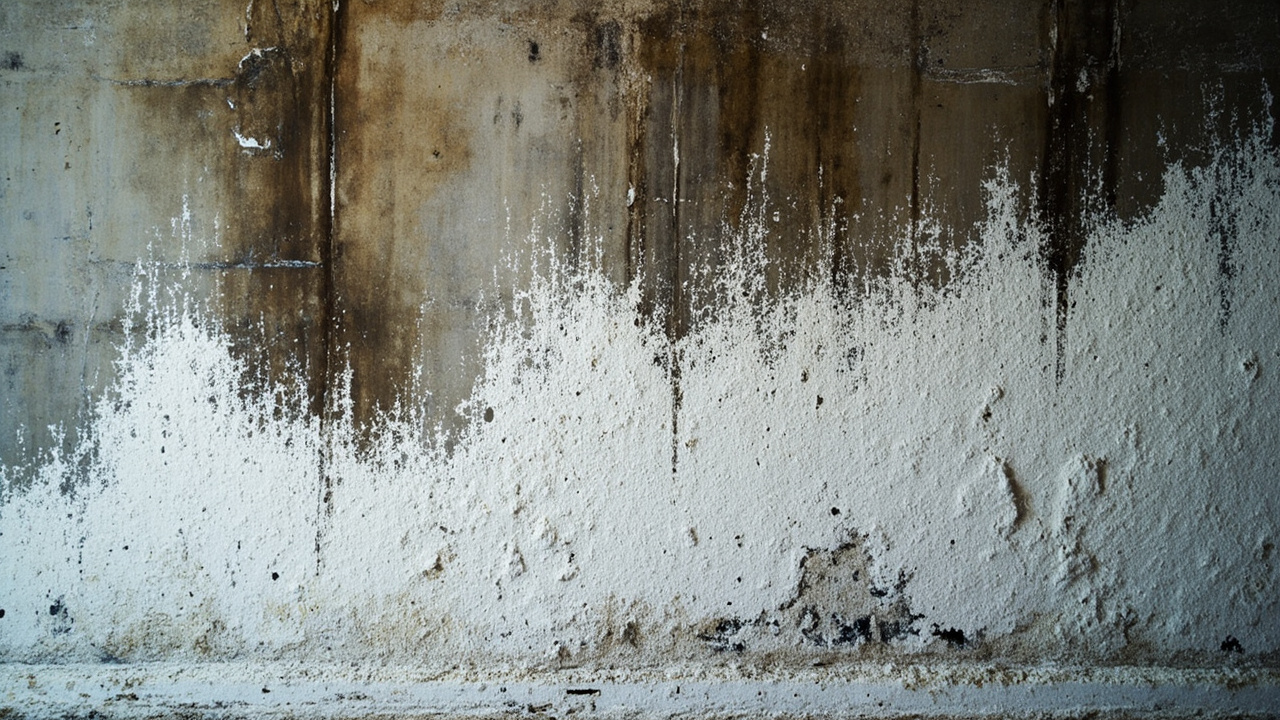
You walk into your basement or garage and notice a white, chalky residue spreading across your concrete floor or foundation wall. That white powder on concrete is not paint. It is not dust. It is efflorescence, and it signals an active moisture problem beneath or behind your concrete surfaces.

Memphis sits on clay-heavy soil that expands when wet and contracts when dry. This constant movement creates microcracks in concrete slabs and block foundations. When groundwater or humidity pushes through these cracks, it carries dissolved mineral salts from the soil and the concrete itself. As the water evaporates on the surface, those mineral salts crystallize into the white residue on concrete you see today.

The Mississippi River floodplain and the region's high water table make subsurface moisture a year-round issue here. Summer humidity compounds the problem. Concrete in crawl spaces, basements, and slab-on-grade homes stays damp longer, which means more mineral salts migrate to the surface. You may also see concrete salt deposits along foundation walls where hydrostatic pressure forces water laterally through block cores.

Efflorescence itself does not damage concrete. But the water causing it can. Prolonged saturation leads to spalling, where the concrete surface flakes and crumbles. It weakens mortar joints in block walls. It creates ideal conditions for mold growth on adjacent wood framing and insulation. The crystalline deposits on concrete are the visible symptom. The hidden water intrusion is the real threat.

If you see efflorescence, you have a moisture problem that needs a professional diagnosis.

Why Memphis Concrete Develops White Powder and Salt Deposits
How We Diagnose and Eliminate Efflorescence at the Source

How We Diagnose and Eliminate Efflorescence at the Source

Most homeowners try to scrub efflorescence off with a brush or pressure washer. The white powder disappears for a few weeks, then returns. That is because surface cleaning does nothing to stop the water bringing the salts to the surface.

We start with a moisture intrusion assessment. We use non-invasive moisture meters to measure relative humidity levels in the concrete and the surrounding air. We inspect grading around your foundation, downspout discharge points, and any plumbing penetrations through the slab. We check for condensation patterns that indicate high indoor humidity meeting cold concrete surfaces.

In basements and crawl spaces, we look for evidence of hydrostatic pressure, which is groundwater pushing against the foundation from below or from the sides. We inspect sump pump operation, floor drain function, and any signs of previous water damage. We also examine expansion joints and control joints in the slab, which are common entry points for subsurface moisture.

Once we identify the water source, we address it. That may involve exterior grading corrections, installation of a vapor barrier in a crawl space, dehumidification in a basement, or sealing cracks with hydraulic cement or epoxy injection. For persistent hydrostatic issues, we coordinate with foundation specialists to install interior drainage systems or exterior waterproofing membranes.

Only after we control the moisture do we remove the efflorescence. We use a mild acidic cleaner designed for mineral salt removal, then neutralize and rinse the surface. If the concrete has begun spalling, we assess whether resurfacing or patching is needed. The goal is not just a clean surface. The goal is a dry substrate that will not bloom with salts again in six months.

What Happens During an Efflorescence Evaluation in Memphis

Efflorescence on Concrete in Memphis – Expert Diagnosis and Permanent Moisture Control Solutions
01

On-Site Moisture Assessment

We measure concrete moisture content using calibrated meters and thermal imaging cameras. We inspect all potential water entry points, including foundation cracks, plumbing penetrations, and exterior grading. We document the extent of efflorescence and any associated damage like spalling or mold growth. This diagnostic phase typically takes 45 to 90 minutes and determines the scope of the moisture correction work.
02

Moisture Source Correction

We stop the water intrusion using methods appropriate to the source. This may include crack sealing with polyurethane or epoxy, installing vapor barriers in crawl spaces, regrading soil away from the foundation, or setting up dehumidification systems in basements. For severe hydrostatic pressure, we coordinate with foundation contractors to install French drains or sump systems. This phase can take one day to one week depending on complexity.
03

Efflorescence Removal and Prevention

Once the concrete begins drying, we remove existing salt deposits using appropriate cleaning agents and surface preparation tools. We monitor moisture levels over several days to confirm the substrate is stabilizing. We provide recommendations for long-term humidity control, such as improving ventilation or maintaining dehumidifiers. The surface stays clean because the water source is no longer active.

Why Memphis Property Owners Trust Local Moisture Control Expertise

Efflorescence is not a cosmetic issue you can paint over or ignore. It is a diagnostic clue that water is moving through your foundation. Addressing it correctly requires understanding local soil conditions, seasonal water table fluctuations, and the specific construction methods used in Memphis homes built in different decades.

Victory Water Damage Restoration Riverside works in older Memphis neighborhoods where homes were built on shallow footings with minimal moisture barriers. We also work in newer suburban developments where expansive clay soil still causes foundation movement and cracking. We understand how the local climate drives moisture behavior. High summer humidity means condensation on cool basement walls. Winter freeze-thaw cycles open new pathways for groundwater infiltration. Spring storms overwhelm inadequate gutters and downspouts, saturating the soil around your foundation.

We do not sell you a one-size-fits-all solution. If your efflorescence is caused by a plumbing leak, we find and document it so you can make an informed repair decision. If it is hydrostatic pressure, we explain your options and what each approach will accomplish. If it is simply high indoor humidity meeting cold concrete, we can often solve it with dehumidification and improved air circulation.

We also know when efflorescence points to a larger structural issue that requires a licensed structural engineer or foundation contractor. We make those referrals when appropriate. Our goal is to give you an accurate diagnosis, fix what we can fix, and connect you with the right professionals for anything beyond our scope.

You get honest answers, not scare tactics. You get solutions that stop the water, not surface treatments that mask the problem for a few months.

What to Expect When You Call About Efflorescence

Response Time and Scheduling

We offer same-day or next-day assessment appointments in most cases. Efflorescence is not an emergency like a burst pipe, but the moisture causing it can worsen over time. We prioritize scheduling based on the severity of visible damage and whether you are experiencing active water intrusion. Most initial evaluations take place within 48 hours of your call. We provide a detailed written assessment after the inspection, including photos and moisture readings, so you understand exactly what is happening beneath the surface.

The Diagnostic Process

During the assessment, we use moisture meters, infrared cameras, and visual inspection to map water intrusion patterns. We examine both the interior and exterior of your foundation when accessible. We ask about recent plumbing work, landscaping changes, or previous water damage events. We test for active leaks and measure ambient humidity levels. This is a true diagnostic service, not a sales call. You receive a written report explaining the moisture source, the extent of the problem, and recommended corrective actions with clear next steps.

The Final Outcome

You will see a clean concrete surface with no visible salt deposits or white powder. More important, you will have confidence that the water source has been addressed. We provide post-work moisture readings to confirm the substrate is drying properly. If we installed dehumidification or vapor barriers, we explain how to maintain those systems. If we sealed cracks or made drainage improvements, we show you what was done and what to monitor going forward. The efflorescence does not return because the conditions that caused it no longer exist.

Monitoring and Follow-Up

Concrete dries slowly, especially in Memphis humidity. We often schedule a follow-up visit 30 to 60 days after moisture correction work to verify that relative humidity levels in the slab have stabilized. We check that no new efflorescence has appeared and that any dehumidification equipment is operating correctly. If we coordinated your project with a foundation contractor or plumber, we confirm that all related work has been completed and is performing as expected. You receive documentation of final moisture readings for your records and future reference.

Frequently Asked Questions

You Have Questions,
We Have Answers

How do you fix efflorescence in concrete? +

Start by dry brushing the white salt deposits with a stiff-bristled brush. For stubborn buildup, use a diluted muriatic acid solution or a commercial efflorescence cleaner after testing a small area first. Rinse thoroughly with water. The key step is identifying and fixing the moisture source causing the efflorescence. Check for leaking pipes, poor drainage, or foundation cracks. In Memphis, high humidity and clay soil movement often drive moisture into concrete slabs and walls. If the water source is not stopped, efflorescence will return. Address drainage issues around your foundation to prevent recurring problems.

Should I remove concrete efflorescence? +

Yes, you should remove it. Efflorescence itself does not damage concrete, but leaving it signals an ongoing moisture problem that can weaken the structure over time. The white powder is just a symptom. In Memphis homes, especially older properties in Midtown or Cooper-Young, persistent efflorescence often points to foundation moisture intrusion or poor grading. Removing the visible salts helps you monitor whether the issue is resolved. If efflorescence keeps returning after cleaning, you have active water infiltration that needs professional attention before it causes spalling, cracking, or mold growth in adjacent materials.

Is efflorescence a serious problem? +

Efflorescence by itself is not serious. It is cosmetic. The salts do not harm concrete. The problem is what causes it. Ongoing moisture infiltration weakens concrete over time, leading to cracking, spalling, and structural issues. In Memphis, where clay soil expands and contracts with seasonal rain, foundation movement can create pathways for water. If you see efflorescence on basement walls, crawl spaces, or garage floors, treat it as a warning sign. Investigate the moisture source immediately. Ignoring it can lead to bigger problems like mold, wood rot, or compromised structural integrity, especially in humid climates.

What does efflorescence on concrete indicate? +

Efflorescence indicates water is moving through your concrete. When moisture passes through the material, it dissolves salts within the concrete or surrounding soil. As the water evaporates at the surface, it leaves behind white crystalline deposits. This means you have a moisture problem. In Memphis, this often stems from poor exterior grading, clogged gutters, or hydrostatic pressure from saturated clay soil pushing groundwater through foundation walls. The location of efflorescence tells the story. On basement walls, it suggests exterior drainage issues. On slab floors, it points to groundwater wicking upward or plumbing leaks beneath the concrete.

Does efflorescence indicate water damage? +

Yes. Efflorescence is a direct sign of water movement through concrete. The salts only appear when moisture dissolves them and carries them to the surface. In Memphis, where summer humidity stays high and spring storms saturate soil, efflorescence on foundation walls or basement floors signals active water intrusion. This can come from exterior sources like poor drainage or interior sources like plumbing leaks. If you see efflorescence paired with damp spots, musty odors, or peeling paint, you have a moisture problem that needs immediate attention to prevent mold growth and structural damage.

What is the best efflorescence remover? +

The best remover depends on severity. For light deposits, a stiff brush and water work. For moderate buildup, use a commercial efflorescence cleaner designed for masonry. For heavy crystallization, a diluted muriatic acid solution is effective but requires safety gear and proper ventilation. Always test a small area first. In Memphis, where high humidity can make cleaning more challenging, ensure the area is dry before applying any chemical treatment. Products containing phosphoric acid or biodegradable options are safer for residential use. Remember, cleaning is temporary unless you fix the moisture source causing the efflorescence.

Does vinegar stop efflorescence? +

Vinegar can dissolve light efflorescence because its acidity reacts with alkaline salt deposits. Mix equal parts white vinegar and water, apply to the affected area, scrub with a stiff brush, and rinse. It works for minor surface deposits but is not strong enough for heavy buildup. Vinegar will not stop efflorescence from returning. You must eliminate the moisture source. In Memphis, where clay soil and humidity drive water into foundations, vinegar is a temporary cosmetic fix. Focus on improving drainage, sealing cracks, and managing groundwater to prevent recurrence. Treat the cause, not just the symptom.

What concrete sealer prevents efflorescence? +

Use a breathable penetrating sealer, not a film-forming topical sealer. Penetrating sealers allow moisture vapor to escape while blocking liquid water and salts. Silane or siloxane-based sealers work well for concrete. Film-forming sealers trap moisture inside, worsening the problem. In Memphis, where high humidity and seasonal rain create constant moisture exposure, breathability is critical. Apply sealer only after fixing the moisture source and allowing the concrete to dry completely. If you seal wet concrete, you trap water inside, leading to spalling and flaking. Address drainage and waterproofing before sealing to prevent efflorescence long-term.

Will efflorescence eventually stop? +

Efflorescence will stop once the moisture source is eliminated and all soluble salts are leached out. New concrete often shows efflorescence during the first year as residual salts migrate to the surface. This is normal and temporary. However, if water infiltration continues, efflorescence will keep returning. In Memphis, where clay soil stays saturated after heavy rains and humidity rarely drops, efflorescence can persist for years without proper drainage and waterproofing. If you see recurring white deposits months after cleaning, you have an active moisture problem that requires professional assessment and repair to stop permanently.

How much does it cost to fix efflorescence? +

Cleaning efflorescence costs little if you do it yourself. A brush and cleaner run under 50 dollars. Professional cleaning costs vary based on square footage and severity. The real expense is fixing the underlying moisture problem. Repairing foundation cracks, installing drainage systems, or waterproofing basements can range from hundreds to several thousand dollars depending on scope. In Memphis, where clay soil movement and humidity create persistent water issues, addressing the root cause is essential. Skipping this step means efflorescence will return. Focus your budget on permanent solutions like proper grading, sump pumps, or exterior waterproofing to protect your investment.

How Memphis Clay Soil and High Water Tables Drive Efflorescence Problems

Memphis sits on dense clay soil that holds water like a sponge. When it rains, the soil swells. When it dries, it shrinks. This cycle puts constant stress on concrete foundations, creating hairline cracks that allow groundwater to seep through. The proximity to the Mississippi River and the Wolf River system means the water table stays high year-round. In low-lying neighborhoods near the river or in areas with poor drainage, hydrostatic pressure pushes water through basement walls and slab floors. That water carries dissolved minerals from the clay and the concrete itself. When it evaporates, it leaves behind the white crystalline deposits you see as efflorescence.

Victory Water Damage Restoration Riverside has worked in Memphis long enough to know which neighborhoods experience chronic groundwater issues and which ones have seasonal problems tied to stormwater runoff. We understand local building practices from the 1950s through today, including when builders started using vapor barriers under slabs and how foundation drainage systems have evolved. That local knowledge lets us diagnose your efflorescence faster and recommend solutions that work in Memphis conditions, not generic advice pulled from a national manual. You get expertise shaped by years of hands-on work in this city.
Water Damage Services in The Memphis Area

We are proud to serve the Memphis community and its surrounding areas. Our dedicated team is strategically located to ensure a swift response to your water damage emergency, no matter where you are. We invite you to view our service map to see our coverage area and find out how we can assist you. Rest assured, when you call Victory Water Damage Restoration Memphis, a professional is never far away. We are committed to being your local and reliable restoration partner.

Address:
Victory Water Damage Restoration Memphis, 1995 Union Ave, Memphis, TN, 38104

Additional Services We Offer

Our news updates

Latest Articles & News from The Blogs

Why black streaks on your walls could mean you have a hidden moisture problem Black streaks on your walls can…

Why black streaks on your walls could mean you have a hidden moisture problem

Why black streaks on your walls could mean you have a hidden moisture problem Black streaks on your walls can…

What to do if an MLGW water main break floods your North Memphis property

What to do if an MLGW water main break floods your North Memphis property When an MLGW water main breaks…

Handling water damage and mold in historic Memphis churches or community halls

Handling Water Damage and Mold in Historic Memphis Churches and Community Halls When water breaches the sanctuary of a historic…

Contact Us

Do not let efflorescence damage your concrete or hide a bigger moisture problem. Call Victory Water Damage Restoration Riverside at (901) 640-3133 today to schedule an on-site evaluation. We will identify the water source, explain your options, and give you a clear path to a dry, stable foundation.