


Atoka sits in the humid subtropical zone where Tennessee's clay-heavy soil creates drainage problems year-round. The area receives over 50 inches of rainfall annually, with spring thunderstorms dropping several inches in hours. This combination overwhelms gutters, floods crawl spaces, and saturates foundations. Properties near the Loosahatchie River basin face elevated flood risk during heavy rain events. Atoka's older homes, many built before modern waterproofing standards, have pier-and-beam foundations that trap moisture underneath. HVAC condensation lines frequently clog in the humid summer months, causing ceiling leaks that go unnoticed until drywall sags. Freeze-thaw cycles in winter crack exterior pipes, leading to interior floods when temperatures rise. The region's high water table means basement seepage is common in properties near lower elevations. Insurance claims spike after severe weather, but most carriers require water removal within 24-48 hours to cover structural repairs. Tennessee's building codes now mandate vapor barriers and proper drainage systems, but thousands of older structures lack these protections. Understanding these regional factors is critical for effective water damage mitigation in Atoka.
Victory Water Damage Restoration Memphis brings institutional knowledge of West Tennessee water damage patterns that new companies simply can't match. We've restored properties through every major flood event in the region, from flash floods to hurricane remnants. Our technicians hold IICRC certifications in water damage restoration and applied structural drying, meeting insurance industry standards that ensure your claim gets approved. We maintain direct relationships with major carriers operating in Tipton County, streamlining the claims process so you get paid faster. Our equipment inventory includes truck-mounted extraction units that remove thousands of gallons per hour, not basic shop-vacs that leave moisture behind. Thermal imaging cameras detect hidden water in wall cavities and subfloors before mold colonies establish. We deploy commercial dehumidifiers and air movers calibrated to Tennessee's humidity levels, not generic equipment that works poorly in our climate. Every job follows EPA and OSHA protocols for contaminated water handling, protecting your family from sewage exposure and bacterial growth. We coordinate directly with local plumbers and contractors when repairs extend beyond water removal, giving you one point of contact instead of juggling multiple vendors. Our response time averages under 90 minutes for Atoka calls because we station crews strategically across the region. Most importantly, we document every step with photos, moisture readings, and daily logs that satisfy even the most demanding insurance adjusters. We don't leave until moisture meters confirm your property is completely dry.

Every technician on your property holds current IICRC certification in water damage restoration and applied structural drying. This isn't optional training. It's the industry standard that insurance companies require for claim approval. Our team knows moisture mapping, psychrometry, and proper drying protocols that prevent mold growth and structural damage.

We bill major insurance carriers directly so you don't pay upfront and wait for reimbursement. Our estimators speak the same language as adjusters, documenting damage in Xactimate format that carriers accept without pushback. We've processed thousands of claims and know exactly what documentation your policy requires.
Truck-mounted extractors remove water at rates measured in thousands of gallons per hour, not gallons per minute. Thermal imaging cameras detect moisture behind walls and under floors before it causes permanent damage. Commercial dehumidifiers and air movers are calibrated for Tennessee's humidity levels, achieving complete drying in days instead of weeks.
Water damage doesn't wait for Monday morning. Our crews respond to Atoka calls around the clock, typically arriving within 90 minutes. We dispatch from strategic locations across the region, ensuring fast response whether you're near downtown or in rural areas. Every hour of delay means more damage and higher costs.
Water damage restoration isn't a single service. It's a coordinated process that addresses extraction, structural drying, decontamination, and reconstruction. Victory Water Damage Restoration Memphis handles every phase in-house, eliminating the coordination headaches that come with hiring multiple contractors. We start with emergency water removal to stop ongoing damage, then shift to structural drying using commercial equipment that brings moisture levels back to normal ranges. Category 3 water (sewage backups) requires specialized decontamination protocols that most restoration companies can't perform. Our teams are trained in safe handling and disposal of contaminated materials following EPA guidelines. We also coordinate content pack-outs, moving furniture and belongings to climate-controlled storage while your property dries. This integrated approach means faster completion, better communication, and accountability from a single source. Whether you're dealing with a burst pipe, roof leak, appliance failure, or storm flooding, we have the equipment and expertise to restore your property completely. Our services break down into three major categories based on the scope and contamination level of water damage you're facing.
When water is actively flooding your property, extraction speed determines total damage cost. Our truck-mounted units remove standing water in minutes, not hours. We extract from carpets, hardwood, tile, and concrete using specialized tools for each surface type. Immediate extraction prevents wood warping, drywall disintegration, and electrical hazards. Thermal imaging identifies hidden water pools in wall cavities and subfloors. We also deploy emergency board-up services for properties with roof damage or broken windows, preventing additional water intrusion while restoration proceeds.
Removing standing water is only the first step. Structural materials like drywall, insulation, and framing absorb moisture that must be extracted through controlled drying. We position commercial dehumidifiers and high-velocity air movers based on psychrometric calculations specific to your property size and Tennessee's climate. Moisture meters track drying progress daily, ensuring materials reach safe levels before we remove equipment. This prevents mold growth, wood rot, and secondary damage that appears weeks after the initial flood. Drying typically takes three to five days depending on saturation levels.
Sewage backups and floodwater from outside sources contain dangerous bacteria, viruses, and parasites that require specialized handling. Our technicians wear hazmat-rated protective equipment and follow EPA protocols for contaminated water cleanup. We remove and properly dispose of porous materials that can't be salvaged, including carpets, padding, and drywall that contacted sewage. Hard surfaces receive antimicrobial treatment to eliminate pathogens. Air scrubbers with HEPA filtration remove airborne contaminants during the cleanup process. This protects your family from illness and ensures the space is safe for occupancy.
Atoka's climate and housing stock create predictable water damage patterns. The region's heavy clay soil doesn't absorb rainfall effectively, causing surface water to pool against foundations. Poor grading sends runoff toward homes instead of away, saturating crawl spaces and basements. Many older properties lack proper vapor barriers and foundation waterproofing, allowing groundwater to wick into concrete and wood framing. HVAC systems struggle with Tennessee's humidity, creating condensation that overwhelms drain pans and floods ceilings. Appliance failures like washing machine hoses and water heater ruptures happen without warning, dumping dozens of gallons into living spaces. Understanding these common issues helps property owners recognize warning signs before minor leaks become major restoration projects requiring thousands in repairs and insurance claims.
Clay soil and high water tables push groundwater into crawl spaces during heavy rain. Poor drainage around foundations creates standing water that saturates floor joists and insulation. Vapor barriers deteriorate over time, allowing moisture to wick upward into subfloors. Musty odors, sagging floors, and visible mold growth indicate chronic moisture problems requiring professional remediation and improved drainage systems.
Winter freeze events crack exterior pipes and interior supply lines in unheated spaces. Older galvanized plumbing corrodes from inside, weakening walls until pressure causes ruptures. Washing machine hoses fail without warning after years of use. Water heaters reach end of life and flood adjacent rooms. These failures dump clean water rapidly, but the volume overwhelms floor drains and spreads throughout the structure if not stopped immediately.
Tennessee's severe thunderstorms drive wind-blown rain under shingles and through deteriorated flashing. Clogged gutters overflow during downpours, sending water down exterior walls into basements. Hail damage creates roof penetrations that leak for months before interior stains appear. Tornado and straight-line wind events tear roofing entirely, exposing interiors to massive water intrusion requiring emergency tarping and extensive restoration.
Air conditioning systems generate gallons of condensation daily during humid Tennessee summers. Drain lines clog with algae and debris, causing overflow pans to spill into ceilings and walls. Attic-mounted units leak through insulation before homeowners notice ceiling stains. Ductwork condensation from poor insulation drips onto drywall. These slow leaks cause hidden mold growth and structural damage that appears suddenly after months of accumulation.
Water emergencies create panic. You need clear answers and fast action, not runaround or delays. When you call Victory Water Damage Restoration Memphis, you speak immediately with a restoration specialist who assesses your situation and dispatches a crew. No automated menus or callback requests. We ask specific questions about water source, affected areas, and safety concerns to ensure we arrive with the right equipment. Our average response time to Atoka properties is under 90 minutes. The crew chief walks your property, explains the restoration process in plain language, and starts extraction immediately if the situation is urgent. We document everything with photos and moisture readings for insurance purposes. You'll know the timeline, what equipment we're using, and when your property will be dry. Communication happens daily during the drying process, with moisture readings shared so you can track progress. We don't disappear after dropping off equipment. Here's what the experience looks like from start to finish.
Your call triggers immediate crew dispatch to your Atoka property. While en route, we gather information about the water source and affected areas to bring appropriate equipment. Upon arrival, the crew chief conducts a thorough assessment using moisture meters and thermal imaging cameras to map all affected areas, including hidden moisture in walls and subfloors. We identify the water category (clean, gray, or black) to determine proper handling protocols. The assessment includes safety checks for electrical hazards and structural stability. You receive a clear explanation of the damage scope and restoration plan before work begins.
Water extraction starts immediately using truck-mounted pumps and portable extractors sized for your damage level. We remove standing water from all surfaces, then position commercial dehumidifiers and air movers based on psychrometric calculations. Equipment runs continuously, monitored remotely for performance. Technicians visit daily to take moisture readings and adjust equipment placement as materials dry. We document progress with photos and meter readings shared with you and your insurance adjuster. Drying typically completes within three to five days depending on saturation levels and materials affected.
Drying isn't complete until moisture meters confirm all materials have returned to normal levels. We conduct a final inspection using the same thermal imaging and moisture detection tools from the initial assessment. You receive documentation showing before and after readings that prove complete drying. If reconstruction is needed (drywall replacement, flooring, painting), we coordinate those services or work with your chosen contractors. All documentation goes to your insurance company in the format they require. We follow up after equipment removal to ensure no secondary issues develop.
Water damage restoration follows a proven sequence that minimizes damage and speeds recovery. We've refined this process through thousands of projects across West Tennessee.
Call (901) 640-3133 any time, day or night. You speak immediately with a restoration specialist who gathers critical information about your water emergency. We ask about the water source, affected areas, and any safety concerns. This information determines which equipment we load for your specific situation. Crews dispatch to your Atoka property immediately, typically arriving within 90 minutes. While en route, we may provide instructions to shut off water sources or move valuables to prevent additional damage.
Upon arrival, we conduct a full damage assessment using thermal imaging and moisture meters to map all affected areas. Water extraction begins immediately with truck-mounted pumps and specialized tools for different surfaces. We remove standing water, then position commercial dehumidifiers and air movers to start structural drying. Equipment placement follows psychrometric calculations based on your property size, saturation levels, and current humidity. All work is documented with photos and moisture readings for insurance claims.
Technicians visit daily to take moisture readings and adjust equipment as materials dry. You receive progress updates showing moisture levels decreasing toward normal ranges. Drying continues until moisture meters confirm all structural materials have reached safe levels. We conduct a final inspection using thermal imaging to verify no hidden moisture remains. Equipment is removed and you receive complete documentation proving proper drying. If reconstruction is needed, we coordinate those services or provide referrals to trusted contractors.
Professional water damage restoration follows strict industry standards established by the Institute of Inspection, Cleaning and Restoration Certification. IICRC Standard S500 defines proper procedures for water damage cleanup based on water category and material type. Category 1 water (clean supply line breaks) requires different handling than Category 3 (sewage backups or floodwater). Tennessee properties present specific challenges due to high humidity that slows evaporation and promotes microbial growth. Proper drying requires understanding psychrometrics, the science of air and moisture interaction. We measure temperature, relative humidity, and specific humidity to calculate proper dehumidification rates. Moisture meters track water content in structural materials, with different scales for wood, drywall, and concrete. The EPA recommends removing porous materials that contacted Category 3 water within 24-48 hours to prevent bacterial contamination. OSHA regulations require personal protective equipment when handling sewage or contaminated water. Insurance companies expect documentation following Xactimate estimating software standards, including photos, moisture logs, and equipment placement diagrams. Tennessee building codes require proper waterproofing and vapor barriers for new construction, but thousands of older Atoka homes lack these protections. Understanding regional water table levels, soil composition, and drainage patterns is critical for preventing recurring problems. We apply antimicrobial treatments to hard surfaces following manufacturer protocols and EPA registration requirements. Air scrubbers with HEPA filtration remove airborne spores during demolition of contaminated materials. Complete drying means achieving equilibrium moisture content, where building materials match surrounding air conditions, typically 12-15% for wood framing in Tennessee's climate.
Every restoration project follows IICRC S500 standards for water damage cleanup. This means proper water category identification, appropriate material removal, and documented drying protocols. Insurance companies require this level of documentation for claim approval. We provide photos, daily moisture logs, and psychrometric readings that prove proper procedures. Non-compliant work often gets denied by adjusters, leaving property owners paying out of pocket.
Thermal imaging cameras detect temperature differences caused by moisture in walls, ceilings, and subfloors that aren't visible to the naked eye. Pin-type and non-invasive moisture meters measure water content in different materials using different scales. Thermo-hygrometers track temperature and humidity to calculate proper dehumidification rates. This technology finds hidden moisture that causes mold growth and structural damage weeks after the initial flood if not properly addressed.
Tennessee's humid subtropical climate slows evaporation and extends drying times compared to arid regions. Summer humidity often exceeds 70%, meaning air is already saturated and can't absorb much moisture from wet materials. Commercial dehumidifiers must be properly sized and calibrated for these conditions. Inadequate equipment leaves moisture behind that promotes mold growth. Proper drying in Tennessee typically requires more dehumidification capacity and longer run times than northern or western states.
Sewage backups and floodwater from outside sources contain dangerous pathogens requiring specialized protocols. EPA guidelines mandate removal of all porous materials that contacted Category 3 water, including carpets, padding, drywall, and insulation. Hard surfaces receive antimicrobial treatment with EPA-registered products. Technicians wear protective equipment including respirators, gloves, and coveralls. Contaminated materials are disposed of following local regulations. Proper handling prevents disease transmission and ensures the space is safe for occupancy.
This video explains the water damage restoration process for Atoka TN properties, covering emergency response, water extraction, structural drying, and insurance documentation. Victory Water Damage Restoration Memphis demonstrates IICRC-certified techniques for handling clean water, gray water, and sewage cleanup. Viewers learn about thermal imaging moisture detection, commercial dehumidification equipment, and Tennessee-specific challenges including high humidity and clay soil drainage issues. The video covers response times, proper drying protocols, and what complete water damage remediation requires.
Victory Water Damage Restoration Memphis provides rapid response throughout Atoka and the greater Tipton County area. Our service region extends from the Loosahatchie River basin in the west to the Fayette County line in the east, covering both incorporated areas and rural properties. Atoka's town center sits along Highway 59, where we've restored commercial buildings and historic homes dating back generations. The residential areas spreading north toward Munford face different challenges than properties near the Loosahatchie lowlands, where higher water tables and poor drainage create recurring basement seepage issues. We regularly service properties along Atoka-Munford Road where older homes on pier-and-beam foundations battle crawl space moisture throughout Tennessee's humid summers. The newer developments in south Atoka near Garner and Woodstock Road feature modern construction with better waterproofing, but these areas still face appliance failures and storm damage requiring immediate response. Rural properties scattered throughout the county often experience well pump failures and septic system backups that contaminate living spaces with Category 3 water. Our crews are familiar with the network of county roads connecting Atoka to neighboring communities like Brighton, Burlison, and Covington, ensuring we reach properties quickly regardless of location. We've worked extensively in the agricultural areas east of town where irrigation system failures and livestock facility flooding require specialized cleanup. The proximity to Memphis means we can dispatch additional equipment and personnel when major storm events affect multiple properties simultaneously. Properties near Atoka Reservoir face unique flood risks during heavy rainfall, requiring emergency sandbag placement and rapid extraction when levees are overwhelmed. We maintain relationships with Tipton County building inspectors and understand local permitting requirements when water damage necessitates structural repairs. Whether you're in town near the schools and churches along Highway 59 or on a rural property miles from the nearest neighbor, Victory Water Damage Restoration Memphis responds with the same speed and professionalism. Our knowledge of regional water damage patterns, from clay soil drainage issues to seasonal flooding near the Loosahatchie River tributaries, ensures effective restoration tailored to Atoka's specific challenges.
Water damage restoration in Atoka involves removing water, drying affected areas, and repairing damage to your property. Professionals use specialized equipment like industrial dehumidifiers, air movers, and moisture meters to extract water and prevent mold growth. The process typically includes inspection, water removal, structural drying, sanitization, and restoration work. Quick response matters because water spreads rapidly through floors, walls, and belongings. Most restoration companies in Atoka offer 24/7 emergency services. Your homeowner's insurance often covers water damage from sudden incidents like burst pipes, though flood damage requires separate coverage.
Response time directly impacts the extent of damage and restoration costs. Water begins damaging materials within minutes. Drywall absorbs moisture in under an hour. Mold starts growing within 24 to 48 hours in wet conditions. Wood floors warp, electronics fail, and structural materials weaken as water sits longer. Contact a restoration company immediately after discovering water damage. Professional teams in Atoka arrive quickly to start extraction and drying. While waiting, shut off the water source if safe, move valuables to dry areas, and remove standing water with towels or mops.
Three main categories exist. Category 1 involves clean water from broken pipes or supply lines. Category 2 includes gray water from washing machines, dishwashers, or toilet tanks without feces. Category 3 means black water from sewage backups, flooding, or contaminated sources. Each category requires different restoration approaches. Category 3 demands extensive sanitization and protective equipment. Professionals assess water type during inspection to determine proper cleanup procedures. Never assume water is clean. Contaminated water poses serious health risks. Let trained technicians handle anything beyond minor Category 1 incidents.
Water damage restoration in Atoka involves removing water, drying affected areas, and repairing damage to your property. Professionals use specialized equipment like industrial dehumidifiers, air movers, and moisture meters to extract water and prevent mold growth. The process typically includes inspection, water removal, structural drying, sanitization, and restoration work. Quick response matters because water spreads rapidly through floors, walls, and belongings. Most restoration companies in Atoka offer 24/7 emergency services. Your homeowner's insurance often covers water damage from sudden incidents like burst pipes, though flood damage requires separate coverage.
Response time directly impacts the extent of damage and restoration costs. Water begins damaging materials within minutes. Drywall absorbs moisture in under an hour. Mold starts growing within 24 to 48 hours in wet conditions. Wood floors warp, electronics fail, and structural materials weaken as water sits longer. Contact a restoration company immediately after discovering water damage. Professional teams in Atoka arrive quickly to start extraction and drying. While waiting, shut off the water source if safe, move valuables to dry areas, and remove standing water with towels or mops.
Three main categories exist. Category 1 involves clean water from broken pipes or supply lines. Category 2 includes gray water from washing machines, dishwashers, or toilet tanks without feces. Category 3 means black water from sewage backups, flooding, or contaminated sources. Each category requires different restoration approaches. Category 3 demands extensive sanitization and protective equipment. Professionals assess water type during inspection to determine proper cleanup procedures. Never assume water is clean. Contaminated water poses serious health risks. Let trained technicians handle anything beyond minor Category 1 incidents.
Professionals follow a systematic approach. First, they inspect your property and assess damage severity. Next, they extract standing water using powerful pumps and vacuums. Then, they position air movers and dehumidifiers for structural drying. This phase takes three to five days typically. Technicians monitor moisture levels daily using specialized meters. Once dry, they clean and sanitize affected areas. Finally, they perform repairs ranging from minor fixes to major reconstruction. Throughout the process, they document everything for insurance claims. Reputable Atoka companies communicate progress regularly and explain each step.
Your homeowner's insurance typically covers sudden and accidental water damage. Covered events include burst pipes, appliance malfunctions, roof leaks from storms, and overflowing toilets. Standard policies exclude flood damage from external water sources, which requires separate flood insurance. Gradual damage from neglected maintenance usually gets denied. Review your policy to understand coverage limits and deductibles. Document everything with photos and videos. Contact your insurance company immediately after water damage occurs. Most Atoka restoration companies work directly with insurers and help with the claims process.
Standing water and high humidity create ideal conditions for mold within 24 to 48 hours. Mold spreads through microscopic spores, causing health issues and property damage. Prevention requires thorough drying and moisture control. Professional restoration teams use industrial equipment to dry structures completely, including hidden areas inside walls and under floors. They monitor humidity levels and ensure readings reach safe ranges. After drying, they apply antimicrobial treatments to affected surfaces. If mold already exists, specialized remediation becomes necessary. Quick water removal and proper drying prevent most mold problems.
Immediate actions limit damage before professionals arrive. First, ensure safety by turning off electricity in affected areas. Stop the water source if possible. Remove standing water with mops, towels, or a wet vacuum. Move furniture, rugs, and valuables to dry locations. Open windows for ventilation if weather permits. Take photos and videos for insurance documentation. Remove wet cushions from furniture and prop up soaked upholstery. Place aluminum foil under furniture legs to prevent stains on wet carpet. Avoid using household vacuums on water, which creates electrical hazards.
Advanced equipment makes professional restoration effective. Industrial-grade extractors remove thousands of gallons quickly. High-velocity air movers create airflow across wet surfaces. Commercial dehumidifiers pull moisture from the air and materials. Moisture meters detect hidden water inside walls and floors. Thermal imaging cameras identify wet areas invisible to the eye. Injection drying systems target water trapped in wall cavities. Hydroxyl generators and air scrubbers improve air quality. This specialized equipment costs thousands and requires training to operate properly. DIY methods with household fans and small dehumidifiers rarely achieve complete drying.
Duration depends on damage extent and affected materials. Minor incidents with quick response take three to five days for drying. Significant flooding or delayed response extends the timeline to one or two weeks. Extensive repairs and reconstruction add weeks or months. Concrete and hardwood require longer drying than carpet and drywall. Humidity levels, temperature, and airflow affect drying speed. Technicians use moisture readings, not visual inspection, to determine when materials reach acceptable dryness. Rushing the process leaves hidden moisture, leading to mold and structural problems later. Trust professional measurements over appearance.
Choose companies with IICRC certification, which indicates proper training in restoration standards. Check online reviews and local reputation. Verify they offer 24/7 emergency response for urgent situations. Ask about their equipment and drying process. Ensure they provide detailed written estimates and work with insurance companies. Look for experience with your specific damage type. Local Atoka companies understand regional issues like soil composition and typical weather patterns. Ask for references from recent projects. Avoid companies demanding full payment upfront. Legitimate businesses bill through insurance or offer reasonable payment terms.
Professionals follow a systematic approach. First, they inspect your property and assess damage severity. Next, they extract standing water using powerful pumps and vacuums. Then, they position air movers and dehumidifiers for structural drying. This phase takes three to five days typically. Technicians monitor moisture levels daily using specialized meters. Once dry, they clean and sanitize affected areas. Finally, they perform repairs ranging from minor fixes to major reconstruction. Throughout the process, they document everything for insurance claims. Reputable Atoka companies communicate progress regularly and explain each step.
Your homeowner's insurance typically covers sudden and accidental water damage. Covered events include burst pipes, appliance malfunctions, roof leaks from storms, and overflowing toilets. Standard policies exclude flood damage from external water sources, which requires separate flood insurance. Gradual damage from neglected maintenance usually gets denied. Review your policy to understand coverage limits and deductibles. Document everything with photos and videos. Contact your insurance company immediately after water damage occurs. Most Atoka restoration companies work directly with insurers and help with the claims process.
Standing water and high humidity create ideal conditions for mold within 24 to 48 hours. Mold spreads through microscopic spores, causing health issues and property damage. Prevention requires thorough drying and moisture control. Professional restoration teams use industrial equipment to dry structures completely, including hidden areas inside walls and under floors. They monitor humidity levels and ensure readings reach safe ranges. After drying, they apply antimicrobial treatments to affected surfaces. If mold already exists, specialized remediation becomes necessary. Quick water removal and proper drying prevent most mold problems.
Immediate actions limit damage before professionals arrive. First, ensure safety by turning off electricity in affected areas. Stop the water source if possible. Remove standing water with mops, towels, or a wet vacuum. Move furniture, rugs, and valuables to dry locations. Open windows for ventilation if weather permits. Take photos and videos for insurance documentation. Remove wet cushions from furniture and prop up soaked upholstery. Place aluminum foil under furniture legs to prevent stains on wet carpet. Avoid using household vacuums on water, which creates electrical hazards.
Advanced equipment makes professional restoration effective. Industrial-grade extractors remove thousands of gallons quickly. High-velocity air movers create airflow across wet surfaces. Commercial dehumidifiers pull moisture from the air and materials. Moisture meters detect hidden water inside walls and floors. Thermal imaging cameras identify wet areas invisible to the eye. Injection drying systems target water trapped in wall cavities. Hydroxyl generators and air scrubbers improve air quality. This specialized equipment costs thousands and requires training to operate properly. DIY methods with household fans and small dehumidifiers rarely achieve complete drying.
Duration depends on damage extent and affected materials. Minor incidents with quick response take three to five days for drying. Significant flooding or delayed response extends the timeline to one or two weeks. Extensive repairs and reconstruction add weeks or months. Concrete and hardwood require longer drying than carpet and drywall. Humidity levels, temperature, and airflow affect drying speed. Technicians use moisture readings, not visual inspection, to determine when materials reach acceptable dryness. Rushing the process leaves hidden moisture, leading to mold and structural problems later. Trust professional measurements over appearance.
Choose companies with IICRC certification, which indicates proper training in restoration standards. Check online reviews and local reputation. Verify they offer 24/7 emergency response for urgent situations. Ask about their equipment and drying process. Ensure they provide detailed written estimates and work with insurance companies. Look for experience with your specific damage type. Local Atoka companies understand regional issues like soil composition and typical weather patterns. Ask for references from recent projects. Avoid companies demanding full payment upfront. Legitimate businesses bill through insurance or offer reasonable payment terms.
We are proud to serve the Memphis community and its surrounding areas. Our dedicated team is strategically located to ensure a swift response to your water damage emergency, no matter where you are. We invite you to view our service map to see our coverage area and find out how we can assist you. Rest assured, when you call Victory Water Damage Restoration Memphis, a professional is never far away. We are committed to being your local and reliable restoration partner.
Address:
Atoka, TN, 38004
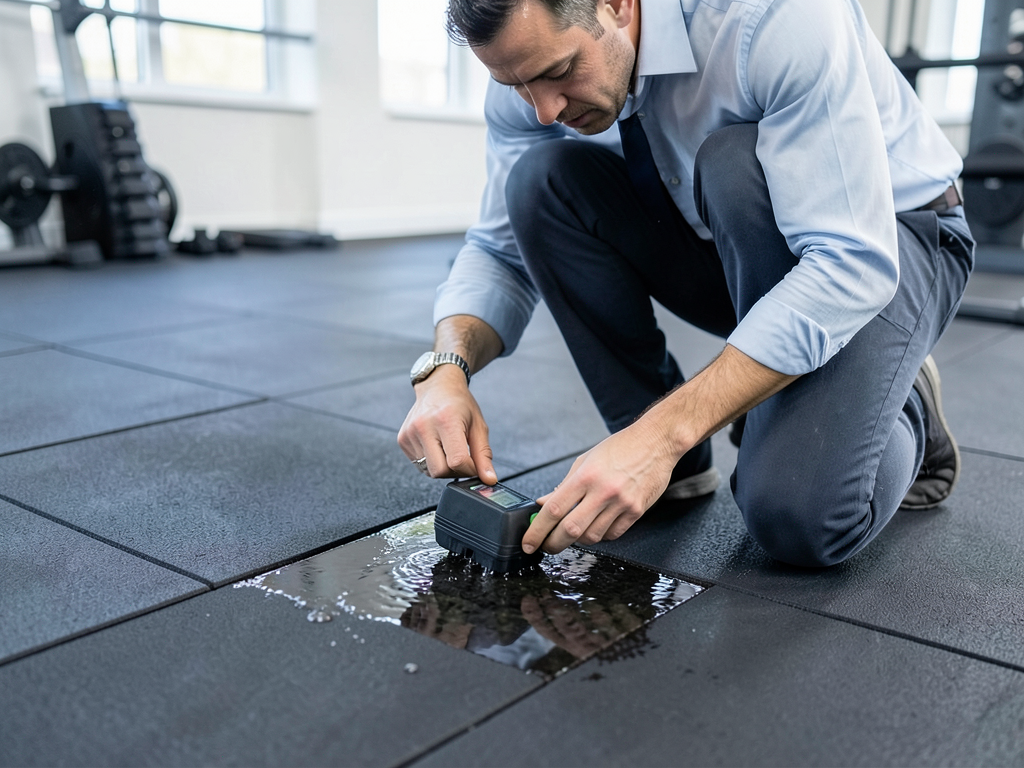
Saving rubber gym flooring and subflooring after a basement flood in Southwind When rubber gym flooring floods in Southwind basements, the water doesn't just sit on top. It seeps underneath the mats and into the…
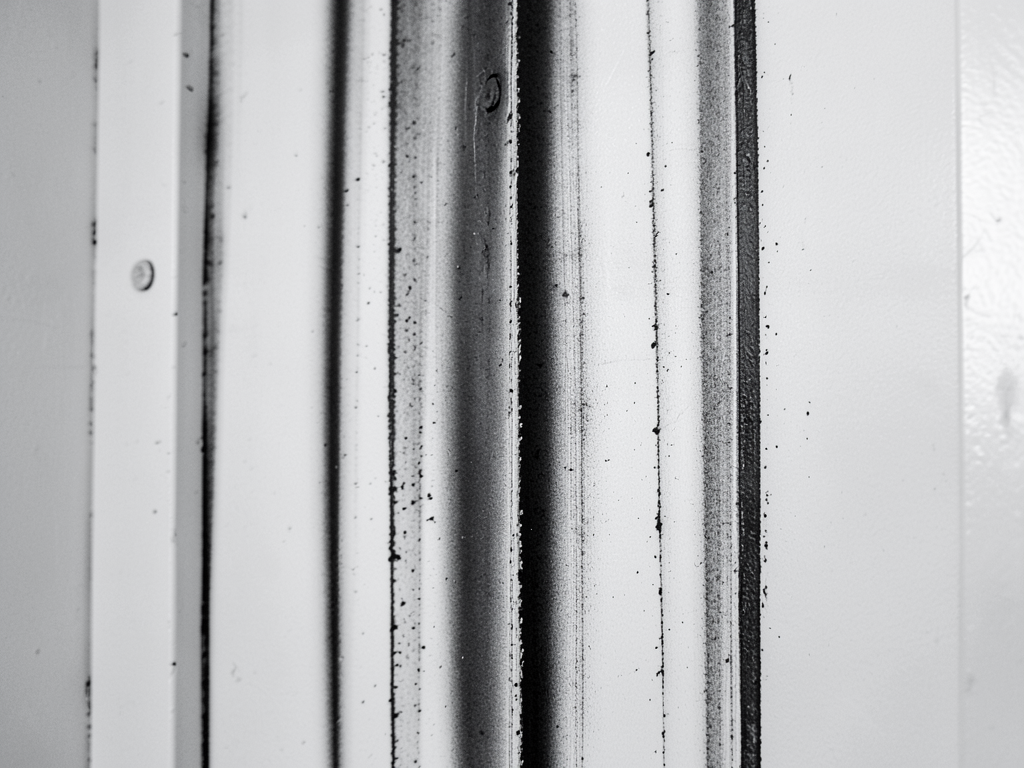
Why black streaks on your walls could mean you have a hidden moisture problem Black…
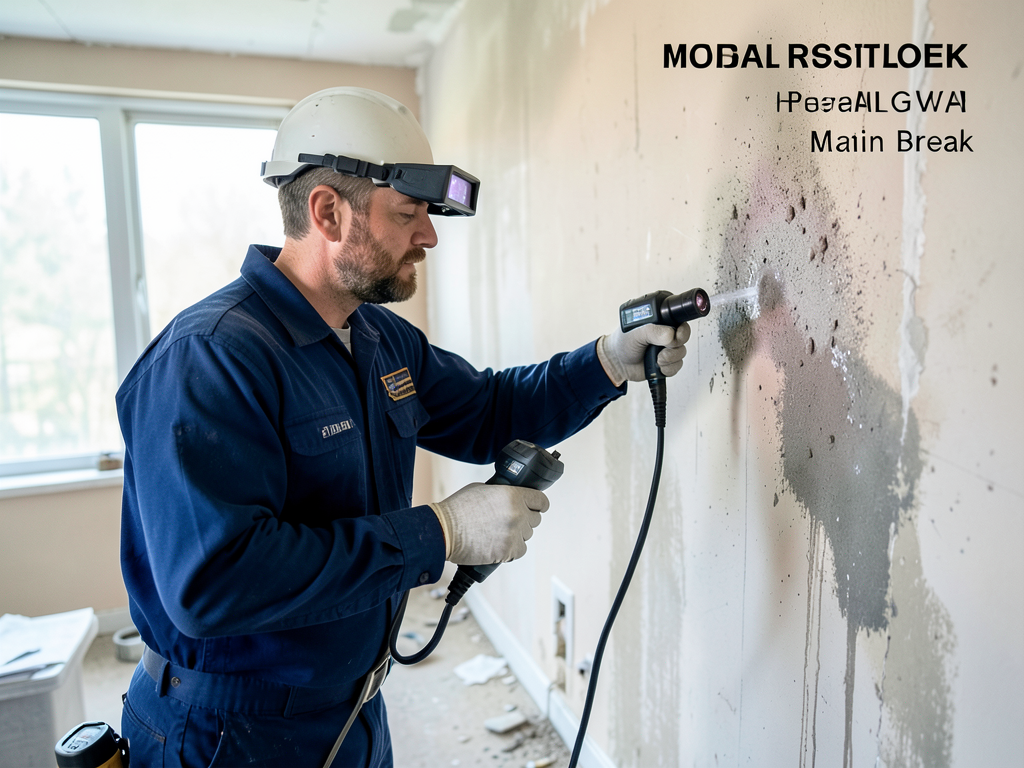
What to do if an MLGW water main break floods your North Memphis property When…
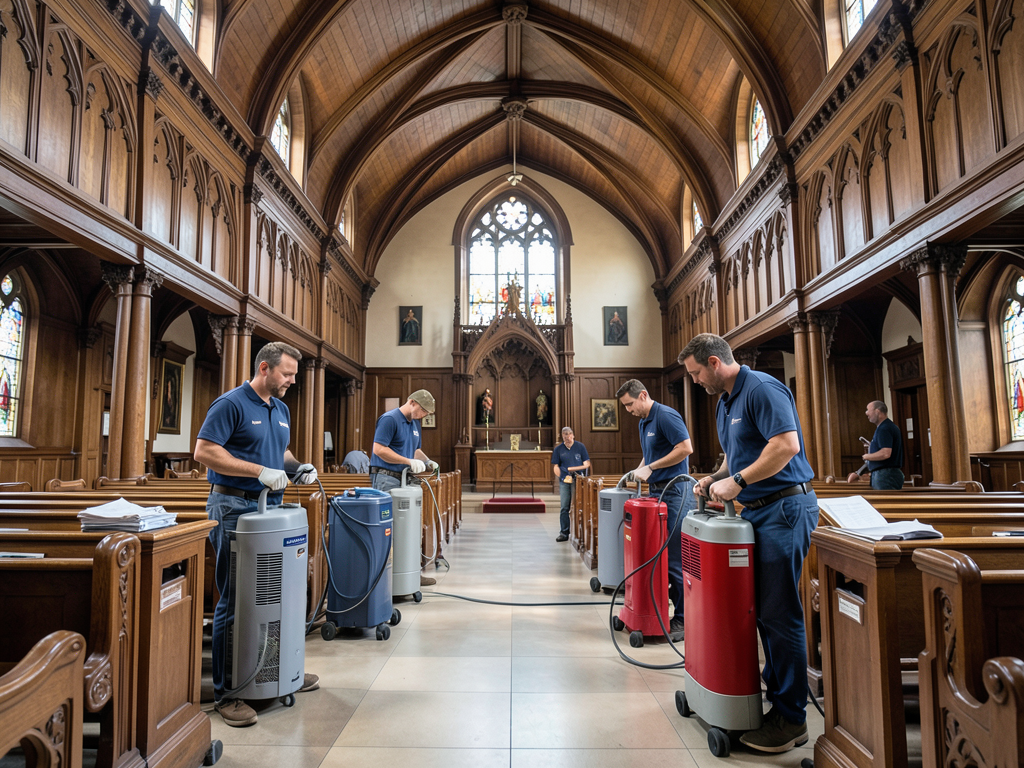
Handling Water Damage and Mold in Historic Memphis Churches and Community Halls When water breaches…
Water damage spreads every minute you wait. Our crews respond 24/7 to Atoka properties, typically arriving within 90 minutes. Call (901) 640-3133 now for immediate dispatch and stop the damage before it gets worse.