


Arlington sits in the Mississippi River floodplain where seasonal storms dump heavy rainfall and saturate clay soils that push water toward foundations. Spring thunderstorms can deliver two inches of rain in under an hour, overwhelming gutters and seeping into crawl spaces. The Wolf River watershed drains through this area, raising water tables after prolonged precipitation.
Most Arlington homes were built between 1970 and 2000 with concrete slab foundations or pier and beam construction. Both designs are vulnerable when grading directs runoff toward the structure or when aging plumbing fails inside walls. Clay soil doesn't absorb water quickly, so surface flooding pools around homes near Highway 70 and Airline Road.
Winter freezes are infrequent but damaging. When temperatures drop below 25 degrees for more than six hours, exposed pipes in attics and exterior walls can burst. The thaw creates sudden flooding that soaks insulation, drywall, and subfloors. Without immediate water extraction and dehumidification, mold colonizes damp materials within 48 hours. Arlington's humid subtropical climate provides perfect conditions for microbial growth year-round, making fast response critical for any water intrusion.
We've restored hundreds of Arlington properties since establishing operations in Shelby County. Our response time averages under 90 minutes for emergency calls because we stage equipment throughout the greater Memphis metro. When you call at 2 AM with a flooded basement, you reach a live technician who dispatches a crew immediately, not an answering service that waits until morning.
Our approach combines speed with documentation precision. Insurance claims require detailed moisture mapping, material inventories, and mitigation timelines. We photograph every affected area, log moisture readings with calibrated meters, and provide same-day preliminary reports to your adjuster. This documentation protects your claim and speeds approval for necessary repairs.
We own our extraction and drying equipment outright, from truck-mounted pumps that remove thousands of gallons per hour to low-grain refrigerant dehumidifiers that pull moisture from structural cavities. We don't rent equipment or wait for availability. Every crew truck carries thermal imaging cameras to detect hidden moisture behind walls and under flooring. We find water other companies miss.
Our technicians hold IICRC certifications in water damage restoration and applied structural drying. They understand psychrometry, the science of moisture movement through building materials. They know when to remove wet drywall versus when controlled drying can save it. This expertise prevents unnecessary demolition while ensuring thorough remediation. We work throughout Arlington, from the neighborhoods near Pleasant Ridge Park to properties along Chester Levee Road, adapting our approach to each structure's age, construction type, and damage severity.

Our crews reach Arlington properties in under 90 minutes for emergency water damage calls. We dispatch immediately, arrive with industrial extraction equipment, and start mitigation while other companies are still scheduling appointments. Water damage worsens every hour. We stop it fast.

We document every detail insurance adjusters require, from moisture readings to material inventories. Our preliminary reports go to your carrier within 24 hours, speeding claim approval. We've worked with every major insurer and know exactly what documentation protects your settlement.
Every technician holds Institute of Inspection Cleaning and Restoration Certification in water damage restoration and applied structural drying. They understand moisture science, use calibrated detection equipment, and follow industry protocols that ensure complete remediation without unnecessary demolition.
We know Arlington's construction patterns, from slab foundations near Highway 70 to crawl space homes in older neighborhoods. We understand how clay soil affects drainage and where flooding concentrates during storms. This local knowledge makes our mitigation strategies faster and more effective.
Victory Water Damage Restoration Memphis handles every type of water intrusion, from clean water supply line breaks to category three sewage backups. Our service range covers immediate emergency response through final restoration and reconstruction. We deploy different equipment and protocols based on water source, contamination level, and affected materials.
Emergency water removal uses truck-mounted extraction systems and portable pumps to remove standing water within hours of arrival. Structural drying employs industrial dehumidifiers, air movers, and heat injection to pull moisture from framing, insulation, and subfloors. We monitor progress with daily moisture readings until materials return to dry standard.
Our restoration work includes antimicrobial treatment for contaminated water exposure, contents pack-out and storage during drying, and reconstruction from drywall replacement to complete kitchen rebuilds. We coordinate with your insurance throughout the process, providing documentation and working within approved scopes. Arlington properties often require different approaches based on age and construction type. We adapt our methods to match your structure.
When water floods your Arlington property, we arrive with truck-mounted pumps and portable extractors that remove thousands of gallons per hour. Our crews extract standing water, pull saturated carpets, and remove unsalvageable materials immediately. We document the damage with photos and moisture readings, then start structural drying equipment to prevent secondary damage. Fast extraction stops water from wicking into walls and prevents flooring delamination.
Removing visible water is just the start. Moisture hides in wall cavities, insulation, and subfloors where it feeds mold growth. We use thermal imaging to map wet areas, then position industrial dehumidifiers and air movers to create controlled drying conditions. Daily moisture readings track progress until every material reaches dry standard. Proper structural drying prevents mold, rot, and long-term damage that appears months after flooding.
After drying completes, we rebuild damaged areas to pre-loss condition. Our crews handle everything from drywall and paint to flooring installation and cabinet replacement. We coordinate with insurance adjusters, provide detailed estimates, and complete work within approved scopes. You get one company managing the entire process from emergency response through final walkthrough, eliminating the coordination headaches of managing multiple contractors.
Arlington's climate and construction patterns create predictable water damage scenarios. Heavy spring storms overwhelm drainage systems, pushing water through foundation cracks and under door thresholds. Clay soil doesn't absorb rainfall quickly, so surface water pools against homes and seeps into crawl spaces. Aging infrastructure means supply line failures and water heater ruptures happen frequently in neighborhoods built 30 to 50 years ago.
Humidity levels stay high from April through October, accelerating mold growth when materials get wet. Even minor leaks from roof damage or plumbing failures create conditions for microbial colonies. Many Arlington homes have limited attic ventilation, trapping moisture that condenses on sheathing during temperature swings. These chronic moisture issues compound when acute flooding occurs, requiring aggressive dehumidification and antimicrobial treatment.
Aging galvanized pipes and failing water heater connections flood homes with hundreds of gallons before shutoffs engage. Supply line breaks release clean water under pressure, saturating drywall, insulation, and flooring rapidly. Fast extraction and structural drying prevent permanent damage, but delays allow water to wick through walls and compromise framing.
Heavy rainfall overwhelms gutters and grading, pushing water into crawl spaces and basements. Clay soil prevents absorption, creating standing water against foundations. Groundwater intrusion carries contaminants and requires category two water protocols with antimicrobial treatment. Wet insulation and subflooring become mold reservoirs within 48 hours without professional drying.
Blocked sewer lines cause toilets and drains to overflow with category three black water containing pathogens and chemicals. These backups require complete removal of porous materials like carpet and drywall, plus thorough antimicrobial treatment of all surfaces. Sewage contamination creates health hazards that demand immediate professional remediation following IICRC S500 standards.
Slow leaks behind walls or under flooring go unnoticed until mold appears or materials fail. Thermal imaging reveals moisture patterns invisible to visual inspection. Hidden water damage often affects more area than surface evidence suggests, requiring invasive inspection and controlled demolition. Early detection through moisture mapping prevents extensive remediation costs.
Water damage creates stress and uncertainty. You're dealing with flooding at the worst possible time, often late at night or during weekends. Our process removes confusion and gets you answers immediately. When you call our emergency line, you speak directly with a technician who asks specific questions about the water source, affected areas, and immediate dangers. We dispatch a crew while you're still on the phone.
Our first priority is stopping the damage. We shut off water sources, extract standing water, and document conditions for insurance. You receive a preliminary assessment within hours showing what's damaged, what's salvageable, and what happens next. We explain the drying process, timeline expectations, and insurance coordination in plain language. No surprises, no waiting days for information. You know where you stand from the first hour.
Our crews arrive in under 90 minutes with extraction equipment ready to deploy. We walk through affected areas, document damage with photos and moisture readings, then explain what needs to happen immediately versus what can wait. You get a clear picture of the damage scope and initial mitigation steps before any work starts. We identify structural concerns, electrical hazards, and contamination issues that affect safety.
Structural drying takes three to seven days depending on materials and damage extent. We check moisture levels daily and explain what the readings mean. You receive updates showing drying progress and timeline adjustments based on actual conditions. We coordinate with your insurance adjuster, provide required documentation, and answer questions as they arise. You're never waiting days wondering what's happening.
Insurance claims require specific documentation to avoid disputes and delays. We photograph damage, log moisture readings, inventory affected materials, and create detailed estimates using Xactimate software most carriers require. Your adjuster receives preliminary reports within 24 hours and final documentation after drying completes. We've worked hundreds of claims and know exactly what information prevents coverage problems.
Every water damage situation follows the same scientific principles. Remove standing water, dry affected materials to standard levels, then restore damaged areas. Speed matters because water migrates through materials and mold colonizes damp surfaces within 48 hours.
We arrive with truck-mounted pumps and portable extractors, removing standing water within hours. Crew members pull saturated carpets, move furniture to dry areas, and extract water from padding and subfloors. We document pre-mitigation conditions with photos and moisture mapping using calibrated meters. Initial extraction prevents water from wicking higher into walls and reduces overall drying time by days.
Industrial dehumidifiers and air movers create controlled drying conditions targeting specific moisture levels in different materials. We position equipment based on psychrometric calculations and building layout. Thermal imaging identifies hidden moisture in wall cavities and ceiling spaces. Daily readings track progress, with adjustments to equipment placement and settings based on actual drying rates. Materials must reach dry standard before reconstruction starts.
After drying completes and antimicrobial treatment finishes on contaminated water jobs, we rebuild damaged areas. This includes drywall replacement, flooring installation, paint, trim, and any other materials removed during mitigation. We work from insurance-approved estimates and provide warranties on our reconstruction work. Final walkthrough ensures everything meets your approval before project closeout.
Professional water damage restoration follows IICRC S500 Standard and Reference Guide for Professional Water Damage Restoration. This protocol classifies water by contamination level and defines required remediation procedures. Category one water comes from sanitary sources like supply lines and requires standard extraction and drying. Category two water contains contamination from sources like washing machine overflows or toilet tank leaks, requiring antimicrobial treatment and selective material removal. Category three black water from sewage backups or flooding contains pathogens and demands complete removal of porous materials plus thorough disinfection.
Tennessee doesn't require state licensing for water damage restoration contractors, making IICRC certification the primary credential indicating proper training. Our technicians complete Applied Structural Drying courses covering psychrometry, moisture detection, and equipment operation. They understand vapor pressure differentials, how temperature affects drying rates, and when materials require removal versus in-place drying.
Proper restoration also follows class designations based on evaporation rate and surface area. Class one affects minimal area with slow evaporation materials. Class four involves specialty drying for materials like hardwood, plaster, and stone that require specific techniques. Arlington's high humidity during summer months slows natural evaporation, making mechanical dehumidification essential for preventing secondary damage.
Insurance coverage depends on water source and maintenance factors. Sudden supply line failures typically receive full coverage while long-term seepage from deferred maintenance may face denials. Flood damage from external sources requires separate flood insurance through NFIP. We document water sources thoroughly to support your claim and prevent coverage disputes based on damage categorization.
Thermal imaging cameras detect temperature differentials indicating hidden moisture behind walls and under flooring. Penetrating and non-penetrating moisture meters measure water content in wood, drywall, and concrete. Daily readings track drying progress and identify areas requiring additional attention. Technology finds moisture visual inspection misses.
Structural drying typically requires three to seven days depending on materials affected and damage extent. Hardwood flooring and plaster demand longer timelines than drywall and carpet. Equipment needs scale with square footage and moisture levels. Adequate dehumidification capacity and air movement are critical for meeting target drying times.
Water source determines contamination category and required remediation. Category three black water requires removal of all porous materials including carpet, padding, drywall, and insulation that contacted contaminated water. Category two water may allow in-place drying with antimicrobial treatment. Proper classification prevents health hazards and ensures complete remediation.
This video explains professional water damage restoration procedures for Arlington, Tennessee homeowners facing flooding emergencies. Topics include emergency water extraction methods, structural drying timelines, moisture detection technology, IICRC remediation standards, and insurance claim documentation requirements. Viewers learn how water damage professionals stop flooding, prevent mold growth, and restore properties using industrial dehumidification equipment. The video covers Arlington-specific risks including clay soil drainage issues and seasonal storm patterns.
Victory Water Damage Restoration Memphis serves all Arlington neighborhoods, from established homes near Pleasant Ridge Park to newer developments along Highway 70. We respond throughout the area between Airline Road and the Fayette County line, covering properties in both residential subdivisions and rural settings along Chester Levee Road.
Water damage patterns vary across Arlington based on elevation, soil conditions, and construction era. Homes in lower elevation areas near the Wolf River watershed face higher groundwater intrusion risks during heavy spring rains. Properties built in the 1970s and 1980s along older sections of Highway 70 often have aging plumbing systems more prone to supply line failures. Newer construction in subdivisions north of the Canadian National railway typically features better grading and drainage but can still flood during the severe thunderstorms that hit Shelby County from March through June.
We know Arlington's geography intimately. Our crews understand which areas flood first during storms, where clay soil creates persistent drainage problems, and how different foundation types respond to water intrusion. This local knowledge speeds our assessment and mitigation response. When you call from the neighborhoods near Donelson Creek or properties closer to Lakeland, we know the terrain, typical construction methods, and fastest routes for emergency dispatch.
Our service area extends throughout greater Shelby County, including Lakeland, Millington, and eastern Memphis neighborhoods. We maintain response capabilities across the region while focusing our expertise on Arlington's specific water damage challenges. Whether you're dealing with a burst pipe in a home near the Arlington Community Center or storm flooding affecting properties along the Loosahatchie River corridor, our crews arrive equipped with the right tools and local understanding to handle your specific situation efficiently.
Most water damage restoration projects in Arlington TN take 3 to 7 days to complete. The timeline depends on the extent of damage, the number of affected rooms, and the materials involved. Minor incidents like a small leak finish in 2 to 3 days. Major flooding from storms or burst pipes takes 5 to 7 days or longer. Structural drying alone requires 3 to 5 days. Your restoration team monitors moisture levels daily to ensure complete drying before reconstruction begins.
Water damage restoration pricing in Arlington varies based on the damage severity, affected square footage, and water type. Clean water from supply lines typically costs less to remediate than contaminated water from sewage backups. Small bathroom incidents start at lower price points, while whole-home flooding requires significantly more resources. Most Arlington restoration companies provide free inspections and written estimates before starting work. Your insurance coverage often determines your out-of-pocket expenses.
Most homeowner's insurance policies in Arlington TN cover sudden and accidental water damage. This includes burst pipes, appliance malfunctions, and roof leaks from storms. Your policy likely excludes gradual damage from long-term leaks or flooding from external sources. You need separate flood insurance for river or creek overflow. Review your policy details and contact your insurance agent immediately after discovering water damage. Document everything with photos before cleanup begins.
Most water damage restoration projects in Arlington TN take 3 to 7 days to complete. The timeline depends on the extent of damage, the number of affected rooms, and the materials involved. Minor incidents like a small leak finish in 2 to 3 days. Major flooding from storms or burst pipes takes 5 to 7 days or longer. Structural drying alone requires 3 to 5 days. Your restoration team monitors moisture levels daily to ensure complete drying before reconstruction begins.
Water damage restoration pricing in Arlington varies based on the damage severity, affected square footage, and water type. Clean water from supply lines typically costs less to remediate than contaminated water from sewage backups. Small bathroom incidents start at lower price points, while whole-home flooding requires significantly more resources. Most Arlington restoration companies provide free inspections and written estimates before starting work. Your insurance coverage often determines your out-of-pocket expenses.
Most homeowner's insurance policies in Arlington TN cover sudden and accidental water damage. This includes burst pipes, appliance malfunctions, and roof leaks from storms. Your policy likely excludes gradual damage from long-term leaks or flooding from external sources. You need separate flood insurance for river or creek overflow. Review your policy details and contact your insurance agent immediately after discovering water damage. Document everything with photos before cleanup begins.
You need emergency water damage restoration in Arlington when you face active flooding, sewage backups, or ceiling leaks. Standing water spreading across floors requires immediate attention. Water dripping from light fixtures creates electrical hazards. Wet drywall or carpet that stays damp beyond 24 hours leads to mold growth. Burst pipes during freezing weather need urgent response. If water damage threatens your home's structure or poses health risks, call a restoration company right away.
Water mitigation is the first response that stops damage from spreading. This includes water extraction, emergency board-up, and initial drying. Mitigation happens within the first 24 to 48 hours. Water damage restoration is the complete process that includes mitigation plus repairs, rebuilding, and returning your Arlington home to pre-damage condition. Restoration involves replacing drywall, flooring, and damaged materials. Think of mitigation as emergency response and restoration as the full recovery process.
Whether you stay home during water damage restoration in Arlington depends on the damage extent and affected areas. Minor damage to one bathroom or room allows you to stay. Whole-home flooding with multiple affected rooms makes staying difficult and uncomfortable. Sewage contamination requires you to leave for health and safety reasons. Extensive mold growth also requires temporary relocation. Your restoration company assesses your specific situation and recommends the safest option for your family.
Call a water damage restoration company in Arlington within the first hour after discovering flooding. Water spreads quickly through flooring, walls, and furniture. Mold spores begin growing within 24 to 48 hours in damp conditions. The faster you respond, the less damage occurs and the lower your restoration needs. Even if flooding happens at night or on weekends, contact an emergency restoration service immediately. Waiting even a few hours increases damage severity and costs.
Arlington TN water damage restoration companies use industrial-grade extraction equipment to remove standing water. Air movers create rapid airflow to dry surfaces. Dehumidifiers pull moisture from the air and materials. Moisture meters and infrared cameras detect hidden water in walls and floors. HEPA air scrubbers remove contaminants and odors. Antimicrobial treatments prevent mold growth. Specialized drying mats work on hardwood floors. This professional equipment works faster and more thoroughly than household fans or shop vacuums.
Prevent mold growth in your Arlington home by acting within 24 hours of water damage. Remove standing water immediately. Increase air circulation with fans. Run dehumidifiers to reduce humidity below 50 percent. Remove wet materials like carpet padding, insulation, and drywall that stay saturated. Clean and disinfect all affected surfaces. Monitor humidity levels daily. Professional restoration companies apply antimicrobial treatments to high-risk areas. Never seal wet materials behind walls or under flooring.
Yes, most water damage restoration companies in Arlington TN work directly with insurance adjusters. They document damage with photos and detailed reports. Experienced companies understand insurance claim requirements and submit necessary paperwork. They communicate with your adjuster throughout the restoration process. Many provide direct billing to your insurance company. This partnership speeds up claim approval and reduces your stress. Choose a restoration company familiar with major insurance providers serving the Arlington area for smoother claim processing.
You need emergency water damage restoration in Arlington when you face active flooding, sewage backups, or ceiling leaks. Standing water spreading across floors requires immediate attention. Water dripping from light fixtures creates electrical hazards. Wet drywall or carpet that stays damp beyond 24 hours leads to mold growth. Burst pipes during freezing weather need urgent response. If water damage threatens your home's structure or poses health risks, call a restoration company right away.
Water mitigation is the first response that stops damage from spreading. This includes water extraction, emergency board-up, and initial drying. Mitigation happens within the first 24 to 48 hours. Water damage restoration is the complete process that includes mitigation plus repairs, rebuilding, and returning your Arlington home to pre-damage condition. Restoration involves replacing drywall, flooring, and damaged materials. Think of mitigation as emergency response and restoration as the full recovery process.
Whether you stay home during water damage restoration in Arlington depends on the damage extent and affected areas. Minor damage to one bathroom or room allows you to stay. Whole-home flooding with multiple affected rooms makes staying difficult and uncomfortable. Sewage contamination requires you to leave for health and safety reasons. Extensive mold growth also requires temporary relocation. Your restoration company assesses your specific situation and recommends the safest option for your family.
Call a water damage restoration company in Arlington within the first hour after discovering flooding. Water spreads quickly through flooring, walls, and furniture. Mold spores begin growing within 24 to 48 hours in damp conditions. The faster you respond, the less damage occurs and the lower your restoration needs. Even if flooding happens at night or on weekends, contact an emergency restoration service immediately. Waiting even a few hours increases damage severity and costs.
Arlington TN water damage restoration companies use industrial-grade extraction equipment to remove standing water. Air movers create rapid airflow to dry surfaces. Dehumidifiers pull moisture from the air and materials. Moisture meters and infrared cameras detect hidden water in walls and floors. HEPA air scrubbers remove contaminants and odors. Antimicrobial treatments prevent mold growth. Specialized drying mats work on hardwood floors. This professional equipment works faster and more thoroughly than household fans or shop vacuums.
Prevent mold growth in your Arlington home by acting within 24 hours of water damage. Remove standing water immediately. Increase air circulation with fans. Run dehumidifiers to reduce humidity below 50 percent. Remove wet materials like carpet padding, insulation, and drywall that stay saturated. Clean and disinfect all affected surfaces. Monitor humidity levels daily. Professional restoration companies apply antimicrobial treatments to high-risk areas. Never seal wet materials behind walls or under flooring.
Yes, most water damage restoration companies in Arlington TN work directly with insurance adjusters. They document damage with photos and detailed reports. Experienced companies understand insurance claim requirements and submit necessary paperwork. They communicate with your adjuster throughout the restoration process. Many provide direct billing to your insurance company. This partnership speeds up claim approval and reduces your stress. Choose a restoration company familiar with major insurance providers serving the Arlington area for smoother claim processing.
We are proud to serve the Memphis community and its surrounding areas. Our dedicated team is strategically located to ensure a swift response to your water damage emergency, no matter where you are. We invite you to view our service map to see our coverage area and find out how we can assist you. Rest assured, when you call Victory Water Damage Restoration Memphis, a professional is never far away. We are committed to being your local and reliable restoration partner.
Address:
Arlington, TN, 38002
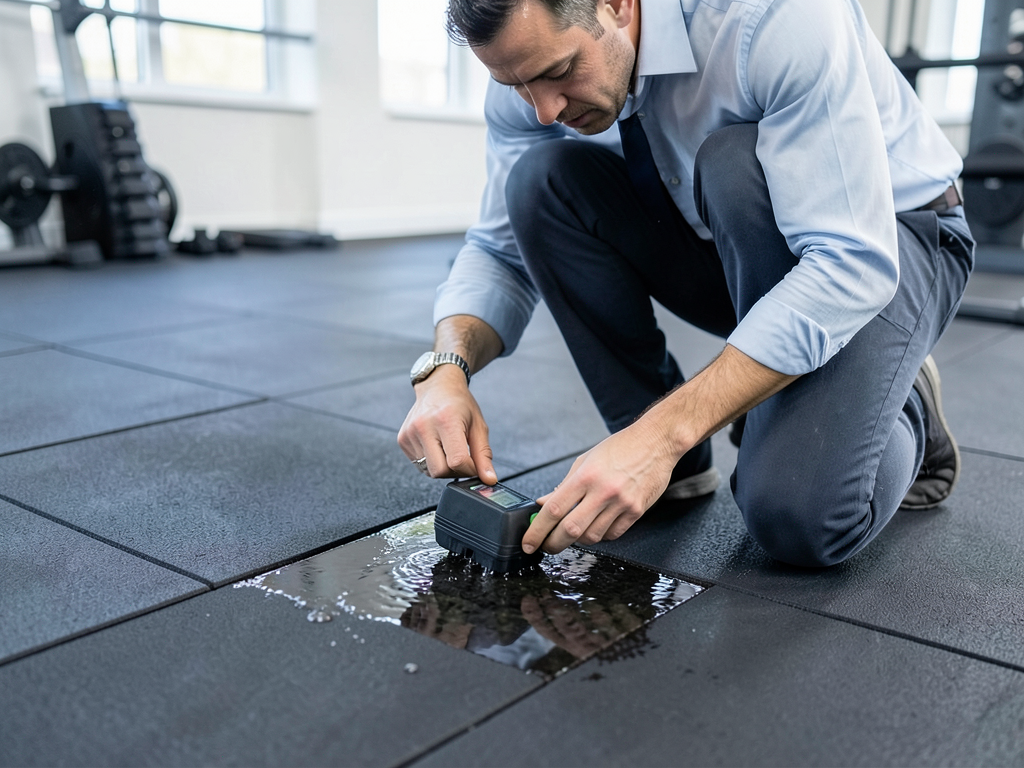
Saving rubber gym flooring and subflooring after a basement flood in Southwind When rubber gym flooring floods in Southwind basements, the water doesn't just sit on top. It seeps underneath the mats and into the…
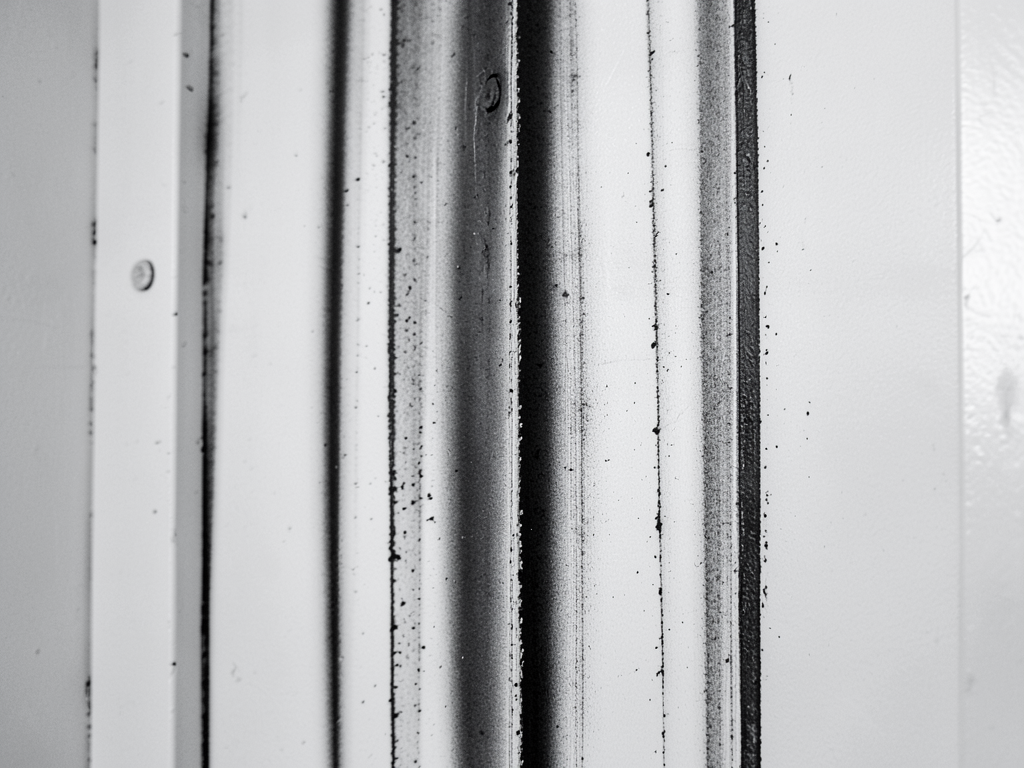
Why black streaks on your walls could mean you have a hidden moisture problem Black…
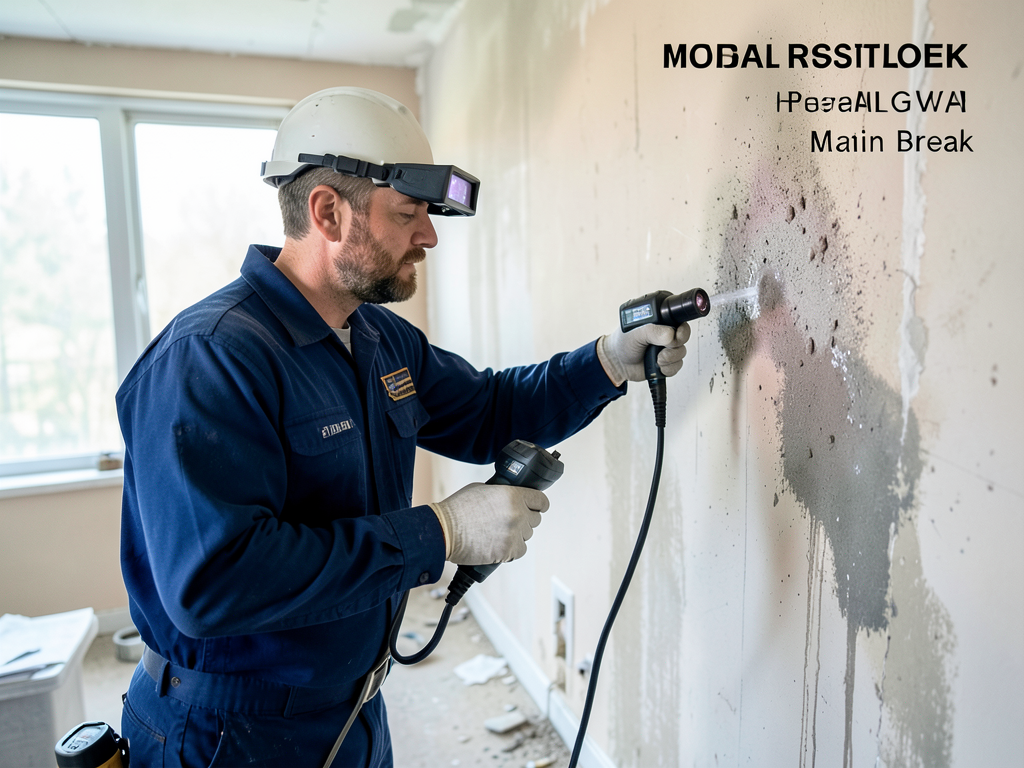
What to do if an MLGW water main break floods your North Memphis property When…
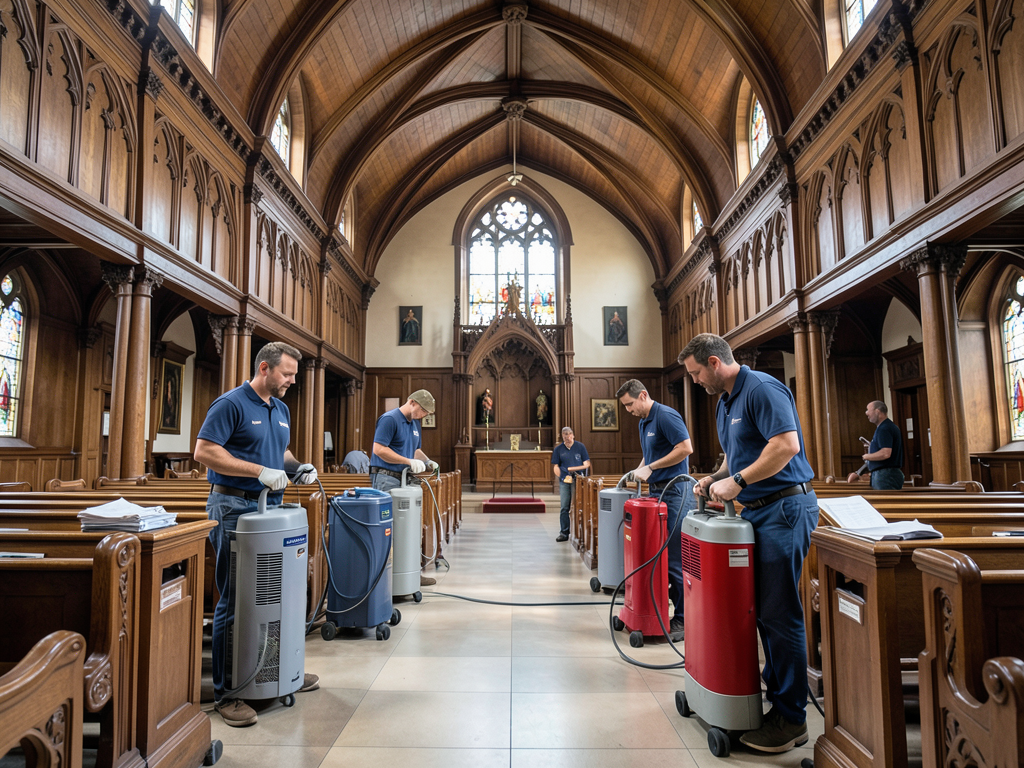
Handling Water Damage and Mold in Historic Memphis Churches and Community Halls When water breaches…
Water damage worsens every hour you wait. Call Victory Water Damage Restoration Memphis now at (901) 640-3133 for emergency response. Our crews are ready 24/7 with industrial equipment and insurance expertise to stop the damage and restore your Arlington property.