Menu

Hidden Moisture Detection in Memphis – Stop Structural Damage Before It Spreads

Advanced thermal imaging and hygrometer technology reveal trapped water behind walls, under floors, and above ceilings before mold colonies form and wood framing rots in Memphis homes and businesses.

Slider Image 1
Slider Image 2
Slider Image 3
Slider Image 4
Slider Image 5
Slider Image 7
Slider Image 8
Slider Image 9
Slider Image 10
Slider Image 11

Why Hidden Water Is Memphis's Silent Property Destroyer

You see no standing water. The carpet feels dry. But something smells wrong. That musty odor signals trapped moisture rotting your property from the inside out.

Memphis's subtropical humidity creates the perfect storm for concealed water damage. When summer temperatures hit 90 degrees with 70 percent humidity, even small leaks create invisible breeding grounds for mold and decay. The Mississippi River valley's moisture-heavy air means water vapor condenses inside wall cavities, under subflooring, and behind baseboards where you cannot see it.

Clay soil common throughout Shelby County shifts with seasonal rainfall cycles. This ground movement cracks foundation walls and lets groundwater seep into basements and crawlspaces. The water travels horizontally through concrete block, wicking up into wood framing where it sits for months.

Spotting hidden water damage requires more than pulling back carpet. Water follows gravity and capillary action into places that stay dark and enclosed. It saturates insulation, soaks drywall backing, and pools on top of vapor barriers where air never circulates.

Detecting invisible leaks early prevents catastrophic structural failure. A pinhole leak in supply plumbing can release gallons daily into wall cavities for years. By the time you see discoloration on drywall, the studs behind it are already compromised. Finding trapped water before visual symptoms appear saves you from replacing floor joists, wall framing, and subflooring.

Locating concealed dampness protects your investment. Identifying unseen water intrusion stops small problems from becoming five-figure reconstruction projects.

Why Hidden Water Is Memphis's Silent Property Destroyer
How Professional Moisture Detection Works

How Professional Moisture Detection Works

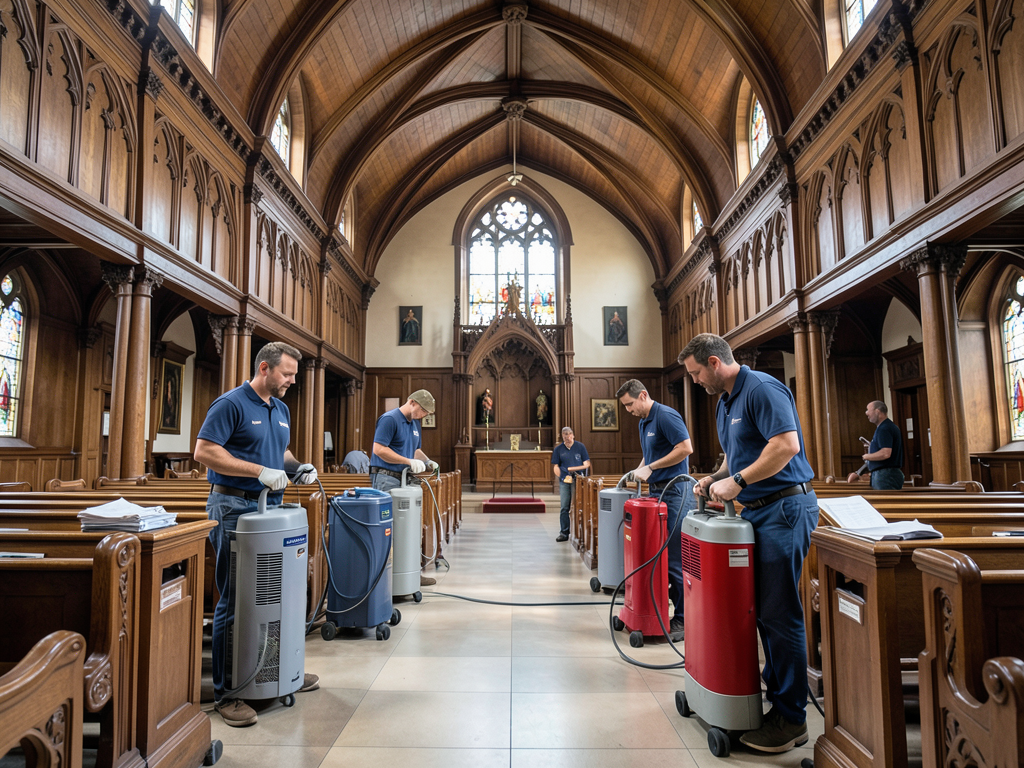
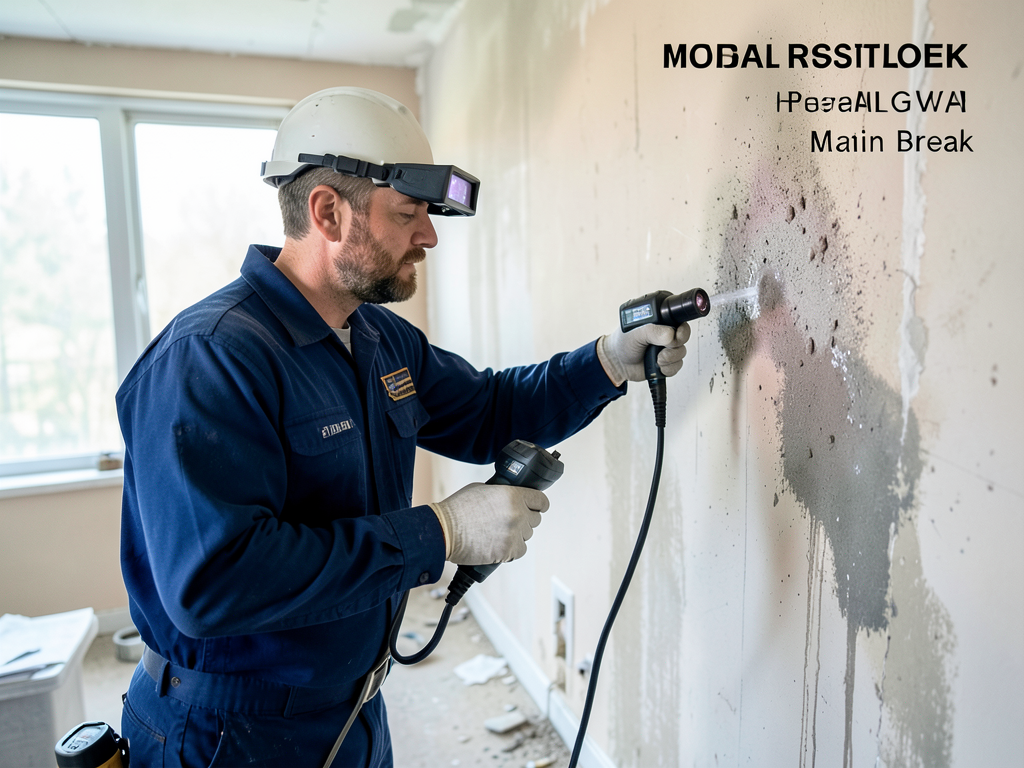
We use calibrated tools that detect moisture humans cannot sense. Infrared thermal imaging cameras reveal temperature differentials caused by evaporative cooling. Wet building materials appear as cold spots on the thermal image because evaporating water pulls heat from surfaces. This shows us exactly where moisture hides behind finished surfaces.

Pin-type moisture meters drive electrodes into wood, drywall, and concrete to measure electrical resistance. Water conducts electricity, so higher moisture content creates lower resistance readings. We document moisture percentages at multiple depths to map how far water has penetrated structural components.

Non-invasive scanning moisture meters use radio frequency signals to detect moisture up to three-quarters of an inch below surfaces without puncturing materials. These sensors work through tile, vinyl, and sealed concrete to find dampness under finished floors.

Thermo-hygrometers measure ambient humidity and temperature simultaneously. We compare readings between affected and unaffected areas to calculate vapor pressure differentials. This tells us whether moisture is evaporating from materials into the air or condensing from air onto cold surfaces.

Borescope cameras inspect inside wall cavities, above ceilings, and under floors through small access holes. The flexible fiber optic cable and LED light source let us visually confirm water presence and assess damage severity without destructive demolition.

We create moisture maps documenting wet areas, migration patterns, and saturation levels. These diagrams guide targeted drying and show insurance adjusters the full extent of damage. Accurate detection means we extract water from every affected area, not just visible wet spots. This prevents secondary damage and failed drying jobs that lead to callbacks and mold growth.

What Happens During Your Moisture Inspection

Hidden Moisture Detection in Memphis – Stop Structural Damage Before It Spreads
01

Initial Assessment and History

We walk through your property and document where you noticed problems like odors, stains, or buckled floors. You tell us about recent weather events, plumbing work, or appliance failures. We inspect visible water damage and identify likely source locations. This conversation helps us understand how long moisture may have been present and where to focus scanning efforts. We note construction type, building materials, and HVAC system details that affect moisture behavior.
02

Comprehensive Moisture Scanning

We scan walls, ceilings, and floors with thermal cameras and moisture meters in affected rooms and adjacent spaces. Water migrates horizontally and vertically, so we check above, below, and beside obvious problem areas. We take readings at multiple heights on walls to track wicking patterns. Floor scans follow grid patterns to map wet zones under finished surfaces. We document every reading with photos and written notes, creating a complete moisture profile of your property.
03

Detailed Reporting and Recommendations

You receive a written report with moisture readings, thermal images, and a floor plan marking all wet areas. We explain what materials are affected, how severe the saturation is, and what caused the problem. The report includes our recommended scope of work for water extraction, structural drying, and any necessary repairs. This documentation supports insurance claims and gives you a clear action plan. We answer your questions about timeline, process, and what to expect during remediation.

Why Memphis Property Owners Trust Liberty Water Damage Restoration Riverside

We understand how water behaves in Memphis buildings. Homes built on the bluff face different moisture challenges than properties in low-lying neighborhoods near McKellar Lake or Nonconnah Creek. Older homes in Cooper-Young and Midtown have plaster walls and pier-and-beam foundations that require different scanning techniques than newer construction in Cordova or Collierville.

Memphis building codes require specific moisture barriers and vapor retarders in crawlspaces. We know which construction methods and materials were standard in different eras of Memphis development. This local knowledge helps us predict where water travels and what building components are most vulnerable.

Our technicians receive ongoing training in moisture science and detection technology. We calibrate equipment regularly and follow IICRC S500 standards for water damage restoration. This technical expertise means we find moisture other companies miss and prevent recurring problems.

We work directly with Memphis-area insurance adjusters and understand local claim procedures. Our detailed documentation and moisture mapping help you get fair claim settlements. We know which carriers operate in Shelby County and what documentation they require for hidden moisture claims.

Speed matters with water damage. We dispatch technicians quickly to prevent moisture from spreading into additional building materials. The longer water sits, the more it wicks vertically through drywall and horizontally through wood framing. Fast response limits damage scope and restoration costs.

You get straightforward answers about what we find and what you need. We explain moisture readings in plain language and show you exactly where problems exist. No inflated scopes or unnecessary services. Just accurate detection and honest recommendations based on actual conditions in your property.

What Your Moisture Detection Service Includes

Response Time and Scheduling

We schedule moisture inspections within 24 hours of your call. Emergency situations get same-day response because water damage worsens by the hour. Inspection appointments typically take 60 to 90 minutes depending on property size and damage extent. We work around your schedule and provide advance notice before arrival. You do not wait days wondering how bad the problem is. We assess conditions quickly so you can make informed decisions about remediation. Weekend and evening appointments are available because moisture problems do not follow business hours.

Thorough Property Evaluation

Your inspection covers all potentially affected areas, not just visible damage locations. We scan adjacent rooms, floors above and below the problem area, and spaces sharing plumbing or HVAC systems. This comprehensive approach finds secondary moisture migration that limited inspections miss. We check inside cabinets, closets, and utility spaces where water often travels unnoticed. You receive readings from multiple locations showing exactly which materials are wet and how saturated they are. We explain what each reading means and what moisture levels are normal versus concerning for different materials.

Accurate Damage Documentation

Every inspection produces a written report with timestamped photos, thermal images, and moisture meter readings. You get a marked floor plan showing wet zones and moisture percentages for each affected area. This documentation package meets insurance company requirements and provides clear evidence of damage extent. The report includes material types, saturation levels, and affected square footage. We note environmental conditions like temperature and relative humidity that affect drying difficulty. This detailed record protects you during claims processes and provides baseline data for tracking drying progress.

Post-Remediation Verification

After water extraction and structural drying, we return to verify all materials have reached acceptable moisture levels. Final moisture readings confirm successful drying and show insurance companies the job is complete. This verification prevents mold growth from residual moisture and protects you from future problems. We provide written certification that materials meet industry dry standards. If any areas remain elevated, we continue drying until proper moisture levels are achieved. You get proof the problem is truly resolved, not just temporarily improved.

Frequently Asked Questions

You Have Questions,
We Have Answers

Why does my phone say moisture detected when there is no moisture? +

Your phone triggers false moisture alerts when debris, lint, or corrosion builds up in the charging port. Humidity exposure in Memphis can also leave residue that the sensor interprets as liquid. Try gently cleaning the port with a dry toothbrush or compressed air. If the alert persists after drying the phone in a low-humidity room for several hours, the sensor may be faulty. Avoid bypassing the warning without confirming the port is truly dry, as charging a wet device can cause permanent damage to internal components.

Do moisture detectors really work? +

Professional-grade moisture meters provide accurate readings when used correctly. Pin-type meters measure electrical resistance between two probes inserted into materials, while pinless models use radiofrequency to scan surfaces. Both detect elevated moisture levels in drywall, wood, and concrete. Consumer-grade devices vary in reliability. In Memphis homes, where high humidity and flood risks are common, professional technicians calibrate meters to material type and ambient conditions for precise results. Proper interpretation requires training, which is why restoration specialists use these tools during inspections to locate hidden water damage.

How to tell where moisture is coming from in a house? +

Start by checking areas prone to leaks in Memphis homes. Inspect around windows, roof valleys, and exterior walls after storms. Look for water stains, peeling paint, or soft drywall. Check under sinks, around toilets, and near water heaters for plumbing leaks. Use a moisture meter to scan walls and ceilings near problem areas. Basements and crawl spaces often show groundwater seepage, especially in neighborhoods with clay soil. If you cannot locate the source, thermal imaging cameras detect temperature changes caused by evaporating water, revealing leaks hidden behind finished surfaces.

Is there a tool to detect moisture in walls? +

Pin-type and pinless moisture meters detect water inside walls without demolition. Pin meters insert small probes through drywall to measure moisture content in framing. Pinless scanners use electromagnetic sensors to read moisture levels up to three-quarters of an inch deep. Thermal imaging cameras complement these tools by showing temperature variations that indicate wet areas. Professional restoration teams in Memphis use calibrated equipment to map moisture patterns, determine saturation levels, and verify drying progress. These tools prevent unnecessary wall removal while ensuring complete water extraction before reconstruction begins.

How do I bypass the moisture detection? +

Do not bypass moisture detection warnings on your phone. The alert protects your device from short circuits and corrosion. If you must charge immediately, use wireless charging, which avoids the wet port entirely. Otherwise, power off the phone and let it dry in a low-humidity environment for at least two hours. Place it near a fan, not in rice, which leaves dust in ports. In Memphis, where summer humidity tops 70 percent, indoor drying works better than outdoor air. Confirm the port is completely dry before reconnecting cables.

Will the moisture detection go away on its own? +

Moisture detection alerts on phones typically clear after the charging port dries completely. This process takes one to four hours in normal conditions but can extend longer in humid Memphis summers. The sensor resets automatically once resistance levels return to normal. If the warning persists beyond 24 hours despite thorough drying, the port may have corrosion or debris triggering false positives. Restart your phone after drying. Continued alerts suggest hardware damage requiring professional repair. Never ignore repeated warnings, as they indicate real risk of electrical shorts during charging.

What can throw off a moisture meter? +

Several factors cause false moisture meter readings. Metal fasteners, nails, and wiring create interference in pin-type meters. High ambient humidity in Memphis can elevate surface readings without actual water intrusion. Certain building materials like pressure-treated lumber or fire-retardant plywood contain chemicals that affect electrical resistance. Operator error, such as improper calibration or wrong material settings, skews results. Surface condensation from temperature differentials between indoor and outdoor air mimics water damage. Professional technicians account for these variables by cross-referencing multiple readings and using thermal imaging to confirm moisture presence.

How long do moisture sensors last? +

Quality moisture sensors in water detection systems last five to seven years with proper maintenance. Sensors exposed to frequent flooding or high humidity may fail sooner due to corrosion. Battery-powered units require replacement every two to three years as power sources degrade. Professional-grade moisture meters used by restoration technicians maintain accuracy for 10 years when calibrated annually. In Memphis homes, where seasonal humidity and storm risks are constant, sensors placed near water heaters, sump pumps, and washing machines need annual testing to verify function. Replace any sensor showing erratic readings or false alarms.

How do phones detect moisture? +

Smartphones use liquid contact indicators and electrical resistance sensors in charging ports. The port contains exposed metal contacts that complete a circuit during charging. When water bridges these contacts, resistance drops, triggering the moisture alert. The phone measures impedance changes in real time to prevent short circuits. Some models use multiple sensors throughout the device to detect liquid intrusion. In humid Memphis conditions, even condensation from temperature changes can activate this protection. The system errs on the side of caution, sometimes flagging minor moisture that poses minimal risk to components.

What are signs of high humidity in a home? +

Condensation on windows, especially during Memphis summers, signals excess indoor humidity. Musty odors in closets and cabinets indicate mold growth from sustained moisture. Peeling wallpaper or bubbling paint shows water vapor penetrating walls. Damp spots on ceilings or upper walls suggest roof leaks or attic condensation. Wood floors that cup or buckle absorb moisture from the air. Frequent respiratory irritation or allergy symptoms often worsen in high-humidity environments. Visible mold on bathroom ceilings, grout, or window frames confirms humidity problems. Use a hygrometer to measure levels, ideal range is 30 to 50 percent.

How Memphis's River Valley Climate Complicates Moisture Detection

Memphis sits in the Mississippi River floodplain where relative humidity averages 70 percent year-round. This constant atmospheric moisture makes building materials hygroscopic, meaning they continuously absorb and release water vapor. Drywall, wood framing, and insulation in Memphis homes naturally contain more moisture than the same materials in arid climates. Normal moisture content for wood in Memphis ranges from 12 to 15 percent, while truly dry wood measures 6 to 8 percent in desert environments. This elevated baseline makes identifying problematic moisture more complex because readings that would signal active water intrusion elsewhere might represent normal conditions here. Professional detection requires understanding these regional moisture norms and recognizing when readings exceed acceptable thresholds for local climate conditions.

Effective moisture detection in Memphis requires familiarity with local construction methods and common failure points. Many older Memphis homes have crawlspaces with insufficient ventilation and missing vapor barriers, creating chronic dampness problems. Brick veneer construction common throughout Shelby County can trap moisture behind exterior walls when weep holes clog or flashing fails. Foundation waterproofing standards have changed significantly over Memphis's development history, meaning older homes near Overton Park or the Vollentine-Evergreen neighborhood face different moisture challenges than newer construction in Germantown. Local expertise means knowing where to look, what moisture levels are abnormal for Memphis conditions, and which building components fail most frequently in our climate.
Water Damage Services in The Memphis Area

We are proud to serve the Memphis community and its surrounding areas. Our dedicated team is strategically located to ensure a swift response to your water damage emergency, no matter where you are. We invite you to view our service map to see our coverage area and find out how we can assist you. Rest assured, when you call Victory Water Damage Restoration Memphis, a professional is never far away. We are committed to being your local and reliable restoration partner.

Address:
Victory Water Damage Restoration Memphis, 1995 Union Ave, Memphis, TN, 38104

Additional Services We Offer

Our news updates

Latest Articles & News from The Blogs

What to do when the Wolf River floods your backyard or crawl space in Cordova Wolf River flooding in Cordova…

What to do when the Wolf River floods your backyard or crawl space in Cordova

What to do when the Wolf River floods your backyard or crawl space in Cordova Wolf River flooding in Cordova…

How to tell if that white powder on your brick basement walls is mold or just salt

How to tell if that white powder on your brick basement walls is mold or just salt Finding white powder…

Who is responsible for water damage in a Mud Island condo or townhome?

Understanding Condo Water Damage Responsibility in Mud Island Water damage in a Mud Island condo or townhome creates immediate stress…

Contact Us

Hidden moisture destroys property value while you wait. Call Liberty Water Damage Restoration Riverside at (901) 640-3133 for accurate moisture detection in Memphis. We find trapped water before it becomes a reconstruction project.