Menu

Water Stains on Drywall in Memphis – Expert Diagnosis Before Hidden Mold Spreads

Those brown water spots on walls and yellow stains on drywall signal active moisture problems that worsen fast in Memphis humidity. We identify the source, stop the damage, and restore your walls correctly.

Slider Image 1
Slider Image 2
Slider Image 3
Slider Image 4
Slider Image 5
Slider Image 7
Slider Image 8
Slider Image 9
Slider Image 10
Slider Image 11

Why Water Stains Appear on Memphis Drywall

You notice a brown water spot on your ceiling. Maybe it is small, the size of a quarter. You think it will dry on its own. It does not. Memphis sits at the confluence of the Mississippi River and Wolf River, which means humidity stays high year-round. That moisture feeds active water intrusion behind your drywall.

Water stains on drywall never appear without a reason. A roof leak above, a burst pipe inside the wall, or condensation from poor attic ventilation all leave moisture discoloration on sheetrock. The stain you see is the symptom. The real problem is the water source and the saturated material behind it.

Memphis homes built on the Mississippi floodplain face additional risk. Water tables rise during heavy rain, pushing moisture up through foundations. Older homes in Midtown and Cooper-Young have plaster over wood lath, which absorbs water faster than modern sheetrock. Newer construction in Germantown and Collierville uses standard gypsum board, but poor flashing around chimneys or skylights allows rainwater to seep into wall cavities.

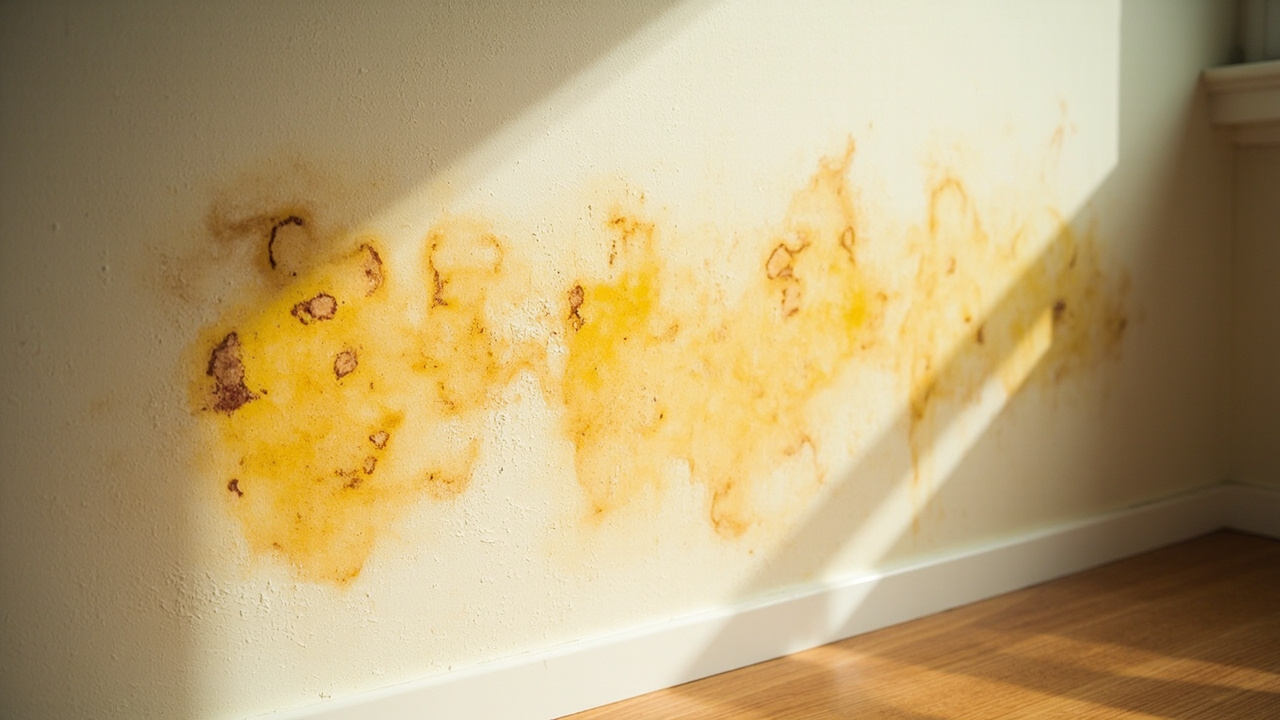
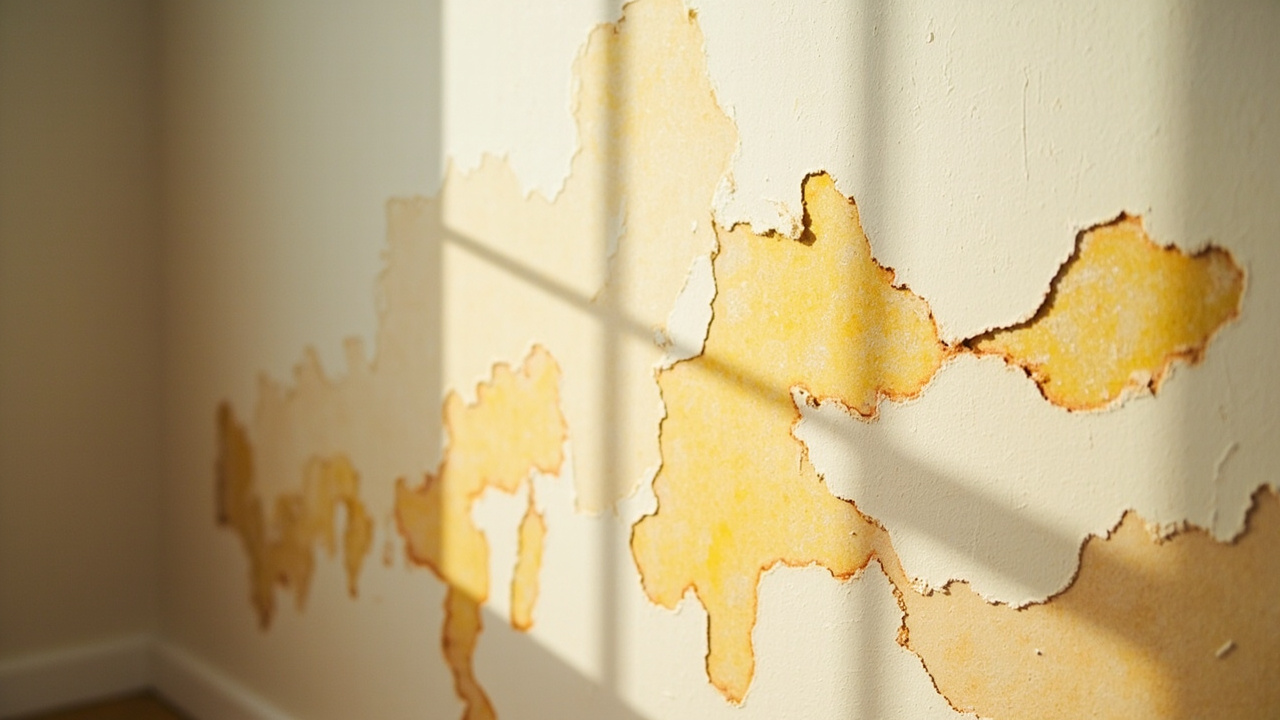
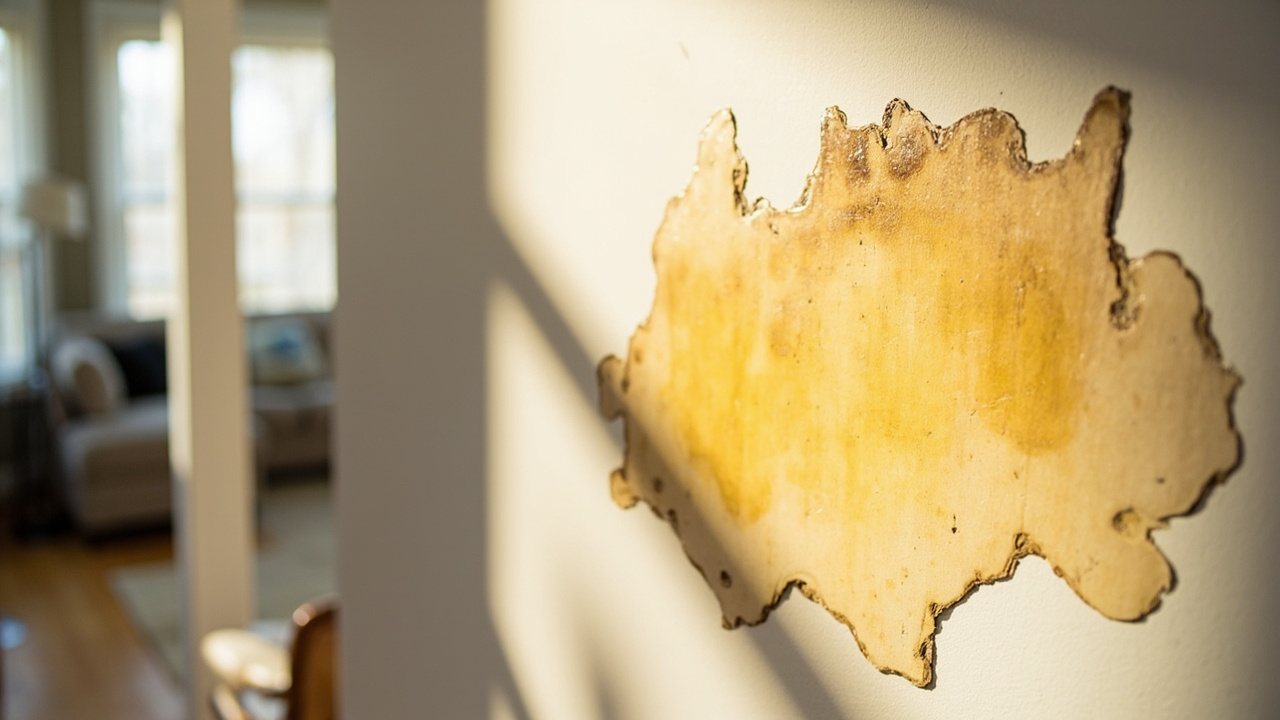
Yellow stains on drywall indicate slow leaks. Brown or rust-colored water marks on ceiling suggest contaminated water from a roof or attic issue. Wet patches on plasterboard that feel soft to the touch mean the gypsum core is breaking down. Once drywall stays wet for 48 hours, mold growth begins. You cannot see it yet, but it is there.

Ignoring water stains leads to structural damage, mold contamination, and higher repair costs. The stain will not disappear. It will spread.

Why Water Stains Appear on Memphis Drywall
How We Fix Water Stains and the Damage Behind Them

How We Fix Water Stains and the Damage Behind Them

Painting over water stains does nothing. The moisture remains, the stain bleeds through, and mold continues growing. Proper water damage restoration requires finding the source, drying the structure, and replacing compromised materials.

We start with thermal imaging cameras to detect moisture you cannot see. Infrared technology shows wet areas behind walls and above ceilings without cutting holes. We use moisture meters to measure water content in drywall, studs, and insulation. Readings above 17 percent indicate active damage. Readings above 20 percent mean microbial growth is likely.

Once we locate the source, we stop it. A roof leak gets temporary tarping until permanent repair. A burst supply line gets shut off at the main valve. A leaking drain line gets capped or replaced. You cannot dry a structure while water is still entering.

Next, we extract standing water with truck-mounted pumps and set up commercial dehumidifiers to pull moisture from the air. Air movers create circulation to dry studs, insulation, and framing. We monitor moisture levels daily. Drywall that registers below 12 percent moisture content is considered dry and stable.

We remove water-damaged drywall, not just the stained section. If the stain is six inches wide, the actual saturation zone extends two to three feet in all directions. We cut back to dry material and inspect the framing for rot or mold. Studs get treated with antimicrobial agents. Insulation that absorbed water gets removed and replaced.

Victory Water Damage Restoration Memphis uses professional drying equipment and follows IICRC S500 standards for water damage restoration. We do not guess. We measure, document, and verify that your structure is dry before reconstruction begins.

What Happens During Water Stain Restoration

Water Stains on Drywall in Memphis – Expert Diagnosis Before Hidden Mold Spreads
01

Source Identification and Containment

We arrive within hours and use thermal imaging to locate the water entry point. Stopping the source comes first, whether that means sealing a roof penetration, capping a broken pipe, or redirecting exterior drainage. We document all findings with photos and moisture readings for your insurance claim. Containment barriers prevent contamination from spreading to unaffected areas.
02

Structural Drying and Monitoring

High-velocity air movers and commercial dehumidifiers run continuously to pull moisture from wall cavities, ceilings, and floors. We take daily moisture readings using pin-type and non-invasive meters to track drying progress. Drying typically takes three to five days depending on saturation levels. We adjust equipment placement based on readings to ensure even drying across all affected materials.
03

Material Removal and Reconstruction

Once moisture readings confirm the structure is dry, we remove damaged drywall, insulation, and baseboards. Studs and framing get inspected for rot or mold. We apply antimicrobial treatment to all affected wood. New insulation goes in first, then new drywall installed, taped, and finished to match existing texture. We prime stained areas with stain-blocking sealer before final paint.

Why Memphis Property Owners Choose Us for Water Damage

Memphis water damage differs from other cities. You deal with Mississippi River humidity, aging housing stock in historic neighborhoods, and clay soil that shifts foundations. Generic restoration companies from Nashville or Jackson do not understand these factors. We do.

We know that homes in East Memphis built in the 1970s have polybutylene pipes prone to failure. We know that Midtown bungalows have crawl spaces that flood during heavy rain. We know that properties near the Wolf River or Nonconnah Creek face seasonal water table fluctuations. This knowledge changes how we approach diagnostics and repairs.

Local building codes in Shelby County require specific vapor barriers in crawl spaces and attic ventilation standards. We follow those codes. We also work directly with Memphis-area insurance adjusters who know our documentation process and trust our moisture readings. That speeds up your claim approval.

Victory Water Damage Restoration Memphis operates 24 hours a day because water damage does not wait for business hours. A pipe bursts at 2 a.m. on Sunday, and we are on-site by 3 a.m. with extraction equipment and thermal cameras. Speed matters. Every hour of delay increases drying time, mold risk, and total repair costs.

We use truck-mounted extraction units, not small shop vacuums. We deploy industrial dehumidifiers rated for 200-pint daily removal, not residential units. We have enough air movers to create proper circulation in homes up to 4,000 square feet. Equipment capacity determines drying speed, and we bring the right tools for Memphis-sized jobs.

You receive detailed moisture logs, thermal images, and scope documentation for your insurance company. We communicate directly with your adjuster and provide written estimates that match your policy coverage. No surprises, no hidden fees, no disputes over what is covered.

What to Expect During the Restoration Process

Response Time and Initial Assessment

We arrive within two hours of your call during normal business hours and within four hours for overnight emergencies. The initial assessment takes 30 to 60 minutes. We use thermal imaging and moisture meters to map the full extent of water intrusion, not just the visible stain. You receive a verbal summary on-site and written documentation within 24 hours. Emergency water extraction and source containment happen immediately to prevent further damage.

Moisture Testing and Drying Protocol

We take baseline moisture readings on day one and retest daily until all materials reach acceptable levels. Drywall should measure below 12 percent moisture content. Wood framing should measure below 15 percent. We adjust dehumidifier settings and air mover placement based on those readings. You receive a daily progress update via text or email. Most drying cycles complete within three to five days, but severe saturation or high humidity conditions can extend that timeline.

Reconstruction and Final Finish

Once drying is complete, we remove damaged materials and begin reconstruction. New drywall gets installed, taped, and textured to match your existing walls or ceilings. We use stain-blocking primer on all repaired areas to prevent bleed-through. Paint color matching happens on-site using your existing wall as the reference. Baseboards and trim get reinstalled last. The entire reconstruction phase typically takes two to four days depending on the size of the affected area.

Post-Restoration Documentation and Prevention

You receive a final moisture report showing all readings at safe levels, photo documentation of completed work, and a detailed invoice for your insurance claim. We also provide recommendations to prevent future water intrusion, such as gutter cleaning, roof flashing repair, or crawl space encapsulation. We do not offer formal warranties on drying services because we cannot control future water events, but we guarantee our reconstruction work meets or exceeds industry standards for material quality and workmanship.

Frequently Asked Questions

You Have Questions,
We Have Answers

How do you get water stains out of drywall? +

First, fix the source of the water. You cannot remove a stain if moisture keeps feeding it. Once dry, apply a stain-blocking primer like Kilz or BIN shellac-based primer to seal the stain. This prevents bleed-through when you paint. Memphis homes with older drywall or high humidity may need two primer coats. After priming, repaint with your wall color. If the stain persists or the drywall feels soft, you likely have hidden water damage that requires professional drywall replacement and moisture inspection.

How to tell if water is leaking behind drywall? +

Look for discoloration, bubbling paint, or soft spots on your drywall. Memphis homes often show water stains near exterior walls after heavy rain or in bathrooms due to high humidity. Press gently on the wall. If it feels spongy or crumbles, water is present. Check for musty odors, peeling texture, or warped baseboards. You may notice higher water bills if a pipe leaks continuously. Thermal imaging cameras detect hidden moisture, but a professional inspection is the most reliable way to locate the exact leak source behind your walls.

Are water stains permanent on walls? +

Water stains are not permanent if you treat them correctly. The visible stain comes from minerals, tannins, or mold in the water. Once you stop the water source and dry the area completely, you can prime and repaint to eliminate the stain. Memphis residents dealing with roof leaks or plumbing failures should act quickly. If you ignore the stain, mold grows, drywall deteriorates, and the damage becomes structural. Permanent fixes require stopping the water, drying thoroughly, priming with stain-blocking primer, and repainting.

Is drywall ruined once it gets wet? +

Drywall can survive minor water exposure if you dry it within 24 to 48 hours. If water saturates the drywall or sits for days, the paper backing delaminates, the gypsum core crumbles, and mold colonizes. Memphis homes with humidity above 60 percent face faster deterioration. If your drywall feels soft, smells musty, or shows mold spots, replacement is necessary. Small surface splashes may dry without damage, but flooding, burst pipes, or roof leaks typically require professional drywall removal and remediation to prevent mold and structural failure.

Can I paint over water stains on drywall? +

Do not paint directly over water stains. The stain will bleed through your new paint, wasting time and money. First, eliminate the water source and dry the drywall completely. Apply a stain-blocking primer designed for water damage. Shellac-based or oil-based primers work best for Memphis homes with stubborn stains from roof leaks or pipe bursts. Let the primer dry fully, then apply your finish paint. If the drywall is soft or shows mold, painting is not an option. You need professional drywall replacement.

How to get rid of a water stain on a wall? +

Stop the water source first. Dry the area with fans and dehumidifiers for 24 to 48 hours. Memphis humidity slows drying, so monitor moisture levels with a meter. Once dry, apply a stain-blocking primer like Kilz or BIN to seal the stain. Use two coats if needed. After the primer dries, repaint the wall with your chosen color. If the stain returns or the wall feels damaged, you have hidden moisture or mold. Professional water damage restoration ensures complete drying and prevents future mold growth.

How long can drywall be wet before mold? +

Mold can start growing on wet drywall within 24 to 48 hours. Memphis homes face accelerated mold growth due to high humidity and warm temperatures, especially in summer. Mold spores are always present in the air. When drywall stays wet, spores germinate and spread rapidly. If you experience a water leak, pipe burst, or roof damage, dry the drywall immediately with industrial fans and dehumidifiers. If mold appears or the drywall remains wet beyond 48 hours, call a professional for mold remediation and drywall replacement.

Can plumbers detect leaks behind walls? +

Yes, plumbers use specialized tools to detect leaks behind walls. Acoustic leak detectors listen for water movement. Infrared cameras identify temperature changes caused by moisture. Moisture meters measure water levels inside drywall without destructive testing. Memphis plumbers often combine methods to pinpoint leaks in older homes with galvanized or copper pipes. Once located, the plumber accesses the pipe through a small access hole, repairs the leak, and recommends drywall restoration. Detecting leaks early prevents mold, structural damage, and high water bills.

Does home insurance cover leak detection? +

Most homeowners insurance policies cover sudden and accidental water damage, like burst pipes or appliance failures. Leak detection itself may not be covered, but the resulting damage often is. Memphis homeowners should review their policy for coverage limits and exclusions. Insurance typically does not cover damage from gradual leaks, lack of maintenance, or flooding. If you discover a hidden leak causing water stains, document everything with photos and contact your insurer immediately. A water damage restoration professional can provide documentation to support your claim.

Why do I have water marks on my walls but no leak? +

Water marks without an obvious leak often come from condensation, high humidity, or past water events that dried but left stains. Memphis homes with poor ventilation or air conditioning issues develop condensation on walls, especially in bathrooms and kitchens. Roof leaks may occur only during heavy rain, leaving stains that appear random. Plumbing leaks can be intermittent or hidden behind walls. Check your attic after storms, inspect crawl spaces, and monitor humidity levels. A moisture meter or thermal imaging camera reveals hidden moisture sources before mold develops.

Memphis Humidity and Aging Housing Make Water Stains More Dangerous

Memphis averages 54 inches of annual rainfall and maintains year-round relative humidity above 60 percent. That combination accelerates mold growth once drywall gets wet. Homes in Midtown, Cooper-Young, and East Memphis were built between 1920 and 1980, which means aging plumbing, outdated roof systems, and minimal attic ventilation. Water stains on drywall in these neighborhoods often indicate multiple problems, not just a single leak. Brown water spots on walls may trace back to corroded galvanized pipes. Yellow stains on drywall near bathrooms suggest leaking wax rings or drain lines. Wet patches on plasterboard in upper floors point to roof penetrations or ice dam damage during rare Memphis freezes.

Shelby County building codes require proper moisture barriers and ventilation in all new construction, but older homes were not built to those standards. Victory Water Damage Restoration Memphis understands the construction methods used in each Memphis neighborhood and adapts our diagnostic approach accordingly. We know which homes have plaster versus drywall, which subdivisions used polybutylene piping, and which areas face chronic foundation settlement due to clay soil. That local knowledge helps us find hidden moisture problems faster and prevents recurring water damage after repairs are complete.
Water Damage Services in The Memphis Area

We are proud to serve the Memphis community and its surrounding areas. Our dedicated team is strategically located to ensure a swift response to your water damage emergency, no matter where you are. We invite you to view our service map to see our coverage area and find out how we can assist you. Rest assured, when you call Victory Water Damage Restoration Memphis, a professional is never far away. We are committed to being your local and reliable restoration partner.

Address:
Victory Water Damage Restoration Memphis, 1995 Union Ave, Memphis, TN, 38104

Additional Services We Offer

Our news updates

Latest Articles & News from The Blogs

Why black streaks on your walls could mean you have a hidden moisture problem Black streaks on your walls can…

Why black streaks on your walls could mean you have a hidden moisture problem

Why black streaks on your walls could mean you have a hidden moisture problem Black streaks on your walls can…

What to do if an MLGW water main break floods your North Memphis property

What to do if an MLGW water main break floods your North Memphis property When an MLGW water main breaks…

Handling water damage and mold in historic Memphis churches or community halls

Handling Water Damage and Mold in Historic Memphis Churches and Community Halls When water breaches the sanctuary of a historic…

Contact Us

Water stains do not disappear. They spread. Call Victory Water Damage Restoration Memphis at (901) 640-3133 right now for thermal imaging diagnostics and same-day drying equipment deployment. We respond 24 hours a day across the Memphis metro area.