
Menu

Understanding Mold Toxicity in Memphis – Protect Your Health With Expert Detection and Removal

Learn How to Identify Mold Illness Symptoms, Understand Black Mold Health Risks, and Access Professional Remediation Services That Stop Mycotoxin Exposure in Your Memphis Home

Slider Image 1
Slider Image 2
Slider Image 3
Slider Image 4
Slider Image 5
Slider Image 7
Slider Image 8
Slider Image 9
Slider Image 10
Slider Image 11

Why Memphis Residents Face Higher Mold Toxicity Risks

Memphis sits at the intersection of two major rivers, creating humidity levels that hover between 60 and 80 percent year-round. This moisture-saturated environment turns every hidden leak, every flooded basement, and every roof penetration into a potential breeding ground for toxic mold species.

You might notice persistent headaches, respiratory issues, or unexplained fatigue. These mold illness symptoms often mirror allergies or common colds, making accurate diagnosis difficult. Black mold health risks extend beyond surface irritation. Stachybotrys chartarum, the technical name for black mold, produces mycotoxins that affect neurological function, immune response, and respiratory capacity.

The effects of mold exposure accumulate over time. You breathe in microscopic spores daily without knowing it. Your HVAC system pulls contaminated air from crawlspaces and wall cavities, distributing it throughout your living areas. Children, elderly family members, and anyone with compromised immunity face elevated risks.

Memphis's older housing stock compounds the problem. Homes built before modern vapor barriers and drainage systems trap moisture in wall cavities. The clay-heavy soil common throughout Shelby County shifts with seasonal moisture changes, creating foundation cracks that funnel water into basements and crawlspaces. Signs of mold poisoning often appear months after the initial water intrusion, when colonies have established deep networks inside your walls.

Mycotoxin illness does not resolve on its own. You need professional assessment to identify contamination sources, understand exposure levels, and implement proper remediation protocols.

Why Memphis Residents Face Higher Mold Toxicity Risks
How Professional Mold Assessment Works

How Professional Mold Assessment Works

Professional mold toxicity assessment starts with moisture mapping. Thermal imaging cameras detect temperature differentials that indicate hidden water accumulation behind walls, under floors, and above ceilings. These cameras reveal the extent of moisture intrusion without demolition.

Air quality testing measures spore concentration in your indoor environment. Technicians place collection devices in multiple rooms to establish baseline contamination levels. Laboratory analysis identifies specific mold species present and quantifies their concentration per cubic meter of air. This data determines whether you face nuisance molds or toxic species requiring immediate remediation.

Surface sampling confirms visible growth composition. Tape lifts and swab samples capture mold colonies for laboratory identification. Some species produce mycotoxins that require specialized containment during removal. You cannot distinguish toxic from non-toxic varieties through visual inspection alone.

Moisture meters provide concrete data about building material saturation. Drywall should measure below 16 percent moisture content. Wood framing should stay under 19 percent. Readings above these thresholds support active mold growth. Humidity monitors track ambient conditions that enable continued colonization.

Liberty Water Damage Restoration Riverside uses industrial-grade dehumidification to drop humidity below the 60 percent threshold mold requires. HEPA filtration devices capture airborne spores during remediation. Negative air machines create pressure differentials that prevent contaminated air from spreading to clean areas.

Antimicrobial treatments kill remaining spore networks after physical removal. Encapsulation products seal porous surfaces to prevent regrowth. Post-remediation verification testing confirms spore levels have returned to normal outdoor baseline ranges. You receive documented proof that your indoor environment is safe.

What Happens During Mold Toxicity Evaluation

Understanding Mold Toxicity in Memphis – Protect Your Health With Expert Detection and Removal
01

Initial Health Assessment

You describe your symptoms and timeline. The evaluation focuses on respiratory issues, skin reactions, cognitive effects, and chronic fatigue patterns. Technicians document moisture events in your home, including floods, leaks, and humidity problems. This information establishes correlation between exposure and health effects. You learn which symptoms connect directly to mold toxicity versus other environmental factors. The assessment identifies vulnerable household members who need priority protection during remediation.
02

Environmental Testing Protocol

Technicians collect air samples from affected rooms and control areas. Swab samples document visible growth. Moisture readings identify active water sources feeding contamination. Testing takes approximately two hours for average-sized homes. Laboratory results arrive within 72 hours, showing specific mold species present and their concentration levels. You receive a detailed report explaining which findings pose health risks, which indicate cosmetic issues, and what remediation scope your situation requires.
03

Action Plan Development

You get a written remediation proposal based on test results. The plan outlines containment methods, removal procedures, and timeline estimates. Cost factors depend on contamination extent, material damage, and accessibility challenges. You learn about temporary relocation needs if mycotoxin levels exceed safe occupancy thresholds. The proposal includes prevention strategies to stop recurrence, like improved ventilation, dehumidification equipment, and moisture barrier installation. You make informed decisions about protecting your family's health.

Why Memphis Homeowners Trust Local Mold Expertise

Memphis's unique climate demands specific remediation knowledge. Generic mold removal approaches fail here because they do not account for year-round humidity, seasonal flooding patterns, and regional construction methods.

Liberty Water Damage Restoration Riverside understands how Memphis's soil composition affects foundation integrity. We know which neighborhoods experience frequent groundwater intrusion during spring storms. Our technicians recognize the ventilation deficiencies common in Midtown bungalows and the crawlspace moisture issues plaguing East Memphis ranch homes.

Local building codes require specific containment protocols during remediation. We maintain relationships with Memphis-area industrial hygienists who provide independent verification testing. Insurance adjusters working Shelby County claims recognize our documentation standards, which streamlines your claim process.

You need a company that responds quickly when you discover contamination. Our Memphis location means we arrive within hours, not days. Mold colonies double in size every 24 to 48 hours under optimal conditions. Fast response limits growth and reduces remediation costs.

We use negative air pressure containment that prevents cross-contamination to clean areas. HEPA filtration captures 99.97 percent of particles down to 0.3 microns, the size range where mold spores exist. Antimicrobial foggers reach inside wall cavities and HVAC ductwork where manual cleaning cannot access.

Our moisture control strategies address root causes, not just symptoms. We identify why water accumulated in the first place. Poor grading, inadequate roof drainage, plumbing leaks, and HVAC condensation issues all require different solutions. You get comprehensive fixes that prevent recurrence.

Post-remediation verification testing proves our work meets industry standards. You receive clearance documentation showing spore levels have returned to normal ranges. This proof protects your property value and provides health assurance for your family.

What to Expect From Professional Mold Services

Response Time and Availability

You can reach our team 24 hours daily for emergency situations. Initial consultations typically occur within 24 hours of your call. Testing appointments schedule within 48 hours for non-emergency situations. Laboratory results return within three to five business days. Remediation work begins immediately after you approve the proposal. Small projects finish in one to three days. Extensive contamination requiring structural demolition takes one to two weeks. We provide daily progress updates so you know exactly where the project stands. Emergency situations involving active water intrusion receive same-day response to prevent mold establishment.

Assessment and Testing Process

Visual inspection identifies obvious contamination and moisture sources. Thermal imaging reveals hidden water damage behind walls and ceilings. Moisture meters quantify saturation levels in building materials. Air quality testing measures spore concentration throughout your home. Surface samples confirm species identification for visible growth. You receive a comprehensive report explaining findings in clear language. The assessment distinguishes between toxic species requiring immediate action and common molds posing minimal risk. Testing costs vary based on property size and sample quantity needed. Insurance policies often cover testing expenses when you file a water damage claim.

Remediation Results

Proper remediation removes contaminated materials completely. Affected drywall, insulation, and porous materials get discarded following EPA guidelines. Non-porous surfaces receive HEPA vacuuming and antimicrobial treatment. Air scrubbers run continuously during work to capture airborne spores. Containment barriers prevent contamination spread to clean areas. Post-remediation testing verifies spore levels match outdoor baseline concentrations. You get documentation proving your indoor environment meets health standards. Reconstruction services restore removed materials to original condition. The finished space looks and functions exactly as it did before contamination. Your home regains full market value and provides safe living conditions.

Prevention and Monitoring

We identify moisture sources that enabled mold growth initially. Recommendations include improved ventilation, dehumidification equipment, and drainage corrections. You learn optimal humidity levels to maintain and how to monitor them effectively. We explain which areas require regular inspection to catch problems early. Crawlspace encapsulation, vapor barriers, and sump pump installation prevent recurrence in high-risk areas. Seasonal maintenance tips help you protect your investment long-term. Follow-up testing options provide peace of mind that remediation succeeded completely. You receive guidance on recognizing early warning signs of moisture problems before mold establishes.

Frequently Asked Questions

You Have Questions,
We Have Answers

What are the 10 warning signs of mold toxicity? +

Common warning signs include persistent headaches, chronic fatigue, brain fog, difficulty concentrating, respiratory issues like coughing or wheezing, skin rashes, sinus congestion, watery eyes, joint pain, and digestive problems. Memphis residents often experience these symptoms worsening during humid months when mold growth accelerates. If you notice multiple symptoms that improve when you leave your home but return after re-entry, mold exposure may be the cause. High indoor humidity levels above 60 percent create ideal conditions for toxic mold strains. Track your symptoms and consider professional mold testing if patterns emerge.

How do you know if you got mold toxicity? +

You may have mold toxicity if you experience unexplained symptoms that persist despite medical treatment. Watch for respiratory distress, cognitive issues, chronic sinus infections, or skin irritation that worsens at home. Memphis homes with past water damage or poor ventilation face higher risks. Keep a symptom journal noting when issues flare. If your symptoms improve significantly when away from your property for extended periods, mold exposure is likely. A physician can order blood tests or urine mycotoxin panels to confirm exposure. Simultaneous professional mold inspection helps identify hidden sources behind walls or under flooring.

Can mold cause heartburn? +

Yes, mold exposure can trigger heartburn and acid reflux symptoms. Mold spores and mycotoxins irritate the esophageal lining and disrupt normal digestive function. Some individuals develop increased stomach acid production as an inflammatory response to mold exposure. The connection between mold and digestive issues often goes undiagnosed because symptoms mimic common GERD. If you experience new or worsening heartburn alongside respiratory symptoms or cognitive issues, mold toxicity may be the underlying cause. Memphis humidity creates persistent mold growth in HVAC systems, which circulates spores throughout living spaces and compounds digestive irritation.

Can mold cause croup? +

Mold can contribute to croup symptoms, particularly in children with existing respiratory sensitivities. Mold spores inflame airways and trigger coughing, wheezing, and the characteristic barking cough associated with croup. While viruses cause most croup cases, mold exposure worsens symptoms and prolongs recovery time. Memphis homes with moisture intrusion from roof leaks or foundation issues create environments where mold thrives year-round. Children exposed to high mold concentrations face increased respiratory distress. If your child experiences recurring croup episodes without clear viral triggers, inspect your home for hidden mold growth in bathrooms, basements, or around windows.

How do I test myself for mold toxicity? +

Self-testing for mold toxicity requires professional lab work. Ask your doctor about urine mycotoxin testing, which detects toxic byproducts from mold exposure. Blood tests can identify antibodies your immune system produces in response to specific mold species. Some functional medicine practitioners offer comprehensive panels including inflammatory markers. Home mold test kits only detect surface mold presence but cannot measure your body burden. For accurate results, combine medical testing with professional mold inspection of your Memphis property. Air quality testing and surface sampling identify active contamination sources. Environmental data paired with lab results provides the complete picture.

What kills mold permanently? +

Professional remediation permanently removes mold by eliminating moisture sources and physically removing contaminated materials. Surface cleaning alone fails because mold roots penetrate porous materials like drywall and insulation. Effective removal requires cutting out affected building materials, treating structural components with antimicrobial solutions, and fixing underlying water intrusion. Memphis homes need dehumidification systems to maintain humidity below 50 percent. Bleach only kills surface mold temporarily and does not address root structures. HEPA filtration during removal prevents cross-contamination. Without controlling moisture through proper ventilation and drainage, mold returns regardless of cleaning methods.

How to flush mold out of your system? +

Flushing mold toxins from your body requires reducing ongoing exposure first. Remove yourself from contaminated environments while professionals remediate the source. Increase water intake to support kidney filtration. Sweating through exercise or sauna use helps eliminate toxins. Eat fiber-rich foods and consider binders like activated charcoal under medical supervision. Support liver function with cruciferous vegetables and antioxidants. Memphis residents should work with physicians experienced in environmental illness for personalized detox protocols. Blood and urine testing tracks mycotoxin levels during recovery. Full detoxification takes months depending on exposure duration and individual health status.

Can air purifiers remove mold spores? +

Air purifiers with true HEPA filters capture mold spores from circulating air but do not solve underlying mold problems. They reduce airborne spore counts temporarily while active contamination continues releasing new spores. Purifiers help during and after professional remediation by capturing disturbed spores. For Memphis homes, units must handle high humidity conditions without becoming mold growth sites themselves. Choose models with antimicrobial pre-filters and UV-C light options. Position purifiers near known problem areas like basements or bathrooms. Remember that purifiers address symptoms, not causes. Identify and eliminate moisture sources for permanent solutions.

What does mold in a house make you feel like? +

Mold exposure makes you feel persistently unwell with flu-like symptoms that never fully resolve. Expect chronic fatigue that sleep does not relieve, mental fog affecting concentration and memory, sinus pressure, headaches, and general malaise. Memphis residents often describe feeling drained and irritable at home while experiencing improvement during work hours or vacations. Respiratory symptoms include throat irritation, coughing, and shortness of breath. Some people develop unusual food sensitivities or mood changes. The feeling resembles chronic illness without clear diagnosis. If your home feels stuffy and symptoms correlate with time spent indoors, mold contamination may be responsible.

Can mold mess up your gut? +

Yes, mold exposure disrupts gut health through multiple pathways. Mycotoxins damage intestinal lining, creating leaky gut syndrome where toxins enter the bloodstream. This triggers systemic inflammation and immune dysfunction. Mold toxins alter beneficial gut bacteria populations, reducing digestive efficiency and nutrient absorption. Memphis residents with chronic mold exposure often develop food sensitivities, bloating, irregular bowel movements, and abdominal pain. The gut-brain connection means mold-related digestive issues frequently accompany cognitive symptoms like brain fog. Addressing mold contamination in your home while supporting gut health through probiotics and anti-inflammatory diets helps restore normal function over time.

How Memphis Humidity and Housing Age Increase Mold Toxicity Risk

Memphis averages 54 inches of rainfall annually, 14 inches above the national average. The proximity to the Mississippi and Wolf Rivers creates persistent humidity that rarely drops below 60 percent, even during winter months. This constant moisture saturation means building materials never fully dry between weather events. Homes built before 1980, which represent over 60 percent of Memphis housing stock, lack modern moisture barriers and proper ventilation systems. Crawlspaces constructed directly on clay soil absorb groundwater during spring floods and summer storms. These conditions create perfect environments for mycotoxin-producing mold species. Understanding mold toxicity becomes critical when you realize your home's age and Memphis's climate work against you constantly.

Shelby County building codes require specific remediation protocols that differ from surrounding areas. Licensed contractors must follow containment procedures that prevent spore spread during removal. Insurance adjusters working Memphis properties expect documentation that meets local industrial hygiene standards. Liberty Water Damage Restoration Riverside maintains relationships with certified mold inspectors and environmental testing laboratories throughout the Memphis metro area. We understand which neighborhoods experience frequent basement flooding, which subdivisions have known foundation issues, and which building eras present elevated risks. This local knowledge ensures you get remediation strategies that address Memphis-specific challenges, not generic approaches that fail in high-humidity environments.
Water Damage Services in The Memphis Area

We are proud to serve the Memphis community and its surrounding areas. Our dedicated team is strategically located to ensure a swift response to your water damage emergency, no matter where you are. We invite you to view our service map to see our coverage area and find out how we can assist you. Rest assured, when you call Victory Water Damage Restoration Memphis, a professional is never far away. We are committed to being your local and reliable restoration partner.

Address:
Victory Water Damage Restoration Memphis, 1995 Union Ave, Memphis, TN, 38104

Additional Services We Offer

Our news updates

Latest Articles & News from The Blogs

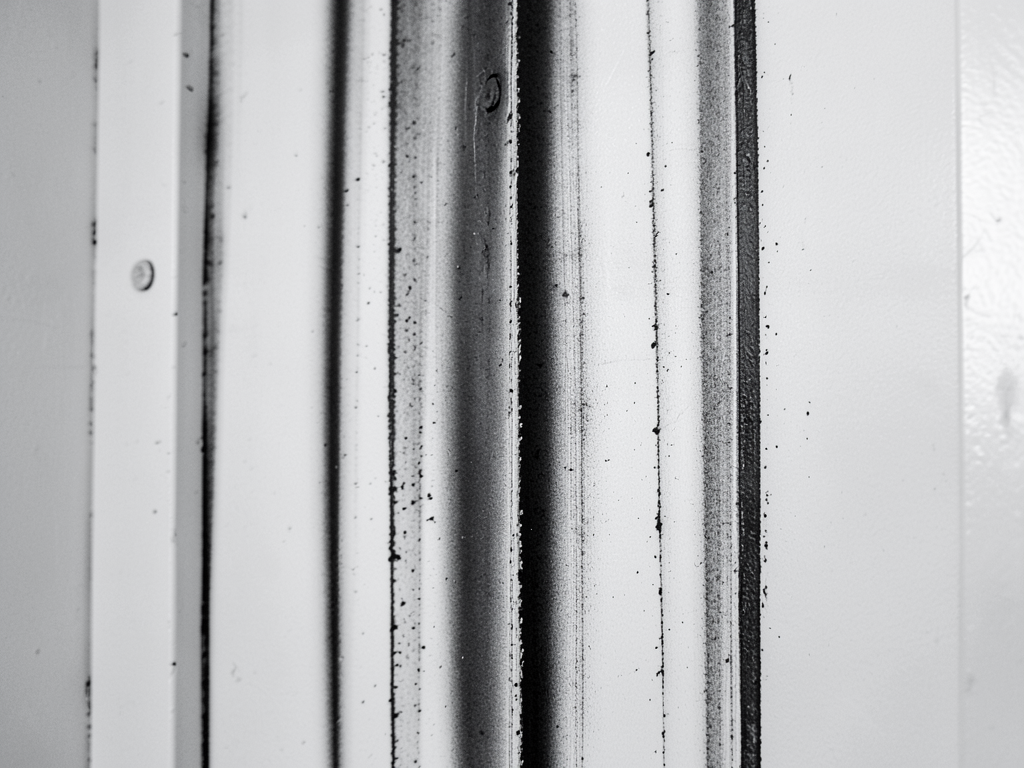
Why black streaks on your walls could mean you have a hidden moisture problem Black streaks on your walls can…

Why black streaks on your walls could mean you have a hidden moisture problem

Why black streaks on your walls could mean you have a hidden moisture problem Black streaks on your walls can…

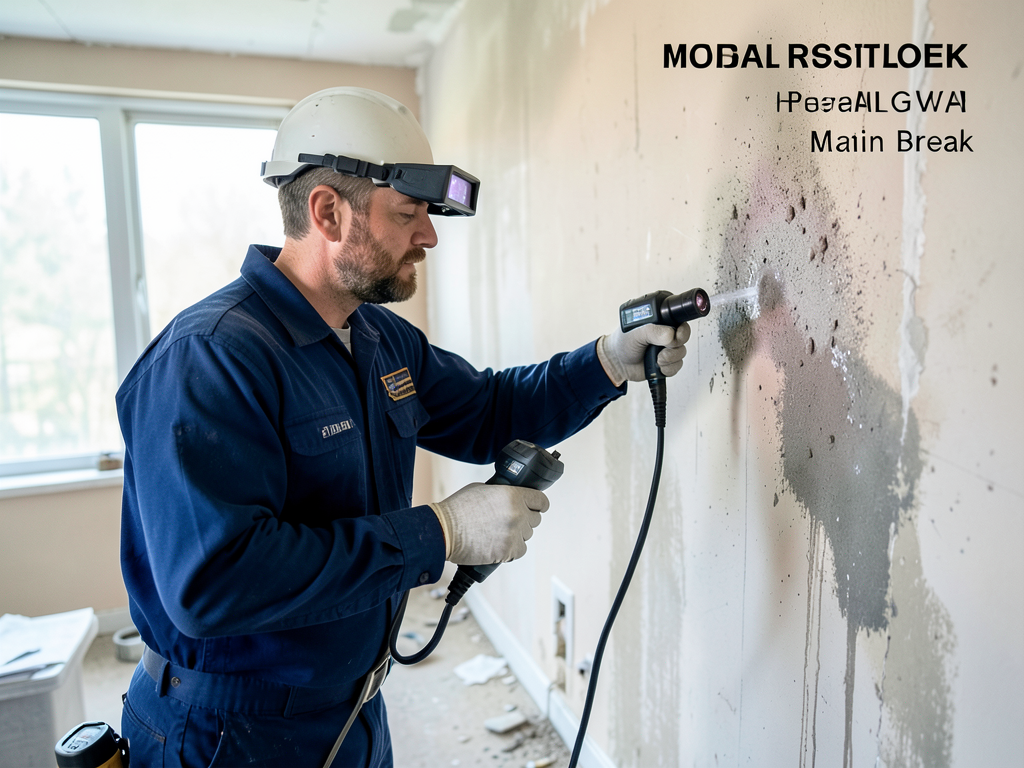
What to do if an MLGW water main break floods your North Memphis property

What to do if an MLGW water main break floods your North Memphis property When an MLGW water main breaks…

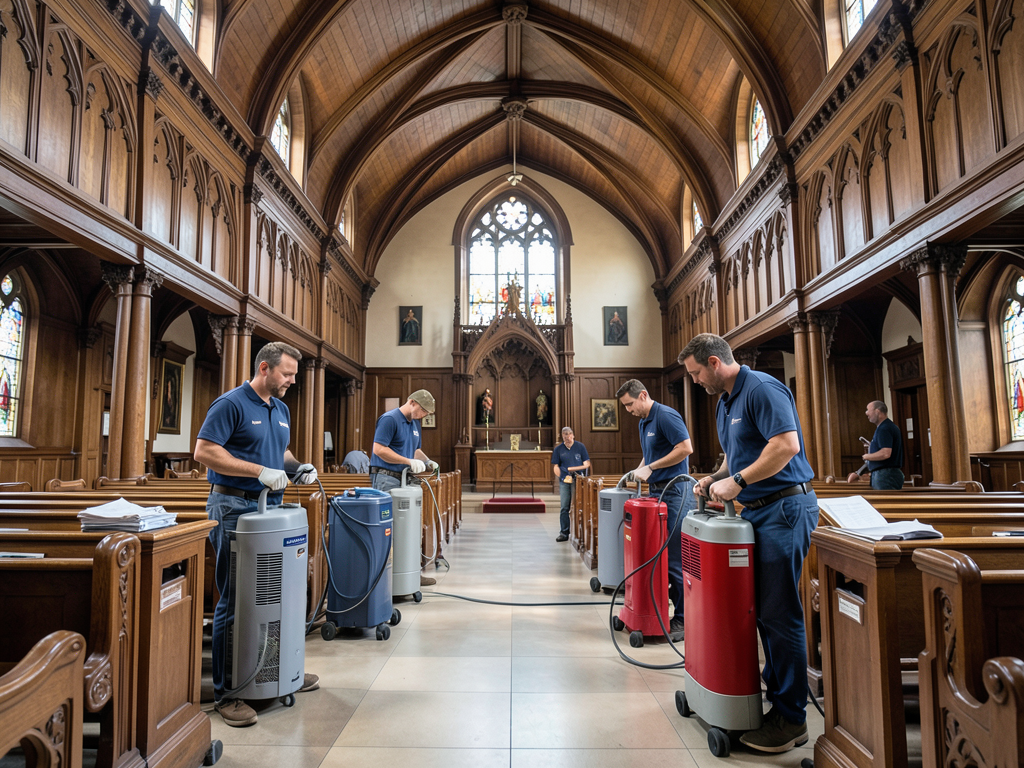
Handling water damage and mold in historic Memphis churches or community halls

Handling Water Damage and Mold in Historic Memphis Churches and Community Halls When water breaches the sanctuary of a historic…

Contact Us

Do not wait for symptoms to worsen. Call Liberty Water Damage Restoration Riverside at (901) 640-3133 right now. We provide same-day consultations and can schedule testing within 48 hours. Protect your family's health with expert mold toxicity evaluation and proven remediation solutions.