
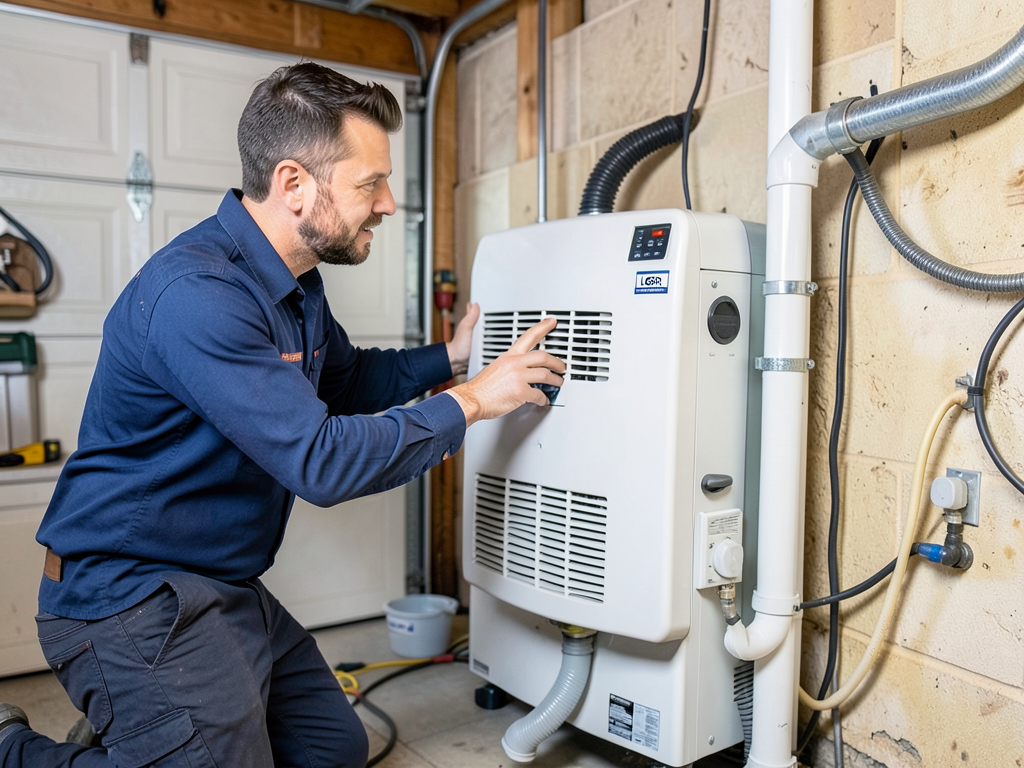
Choosing the Right Dehumidifier for a Damp Memphis Garage or Workshop
Memphis summers bring humidity levels that routinely exceed 70 percent, and that moisture seeps into garages like a sponge. Concrete slabs absorb water vapor from the air, wood shelves swell, and tools begin to rust within weeks. A dehumidifier is not a luxury here; it is the first line of defense against mold growth, musty odors, and long-term structural damage. The right unit depends on your garage size, insulation, and how much moisture your space actually holds. What to do right now if your Germantown home is flooding.
Before buying anything, measure your garage in square feet and check for signs of active moisture: white powdery deposits on concrete (efflorescence), condensation on windows, or a persistent damp smell. Those are your clues that humidity is already above the 50-60 percent range where mold can thrive. In Memphis, where dew points often hover near 70 degrees Fahrenheit in July and August, you need a unit rated for high moisture loads and capable of running in temperatures that swing from near freezing to over 100 degrees.. Read more about Maintaining the perfect humidity for your River Oaks wine cellar.
Compressor-based units work best in hot, humid climates because they pull moisture from the air through condensation. Desiccant models excel in cooler, drier conditions but struggle when Memphis heat pushes indoor garage temps above 85 degrees. Look for an Energy Star-rated compressor model with a built-in pump or continuous drain option so you do not have to empty a bucket every few hours. A 50-pint capacity is the minimum for a standard two-car garage; larger or uninsulated spaces may need 70 pints or more. Energy Star dehumidifier efficiency ratings.
Automatic restart is critical in Memphis, where summer thunderstorms can knock out power for minutes at a time. Units without this feature will sit idle until you manually turn them back on, allowing humidity to rebound. A MERV-8 or better air filter helps capture sawdust and garage dust, extending the life of both the dehumidifier and your tools. Wi-Fi-enabled models let you monitor humidity levels remotely, a handy feature for detached workshops. Emergency Dehumidifier Rental.
Installation matters as much as the unit itself. Seal gaps around garage doors with weather stripping, and consider a vapor barrier on the floor if your concrete is unsealed. Without these steps, your dehumidifier will run constantly but barely make a dent in the moisture load. If you notice active mold growth, warped wood, or standing water after rain, a retail unit is not enough; you need professional-grade drying equipment and possibly structural repairs. EPA mold prevention guidelines.
Memphis soil, rich in expansive clay, holds moisture and releases it slowly into foundations. That means even a well-sealed garage can experience humidity spikes after heavy rains. The National Association of Home Builders recommends keeping indoor relative humidity below 60 percent to prevent mold, but in Memphis garages, aiming for 50 percent gives you a safer margin. If your unit runs nonstop and humidity stays above 65 percent, it is time to call a water damage restoration specialist. Rapid water restoration for business owners in Downtown Memphis.
Victory Water Damage Restoration Memphis has seen countless cases where a homeowner bought the biggest retail dehumidifier available, only to discover the real problem was a leaking foundation or poor drainage. We use commercial-grade LGR (Low Grain Refrigerant) dehumidifiers that remove more moisture per kilowatt-hour than consumer models, and we pair them with air movers to create a controlled drying environment. Our team can also test for hidden mold, seal foundation cracks, and recommend long-term solutions like interior French drains. Water Damage Restoration Collierville.
Choosing the right dehumidifier starts with understanding your space and ends with consistent maintenance. Clean the filter monthly, check the drain hose for clogs, and monitor humidity with a separate hygrometer to verify performance. In Memphis, where the air feels like a wet blanket for half the year, that small effort can save thousands in rust repair, mold remediation, and structural fixes. Sump Pump Maintenance Guide.
If you are unsure whether your garage needs a simple dehumidifier or full moisture mitigation, call (901) 640-3133. Our certified technicians will assess your space, recommend the right equipment, and show you how to keep your garage dry year-round.
Key Features to Look For in a Memphis Garage Dehumidifier
Choosing the right features can mean the difference between a dry garage and a constantly running machine that never quite catches up. Here are the must-have specifications for Memphis conditions.
- Capacity Based on Square Footage
Calculate your garage area and match it to pint-per-day ratings. A 400-square-foot garage in Memphis typically needs at least 50 pints per day; larger or uninsulated spaces may require 70 pints or more.
- Operating Temperature Range
Ensure the unit can handle Memphis temperature swings. Look for a range that covers at least 35-95 degrees Fahrenheit so it runs year-round without freezing or overheating.
- Drainage Options
A built-in pump or continuous drain hose is essential. Gravity drains work only if the unit sits above the drain; pumps allow flexible placement and automatic water removal.. Read more about Managing water damage in your backyard ADU or guest cottage in Cooper-Young.
- Humidity Control Precision
Digital humidistats let you set a target level, usually 45-55 percent for garages. This prevents the unit from running when it is not needed, saving energy and extending compressor life.
- Air Filtration
A MERV-8 or higher filter captures dust, sawdust, and mold spores, protecting both the dehumidifier and your stored items.. Read more about Protecting your home theater or basement gym from Memphis humidity.
- Automatic Restart
Power outages are common during Memphis storms. Units with auto-restart resume operation without manual intervention, preventing humidity spikes.
Top Three Dehumidifier Options for Memphis Garages
Comparing models side-by-side helps you see where consumer-grade units end and professional equipment begins. The following table shows key differences.
| Model Category | Typical Capacity | Best For | Key Advantage |
|---|---|---|---|
| Consumer Grade | 50 pints/day | Standard two-car garage, occasional use | Affordable, easy to find |
| Semi-Pro | 70 pints/day | Large garage, workshop with tools | Higher moisture removal, pump included |
| Professional LGR | 100+ pints/day | Classic car collection, severe moisture issues | Maximum efficiency, commercial durability |
Consumer models like the Frigidaire 50-pint unit retail for around $250 and work well in moderately damp spaces. Semi-pro units such as the hOmeLabs 70-pint model add a built-in pump and digital controls for about $350. Professional LGR dehumidifiers, which we use on restoration jobs, cost $1,200 or more but remove twice the moisture per kilowatt-hour and operate in harsher conditions.
Installation Tips for Uninsulated Memphis Garages
Even the best dehumidifier will struggle if your garage leaks moist air from every seam. Before plugging in your unit, take these steps to maximize efficiency.
- Seal gaps around garage doors with vinyl weather stripping to block humid outside air.
- Apply a concrete sealer to the floor if you see efflorescence; this reduces moisture wicking from the slab.
- Install a vapor barrier under workbenches or along walls where tools are stored to protect metal surfaces.
- Position the dehumidifier away from corners to allow 360-degree air circulation.
- Elevate the unit on a small platform if your garage floods occasionally; this prevents water damage to the machine.
If your garage has no floor drain, connect the drain hose to a condensate pump and run it to the nearest exterior wall or utility sink. In Memphis, where heavy rains can overwhelm storm drains, this setup prevents backup and keeps the unit running continuously.
When to Call a Professional
Sometimes a dehumidifier is just treating a symptom of a bigger problem. Here are signs that you need expert help.
- Efflorescence keeps returning after cleaning, indicating ongoing moisture intrusion.
- You discover active mold growth on walls, ceiling, or stored items.
- Wood shelves or workbenches show warping or rot despite running a dehumidifier.
- Musty odors persist even when humidity reads below 60 percent.
- Standing water appears after rain, suggesting drainage or foundation issues.
Victory Water Damage Restoration Memphis uses moisture meters and thermal imaging to locate hidden leaks and assess the true extent of dampness. We then deploy commercial-grade LGR units, air movers, and HEPA filtration to create a controlled drying environment. Our process follows IICRC S500 standards for water damage restoration, ensuring that every step meets industry best practices.. Read more about Drying out a flooded laundry room or mudroom in a new Lakeland development.
If you are dealing with more than condensation, do not wait. Mold can begin growing within 24-48 hours in Memphis humidity, and structural wood can weaken in weeks. Call (901) 640-3133 for a free inspection and a plan that actually solves the problem.
Energy Efficiency and Local Utility Considerations
Running a dehumidifier in Memphis heat can add to your MLGW bill, but choosing an Energy Star-rated model can cut costs by 15-20 percent. Look for units with an Energy Factor (EF) of 1.8 or higher; this measures pints of water removed per kilowatt-hour. Over a summer, a 50-pint Energy Star unit might use 400-500 kilowatt-hours, costing roughly $50-70 at current MLGW rates.
Smart models let you schedule operation during off-peak hours or adjust settings remotely when humidity spikes. Some even integrate with home automation systems to turn on automatically when garage humidity exceeds your set point. These features not only save money but also extend the life of the compressor by reducing unnecessary run time.
For workshops with high tool density, consider pairing your dehumidifier with a small exhaust fan. This combination exchanges stale, moist air for fresh outside air during cooler parts of the day, reducing the load on the dehumidifier and improving air quality.
Maintenance Tips to Keep Your Dehumidifier Running Strong
A neglected dehumidifier loses efficiency fast, especially in Memphis dust and pollen. Follow this simple schedule to protect your investment.
- Clean or replace the air filter every 30 days during peak summer use.
- Inspect and clear the drain hose monthly to prevent clogs.
- Wipe down the coils with a soft brush every three months to remove dust buildup.
- Check the humidistat calibration annually with a separate hygrometer.
- Inspect the power cord and plug for damage, especially after storm season.
If your unit starts icing up or runs constantly without reaching the set humidity level, it may need professional servicing. Compressor issues, refrigerant leaks, or sensor failures are best handled by certified technicians to avoid further damage.
Protecting Your Investment Beyond the Dehumidifier
A dehumidifier is only one piece of the moisture control puzzle. In Memphis, where humidity is a year-round battle, consider these additional steps.
- Install a whole-house dehumidifier if your HVAC system allows it; this reduces the load on your garage unit.
- Use silica gel packs or commercial desiccants in tool drawers to protect precision instruments.
- Store cardboard boxes and paper products off the floor to prevent mold growth.
- Run a small fan to keep air moving; stagnant air holds moisture longer.
- Check your roof and gutters annually to ensure water is directed away from the garage foundation.
These measures, combined with the right dehumidifier, create a dry, healthy environment for your vehicles, tools, and projects. In Memphis, where the air can feel like a steam room for months at a time, that peace of mind is worth the effort.
If you need help choosing equipment or suspect a bigger moisture problem, call (901) 640-3133. We will assess your space, recommend the right solution, and show you how to keep your garage dry year-round.
Frequently Asked Questions
What size dehumidifier do I need for a standard two-car garage in Memphis?
A 50-pint unit is the minimum for a standard two-car garage in Memphis. If your garage is larger, uninsulated, or has active moisture issues, consider a 70-pint or larger model.
Can I use a residential dehumidifier in an uninsulated garage?
Yes, but expect higher energy use and more frequent emptying of the collection bucket. Units with a built-in pump or continuous drain are far more convenient for uninsulated spaces.
How often should I clean the filter in my garage dehumidifier?
Clean or replace the filter every 30 days during peak summer use. Memphis dust and pollen can clog filters quickly, reducing efficiency.
What humidity level should I set my dehumidifier to?
Aim for 45-55 percent relative humidity. This range prevents mold growth while protecting tools and stored items from excess moisture.
When should I call a professional instead of buying a dehumidifier?
If you see active mold, persistent musty odors, warped wood, or standing water after rain, you likely have a structural moisture problem that requires professional assessment and remediation.
Does a dehumidifier help with rust prevention on tools?
Yes. Keeping relative humidity below 60 percent significantly slows rust formation on metal tools and equipment.
Are Energy Star dehumidifiers worth the extra cost?
Energy Star models use 15-20 percent less electricity, which can save $50-70 per summer in Memphis. Over the life of the unit, the savings often offset the higher upfront cost.
Can I run a dehumidifier year-round in Memphis?
Yes. Memphis humidity stays high even in cooler months, so running your dehumidifier year-round helps prevent moisture buildup and mold growth.
What is the difference between a consumer and professional dehumidifier?
Professional units, like LGR dehumidifiers, remove more moisture per kilowatt-hour, operate in harsher conditions, and are built for continuous use. They are ideal for severe moisture problems or valuable collections.
How do I know if my garage has a hidden moisture problem?
Signs include efflorescence on concrete, condensation on windows, musty odors, warped wood, or tools that rust quickly. A professional moisture assessment can confirm hidden issues.
{
“@context”: “https://schema.org”,
“@type”: “BlogPosting”,
“headline”: “Choosing the right dehumidifier for a damp Memphis garage or workshop”,
“description”: “Expert guide to selecting the best dehumidifier for Memphis garages. Learn about local humidity challenges, pint capacity requirements, and when to call a professional.”,
“wordCount”: 2212,
“datePublished”: “2026-05-19T09:33:00.000Z”,
“dateModified”: “2026-05-19T09:33:00.000Z”,
“inLanguage”: “en-US”,
“mainEntityOfPage”: {
“@type”: “WebPage”,
“@id”: “https://victorywaterdamagerestorationmemphis.com”
},
“publisher”: {
“@type”: “LocalBusiness”,
“name”: “Victory Water Damage Restoration Memphis”,
“url”: “https://victorywaterdamagerestorationmemphis.com”
},
“author”: {
“@type”: “Organization”,
“name”: “Victory Water Damage Restoration Memphis”,
“url”: “https://victorywaterdamagerestorationmemphis.com”
},
“image”: {
“@type”: “ImageObject”,
“url”: “https://victorywaterdamagerestorationmemphis.com/wp-content/uploads/2026/03/choosing-the-right-dehumidifier-for-a-damp-memphis-1.png”
}
}
{
“@context”: “https://schema.org”,
“@type”: “LocalBusiness”,
“name”: “Victory Water Damage Restoration Memphis”,
“url”: “https://victorywaterdamagerestorationmemphis.com”,
“address”: {
“@type”: “PostalAddress”,
“addressLocality”: “Memphis”
},
“areaServed”: {
“@type”: “City”,
“name”: “Memphis”
}
}
{
“@context”: “https://schema.org”,
“@type”: “FAQPage”,
“mainEntity”: [
{
“@type”: “Question”,
“name”: “What size dehumidifier do I need for a standard two-car garage in Memphis?”,
“acceptedAnswer”: {
“@type”: “Answer”,
“text”: “A 50-pint unit is the minimum for a standard two-car garage in Memphis. If your garage is larger, uninsulated, or has active moisture issues, consider a 70-pint or larger model.”
}
},
{
“@type”: “Question”,
“name”: “Can I use a residential dehumidifier in an uninsulated garage?”,
“acceptedAnswer”: {
“@type”: “Answer”,
“text”: “Yes, but expect higher energy use and more frequent emptying of the collection bucket. Units with a built-in pump or continuous drain are far more convenient for uninsulated spaces.”
}
},
{
“@type”: “Question”,
“name”: “How often should I clean the filter in my garage dehumidifier?”,
“acceptedAnswer”: {
“@type”: “Answer”,
“text”: “Clean or replace the filter every 30 days during peak summer use. Memphis dust and pollen can clog filters quickly, reducing efficiency.”
}
},
{
“@type”: “Question”,
“name”: “What humidity level should I set my dehumidifier to?”,
“acceptedAnswer”: {
“@type”: “Answer”,
“text”: “Aim for 45-55 percent relative humidity. This range prevents mold growth while protecting tools and stored items from excess moisture.”
}
},
{
“@type”: “Question”,
“name”: “When should I call a professional instead of buying a dehumidifier?”,
“acceptedAnswer”: {
“@type”: “Answer”,
“text”: “If you see active mold, persistent musty odors, warped wood, or standing water after rain, you likely have a structural moisture problem that requires professional assessment and remediation.”
}
},
{
“@type”: “Question”,
“name”: “Does a dehumidifier help with rust prevention on tools?”,
“acceptedAnswer”: {
“@type”: “Answer”,
“text”: “Yes. Keeping relative humidity below 60 percent significantly slows rust formation on metal tools and equipment.”
}
},
{
“@type”: “Question”,
“name”: “Are Energy Star dehumidifiers worth the extra cost?”,
“acceptedAnswer”: {
“@type”: “Answer”,
“text”: “Energy Star models use 15-20 percent less electricity, which can save $50-70 per summer in Memphis. Over the life of the unit, the savings often offset the higher upfront cost.”
}
},
{
“@type”: “Question”,
“name”: “Can I run a dehumidifier year-round in Memphis?”,
“acceptedAnswer”: {
“@type”: “Answer”,
“text”: “Yes. Memphis humidity stays high even in cooler months, so running your dehumidifier year-round helps prevent moisture buildup and mold growth.”
}
},
{
“@type”: “Question”,
“name”: “What is the difference between a consumer and professional dehumidifier?”,
“acceptedAnswer”: {
“@type”: “Answer”,
“text”: “Professional units, like LGR dehumidifiers, remove more moisture per kilowatt-hour, operate in harsher conditions, and are built for continuous use. They are ideal for severe moisture problems or valuable collections.”
}
},
{
“@type”: “Question”,
“name”: “How do I know if my garage has a hidden moisture problem?”,
“acceptedAnswer”: {
“@type”: “Answer”,
“text”: “Signs include efflorescence on concrete, condensation on windows, musty odors, warped wood, or tools that rust quickly. A professional moisture assessment can confirm hidden issues.”
}
}
]
}
{
“@context”: “https://schema.org”,
“@type”: “HowTo”,
“name”: “How to Choose a Garage Dehumidifier”,
“step”: [
{
“@type”: “HowToStep”,
“position”: 1,
“name”: “Capacity Based on Square Footage”,
“text”: “Calculate your garage area and match it to pint-per-day ratings. A 400-square-foot garage in Memphis typically needs at least 50 pints per day; larger or uninsulated spaces may require 70 pints or more.”
},
{
“@type”: “HowToStep”,
“position”: 2,
“name”: “Operating Temperature Range”,
“text”: “Ensure the unit can handle Memphis temperature swings. Look for a range that covers at least 35-95 degrees Fahrenheit so it runs year-round without freezing or overheating.”
},
{
“@type”: “HowToStep”,
“position”: 3,
“name”: “Drainage Options”,
“text”: “A built-in pump or continuous drain hose is essential. Gravity drains work only if the unit sits above the drain; pumps allow flexible placement and automatic water removal.”
},
{
“@type”: “HowToStep”,
“position”: 4,
“name”: “Humidity Control Precision”,
“text”: “Digital humidistats let you set a target level, usually 45-55 percent for garages. This prevents the unit from running when it is not needed, saving energy and extending compressor life.”
},
{
“@type”: “HowToStep”,
“position”: 5,
“name”: “Air Filtration”,
“text”: “A MERV-8 or higher filter captures dust, sawdust, and mold spores, protecting both the dehumidifier and your stored items.”
},
{
“@type”: “HowToStep”,
“position”: 6,
“name”: “Automatic Restart”,
“text”: “Power outages are common during Memphis storms. Units with auto-restart resume operation without manual intervention, preventing humidity spikes.”
}
],
“image”: “https://victorywaterdamagerestorationmemphis.com/wp-content/uploads/2026/03/choosing-the-right-dehumidifier-for-a-damp-memphis-1.png”
}
{
“@context”: “https://schema.org”,
“@type”: “BreadcrumbList”,
“itemListElement”: [
{
“@type”: “ListItem”,
“position”: 1,
“name”: “Home”,
“item”: “https://victorywaterdamagerestorationmemphis.com”
},
{
“@type”: “ListItem”,
“position”: 2,
“name”: “Blog”,
“item”: “https://victorywaterdamagerestorationmemphis.com/blog”
},
{
“@type”: “ListItem”,
“position”: 3,
“name”: “Choosing the right dehumidifier for a damp Memphis garage or workshop”
}
]
}
{
“@context”: “https://schema.org”,
“@type”: “Service”,
“serviceType”: “Water Damage Restoration”,
“provider”: {
“@type”: “LocalBusiness”,
“name”: “Victory Water Damage Restoration Memphis”,
“url”: “https://victorywaterdamagerestorationmemphis.com”
},
“areaServed”: {
“@type”: “City”,
“name”: “Memphis”
},
“description”: “Expert guide to selecting the best dehumidifier for Memphis garages. Learn about local humidity challenges, pint capacity requirements, and when to call a professional.”
}