
What to do right now if your Germantown home is flooding
Water rushing across your Germantown floors triggers instant panic. Every second counts when inches of water threaten your hardwood floors, drywall, and family heirlooms. This guide walks you through immediate actions that minimize damage while our team races to your location. The clock started ticking the moment water breached your home. Here’s how to stop the clock before it costs you thousands in repairs. EPA mold prevention guidelines.
Immediate steps to take when water floods your Germantown home
Safety comes first. Standing water conducts electricity, and contaminated flood water harbors bacteria that can make your family sick. Before grabbing towels or trying to vacuum water, shut off power to affected areas at your breaker box. If water reaches electrical outlets or you smell gas, evacuate immediately and call emergency services.. Read more about How to choose a reliable water damage restoration company in Memphis.
Next, identify the water source. Clean water from a broken supply line requires different handling than contaminated water from a sewage backup or stormwater intrusion. If you can safely stop the source, do it now. Turn off the main water valve if a pipe burst. If heavy rain caused the flooding, focus on containment instead.. Read more about Dealing with a burst pipe in Collierville? Here is who to call first.
Move valuable items to dry areas. Electronics, important documents, and irreplaceable photos need immediate relocation. Use plastic bins or trash bags to create barriers between wet floors and furniture legs. Remove area rugs and place aluminum foil under wooden furniture to prevent staining.. Read more about Can you save the hardwood floors in your Cooper-Young bungalow after a flood?.
Document everything before cleanup begins. Take photos and videos of all affected areas, water levels, and damaged items. This documentation proves invaluable for insurance claims and helps restoration professionals assess the scope of work needed.. Read more about Navigating water damage insurance claims for Memphis homeowners.
Why Germantown homes flood during Tennessee storms
Germantown’s location in the southeastern United States exposes it to intense thunderstorms that dump inches of rain in hours. The city’s clay-rich soil, common throughout Shelby County, absorbs water slowly and expands when saturated. This expansion creates hydrostatic pressure against basement walls and foundations.. Read more about Your Cordova basement flooded because the sump pump failed – now what?.
Many Germantown homes built before 2010 lack modern drainage systems required by current building codes. The Tennessee State Minimum Design and Construction Standards mandate specific grading requirements and drainage solutions for new construction, but older neighborhoods like Dogwood Grove and Poplar Estates weren’t held to these standards.
Heavy rains overwhelm municipal storm drains designed for average precipitation, not the extreme weather events becoming more frequent in Tennessee. When storm drains back up, water seeks the path of least resistance – often through foundation cracks or basement windows.
Older plumbing systems in Germantown’s established neighborhoods deteriorate over decades. Galvanized steel pipes corrode from the inside out, creating weak points that burst under pressure. Polybutylene pipes, common in homes built between 1978 and 1995, become brittle and fail without warning.
Understanding water categories and contamination risks
Water damage professionals classify flooding into three categories based on contamination levels. Category 1 water originates from clean sources like broken water supply lines or rainwater. While initially safe, Category 1 water becomes contaminated within 24-48 hours as it contacts building materials and collects debris.
Category 2 water contains significant contamination and can cause illness if ingested. This includes dishwasher or washing machine overflows, toilet bowl overflows with urine but no feces, and water from hydrostatic pressure seepage through foundation walls.
Category 3 water poses severe health risks and requires immediate professional remediation. Sewage backups, flooding from rivers or streams, and water from beyond the toilet trap all contain pathogenic agents. Category 3 water destroys carpet, padding, and porous materials that cannot be properly sanitized.
The Tennessee Department of Health mandates specific handling procedures for contaminated water. Category 3 water requires personal protective equipment, containment barriers, and proper disposal of contaminated materials. Attempting DIY cleanup of sewage or floodwater exposes you to dangerous bacteria and viruses.
Common causes of flooding in Germantown homes
Sump pump failure ranks among the top causes of basement flooding in Germantown. These pumps remove groundwater that accumulates around foundation walls. When power outages occur during storms or pumps age beyond their 7-10 year lifespan, groundwater floods basements within minutes.
Roof leaks develop gradually but cause catastrophic damage when heavy rains expose weaknesses. Missing shingles, deteriorated flashing around chimneys, or ice damming in winter allow water to penetrate roof decks. Water travels along rafters and through ceiling insulation before dripping into living spaces.. Read more about Restoring your Memphis home after a winter freeze leads to burst pipes.
Foundation cracks wider than 1/8 inch allow groundwater intrusion during heavy rains. Clay soil expansion creates lateral pressure against foundation walls, causing bowing and cracking. Water follows these cracks into basements and crawl spaces.
Appliance failures cause sudden flooding with little warning. Washing machine hoses burst under pressure, water heaters develop pinhole leaks, and refrigerator ice maker lines crack. These failures often occur when homeowners are away, allowing water to spread throughout the home.
Professional water damage restoration process
Professional restoration follows a systematic approach that ensures complete drying and prevents secondary damage. The process begins with emergency contact and rapid dispatch. Our team arrives within 60 minutes of your call, equipped with commercial-grade extraction equipment and moisture detection tools.
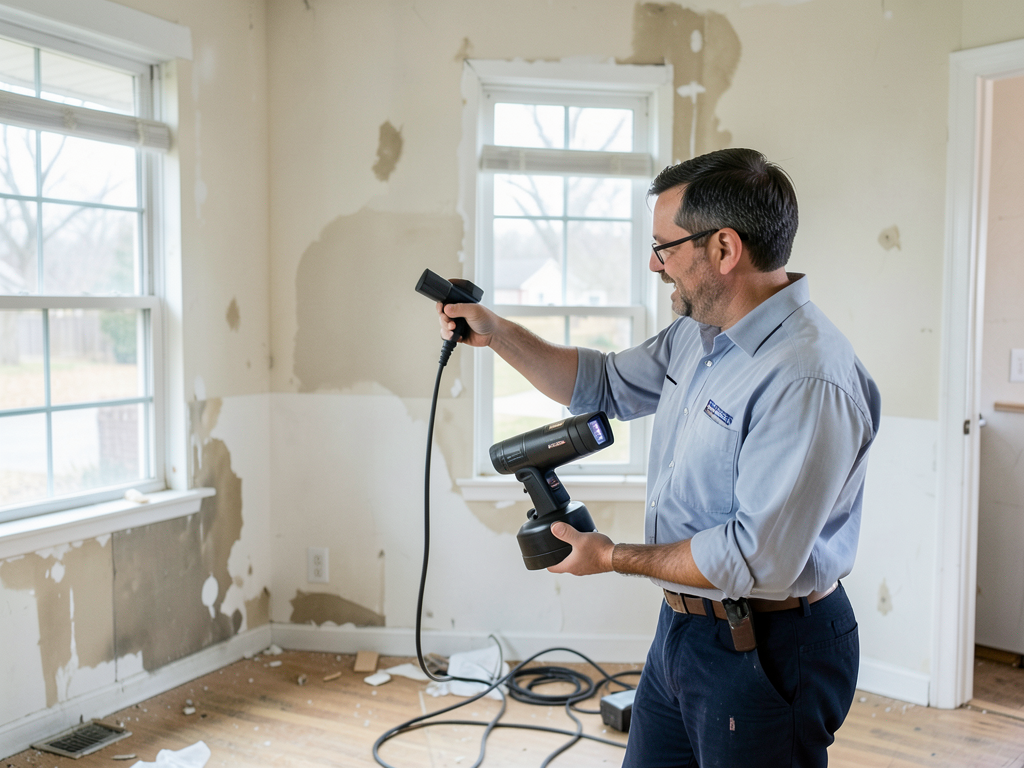
Initial inspection determines water category, affected materials, and potential hazards. Technicians use thermal imaging cameras to detect moisture behind walls and under flooring without destructive testing. Moisture meters measure water content in building materials to establish drying goals.
Water extraction removes standing water using powerful truck-mounted or portable extraction units. These machines remove water at rates up to 20 times faster than consumer-grade shop vacuums. Rapid extraction prevents water migration into unaffected areas.
Demolition removes unsalvageable materials to accelerate drying. Saturated drywall, insulation, and carpet padding cannot be dried in place and harbor mold growth. Controlled demolition creates access points for equipment and removes contamination sources.
Structural drying uses industrial dehumidifiers and air movers to remove moisture from building materials. Low-grain refrigerant (LGR) dehumidifiers extract water vapor from the air at rates up to 30 gallons per day. Air movers create evaporation by circulating dry air across wet surfaces.
Monitoring continues throughout the drying process. Technicians take moisture readings twice daily to track progress and adjust equipment placement. Drying typically requires 3-5 days for Category 1 water and up to 7 days for Category 3 contamination.
Cleaning and sanitizing eliminate bacteria, mold spores, and odors. Antimicrobial treatments prevent mold growth on remaining materials. HEPA air scrubbers filter airborne contaminants during demolition and drying phases.
Reconstruction restores your home to pre-loss condition. This includes installing new drywall, flooring, cabinetry, and painting. Our team coordinates all trades to minimize your involvement and complete the project efficiently.
Insurance claims and documentation requirements
Standard homeowners insurance covers sudden and accidental water damage but excludes gradual damage and maintenance issues. Burst pipes, appliance failures, and storm damage typically qualify for coverage. Groundwater flooding and sewer backups require separate endorsements.
Documenting damage thoroughly increases claim approval odds. Take photos before cleanup begins, keep receipts for emergency repairs, and maintain a detailed inventory of damaged items including age, purchase price, and replacement cost. Video documentation provides comprehensive evidence of damage extent.
Insurance companies require proof of mitigation efforts to prevent further damage. Failing to take reasonable steps to protect your property can result in claim denial. Professional restoration companies provide documentation showing all mitigation steps taken.
Direct insurance billing simplifies the claims process. Our team communicates directly with insurance adjusters, provides detailed estimates using industry-standard software, and handles paperwork submission. This service eliminates your need to negotiate with insurance companies while dealing with home damage.
The Tennessee Department of Commerce and Insurance regulates insurance practices in the state. Insurance companies must respond to claims within 15 business days and pay undisputed amounts within 60 days of receiving acceptable proof of loss.
Preventing future water damage in your Germantown home
Regular maintenance prevents most water damage scenarios. Inspect your roof annually for missing shingles, damaged flashing, and deteriorated sealants. Clean gutters and downspouts twice yearly to ensure proper drainage away from your foundation.
Test your sump pump quarterly by pouring water into the pit until the pump activates. Replace sump pumps every 7-10 years regardless of apparent function. Install battery backup systems to maintain operation during power outages.
Replace washing machine hoses every five years with reinforced stainless steel braided hoses. These hoses resist bursting under pressure and provide better protection than standard rubber hoses.
Install water leak detection systems that automatically shut off water supply when leaks occur. These systems use moisture sensors placed near appliances, under sinks, and in basements to detect problems before extensive damage occurs.
Grade your yard to slope away from your foundation at a rate of 6 inches per 10 feet. This grading directs water away from your home rather than allowing it to pool against foundation walls.
Seal foundation cracks wider than 1/8 inch with hydraulic cement or epoxy injection. These seals prevent groundwater intrusion and stop minor leaks from becoming major problems.
Emergency response times and service area
Water damage requires immediate response to minimize destruction. Our team maintains 24/7 emergency dispatch with average arrival times under 60 minutes throughout Germantown and surrounding Shelby County areas. We serve neighborhoods including Dogwood Grove, Poplar Estates, and the Germantown Municipal Center.
Rapid response prevents secondary damage like mold growth, which can begin within 24-48 hours of water exposure. Quick water extraction and drying reduce restoration costs by preventing damage to unaffected materials.
Our fleet includes multiple fully-equipped response vehicles strategically positioned throughout the Memphis metropolitan area. This positioning ensures fast arrival times regardless of your location within our service area.
Emergency services include water extraction, structural drying, content manipulation, and temporary repairs to prevent further damage. We provide board-up services for broken windows and roof tarping to prevent weather intrusion.
Commercial properties receive priority response for critical operations. We understand that business interruptions cost money every hour and work to restore operations as quickly as possible while maintaining safety standards.
Equipment and technology used in water damage restoration
Professional restoration requires specialized equipment unavailable to homeowners. Truck-mounted extraction units remove water at rates up to 100 gallons per minute, far exceeding the capabilities of rental equipment.
Thermal imaging cameras detect moisture behind walls and under flooring without destructive testing. These cameras identify temperature differences caused by evaporative cooling from wet materials, allowing targeted drying efforts.
Moisture meters measure water content in building materials to establish drying goals and verify when materials return to normal moisture levels. Penetrating meters measure moisture at various depths, while non-penetrating meters provide surface readings without damaging materials.
Low-grain refrigerant dehumidifiers remove moisture from the air at rates up to 30 gallons per day. These units operate efficiently in cool environments where conventional dehumidifiers struggle, making them ideal for basement and crawl space drying.
Air movers create evaporation by circulating dry air across wet surfaces. Professional-grade air movers move air at velocities up to 3,000 feet per minute, accelerating evaporation rates by up to 600% compared to natural air movement.
HEPA air scrubbers filter airborne contaminants during demolition and drying phases. These units remove particles as small as 0.3 microns, including mold spores, bacteria, and dust, improving indoor air quality during restoration.
Health and safety considerations during flood cleanup
Flood water contains hazardous contaminants that pose serious health risks. Category 3 water harbors bacteria, viruses, and parasites that cause gastrointestinal illness, skin infections, and respiratory problems. Even Category 1 water becomes contaminated within 24-48 hours as it contacts building materials and collects debris.
Personal protective equipment (PPE) prevents exposure to contaminants. N-95 respirators filter airborne particles, while chemical-resistant gloves protect against skin contact with contaminated water. Waterproof boots prevent foot exposure, and eye protection prevents splash exposure.
Structural hazards create additional risks during flood cleanup. Wet materials become heavier and more prone to collapse. Drywall ceilings saturated with water can fall without warning. Electrical hazards persist even after power disconnection if water contacts live circuits.
Slip and fall accidents increase during flood cleanup due to wet, slippery surfaces. Remove standing water before walking through affected areas, and use caution when moving on wet surfaces.
Chemical hazards arise from mixing cleaning products or disturbing stored chemicals. Never mix bleach with ammonia or acids, as these combinations produce toxic gases. Store chemicals properly to prevent spills during flooding.
Mold exposure causes respiratory problems, allergic reactions, and other health issues. Mold begins growing within 24-48 hours of water exposure and spreads rapidly in warm, humid conditions. Professional remediation prevents mold growth and protects occupants from exposure.
Cost factors in water damage restoration
Restoration costs vary based on water category, affected area size, and required demolition. Category 1 water cleanup typically costs $3.75 to $7.00 per square foot, while Category 3 remediation can exceed $10.00 per square foot due to contamination handling requirements.
Affected area size directly impacts total costs. A 500 square foot basement cleanup costs significantly less than a whole-house restoration. However, water spreads to adjacent areas, potentially increasing the affected area beyond initial estimates.
Required demolition increases restoration costs. Removing and replacing drywall, flooring, and cabinetry adds labor and material expenses. However, controlled demolition prevents secondary damage and reduces overall restoration time.
Specialty drying equipment rental adds daily costs to restoration projects. Dehumidifiers rent for $50 to $150 per day, while air movers cost $25 to $75 per day. Professional restoration companies include equipment costs in project estimates rather than charging separately.
Reconstruction costs vary based on material selections and design choices. Standard materials cost less than premium options, while custom work increases labor time and expenses. Insurance coverage typically includes like-kind replacement, but upgrades require additional payment.
Emergency response fees apply for after-hours service calls. These fees compensate technicians for working outside normal business hours and ensure availability when disasters strike at inconvenient times.
Frequently Asked Questions
How long does water damage restoration take?
Restoration timelines depend on water category and damage extent. Category 1 water typically requires 3-5 days for complete drying. Category 3 contamination may require 7-10 days due to demolition, cleaning, and drying requirements. Reconstruction adds additional time based on project scope.
Will my insurance cover water damage?
Standard homeowners insurance covers sudden and accidental water damage from sources like burst pipes or appliance failures. Coverage excludes groundwater flooding, sewer backups, and gradual damage from maintenance issues. Review your policy or contact your insurance agent to understand your specific coverage.
Can I clean up water damage myself?
Category 1 water from clean sources may be manageable for small areas using proper safety precautions. However, Category 2 and 3 water require professional remediation due to contamination risks. Even clean water requires specialized equipment for complete drying to prevent mold growth.
How do I prevent mold after water damage?
Complete drying within 24-48 hours prevents mold growth. Use professional-grade dehumidifiers and air movers to accelerate drying. Remove unsalvageable materials that harbor moisture. Apply antimicrobial treatments to remaining materials. Monitor moisture levels until materials return to normal conditions.
What should I do first when I discover water damage?
Safety comes first. Shut off power to affected areas if safe to do so. Stop the water source if possible. Move valuable items to dry areas. Document damage with photos before cleanup begins. Contact professional restoration services immediately to prevent further damage.
How much does water damage restoration cost?
Costs vary based on water category, affected area size, and required services. Category 1 cleanup typically costs $3.75 to $7.00 per square foot. Category 3 remediation can exceed $10.00 per square foot. Most restoration companies provide free estimates after initial inspection.
Do I need permits for water damage repairs?
Permits may be required for structural repairs, electrical work, or plumbing modifications. The City of Germantown and Shelby County issue permits for restoration work that affects structural elements or systems. Professional restoration companies handle permit requirements as part of the reconstruction process.
How do I know if water damaged my foundation?
Signs of foundation water damage include cracks in walls or floors, sticking doors or windows, uneven floors, and water stains on foundation walls. Professional inspection using moisture meters and thermal imaging cameras can detect hidden water damage before visible signs appear.
Trust the experts with your Germantown water damage emergency
Water damage creates stress and uncertainty during an already difficult time. Our team brings 15+ years of local experience to every restoration project, understanding the unique challenges Germantown homes face during Tennessee’s severe weather seasons.
We combine rapid response with systematic restoration processes to minimize your stress and restore your home quickly. Our direct insurance billing eliminates paperwork hassles, while our documentation satisfies insurance requirements for maximum claim approval.
Don’t let water damage destroy your home and possessions. Every hour of delay increases restoration costs and secondary damage risks. Call (901) 640-3133 now for immediate response from Germantown’s trusted water damage restoration experts.
Our team stands ready 24/7 to protect your home and family from water damage destruction. We’ll arrive quickly, assess the situation professionally, and begin restoration immediately to minimize your losses and stress. For more information, visit FEMA flood protection guide.
Water damage won’t wait, and neither should you. Call (901) 640-3133 today to schedule your inspection and protect your Germantown home from further damage.
{
“@context”: “https://schema.org”,
“@type”: “BlogPosting”,
“headline”: “What to do right now if your Germantown home is flooding”,
“description”: “Flooded in Germantown TN? This emergency guide shows you immediate steps to take, what to avoid, and how to get professional help fast. Call (901) 640-3133 now.”,
“wordCount”: 2844,
“datePublished”: “2026-02-11T08:35:00.000Z”,
“dateModified”: “2026-02-11T08:35:00.000Z”,
“inLanguage”: “en-US”,
“mainEntityOfPage”: {
“@type”: “WebPage”,
“@id”: “https://victorywaterdamagerestorationmemphis.com”
},
“publisher”: {
“@type”: “LocalBusiness”,
“name”: “Victory Water Damage Restoration Memphis”,
“url”: “https://victorywaterdamagerestorationmemphis.com”
},
“author”: {
“@type”: “Organization”,
“name”: “Victory Water Damage Restoration Memphis”,
“url”: “https://victorywaterdamagerestorationmemphis.com”
},
“image”: {
“@type”: “ImageObject”,
“url”: “https://victorywaterdamagerestorationmemphis.com/wp-content/uploads/2026/03/what-to-do-right-now-if-your-germantown-home-is-fl-1.png”
}
}
{
“@context”: “https://schema.org”,
“@type”: “LocalBusiness”,
“name”: “Victory Water Damage Restoration Memphis”,
“url”: “https://victorywaterdamagerestorationmemphis.com”,
“address”: {
“@type”: “PostalAddress”,
“addressLocality”: “Memphis”
},
“areaServed”: {
“@type”: “City”,
“name”: “Memphis”
}
}
{
“@context”: “https://schema.org”,
“@type”: “FAQPage”,
“mainEntity”: [
{
“@type”: “Question”,
“name”: “How long does water damage restoration take?”,
“acceptedAnswer”: {
“@type”: “Answer”,
“text”: “Restoration timelines depend on water category and damage extent. Category 1 water typically requires 3-5 days for complete drying. Category 3 contamination may require 7-10 days due to demolition, cleaning, and drying requirements. Reconstruction adds additional time based on project scope.”
}
},
{
“@type”: “Question”,
“name”: “Will my insurance cover water damage?”,
“acceptedAnswer”: {
“@type”: “Answer”,
“text”: “Standard homeowners insurance covers sudden and accidental water damage from sources like burst pipes or appliance failures. Coverage excludes groundwater flooding, sewer backups, and gradual damage from maintenance issues. Review your policy or contact your insurance agent to understand your specific coverage.”
}
},
{
“@type”: “Question”,
“name”: “Can I clean up water damage myself?”,
“acceptedAnswer”: {
“@type”: “Answer”,
“text”: “Category 1 water from clean sources may be manageable for small areas using proper safety precautions. However, Category 2 and 3 water require professional remediation due to contamination risks. Even clean water requires specialized equipment for complete drying to prevent mold growth.”
}
},
{
“@type”: “Question”,
“name”: “How do I prevent mold after water damage?”,
“acceptedAnswer”: {
“@type”: “Answer”,
“text”: “Complete drying within 24-48 hours prevents mold growth. Use professional-grade dehumidifiers and air movers to accelerate drying. Remove unsalvageable materials that harbor moisture. Apply antimicrobial treatments to remaining materials. Monitor moisture levels until materials return to normal conditions.”
}
},
{
“@type”: “Question”,
“name”: “What should I do first when I discover water damage?”,
“acceptedAnswer”: {
“@type”: “Answer”,
“text”: “Safety comes first. Shut off power to affected areas if safe to do so. Stop the water source if possible. Move valuable items to dry areas. Document damage with photos before cleanup begins. Contact professional restoration services immediately to prevent further damage.”
}
},
{
“@type”: “Question”,
“name”: “How much does water damage restoration cost?”,
“acceptedAnswer”: {
“@type”: “Answer”,
“text”: “Costs vary based on water category, affected area size, and required services. Category 1 cleanup typically costs $3.75 to $7.00 per square foot. Category 3 remediation can exceed $10.00 per square foot. Most restoration companies provide free estimates after initial inspection.”
}
},
{
“@type”: “Question”,
“name”: “Do I need permits for water damage repairs?”,
“acceptedAnswer”: {
“@type”: “Answer”,
“text”: “Permits may be required for structural repairs, electrical work, or plumbing modifications. The City of Germantown and Shelby County issue permits for restoration work that affects structural elements or systems. Professional restoration companies handle permit requirements as part of the reconstruction process.”
}
},
{
“@type”: “Question”,
“name”: “How do I know if water damaged my foundation?”,
“acceptedAnswer”: {
“@type”: “Answer”,
“text”: “Signs of foundation water damage include cracks in walls or floors, sticking doors or windows, uneven floors, and water stains on foundation walls. Professional inspection using moisture meters and thermal imaging cameras can detect hidden water damage before visible signs appear.”
}
}
]
}
{
“@context”: “https://schema.org”,
“@type”: “BreadcrumbList”,
“itemListElement”: [
{
“@type”: “ListItem”,
“position”: 1,
“name”: “Home”,
“item”: “https://victorywaterdamagerestorationmemphis.com”
},
{
“@type”: “ListItem”,
“position”: 2,
“name”: “Blog”,
“item”: “https://victorywaterdamagerestorationmemphis.com/blog”
},
{
“@type”: “ListItem”,
“position”: 3,
“name”: “What to do right now if your Germantown home is flooding”
}
]
}
{
“@context”: “https://schema.org”,
“@type”: “Service”,
“serviceType”: “Water Damage Restoration”,
“provider”: {
“@type”: “LocalBusiness”,
“name”: “Victory Water Damage Restoration Memphis”,
“url”: “https://victorywaterdamagerestorationmemphis.com”
},
“areaServed”: {
“@type”: “City”,
“name”: “Memphis”
},
“description”: “Flooded in Germantown TN? This emergency guide shows you immediate steps to take, what to avoid, and how to get professional help fast. Call (901) 640-3133 now.”
}