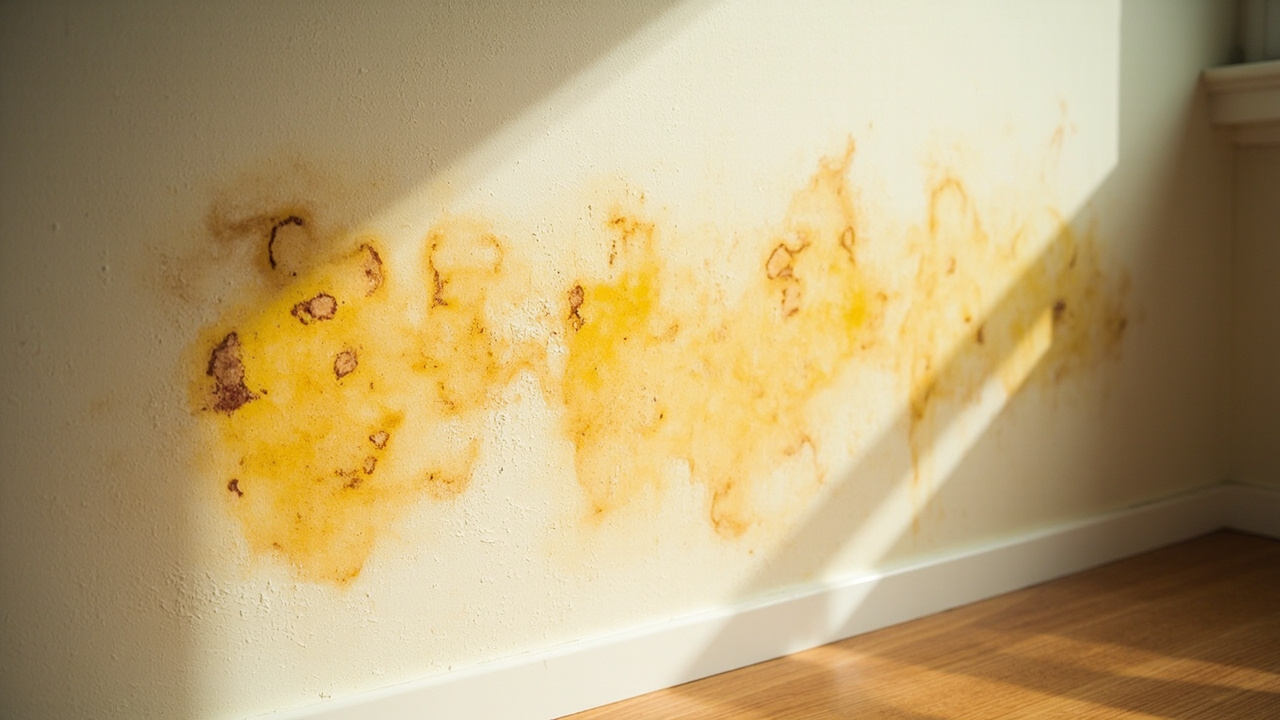
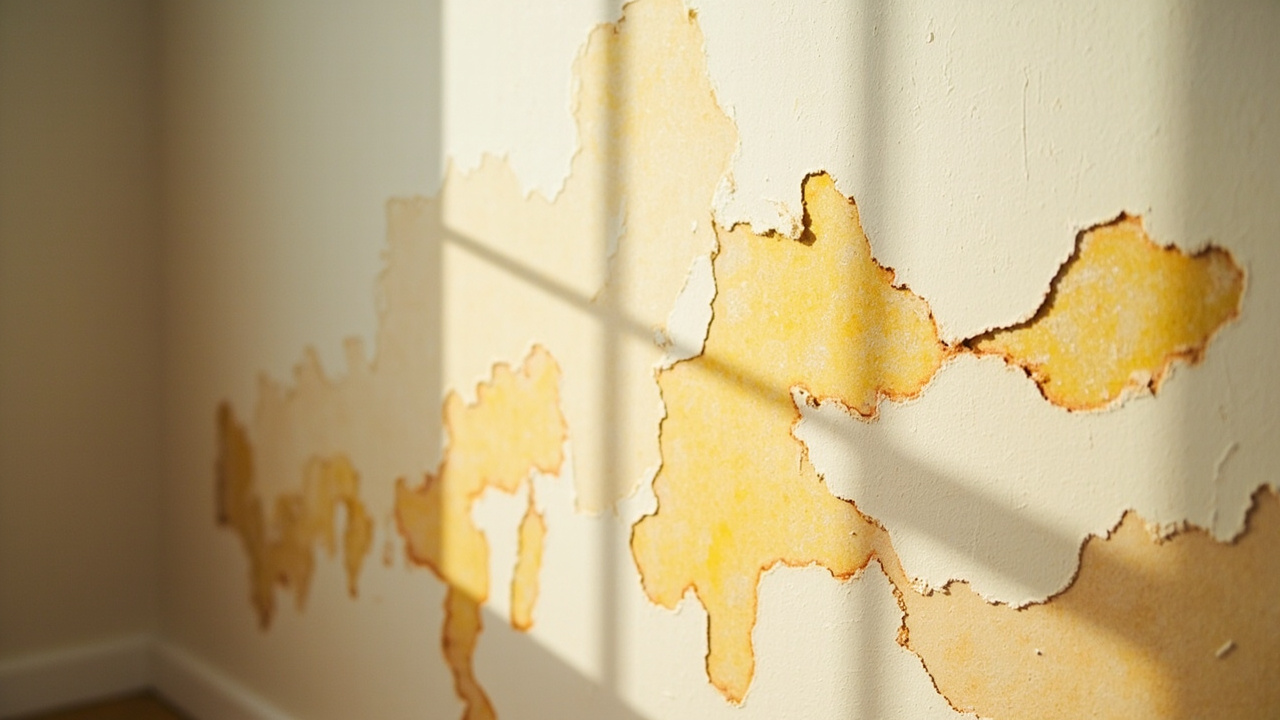
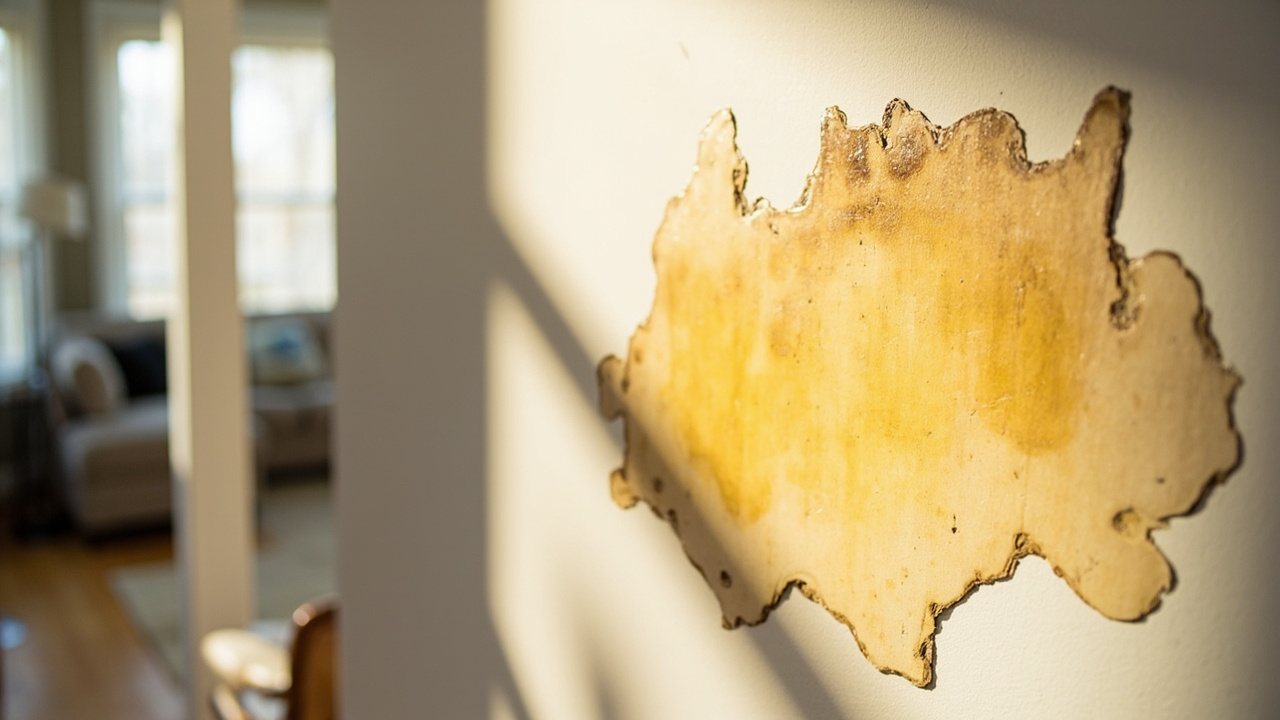
Memphis averages 54 inches of annual rainfall and maintains year-round relative humidity above 60 percent. That combination accelerates mold growth once drywall gets wet. Homes in Midtown, Cooper-Young, and East Memphis were built between 1920 and 1980, which means aging plumbing, outdated roof systems, and minimal attic ventilation. Water stains on drywall in these neighborhoods often indicate multiple problems, not just a single leak. Brown water spots on walls may trace back to corroded galvanized pipes. Yellow stains on drywall near bathrooms suggest leaking wax rings or drain lines. Wet patches on plasterboard in upper floors point to roof penetrations or ice dam damage during rare Memphis freezes.
Shelby County building codes require proper moisture barriers and ventilation in all new construction, but older homes were not built to those standards. Victory Water Damage Restoration Memphis understands the construction methods used in each Memphis neighborhood and adapts our diagnostic approach accordingly. We know which homes have plaster versus drywall, which subdivisions used polybutylene piping, and which areas face chronic foundation settlement due to clay soil. That local knowledge helps us find hidden moisture problems faster and prevents recurring water damage after repairs are complete.