Menu

Categories of Water in Memphis – Know the Contamination Level Before You Start Cleanup

Memphis homeowners and business owners must understand IICRC water categories to protect health, prevent toxic exposure, and avoid making flood damage worse with the wrong cleanup approach.

Slider Image 1
Slider Image 2
Slider Image 3
Slider Image 4
Slider Image 5
Slider Image 7
Slider Image 8
Slider Image 9
Slider Image 10
Slider Image 11

Why Water Categories Matter More in Memphis Than You Think

Not all water is the same. When your Memphis property floods, the source determines whether you face a simple cleanup or a biohazard crisis. The Institute of Inspection, Cleaning and Restoration Certification defines three water categories based on contamination levels, and each demands a different response.

Memphis's location along the Mississippi River and humid subtropical climate create unique flooding risks. When the Wolf River overflows or a sewer backup hits your Midtown home, you are not dealing with clean rainwater. You are facing Category 2 or Category 3 contamination that carries bacteria, viruses, and toxins.

The problem is that water contamination levels change over time. What starts as Category 1 clean water from a broken supply line becomes Category 2 gray water within 48 hours as bacteria multiply in Memphis's heat and humidity. If that water sits longer or contacts sewage, it escalates to Category 3 black water, a genuine health threat.

Most property owners in Cooper-Young or East Memphis do not know these water quality classifications exist. They grab a mop and start cleaning, unaware they are spreading contaminants or exposing their families to pathogens. Insurance adjusters and restoration contractors use IICRC water categories to determine proper protocols, estimate costs, and protect occupants.

Understanding types of water contamination is not academic. It is the difference between a safe DIY cleanup and a professional hazmat situation. Memphis's aging infrastructure, combined with heavy spring rains and occasional flash flooding near Nonconnah Creek, means contaminated water incidents happen more often than you think.

The water damage categories system exists to protect you. Once you know what you are dealing with, you can respond correctly and avoid turning a manageable problem into a costly health crisis.

Why Water Categories Matter More in Memphis Than You Think
How Professionals Classify Water Damage in Memphis Properties

How Professionals Classify Water Damage in Memphis Properties

When Liberty Water Damage Restoration Riverside arrives at your Memphis property, the first step is identifying the water category. This is not guesswork. We follow IICRC S500 standards to assess the source, measure contamination levels, and determine the correct restoration protocol.

Category 1 water originates from sanitary sources. Broken supply lines, overflowing sinks from clean tap water, or failed appliance hoses qualify. This water is safe to handle initially, but only if you act within 48 hours. In Memphis's warm, humid environment, bacteria colonize wet materials fast. Drywall, insulation, and carpet become breeding grounds. What started clean becomes Category 2 by the third day.

Category 2 gray water contains significant contamination. Dishwasher overflows, washing machine discharges, toilet bowls without feces, and sump pump failures fall here. This water carries microorganisms that can cause illness. Standard household cleaning is insufficient. You need antimicrobial treatment, controlled demolition of porous materials, and containment barriers to prevent cross-contamination in your Germantown or Cordova home.

Category 3 black water is grossly contaminated and poses serious health risks. Sewage backups, floodwater from the Mississippi or Wolf River, and any standing water that has sat for more than 72 hours qualify. This water contains bacteria, fungi, viruses, and toxins. Restoration requires full PPE, negative air pressure containment, disposal of all porous materials, and EPA-registered disinfectants.

We test moisture levels with thermal imaging and hygrometers. We document the source with photos and chain-of-custody reports for your insurance claim. We isolate affected areas to prevent contamination spread through your HVAC system or foot traffic. Memphis properties built before 1980 often have hidden cavities where contaminated water pools, so we use moisture meters to trace migration paths through wall assemblies and subfloors.

The category determines everything: safety protocols, equipment requirements, disposal methods, and restoration costs.

What Happens During a Water Category Assessment

Categories of Water in Memphis – Know the Contamination Level Before You Start Cleanup
01

Source Identification

We locate the exact origin of the water intrusion, whether it is a ruptured supply line behind your walls, a backed-up sewer lateral under your Vollintine-Evergreen home, or river flooding through foundation cracks. The source dictates the initial category. We photograph and document this for insurance purposes while tracing the water migration path through building materials to understand exposure zones.
02

Contamination Testing

We measure moisture content in affected materials and test for microbial activity. Thermal imaging reveals hidden saturation in ceilings and wall cavities common in Memphis's older homes. We evaluate how long the water has been present, because time elevates the category. If the water contacted sewage, soil, or organic debris from flooding near Shelby Farms, it automatically becomes Category 3 regardless of the original source.
03

Protocol Assignment

Once we establish the category, we implement the correct IICRC restoration protocol. Category 1 gets extraction, drying, and light antimicrobial treatment. Category 2 requires controlled demolition, antimicrobial application, and air scrubbing. Category 3 demands full hazmat procedures, negative air machines, disposal of all porous materials, and disinfection of all surfaces. You receive a written scope outlining safety measures and restoration steps.

Why Memphis Property Owners Choose Liberty Water Damage Restoration Riverside

Memphis presents water damage challenges that generic national franchises do not understand. Our teams know how the city's combined sewer system overflows during heavy rains, flooding basements in Historic South Memphis and Binghampton. We know that properties near the Mississippi River face seasonal groundwater intrusion, and homes built on Memphis's clay soils experience foundation movement that cracks sewer laterals.

We hold IICRC Water Restoration Technician certification and follow the same contamination protocols used by insurance adjusters and industrial hygienists. When we classify water as Category 2 or 3, we provide documentation that supports your claim and protects you from liability if someone gets sick after improper cleanup.

Local building codes in Memphis require permits for significant demolition and reconstruction. We handle those applications and coordinate inspections, so you do not face code violations or failed occupancy checks. Properties in historic overlay districts like Central Gardens have additional restrictions. We navigate those requirements while restoring your home to pre-loss condition.

Time matters in Memphis's climate. Humidity averages 70 percent year-round. Wet building materials develop mold within 24 to 48 hours. We deploy truck-mounted extraction units, commercial dehumidifiers, and air movers within hours of your call, not days. Our equipment removes moisture faster than portable units, which means less secondary damage and lower restoration costs.

We communicate directly with your insurance carrier, provide detailed moisture logs and photo documentation, and write estimates that align with Xactimate pricing databases. Most Memphis homeowners do not realize their policy excludes certain water categories or limits coverage for sewer backups. We identify those gaps upfront, so you are not blindsided during the claims process.

You are hiring local professionals who live in Bartlett, Collierville, and Lakeland. We respond to the same flood risks you face. That is not a marketing line. That is accountability.

What to Expect When You Call for Water Category Assessment

Rapid Response Time

Water does not wait, and neither do we. Our Memphis crews arrive within 60 to 90 minutes for emergency calls, day or night. We carry moisture detection equipment, containment barriers, and extraction tools on every truck, so the assessment and initial mitigation start immediately. You are not waiting days for corporate approvals or out-of-state dispatchers. We begin category classification and water removal the moment we walk through your door, minimizing damage progression and contamination spread.

Detailed Category Assessment

We perform a room-by-room inspection using thermal imaging cameras, moisture meters, and visual examination to identify the water source, measure contamination levels, and determine the IICRC category. You receive a written assessment that explains why the water qualifies as Category 1, 2, or 3, what materials are affected, and what safety risks exist. This documentation supports your insurance claim and ensures the restoration plan matches the actual contamination threat, not a generic template.

Safe, Compliant Restoration

Once the category is confirmed, we execute the appropriate IICRC protocol. Category 1 cleanup involves extraction, drying, and antimicrobial treatment. Category 2 requires controlled demolition, air scrubbing, and disinfection. Category 3 demands full containment, PPE, disposal of porous materials, and EPA-registered biocides. We follow local health department guidelines for contaminated waste disposal and provide certificates of microbial clearance when needed. Your property is not just dry. It is safe and compliant with Memphis building codes.

Post-Restoration Monitoring

After restoration, we conduct final moisture readings to confirm materials have returned to normal levels. You receive a project closeout report with before and after photos, moisture logs, and completion certificates for your insurance file. We provide guidance on monitoring for hidden moisture or odors that signal incomplete drying. If you experience issues in the weeks following restoration, we return to investigate at no charge. Memphis's humidity can reactivate moisture in building cavities, so we stay available until you are confident the job is complete.

Frequently Asked Questions

You Have Questions,
We Have Answers

What are the 5 types of water? +

In water damage restoration, professionals classify water into three categories, not five. Category 1 is clean water from sources like broken supply lines or rainwater. Category 2 is gray water from appliances like washing machines or dishwashers. Category 3 is black water from sewage backups or flooding, common in Memphis during heavy Mississippi River rainfall events. These categories help restoration teams in Memphis determine the right safety protocols and equipment needed. The classification can change over time. Clean water left untreated in Memphis humidity can quickly become Category 2 or 3 as bacteria multiply.

What are the three categories of water? +

Water damage professionals use three categories to classify contamination levels. Category 1 is clean water from sanitary sources like supply lines or faucets. Category 2 is gray water containing contaminants from appliances, sinks, or washing machines. Category 3 is black water with dangerous pathogens from sewage, flooding, or standing water. Memphis homeowners face Category 3 situations often during flood season when the Mississippi River overflows or when older sewer systems back up during heavy storms. The category determines treatment methods, safety gear required, and whether materials must be removed versus dried and sanitized.

What is category 1, 2, and 3 water? +

Category 1 water is clean and sanitary, coming from broken pipes, supply lines, or rainwater that has not contacted contaminants. Category 2 water is gray water with chemical or biological contamination from sources like dishwashers, washing machines, or toilet overflow without feces. Category 3 water is black water containing sewage, harmful bacteria, fungi, and pathogens from toilet backflows, flooding, or rising groundwater. In Memphis, Category 3 situations happen frequently in Midtown and Downtown areas with older infrastructure during heavy rainstorms. Each category requires different restoration protocols and specialized equipment to protect occupants and restoration crews.

What are the different water categories? +

Water damage restoration uses three distinct categories based on contamination levels and health risks. Category 1 is clean water from sanitary sources posing no immediate health threat. Category 2 is gray water containing contaminants that can cause discomfort or illness if consumed. Category 3 is black water with dangerous pathogens requiring immediate professional intervention and specialized equipment. Memphis properties face unique challenges with Category 3 water during spring flooding season when the Mississippi River rises or when high humidity accelerates bacterial growth in standing water. Understanding these categories helps property owners make informed decisions about safety and restoration urgency.

What are the 7 types of water? +

The water damage restoration industry recognizes three categories, not seven. Category 1 covers clean water from sanitary sources. Category 2 includes gray water with moderate contamination. Category 3 encompasses black water with severe contamination and health hazards. Memphis restoration professionals also evaluate water damage using four classes based on evaporation rate and affected materials. Class 1 affects minimal materials with low absorption. Class 2 affects fast-evaporating materials. Class 3 involves ceiling, walls, insulation, and carpeting. Class 4 requires specialty drying for hardwood, plaster, or concrete. Together, these classifications guide Memphis restoration teams in developing effective drying strategies.

What are category 5 waters? +

There is no Category 5 in water damage restoration. The industry standard includes only three categories based on contamination levels. Category 1 is clean water, Category 2 is gray water, and Category 3 is black water. Memphis property owners sometimes confuse hurricane categories or flood stage levels with water damage categories. The three-category system helps restoration professionals assess health risks and determine proper safety measures. If you encounter severely contaminated water in Memphis from sewage backups or flooding near Wolf River or Nonconnah Creek, you are dealing with Category 3 water requiring immediate professional remediation and specialized protective equipment.

What are the four classes of water? +

Water damage has four classes based on evaporation rate and absorption. Class 1 affects minimal area with low-porosity materials requiring short drying time. Class 2 affects fast-evaporating materials like carpet and drywall with moisture wicking up walls. Class 3 involves ceiling, walls, insulation, carpet, and subfloor requiring significant drying equipment. Class 4 affects specialty materials like hardwood, plaster, brick, or concrete requiring low-humidity drying. Memphis homes with hardwood floors or brick construction often face Class 4 situations. These classifications work alongside the three contamination categories to help restoration teams select appropriate equipment, estimate drying time, and plan extraction strategies.

What are all the types of waters? +

In restoration contexts, water types fall into three contamination categories and four evaporation classes. The three categories are clean water from supply lines, gray water from appliances, and black water from sewage or flooding. The four classes measure saturation levels and affected materials. Memphis properties also deal with specific water sources like Mississippi River flooding, groundwater seepage through clay soil, and humidity condensation from HVAC systems. Each source creates unique challenges. Rainwater entering through roof damage starts as Category 1 but becomes Category 2 or 3 within 48 hours in Memphis heat and humidity as bacteria colonize.

What are the classification of waters? +

Water classification in restoration uses two systems working together. The category system classifies contamination levels from Category 1 clean water through Category 3 black water. The class system measures evaporation difficulty from Class 1 minimal absorption through Class 4 specialty materials. Memphis restoration professionals assess both factors when responding to water damage. A Category 1 clean water leak can still be Class 4 if it saturates hardwood flooring common in East Memphis homes. The classification determines extraction methods, drying equipment, and restoration timeline. Standing water classification can change as time passes and contamination increases in Memphis humidity.

What are the 4 categories of water use? +

Water use categories differ from water damage categories. Municipal water use includes residential consumption, commercial operations, industrial processes, and agricultural irrigation. In water damage restoration, the four classes measure saturation and evaporation difficulty, not use. Class 1 through Class 4 help Memphis restoration teams determine equipment needs and drying time. Memphis properties use municipal water from the Memphis Sand Aquifer for daily needs, but when that water escapes through burst pipes or appliance failures, restoration professionals classify the damage by contamination category and evaporation class to develop effective remediation strategies and protect occupant health.

How Memphis's Aging Sewer System Increases Category 3 Water Risks

Memphis operates a combined sewer system in older neighborhoods like Crosstown, Cooper-Young, and the Medical District. During heavy rain events, stormwater and sewage flow through the same pipes. When capacity is exceeded, raw sewage backs up into basements and lower-level drains. This is automatic Category 3 black water. The city has invested in separation projects, but thousands of properties remain vulnerable. If you live in a pre-1970 home near downtown or Midtown, you face higher risk of sewage intrusion than newer developments in Cordova or Arlington. Category 3 incidents require professional remediation, not a shop vacuum and bleach.

Liberty Water Damage Restoration Riverside has managed hundreds of Category 2 and 3 incidents across Memphis and Shelby County. We maintain relationships with local plumbers who specialize in sewer lateral repairs, and we coordinate with Memphis Light, Gas and Water when municipal failures contribute to flooding. Understanding local infrastructure is critical. A Germantown sewer backup follows different protocols than a Frayser basement flood caused by Mississippi River backflow. We know which incidents require health department reporting and which materials must be disposed of as contaminated waste under Tennessee regulations. You get restoration that meets local standards, not generic national procedures.
Water Damage Services in The Memphis Area

We are proud to serve the Memphis community and its surrounding areas. Our dedicated team is strategically located to ensure a swift response to your water damage emergency, no matter where you are. We invite you to view our service map to see our coverage area and find out how we can assist you. Rest assured, when you call Victory Water Damage Restoration Memphis, a professional is never far away. We are committed to being your local and reliable restoration partner.

Address:
Victory Water Damage Restoration Memphis, 1995 Union Ave, Memphis, TN, 38104

Additional Services We Offer

Our news updates

Latest Articles & News from The Blogs

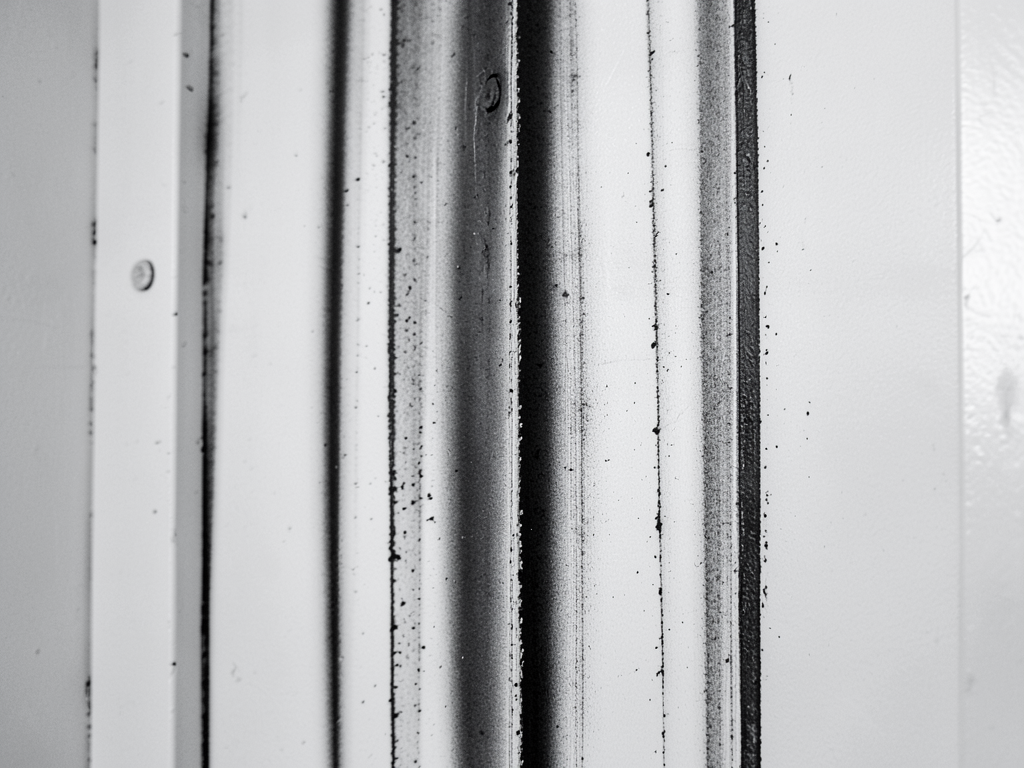
Why black streaks on your walls could mean you have a hidden moisture problem Black streaks on your walls can…

Why black streaks on your walls could mean you have a hidden moisture problem

Why black streaks on your walls could mean you have a hidden moisture problem Black streaks on your walls can…

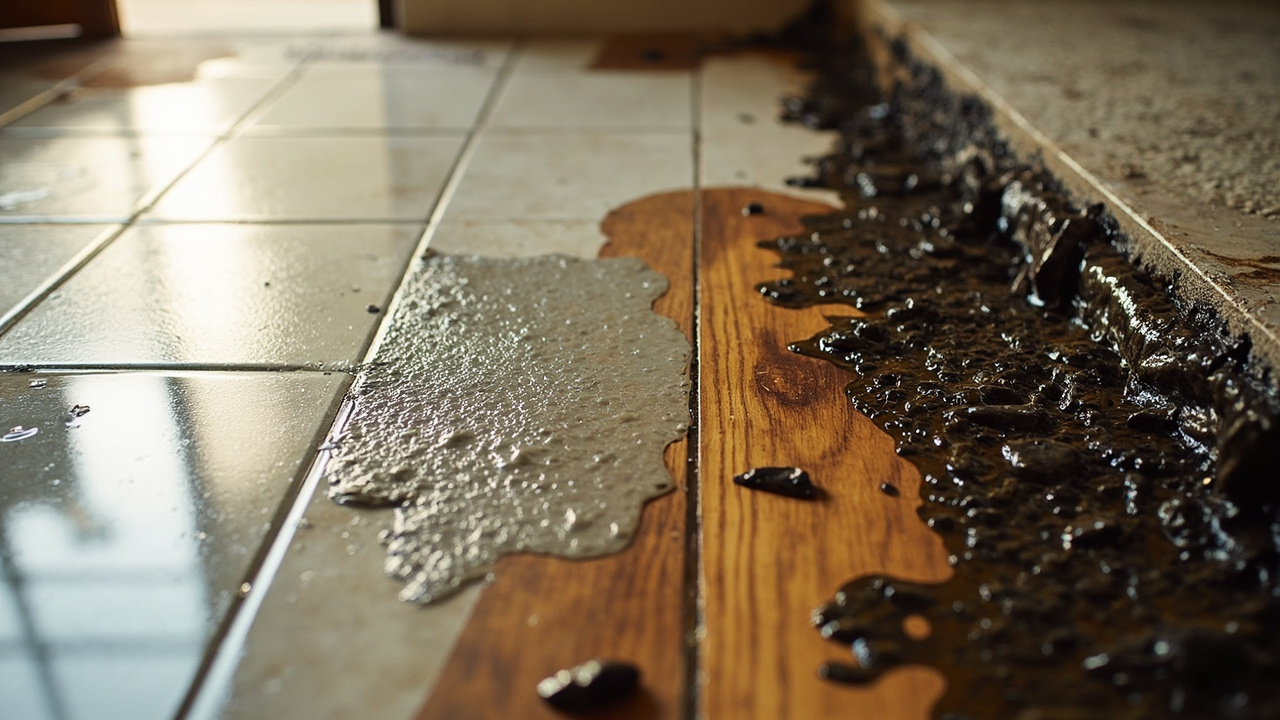
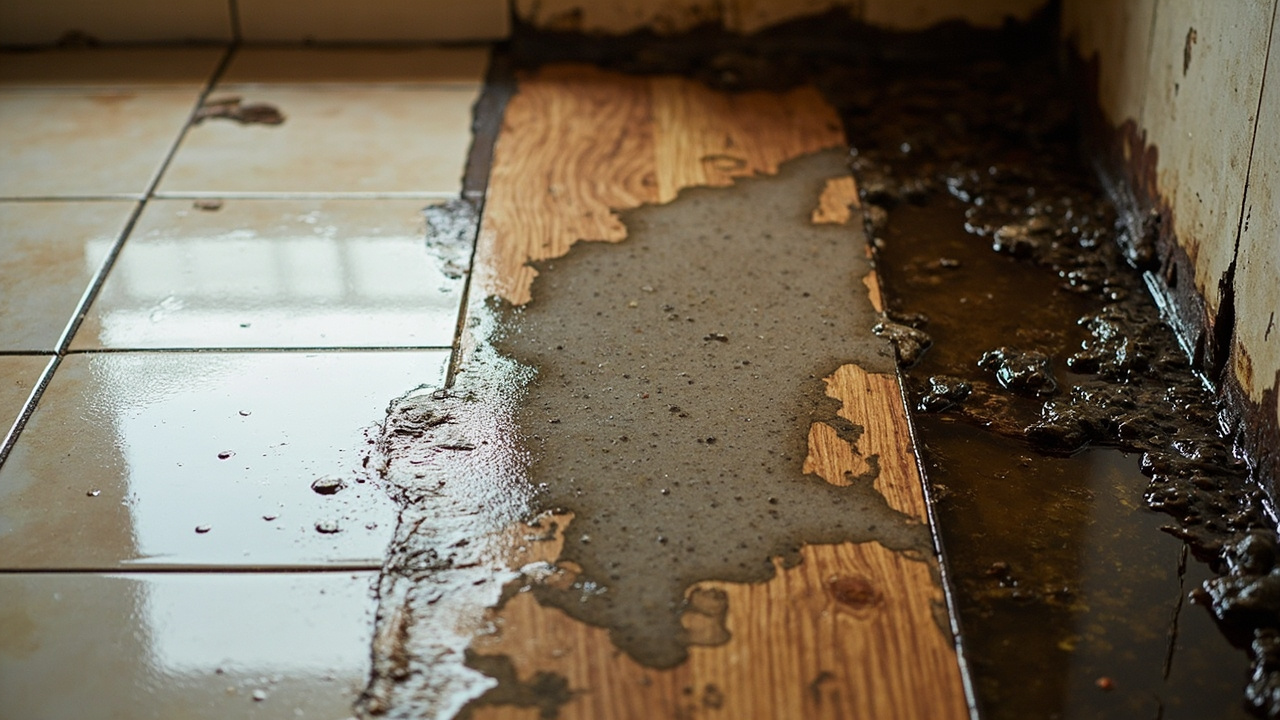
What to do if an MLGW water main break floods your North Memphis property

What to do if an MLGW water main break floods your North Memphis property When an MLGW water main breaks…

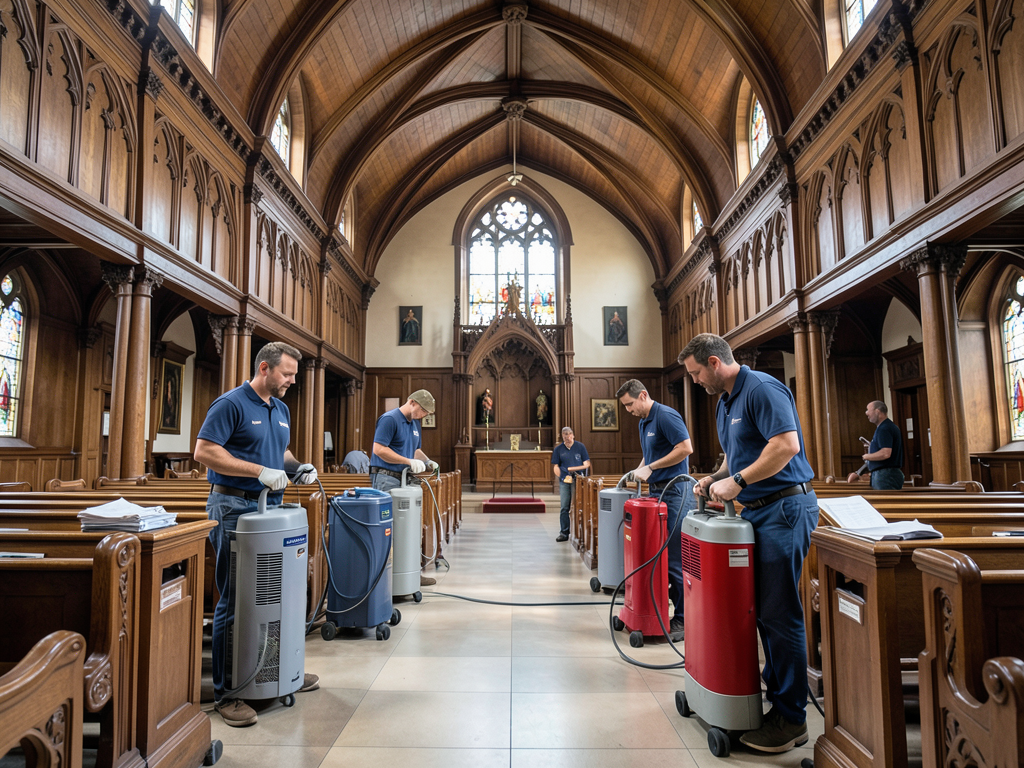
Handling water damage and mold in historic Memphis churches or community halls

Handling Water Damage and Mold in Historic Memphis Churches and Community Halls When water breaches the sanctuary of a historic…

Contact Us

Do not guess the contamination level. Call Liberty Water Damage Restoration Riverside at (901) 640-3133 for an immediate IICRC-certified assessment. We identify the category, implement the correct protocol, and restore your Memphis property safely.