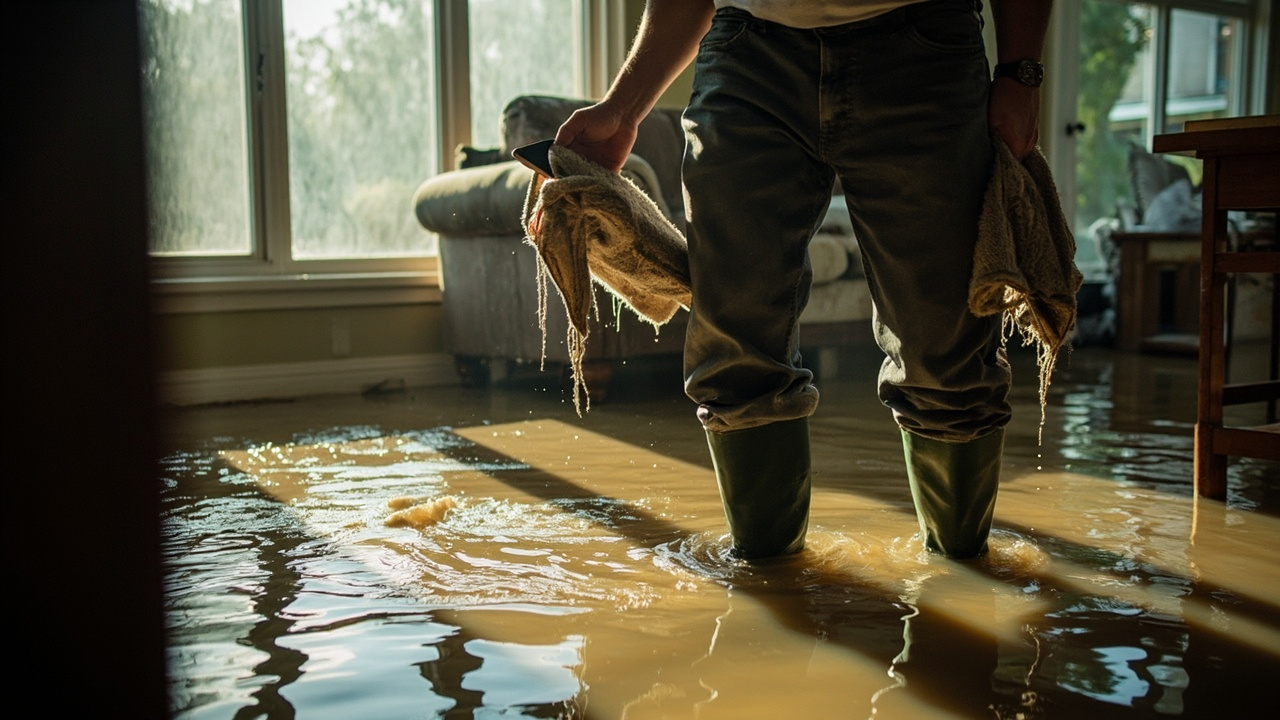
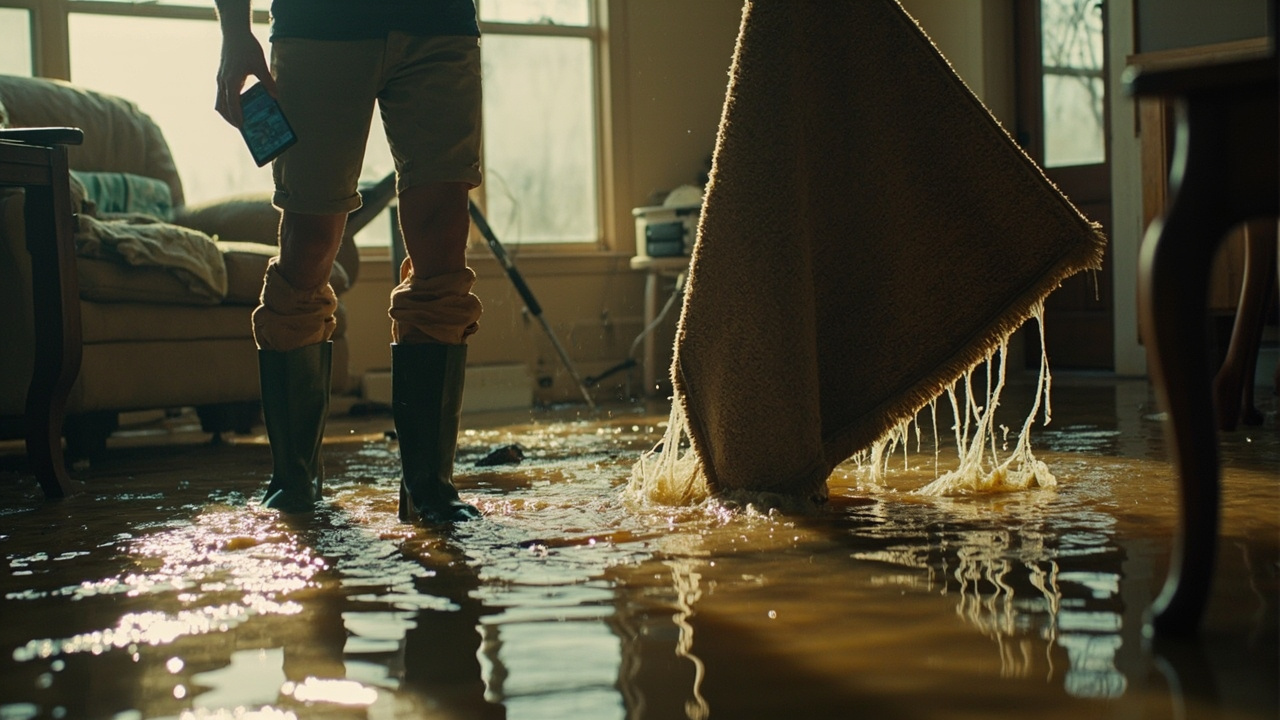
Memphis sits on Yazoo clay, a dense soil that expands when wet and contracts when dry. During flood events, this clay becomes impermeable. Water cannot drain vertically, so it moves laterally, pooling against foundations and seeping through cracks. This is why basement flooding in East Memphis often happens days after the rain stops. The water table rises slowly as saturated clay squeezes groundwater toward lower elevations. Standard sump pumps fail because they cannot keep pace with hydrostatic pressure. Recovery requires addressing both interior water and exterior soil saturation. You cannot just dry the inside and call it done.
Memphis flood restoration must account for the Mississippi River's influence on the local water table. When the river runs high, it backs up into tributary streams and storm drains. This causes surcharging, where water exits through the lowest point, often a basement floor drain or sump pit. Liberty Water Damage Restoration Riverside understands these hydrology patterns because we work here year-round. We know which neighborhoods flood from surface runoff versus groundwater intrusion. We know that homes near the Wolf River Greenway face different challenges than homes in the bluffs near Downtown. Local codes require specific backflow prevention devices in flood-prone zones. We ensure compliance during restoration so future flooding does not repeat the cycle.