Menu

Water Mitigation vs Restoration in Memphis – Know the Difference to Save Your Property and Your Budget

Understanding the critical difference between water mitigation and restoration helps Memphis homeowners and business owners make informed decisions, avoid costly mistakes, and work more effectively with insurance carriers during water damage emergencies.

Slider Image 1
Slider Image 2
Slider Image 3
Slider Image 4
Slider Image 5
Slider Image 7
Slider Image 8
Slider Image 9
Slider Image 10
Slider Image 11

Why Memphis Property Owners Confuse Water Mitigation and Restoration

When water floods your Memphis property, you hear two terms from every contractor and insurance adjuster. Water mitigation. Water restoration. Most people think they mean the same thing. They do not.

Memphis sits in the Mississippi Delta with high humidity year-round and frequent severe storms from April through November. The combination of heavy rainfall, aging plumbing in historic districts like Cooper-Young and Midtown, and poor drainage in low-lying neighborhoods near Nonconnah Creek creates constant water intrusion risks. When water enters your home or business, the clock starts. What happens in the first 24 to 48 hours determines whether you face a manageable repair or total reconstruction.

The difference between water mitigation and restoration is not semantic. Water damage mitigation vs restoration represents two distinct phases of recovery. Mitigation stops the damage from spreading. Restoration brings your property back to its pre-loss condition. Confusing the two costs you time and money.

Water remediation vs restoration adds another layer of confusion. Remediation focuses on removing contaminants like sewage or mold. Restoration rebuilds what was damaged. Mitigation vs reconstruction follows a similar logic. Mitigation is emergency response. Reconstruction is the final repair. Water cleanup vs water repair? Cleanup is temporary. Repair is permanent.

Memphis property owners who understand these distinctions communicate better with contractors, navigate insurance claims faster, and avoid paying for services they do not need. Knowing what each phase involves gives you control during a chaotic situation.

Why Memphis Property Owners Confuse Water Mitigation and Restoration
What Water Mitigation and Restoration Actually Mean

What Water Mitigation and Restoration Actually Mean

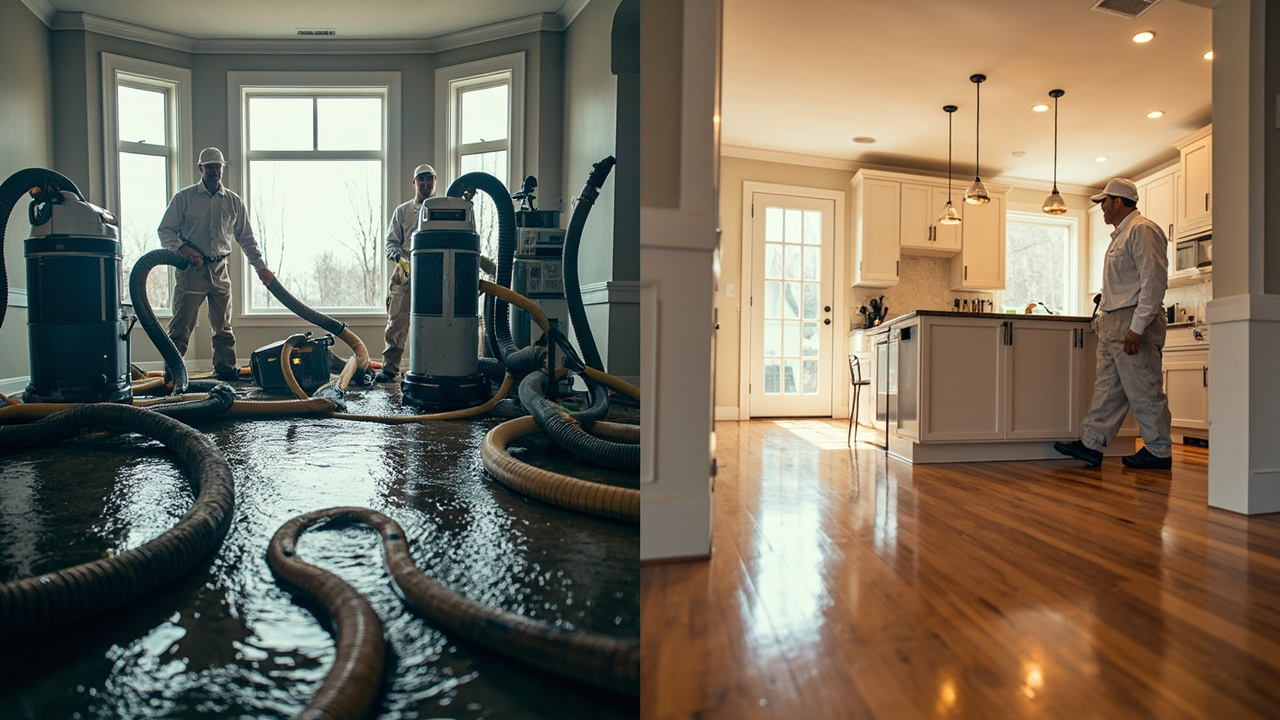
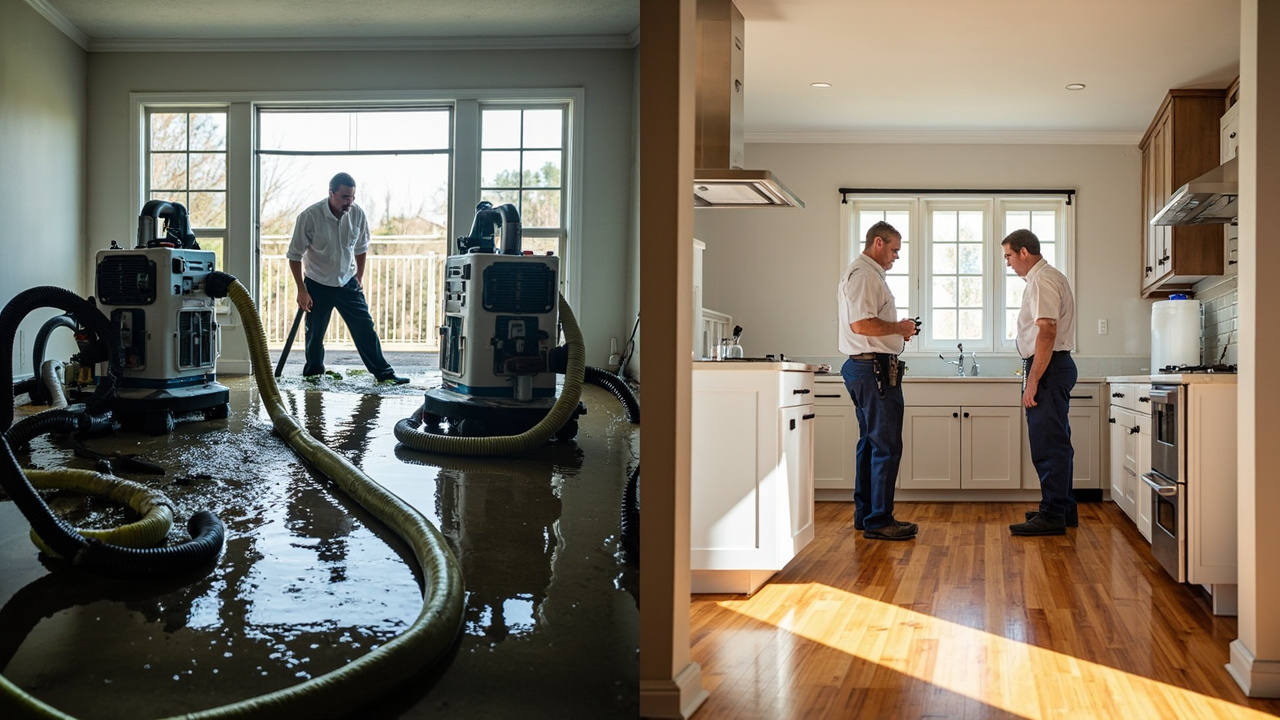
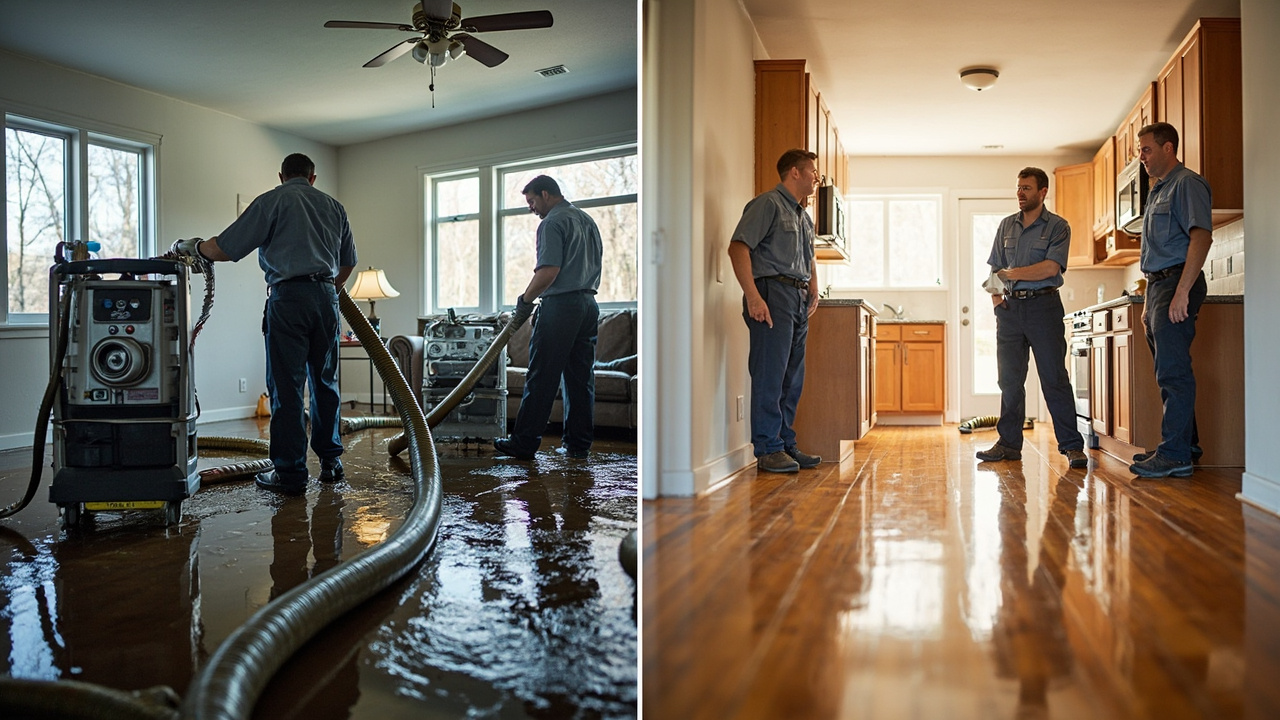
Water mitigation is emergency response. When water enters your property, mitigation teams arrive within hours to stop the damage from worsening. They extract standing water using truck-mounted pumps and portable extractors. They set up commercial-grade dehumidifiers and air movers to dry structural materials. They remove wet contents like furniture, carpets, and personal items. They tear out damaged drywall, insulation, and flooring that cannot be saved. They apply antimicrobial treatments to prevent mold growth.

Mitigation is temporary stabilization. The goal is to prevent secondary damage like mold colonization, wood rot, and structural weakening. In Memphis, where summer humidity can exceed 80 percent, mold spores activate within 24 to 48 hours if wet materials remain. Mitigation teams use moisture meters and thermal imaging cameras to locate hidden water in wall cavities, under flooring, and above ceilings. They document everything for insurance claims with photos, moisture readings, and detailed notes.

Water restoration begins after mitigation is complete and the property is dry. Restoration teams rebuild what was removed or damaged. They install new drywall, insulation, flooring, baseboards, and paint. They reconnect plumbing and electrical systems. They restore your property to its pre-loss condition or better. Restoration can take days or weeks depending on the extent of damage.

The two phases require different skills, equipment, and timelines. Mitigation is fast and tactical. Restoration is methodical and precise. Some companies handle both. Others specialize in one phase and subcontract the other. Understanding the distinction helps you ask the right questions and hold contractors accountable.

How the Mitigation to Restoration Process Works in Memphis

Water Mitigation vs Restoration in Memphis – Know the Difference to Save Your Property and Your Budget
01

Emergency Water Mitigation

Mitigation begins with a thorough assessment of the damage using moisture meters and infrared cameras to locate hidden water. Teams extract standing water, remove unsalvageable materials, and deploy industrial drying equipment. They monitor moisture levels daily until readings return to normal. This phase stops the damage from spreading and creates a safe, stable environment for restoration work to begin.
02

Documentation and Insurance Coordination

After initial mitigation, technicians document all damage with photos, moisture readings, and detailed reports for insurance claims. They create a scope of work that outlines what needs repair or replacement. This documentation bridges the gap between emergency response and full restoration. Clear records help insurance adjusters approve claims faster and ensure nothing gets overlooked during reconstruction.
03

Full Property Restoration

Restoration teams rebuild your property using the approved scope of work. They install new drywall, flooring, cabinetry, and fixtures. They match paint colors, textures, and finishes to existing surfaces. They test all plumbing and electrical systems to ensure proper function. The goal is to return your Memphis property to its original condition or upgrade materials to prevent future damage.

Why Memphis Property Owners Trust Liberty Water Damage Restoration Riverside

Liberty Water Damage Restoration Riverside handles both mitigation and restoration under one roof. You work with a single team from the emergency call through final walkthrough. No handoffs. No miscommunication. No delays waiting for subcontractors.

Memphis properties face unique challenges. Homes in historic districts like Victorian Village and Annesdale Park use plaster walls and hardwood floors that require specialized drying techniques. Commercial buildings in the Medical District and along Poplar Avenue cannot afford extended downtime. Residential properties near Wolf River and Loosahatchie Creek deal with recurring flooding. We understand these local conditions because we work in Memphis every day.

Our technicians hold IICRC certifications in water damage restoration and applied structural drying. We use thermal imaging to locate moisture in wall cavities and under flooring without unnecessary demolition. We communicate directly with insurance adjusters to streamline the claims process. We document everything with photos, moisture logs, and detailed reports.

Memphis building codes require specific procedures for mold remediation, electrical work, and structural repairs. We follow those codes to the letter. Cutting corners creates liability. We pull permits when required. We coordinate inspections. We deliver work that passes scrutiny from insurance carriers, code inspectors, and property owners.

You choose Liberty Water Damage Restoration Riverside because we treat your Memphis property like our own. We answer calls 24 hours a day because water does not wait for business hours. We show up fast. We work clean. We finish on time.

What to Expect During Mitigation and Restoration

Rapid Emergency Response

Water mitigation requires immediate action. Our teams arrive within hours of your call, even at night or on weekends. We assess the damage, extract standing water, and deploy drying equipment before secondary damage sets in. Speed matters in Memphis where high humidity accelerates mold growth. Every hour of delay increases the scope and cost of restoration. We mobilize fast to protect your property and your budget.

Comprehensive Damage Assessment

Our technicians use moisture meters, infrared cameras, and visual inspections to map the full extent of water intrusion. We check wall cavities, subfloors, attics, and crawl spaces. We identify materials that can be dried and saved versus materials that require removal. This assessment drives the scope of work and ensures nothing gets missed. We document findings with photos and moisture readings for insurance claims and your records.

Quality Restoration Work

Restoration rebuilds your property to meet or exceed its original condition. We match materials, finishes, and textures to existing surfaces. We upgrade where it makes sense to prevent future problems. Our carpenters, plumbers, and electricians follow Memphis building codes and manufacturer specifications. We do not rush. We do not cut corners. You get work that lasts and stands up to inspection by insurance adjusters or future buyers.

Post-Restoration Support

After restoration is complete, we walk you through the work and answer any questions. We provide maintenance recommendations to prevent future water damage. If issues arise after the project closes, we address them promptly. Our goal is not just to fix the damage but to leave you confident in the quality and durability of the repairs. You get peace of mind along with a fully restored property.

Frequently Asked Questions

You Have Questions,
We Have Answers

What is the difference between water restoration and mitigation? +

Water mitigation stops active damage and prevents further loss. Technicians extract standing water, set up drying equipment, and stabilize your property. Water restoration rebuilds what was damaged. This includes replacing drywall, repainting walls, installing new flooring, and returning your home to pre-loss condition. Mitigation happens first and fast, usually within 24 to 48 hours. Restoration follows once everything is dry and safe. In Memphis, where humidity slows drying, mitigation is critical to prevent mold growth before restoration begins.

What is mitigation and restoration? +

Mitigation reduces immediate damage after a water event. Crews remove water, dry affected areas, and prevent secondary issues like mold or structural weakening. Restoration repairs and rebuilds your property to its original state. This includes replacing damaged materials, refinishing surfaces, and ensuring everything is structurally sound. Think of mitigation as emergency response and restoration as the reconstruction phase. Both are essential steps in recovering from water damage. Memphis homes, with their older foundations and high moisture levels, benefit from fast mitigation to protect long-term structural integrity.

What is the difference between remediation and restoration? +

Remediation removes hazards like mold, sewage, or contaminated materials. It focuses on eliminating health risks and making the space safe. Restoration repairs and rebuilds damaged structures and finishes. Remediation often happens during or immediately after mitigation if contaminants are present. Restoration is the final step, returning your property to normal. For example, after a sewage backup in a Memphis basement, remediation removes biohazards, then restoration replaces insulation and flooring. Both processes require skilled professionals, but remediation prioritizes safety while restoration prioritizes appearance and function.

What does water restoration mean? +

Water restoration is the complete process of returning your property to its pre-damage condition. It includes mitigation, drying, structural repairs, rebuilding, and finishing work. Restoration addresses everything from extracting water and drying subfloors to replacing drywall, cabinetry, and flooring. The goal is to make your home or business look and function as if the water damage never happened. In Memphis, where storms and plumbing failures are common, restoration companies handle everything from initial water removal to the final coat of paint.

What is the average cost of water mitigation? +

Water mitigation costs vary based on damage extent, water source, and affected area size. Expect costs to depend on extraction needs, drying equipment, labor hours, and structural complexity. Clean water incidents cost less than sewage backups. Mitigation for a single room differs from whole-home flooding. Memphis homeowners should contact their insurance company immediately, as most policies cover mitigation when damage is sudden and accidental. Do not wait for estimates before starting mitigation. Delays increase costs and create secondary damage that insurance may not cover.

What are the three types of mitigation? +

The three main types of mitigation in water damage are immediate response, structural drying, and damage prevention. Immediate response includes stopping the water source and extracting standing water. Structural drying uses dehumidifiers and air movers to remove moisture from walls, floors, and framing. Damage prevention involves monitoring moisture levels, treating affected areas to stop mold growth, and protecting salvageable materials. In Memphis, high humidity makes structural drying critical. Without proper equipment, moisture lingers in building materials and creates mold problems within 48 hours.

What are the 4 types of mitigation? +

Four types of mitigation include avoidance, reduction, transfer, and acceptance. In water damage restoration, avoidance means stopping the water source immediately. Reduction involves extracting water quickly and drying materials to minimize loss. Transfer happens through insurance claims, shifting financial burden from you to your carrier. Acceptance applies when some materials cannot be saved and must be replaced during restoration. Memphis homeowners benefit most from fast reduction efforts. The city's humidity and older housing stock mean water damage worsens quickly without professional intervention and proper drying protocols.

When to call a water restoration company? +

Call a water restoration company immediately when you discover standing water, saturated materials, or active leaks you cannot stop. Do not wait. Water spreads quickly through flooring, walls, and insulation. In Memphis, where humidity is high year-round, delays allow mold to colonize within 24 to 48 hours. Call professionals for burst pipes, roof leaks, appliance failures, sewage backups, or storm flooding. Restoration companies operate 24/7 and arrive fast. They extract water, prevent further damage, document losses for insurance, and begin drying your property right away.

Do you mitigate or remediate mold? +

You remediate mold, not mitigate it. Remediation removes mold colonies, treats affected surfaces, and eliminates spores. Mitigation stops active water damage before mold develops. If water damage sits untreated for more than 48 hours in Memphis, mold growth is likely. At that point, you need mold remediation in addition to water mitigation. Professionals contain the area, remove contaminated materials, apply antimicrobial treatments, and verify air quality. Never ignore visible mold or musty odors after water damage. Both signal a health hazard that requires immediate professional remediation.

Do I need water mitigation? +

Yes, you need water mitigation if you have standing water, saturated materials, or active leaks. Mitigation prevents structural damage, mold growth, and increased repair costs. Even small leaks cause hidden damage inside walls and under flooring. Memphis homes face unique risks from humidity, older plumbing, and seasonal storms. Without mitigation, water weakens framing, ruins insulation, and creates mold within two days. Your insurance policy likely requires prompt mitigation to cover the claim. Professional crews extract water, dry structures, and document damage for your carrier.

Why Memphis Humidity Makes Mitigation Critical Before Restoration

Memphis averages 75 percent relative humidity in summer with frequent spikes above 85 percent after storms roll through from the Mississippi River corridor. This moisture-saturated air slows evaporation and creates ideal conditions for mold colonization. Water mitigation teams must deploy enough dehumidification capacity to overcome ambient humidity and dry structural materials to safe moisture levels. Skipping or rushing mitigation leaves hidden moisture in wall cavities and subfloors. That moisture fuels mold growth even after restoration is complete. Proper mitigation takes longer in Memphis than in dry climates, but it prevents costly callbacks and health hazards.

Memphis property owners benefit from working with local water damage professionals who understand regional construction methods and climate challenges. Homes built before 1980 often lack vapor barriers and use materials that absorb water quickly. Commercial buildings in Midtown and downtown feature older plumbing systems prone to leaks and bursts. Local contractors know which materials dry in place and which require removal. They understand Memphis building codes and inspection procedures. They maintain relationships with local insurance adjusters and can expedite claims. Choosing a Memphis-based team ensures faster response, better communication, and work that meets local standards.
Water Damage Services in The Memphis Area

We are proud to serve the Memphis community and its surrounding areas. Our dedicated team is strategically located to ensure a swift response to your water damage emergency, no matter where you are. We invite you to view our service map to see our coverage area and find out how we can assist you. Rest assured, when you call Victory Water Damage Restoration Memphis, a professional is never far away. We are committed to being your local and reliable restoration partner.

Address:
Victory Water Damage Restoration Memphis, 1995 Union Ave, Memphis, TN, 38104

Additional Services We Offer

Our news updates

Latest Articles & News from The Blogs

Why black streaks on your walls could mean you have a hidden moisture problem Black streaks on your walls can…

Why black streaks on your walls could mean you have a hidden moisture problem

Why black streaks on your walls could mean you have a hidden moisture problem Black streaks on your walls can…

What to do if an MLGW water main break floods your North Memphis property

What to do if an MLGW water main break floods your North Memphis property When an MLGW water main breaks…

Handling water damage and mold in historic Memphis churches or community halls

Handling Water Damage and Mold in Historic Memphis Churches and Community Halls When water breaches the sanctuary of a historic…

Contact Us

Water damage does not wait. Call Liberty Water Damage Restoration Riverside at (901) 640-3133 for 24-hour emergency response. We handle mitigation and restoration so you work with one team from start to finish. Fast. Professional. Local.