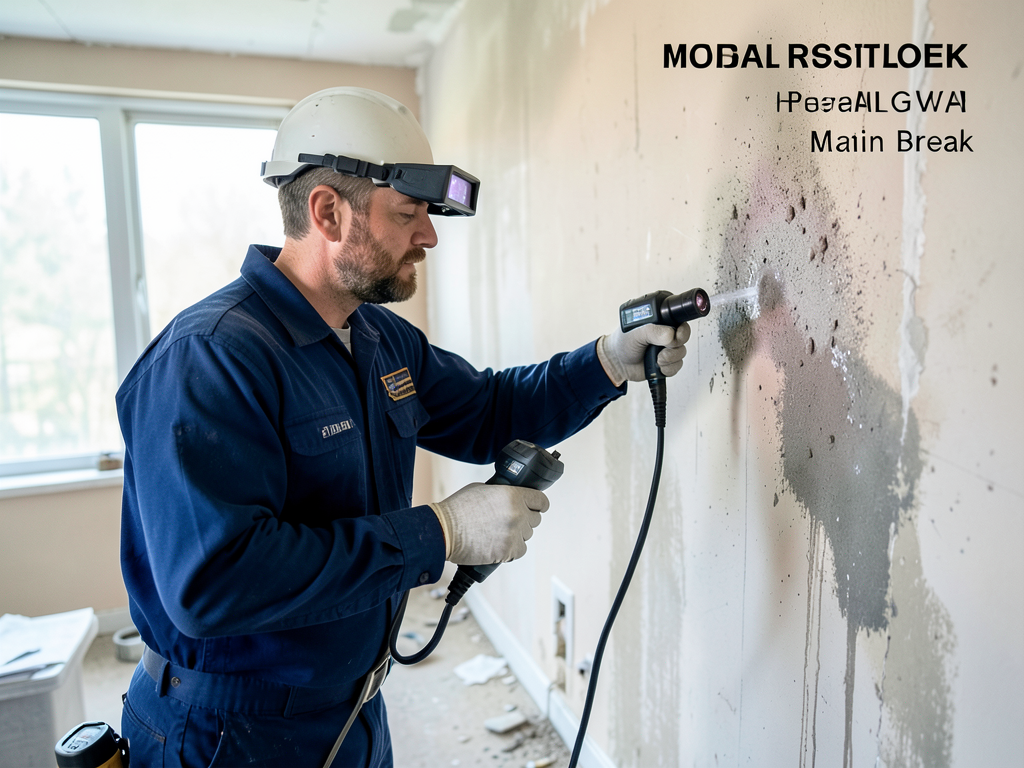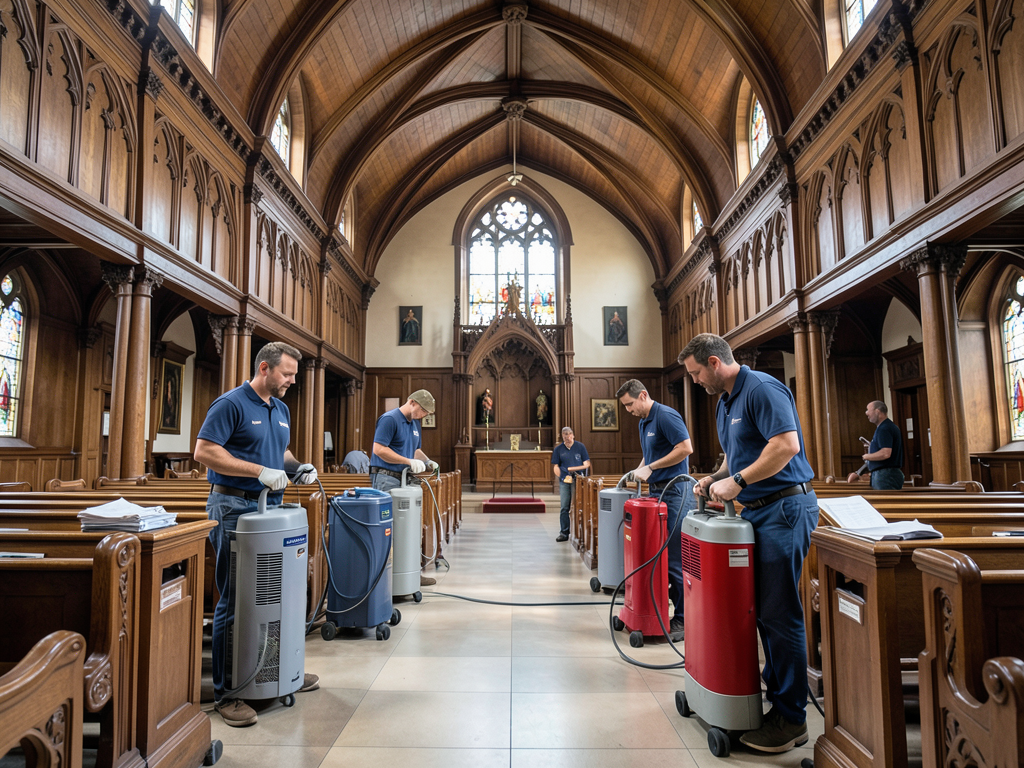
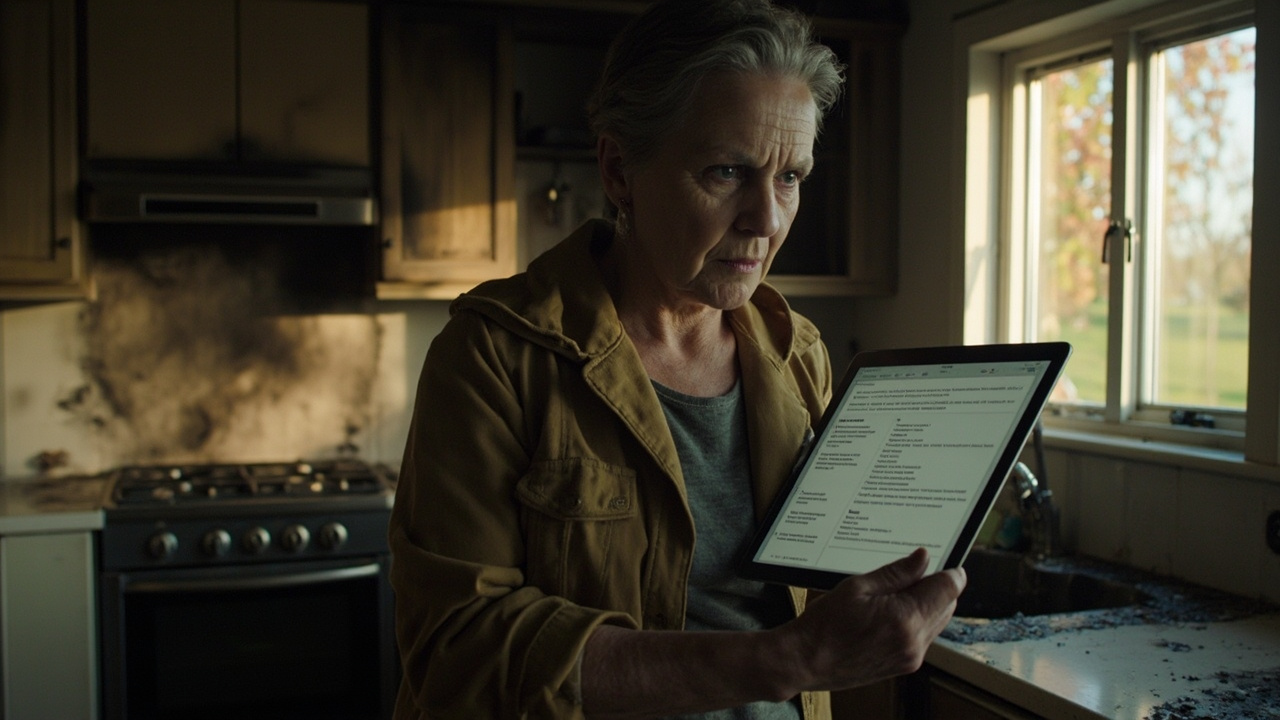

Memphis averages 77 percent relative humidity during summer months. This creates accelerated mold growth timelines after fire damage. While national standards cite 24 to 48 hours for mold colonization, Memphis's climate compresses that window. Firefighting water saturates insulation, drywall, and structural lumber. In our humid environment, these materials remain wet longer and create ideal conditions for microbial growth before drying equipment can be deployed. Post-fire safety steps must include immediate moisture extraction and dehumidification to prevent secondary contamination that compounds fire damage. The fire recovery safety guide you receive must account for this regional climate factor.
Memphis sits in a high-risk zone for both residential fires and severe weather that can impede post-fire remediation. Local restoration specialists understand the urgency of securing fire-damaged structures before summer thunderstorms introduce additional water intrusion. We coordinate with Memphis Fire Department incident reports to understand suppression methods used, which determines water damage extent. Our familiarity with local building inspectors expedites permit processing for emergency repairs. Choosing local expertise for your post-fire hazard checklist means working with professionals who understand Memphis-specific challenges and maintain relationships with local authorities that accelerate your recovery timeline.