Menu

Memphis Basement Waterproofing Guide – Proven Solutions for Bluff City's Unique Water Table Challenges

Our basement waterproofing guide addresses Memphis's elevated water tables, seasonal flooding patterns, and expansive clay soil conditions with field-tested methods that protect your home's foundation for decades.

Slider Image 1
Slider Image 2
Slider Image 3
Slider Image 4
Slider Image 5
Slider Image 7
Slider Image 8
Slider Image 9
Slider Image 10
Slider Image 11

Why Memphis Basements Fail Without Proper Waterproofing

Memphis sits on a unique geological foundation that creates constant basement challenges. The city's proximity to the Mississippi River elevates the water table across Midtown, Cooper-Young, and East Memphis. During spring runoff, hydrostatic pressure builds against basement walls, forcing water through even microscopic foundation cracks.

The region's expansive clay soil compounds the problem. When saturated, Memphis clay expands and pushes laterally against foundation walls. During dry summers, that same clay shrinks away, creating gaps where water pools during the next rain event. This cycle repeats year after year, progressively weakening foundation integrity.

Most homeowners notice the warning signs too late. A musty odor in the basement signals active mold growth. White mineral deposits on walls indicate chronic moisture intrusion. Efflorescence appears when water evaporates through concrete, leaving calcium carbonate crystals behind.

Understanding how to waterproof a basement starts with recognizing these Memphis-specific threats. Foundation waterproofing methods that work in drier climates fail here because they do not account for our water table fluctuations. Basement sealing techniques must address both external hydrostatic pressure and internal humidity management.

The cost of ignoring wet basement solutions escalates quickly. Water damage destroys stored belongings first. Then it attacks floor joists and rim boards. Eventually, structural settling occurs as soil beneath the foundation becomes unstable. A comprehensive leaky basement repair guide addresses all these failure points before they compromise your home's structural integrity.

Memphis homeowners need waterproofing systems designed for our specific challenges, not generic approaches borrowed from other regions.

Why Memphis Basements Fail Without Proper Waterproofing
How Professional Basement Waterproofing Actually Works

How Professional Basement Waterproofing Actually Works

Effective basement waterproofing combines exterior drainage management with interior moisture control. The approach depends on whether you face active flooding or chronic dampness.

Exterior waterproofing starts with excavation down to the footer level. We expose the foundation wall, then apply a rubberized asphalt membrane or bentonite clay panels directly to the concrete. This creates a true water barrier before backfilling. We install perforated drain tile at the footer level, sloped to discharge points away from the structure. This French drain system intercepts groundwater before it contacts your foundation wall.

Interior waterproofing tackles water that has already entered the basement envelope. We install a perimeter drainage channel along the basement floor where it meets the wall. This captures water seeping through the wall-floor joint, directing it to a sump pit. A high-capacity sump pump then evacuates that water outside, well beyond your foundation perimeter.

Crack injection stops active leaks through foundation walls. We use polyurethane or epoxy resins under pressure to fill voids in poured concrete. For block foundations, we inject the hollow cores to prevent water migration through the masonry.

Vapor barriers control humidity in basements without active leaks. A 6-mil polyethylene sheet over exposed soil prevents ground moisture from evaporating into your basement air. Paired with a dehumidifier, this maintains relative humidity below the 60% threshold where mold proliferates.

Liberty Water Damage Restoration Riverside combines these techniques based on your specific failure mode. We do not sell unnecessary solutions. If exterior waterproofing is not feasible due to landscaping or structural constraints, we design interior systems that achieve the same dry basement outcome.

What Happens During a Professional Basement Waterproofing Project

Memphis Basement Waterproofing Guide – Proven Solutions for Bluff City's Unique Water Table Challenges
01

Foundation Assessment

We inspect your basement during and after rain events to identify active water entry points. Moisture meters measure concrete saturation levels. We examine grading around your foundation, downspout discharge points, and soil composition. This diagnostic phase determines whether you need exterior excavation, interior drainage, or a hybrid approach. We document findings with photos and measurements, then explain exactly which basement sealing techniques will solve your specific problem.
02

System Installation

Installation begins with demolition if necessary. We remove compromised concrete along basement perimeters, excavate trenches for drain tile, and prepare surfaces for waterproof membranes. Sump pits are core-drilled through basement floors. We install drainage systems with proper slope, seal all penetrations, and test flow rates before backfilling. For exterior work, we coordinate landscaping restoration. Each component is installed to manufacturer specifications, ensuring the system performs during Memphis's heaviest rain events.
03

Testing and Documentation

Before we consider the job complete, we flood-test the drainage system. Water is introduced at multiple points to verify proper flow to discharge locations. Sump pumps are tested under load conditions. We provide detailed documentation of all work performed, including photos of buried components before backfilling. You receive maintenance guidelines specific to your installed system. We schedule a follow-up inspection after the next significant rain event to confirm the system performs as designed.

Why Memphis Homeowners Trust Local Waterproofing Expertise

Memphis's basement challenges require local knowledge that out-of-town contractors simply do not possess. We understand how seasonal Mississippi River levels affect groundwater pressure in Harbor Town and Mud Island neighborhoods. We know which soil types exist in Germantown versus Cordova, and how that dictates drainage design.

Local building codes in Shelby County evolved specifically to address our flood risks and soil conditions. Waterproofing systems must comply with these standards, which differ significantly from generic national guidelines. We maintain relationships with local building inspectors, ensuring your project passes inspection the first time.

The clay soil throughout Memphis requires specialized backfill materials. Standard gravel used elsewhere becomes ineffective when surrounded by our dense clay. We use graduated filter fabric and specific aggregate mixes that prevent clogging while maintaining drainage capacity over decades.

Memphis experiences temperature swings that affect foundation movement. Winter freeze-thaw cycles create different stress patterns than summer heat expansion. Our waterproofing methods account for this seasonal movement, using flexible sealants and expansion joints where rigid materials would crack.

We have waterproofed basements in every Memphis neighborhood. Historic homes in Central Gardens require different approaches than new construction in Collierville. Homes near Wolf River face distinct challenges compared to properties on the Chickasaw Bluffs. This accumulated experience means we accurately diagnose your problem the first visit.

Liberty Water Damage Restoration Riverside has responded to basement flooding during every major Memphis rain event of the past decade. We know which systems fail and which continue protecting homes year after year. That real-world testing informs every recommendation we make. You get solutions proven in Memphis conditions, not theoretical approaches from a training manual.

What to Expect From Your Basement Waterproofing Project

Project Timeline and Scheduling

Interior drainage system installation typically requires two to three days for an average Memphis basement. Exterior waterproofing with excavation extends to five to seven days, weather permitting. We schedule projects during dry periods when soil is workable and concrete can cure properly. Emergency leak repairs begin within hours of your call. We coordinate with your schedule to minimize disruption, working in sections if you need continued basement access. Material delivery, excavation equipment, and inspector visits are all scheduled in advance. You receive a detailed timeline before work begins, with daily updates if weather or unexpected conditions require adjustments.

Comprehensive Moisture Evaluation

Your assessment begins with a visual inspection of interior and exterior conditions. We use thermal imaging cameras to detect hidden moisture in walls and floors. Moisture meters provide quantitative readings of concrete saturation levels. We examine your property's grading, checking for negative slope toward the foundation. Downspouts and gutters are evaluated for proper function and discharge location. Interior humidity levels are measured and compared to outdoor conditions. We inspect sump pump operation if one exists, testing float switches and discharge lines. You receive a written report identifying every water entry point, moisture source, and drainage deficiency. This diagnostic accuracy ensures we solve your actual problem, not just visible symptoms.

Permanent Dry Basement Results

Properly installed waterproofing systems eliminate basement water intrusion for decades. You will notice immediate humidity reduction within days of system activation. Musty odors disappear as air quality improves. Previously damp walls dry out, and efflorescence stops forming. Your basement becomes usable living or storage space instead of a liability. Sump pumps activate only during heavy rain, automatically protecting your home without your intervention. The system requires minimal maintenance, typically just annual sump pump testing and drain inspection. You gain peace of mind during Memphis thunderstorms, knowing your basement stays dry. Property value increases because buyers recognize professionally waterproofed basements as a major asset, not a future expense.

Ongoing System Support

We provide detailed maintenance instructions specific to your installed system. Sump pump maintenance includes cleaning intake screens and testing battery backup systems if installed. Exterior drain tile requires periodic flushing to remove sediment buildup. We offer annual inspection services to verify system performance before severe weather season. If you experience any moisture issues after installation, we respond quickly to diagnose whether it represents system failure or a new water source. Our work is documented with photos and specifications, creating a permanent record for future homeowners. Many clients schedule us for related services like crawlspace encapsulation or exterior drainage improvements, building on the initial waterproofing investment to create comprehensive moisture control.

Frequently Asked Questions

You Have Questions,
We Have Answers

What is the best waterproofing method for basements? +

The best waterproofing method combines interior and exterior drainage systems. For Memphis homes, exterior waterproofing with a membrane and French drain prevents water infiltration at the foundation. Pair this with an interior sump pump system to handle groundwater during heavy rains common along the Mississippi River floodplain. Interior drainage channels water to the pump before it seeps through walls. This dual approach addresses both hydrostatic pressure from clay soil expansion and seasonal flooding risks. Avoid relying solely on sealants, which fail when water pressure builds behind basement walls.

How much does it cost to waterproof a 1000 sq ft basement? +

Waterproofing costs vary based on your basement condition and chosen method. Expect pricing to depend on factors like foundation wall condition, soil drainage issues, and whether you need interior or exterior systems. Memphis homes built on clay soil often require more extensive drainage solutions due to soil expansion and contraction. Basic interior sealant application costs less than full perimeter drain installation with sump pumps. Get multiple quotes from local contractors who understand Memphis water table fluctuations and seasonal rainfall patterns. Quality waterproofing protects your investment long-term.

What are common waterproofing mistakes? +

Common mistakes include applying surface sealants over active leaks, ignoring exterior grading issues, and installing inadequate drainage systems. Memphis homeowners often paint over damp walls without addressing the water source. This traps moisture and accelerates foundation damage. Another mistake is improper sump pump sizing for local rainfall intensity. Downspouts that discharge too close to foundations worsen problems in clay soil. Failing to address gutters and yard slope before waterproofing wastes money. Always fix the source of water infiltration before sealing basement walls or floors.

Why not use Drylok on basement walls? +

Drylok and similar masonry coatings trap moisture behind basement walls when hydrostatic pressure exists. Water pushes through foundation pores, gets blocked by the coating, and accumulates within the concrete. This causes spalling, efflorescence, and structural damage over time. Memphis basements face high water tables and clay soil that expands when wet, creating persistent pressure. Drylok works only on walls with minor dampness and no active water infiltration. If you see standing water, wall cracks, or consistent moisture, you need proper drainage systems instead of coating products.

Does Drylok ruin concrete? +

Drylok does not chemically ruin concrete, but it causes damage when misapplied. The coating creates a vapor barrier that prevents concrete from breathing. When groundwater pressure forces moisture through your foundation, the trapped water breaks down the concrete surface. You will see white mineral deposits, flaking paint, and crumbling concrete. Memphis humidity and seasonal water table changes make this worse. The coating itself is not harmful, but using it on wet foundations or walls under hydrostatic pressure accelerates deterioration. Remove any coating before installing proper waterproofing systems.

What are the three types of basement waterproofing? +

The three main types are interior waterproofing, exterior waterproofing, and drainage systems. Interior methods include sealants, vapor barriers, and sump pumps that collect water after it enters. Exterior waterproofing applies membranes to foundation walls and installs perimeter drains that redirect water away from your home. Drainage systems use French drains, curtain drains, and proper grading to prevent water from reaching foundations. Memphis homes often need combinations based on clay soil conditions and proximity to waterways. Exterior solutions prevent infiltration while interior systems manage breakthrough water during severe storms.

Will insurance pay for basement waterproofing? +

Standard homeowners insurance does not cover basement waterproofing as preventative maintenance. Policies typically exclude gradual water damage, seepage, and foundation issues. Insurance may cover sudden pipe bursts or sewer backups if you have specific endorsements. In Memphis, flood insurance through FEMA covers rising water from storms but not groundwater seepage or foundation leaks. Review your policy carefully and add sewer backup coverage if you have finished basements. Waterproofing is your responsibility as preventative maintenance, similar to roof replacement or HVAC service.

How to 100% waterproof a basement? +

Complete waterproofing requires a layered approach addressing all water entry points. Start with exterior excavation to apply rubberized membrane to foundation walls. Install perimeter French drains with proper slope and discharge points away from your home. Add interior drainage channels connected to a sump pump system with battery backup for Memphis power outages during storms. Seal wall penetrations, repair foundation cracks with epoxy or polyurethane injection, and ensure downspouts extend ten feet from your foundation. Regrade your yard to slope away from the house. This comprehensive system handles water before, during, and after infiltration attempts.

How much is it to finish a 2000 sq ft basement? +

Finishing costs depend on materials, labor, ceiling height, and existing conditions. You will pay for framing, drywall, flooring, electrical, plumbing, HVAC extensions, and permits. Memphis homes need proper waterproofing before finishing to prevent mold and material damage from humidity. Include vapor barriers, insulation rated for below-grade spaces, and moisture-resistant materials like engineered flooring instead of hardwood. Price variations account for ceiling access, window egress requirements per code, and bathroom additions. Get itemized quotes from contractors familiar with Memphis building codes and basement moisture challenges.

What is the negative side of waterproofing? +

The main downside is cost and disruption during installation. Exterior waterproofing requires excavation around your foundation, landscaping removal, and yard restoration. Interior systems take up floor space and need ongoing sump pump maintenance. Poor installation causes bigger problems than no waterproofing at all. Memphis clay soil shifts and settles, which can stress waterproofing systems over time. You need regular inspections and pump testing. Some methods reduce usable basement space or affect finished aesthetics. However, these downsides are minor compared to foundation failure, mold growth, and structural damage from untreated water infiltration.

How Memphis's Loess Bluffs and Alluvial Soil Create Basement Waterproofing Challenges

Memphis sits on Fourth Chickasaw Bluff, where wind-deposited loess soil meets Mississippi River alluvial deposits. This geological boundary creates dramatic soil variations within short distances. Homes on the bluffs in areas like Central Gardens face different foundation challenges than properties in the alluvial plain near the airport. Loess soil drains relatively well but erodes easily when saturated, creating voids beneath foundations. Alluvial clay holds water like a sponge, maintaining hydrostatic pressure against basement walls long after rain stops. Effective foundation waterproofing methods must account for which soil type surrounds your specific property. Generic wet basement solutions fail because they assume uniform soil conditions that simply do not exist in Memphis.

Memphis Building Code Section 1805 addresses foundation drainage in flood-prone areas, requiring specific drainage capacity for new construction. Existing homes need retrofitting to meet these protective standards. Liberty Water Damage Restoration Riverside stays current with Shelby County building department requirements, ensuring your waterproofing system passes inspection. We have worked with structural engineers on basement projects throughout Memphis, from historic Victorians in Cooper-Young to new builds in Germantown. This network of professional relationships means we can coordinate complex projects requiring engineering stamps or special permits. When you hire local expertise, you get contractors who understand Memphis regulations and maintain the professional relationships that keep your project moving forward.
Water Damage Services in The Memphis Area

We are proud to serve the Memphis community and its surrounding areas. Our dedicated team is strategically located to ensure a swift response to your water damage emergency, no matter where you are. We invite you to view our service map to see our coverage area and find out how we can assist you. Rest assured, when you call Victory Water Damage Restoration Memphis, a professional is never far away. We are committed to being your local and reliable restoration partner.

Address:
Victory Water Damage Restoration Memphis, 1995 Union Ave, Memphis, TN, 38104

Additional Services We Offer

Our news updates

Latest Articles & News from The Blogs

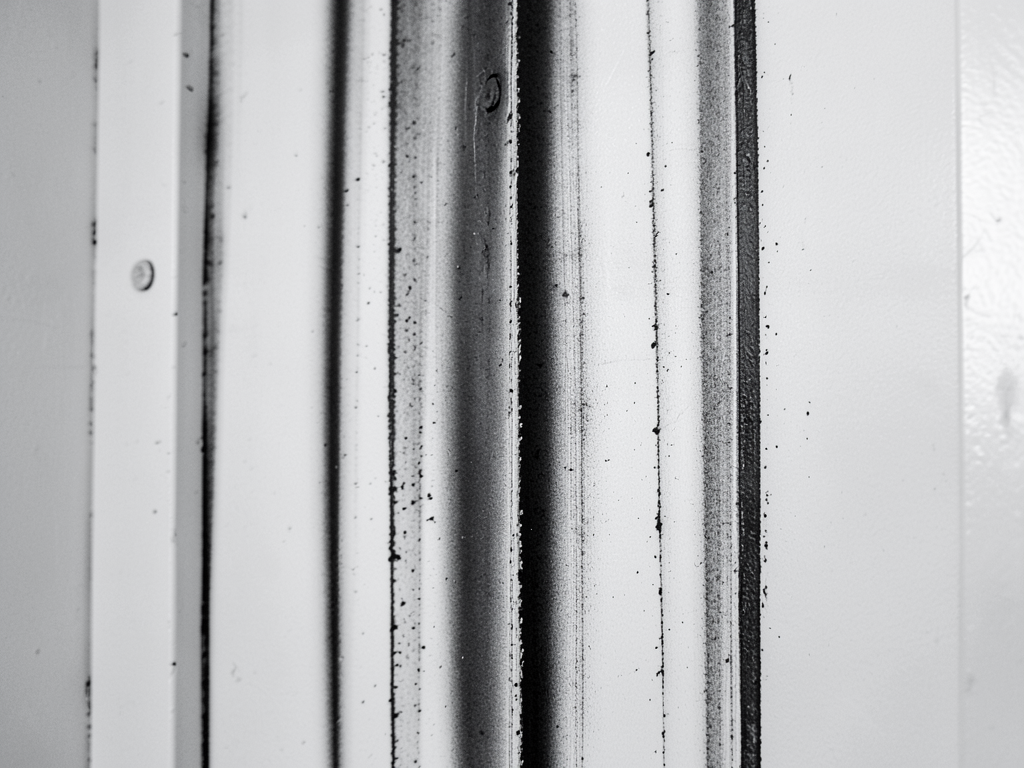
Why black streaks on your walls could mean you have a hidden moisture problem Black streaks on your walls can…

Why black streaks on your walls could mean you have a hidden moisture problem

Why black streaks on your walls could mean you have a hidden moisture problem Black streaks on your walls can…

What to do if an MLGW water main break floods your North Memphis property

What to do if an MLGW water main break floods your North Memphis property When an MLGW water main breaks…

Handling water damage and mold in historic Memphis churches or community halls

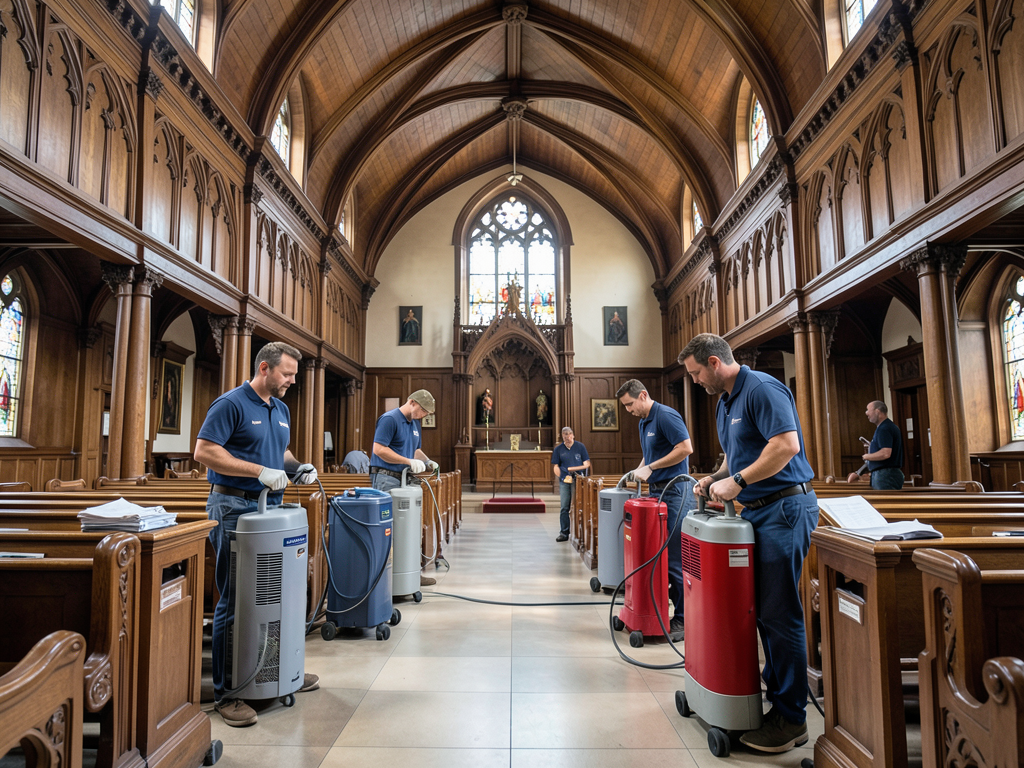
Handling Water Damage and Mold in Historic Memphis Churches and Community Halls When water breaches the sanctuary of a historic…

Contact Us

Every day you delay waterproofing increases structural damage costs. Liberty Water Damage Restoration Riverside provides honest assessments and permanent solutions. Call (901) 640-3133 now for your comprehensive basement evaluation. We answer 24/7 because water does not wait for business hours.