
How to spot a failing water heater before it floods your Berclair home
Water heaters work quietly in basements and utility closets until they fail. When they do, the damage can be catastrophic. A single 50-gallon tank can release enough water to soak through floors, ruin drywall, and create the perfect conditions for mold growth in Memphis’s humid climate. The good news is that most water heaters give clear warning signs weeks or months before a complete failure. Knowing what to look for can save you thousands in restoration costs. Rapid water restoration for business owners in Downtown Memphis.
In Berclair homes, water heaters face unique challenges. Many houses in this established Memphis neighborhood were built between the 1940s and 1970s. The plumbing systems in these homes often use galvanized steel pipes that corrode from the inside out. Combined with Memphis’s hard water, which contains high levels of calcium and magnesium, sediment builds up faster in water heater tanks. This sediment acts like sandpaper, wearing away the tank lining until leaks develop. Water Damage Restoration Collierville.
The first sign many homeowners notice is a puddle near the base of the water heater. But by the time water pools on the floor, the tank has likely been leaking for days or weeks. Water seeps into the surrounding area, soaking into wood framing, drywall, and insulation. In Memphis’s 70% average humidity, these materials stay damp long enough for mold spores to establish colonies. Within 24 to 48 hours, visible mold can appear on affected surfaces.. Read more about Why your Memphis AC is leaking water inside the house and how to stop it.
Understanding the warning signs can help you act before disaster strikes. Here are the seven most common indicators that your water heater is failing.. Read more about How Memphis hard water can lead to pinhole leaks in your plumbing.
Visual Indicators of a Failing Water Heater
Physical changes around your water heater often signal internal problems. These visual cues appear gradually, giving you time to respond.. Read more about Red flags for water damage to look for when touring homes for sale in Collierville.
Water pooling around the base represents the most obvious sign. However, not all moisture indicates a tank leak. Condensation forms when cold water enters the tank during high humidity. To test if moisture comes from condensation or a leak, wipe the area dry and place a paper towel underneath. If the paper stays dry for 24 hours, it was likely condensation. If it becomes damp, you have a leak.. Read more about Dealing with the mess when a refrigerator water line breaks in your Wolfchase kitchen.
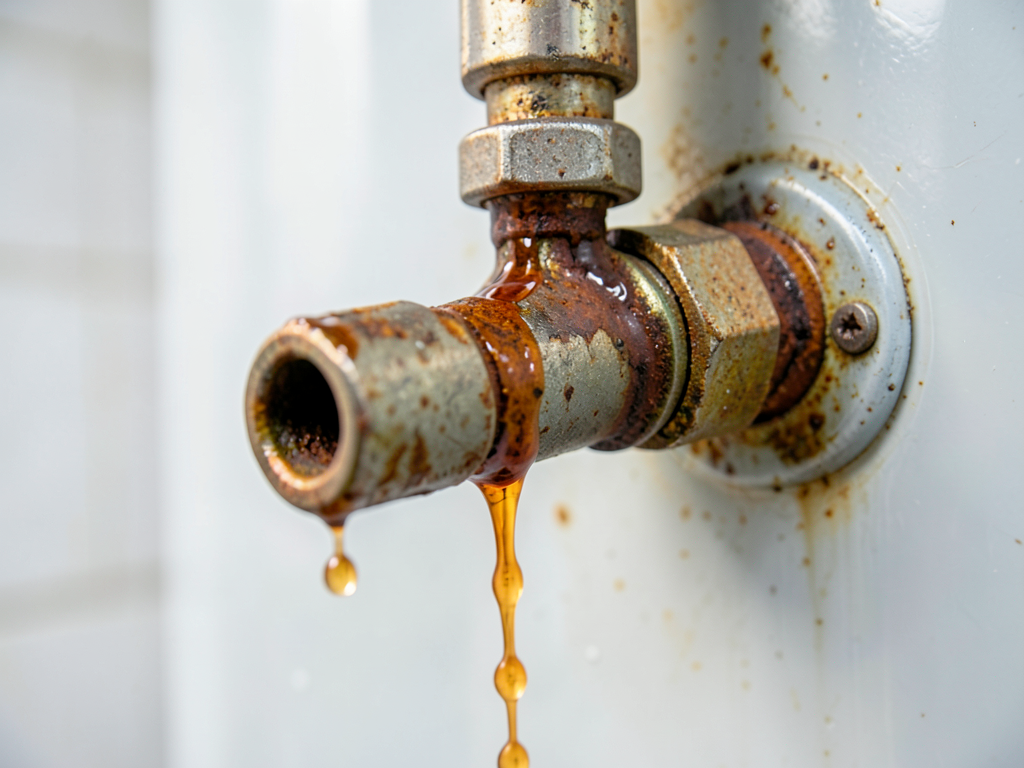
Rust-colored water from hot water taps suggests internal tank corrosion. As the protective glass lining wears away, the steel tank begins to rust. This rust mixes with your hot water supply, creating brown or yellow discoloration. You might notice this most when filling a bathtub or running hot water in a white sink.
Moisture around the temperature and pressure relief valve (TPR valve) indicates either a faulty valve or excessive tank pressure. The TPR valve sits on top of or on the side of the tank and should never leak under normal conditions. A leaking TPR valve can mean the valve itself needs replacement, or the tank pressure has become dangerously high.
Corrosion on the tank exterior, especially around fittings and connections, signals advanced deterioration. White, green, or blue powdery deposits around pipe connections indicate galvanic corrosion where different metals meet. This corrosion weakens connections and can lead to sudden leaks.
Auditory and Performance Red Flags
Your water heater communicates problems through sounds and performance changes. These warning signs often precede visible leaks by weeks or months.
Popping, knocking, or rumbling sounds from the tank indicate sediment buildup. As water heats, it bubbles through the sediment layer at the bottom of the tank. This creates knocking sounds similar to water boiling in a covered pot. The sediment not only reduces efficiency but also traps water against the tank bottom, causing localized overheating and accelerated corrosion.
Inconsistent water temperature suggests heating element problems or sediment interference. If your shower temperature fluctuates wildly or runs out of hot water faster than usual, sediment may be coating the bottom heating element. This forces the system to work harder, shortening its lifespan.
Longer recovery times between showers indicate reduced heating efficiency. A healthy water heater should recover within 30 to 45 minutes. If it takes two hours or more to reheat after moderate use, sediment or a failing heating element may be the cause.
The Hidden Danger: Secondary Water Damage
Many Berclair homeowners focus on the water heater itself but overlook the damage happening around it. When a tank develops a small leak, water follows the path of least resistance. In most utility closets, this means water seeps into wall cavities, under flooring, and into adjacent rooms.
Wood flooring near a leaking water heater can warp within days. The moisture causes boards to expand, creating buckling or cupping. Once warping begins, the flooring rarely returns to its original shape even after drying. Replacement becomes necessary.
Sheetrock absorbs water like a sponge. A slow leak behind a water heater can saturate drywall up to several feet away. Wet drywall loses structural integrity and becomes a breeding ground for mold. The paper facing provides food for mold spores, while the gypsum core traps moisture.
Baseboards and trim work made from medium-density fiberboard (MDF) swell when exposed to water. MDF is particularly vulnerable because it’s composed of compressed wood fibers held together with resin. Once swollen, MDF cannot be restored and must be replaced.
Electrical components in the vicinity face serious hazards. Water can travel along electrical conduits and reach outlets, switches, or junction boxes. This creates shock risks and potential fire hazards. The National Electrical Code requires GFCI protection for outlets near water sources, but many older Berclair homes lack this safety feature.
According to the EPA, mold can begin growing on damp surfaces within 24 to 48 hours. In Memphis’s humid climate, this timeline shortens considerably. Once established, mold colonies spread rapidly through wall cavities and HVAC systems.
Immediate Action Steps (Safety First)
If you suspect your water heater is leaking, follow these steps immediately. Safety comes first, as water and electricity create dangerous combinations.
- Turn Off Power
Locate the circuit breaker for your water heater. For electric models, switch off the dedicated breaker. For gas models, turn the gas control valve to the “pilot” position. Never assume the power is off without verifying at the breaker panel.
- Shut Off Water Supply
Find the cold water shut-off valve on the pipe leading to the water heater. Turn it clockwise until it stops. If you can’t locate this valve or it’s stuck, shut off the main water supply to your home. The main valve is typically near where the water line enters your house.
- Address the Leak
Place towels, buckets, or a wet/dry vacuum around the water heater to contain the leak. Move any valuables or electronics away from the area. If water has reached electrical outlets or appliances, keep your distance and call an electrician.
- Document the Damage
Take photos of the leak, water damage, and any affected belongings. This documentation helps with insurance claims. Note the time you discovered the problem and any steps you’ve taken.
- Call for Professional Help
Decide whether you need a plumber or water damage restoration specialist. If water has touched structural materials or spread beyond the immediate area around the water heater, you need restoration help. If the leak is contained and you need the water heater repaired or replaced, call a plumber.
Why Memphis Climate Impacts Your Water Heater
Memphis’s climate creates unique challenges for water heaters and the homes that contain them. Understanding these factors helps explain why Berclair homes face higher risks.
High humidity levels in Memphis mean water heaters work harder to maintain temperature. The surrounding air contains more moisture, which the tank must heat along with the water inside. This extra work accelerates wear on heating elements and increases energy consumption.
Memphis’s hard water contains dissolved minerals that precipitate out as water heats. These minerals form scale deposits on tank bottoms and heating elements. Scale acts as insulation, forcing the system to use more energy and creating hot spots that weaken tank walls.
Temperature swings common in Memphis put stress on plumbing connections. When water heaters cycle on and off, pipes expand and contract. Over time, this movement can loosen connections or cause stress cracks in older pipes.
Many Berclair homes sit on crawl spaces or basements where humidity levels remain high year-round. This constant moisture exposure can accelerate corrosion on tank exteriors and connections. Poor ventilation in these spaces traps humidity, creating ideal conditions for both tank deterioration and mold growth.
The Memphis aquifer, which supplies most of the region’s water, contains higher mineral content than surface water sources. This mineral-rich water flows through Berclair’s older pipes before reaching your water heater, depositing scale and accelerating corrosion throughout the system.
When to Call a Restoration Expert vs. a Plumber
Understanding the difference between plumbing repair and water damage restoration helps you respond appropriately. Many homeowners make the mistake of calling a plumber when they need a restoration specialist, or vice versa.
Call a plumber when the leak is contained to the water heater unit itself and hasn’t affected surrounding materials. If you catch the leak early and water hasn’t spread to floors, walls, or adjacent rooms, a plumber can repair or replace the unit and clean up the immediate area. Can you save the hardwood floors in your Cooper-Young bungalow after a flood?.
Call a water damage restoration specialist when water has touched structural materials. This includes water that has seeped under flooring, traveled through wall cavities, or affected rooms beyond the utility area. Restoration professionals use moisture meters and thermal imaging to detect hidden water damage that isn’t visible to the naked eye.
According to IICRC S500 standards, the gold standard for water damage restoration, any water that contacts porous materials requires professional mitigation. This includes carpet padding, insulation, and the paper facing on drywall. These materials can harbor mold growth even after surface drying.
Time sensitivity matters significantly. Water damage worsens exponentially with each passing hour. Within the first 24 hours, water spreads through capillary action into porous materials. By 48 hours, mold spores can establish colonies. After 72 hours, structural damage becomes more severe and restoration costs increase substantially.
Insurance considerations also play a role. Most homeowner policies cover sudden water heater failures but may exclude damage from neglected maintenance. Documentation from a certified restoration company helps support your claim and demonstrates that you took appropriate action to mitigate damages. Sump Pump Maintenance Guide.
Professional restoration companies use specialized equipment that homeowners cannot rent or purchase. Industrial-grade dehumidifiers remove moisture from the air at rates 10 times faster than consumer models. Air movers create high-velocity airflow that accelerates evaporation from wet surfaces. Moisture meters detect water in materials without destructive testing. Emergency Dehumidifier Rental.
The restoration process typically includes water extraction, structural drying, antimicrobial treatment, and monitoring until moisture levels return to normal. This comprehensive approach prevents secondary damage that often costs more than the initial water exposure.
Prevention Strategies for Berclair Homeowners
Regular maintenance extends water heater life and prevents unexpected failures. These simple steps can add years to your unit’s lifespan.
Flush your water heater annually to remove sediment buildup. This process involves draining several gallons of water from the tank to flush out accumulated minerals. In Memphis’s hard water conditions, more frequent flushing may be necessary.
Check the anode rod every three years. This sacrificial component attracts corrosive elements, protecting the tank lining. When the rod depletes to about half its original size, replace it. A new anode rod costs less than $50 but can double your tank’s lifespan.
Test the TPR valve annually by lifting its lever and allowing it to snap back. You should hear a gurgling sound as water is briefly released into the discharge pipe. If the valve doesn’t release water or continues leaking after testing, replace it immediately.
Install a water alarm near your water heater. These inexpensive devices sound an alert when they detect moisture, giving you early warning of slow leaks. Some models connect to smartphone apps for remote monitoring.
Consider a tankless water heater for replacement. These units heat water on demand rather than storing it in a tank. Without a tank, there’s no risk of catastrophic failure and flooding. Tankless models also last longer in Memphis’s hard water conditions because they lack the sediment-trapping tank bottom.
Install a water softener if you haven’t already. Softened water reduces scale buildup in your water heater and throughout your plumbing system. This investment typically pays for itself through extended appliance life and reduced energy consumption.
Upgrade plumbing connections when replacing your water heater. Flexible stainless steel connectors resist corrosion better than copper or braided steel lines. Replace the drain valve with a brass unit rather than the standard plastic valve that comes with most new heaters.
Install a drain pan under your water heater with a proper discharge line. This pan catches slow leaks that might otherwise go unnoticed. The discharge line should direct water to a floor drain or outside the home, not just collect it in the pan.
Monitor your water bill for unexplained increases. A sudden spike in usage often indicates a hidden leak somewhere in your plumbing system, including the water heater.
Local Resources for Berclair Residents
Berclair residents have access to specific resources for water heater maintenance and emergency response. The Shelby County Health Department provides guidelines for water quality and safety. Their office at 814 Jefferson Avenue can answer questions about local water conditions.
MLGW (Memphis Light, Gas and Water) offers energy efficiency programs that include water heater assessments. Their customer service line at (901) 544-6549 can provide information about rebates for energy-efficient replacements.
The Memphis Area Association of Realtors maintains records of home ages and renovation histories for most Berclair properties. This information helps you understand your home’s plumbing system age and potential vulnerabilities.
Several local plumbing supply houses serve the Berclair area and can provide parts and advice for water heater maintenance. These businesses understand the specific challenges posed by Memphis’s water quality and can recommend appropriate solutions.
Community resources like the Berclair Community Center at 3299 Farrisview Boulevard sometimes host home maintenance workshops. These events provide hands-on training for basic plumbing tasks and emergency response procedures.
Local hardware stores in the Berclair area stock products specifically designed for Memphis’s climate and water conditions. Staff at these stores can recommend appropriate water treatment systems and maintenance supplies.
Emergency Response Checklist
Keep this checklist handy for water heater emergencies. Quick action minimizes damage and reduces restoration costs.
- Locate your main water shut-off valve
- Identify your water heater’s power source and breaker
- Keep a wet/dry vacuum accessible
- Store towels and buckets near the water heater
- Have contact information for both a plumber and restoration specialist
- Document your home’s plumbing system age and water heater installation date
- Test your home’s water pressure annually
- Install water alarms in utility areas
- Keep insurance policy information readily available
- Know the location of floor drains in your home
Water heater failures represent one of the most common causes of residential water damage in Berclair. The combination of older homes, hard water, and Memphis’s humid climate creates conditions where these failures occur more frequently than in many other regions.
By understanding the warning signs and taking preventive measures, you can protect your home from the devastating effects of water heater flooding. Regular maintenance, prompt attention to warning signs, and knowing when to call professionals can save you thousands in restoration costs and prevent the stress of unexpected home emergencies.
Don’t wait until you see water on your floor. If you notice any of the warning signs discussed in this article, take action immediately. A small investment in maintenance or early intervention can prevent a major disaster.
Call (901) 640-3133 today to schedule your inspection. Our experienced technicians can evaluate your water heater’s condition and recommend appropriate maintenance or replacement options. We serve Berclair and all surrounding Memphis neighborhoods with 24/7 emergency response.
Pick up the phone and call (901) 640-3133 before the next storm hits. Water damage waits for no one, but we’re ready to respond whenever you need us.
{
“@context”: “https://schema.org”,
“@type”: “BlogPosting”,
“headline”: “How to spot a failing water heater before it floods your Berclair home”,
“description”: “Learn the warning signs of a failing water heater in Berclair. Protect your home from flooding with our expert guide to leak prevention and emergency response.”,
“wordCount”: 2679,
“datePublished”: “2026-03-24T14:52:00.000Z”,
“dateModified”: “2026-03-24T14:52:00.000Z”,
“inLanguage”: “en-US”,
“mainEntityOfPage”: {
“@type”: “WebPage”,
“@id”: “https://victorywaterdamagerestorationmemphis.com”
},
“publisher”: {
“@type”: “LocalBusiness”,
“name”: “Victory Water Damage Restoration Memphis”,
“url”: “https://victorywaterdamagerestorationmemphis.com”
},
“author”: {
“@type”: “Organization”,
“name”: “Victory Water Damage Restoration Memphis”,
“url”: “https://victorywaterdamagerestorationmemphis.com”
},
“image”: {
“@type”: “ImageObject”,
“url”: “https://victorywaterdamagerestorationmemphis.com/wp-content/uploads/2026/03/how-to-spot-a-failing-water-heater-before-it-flood-1.png”
}
}
{
“@context”: “https://schema.org”,
“@type”: “LocalBusiness”,
“name”: “Victory Water Damage Restoration Memphis”,
“url”: “https://victorywaterdamagerestorationmemphis.com”,
“address”: {
“@type”: “PostalAddress”,
“addressLocality”: “Memphis”
},
“areaServed”: {
“@type”: “City”,
“name”: “Memphis”
}
}
{
“@context”: “https://schema.org”,
“@type”: “HowTo”,
“name”: “Emergency Water Heater Shut-off”,
“step”: [
{
“@type”: “HowToStep”,
“position”: 1,
“name”: “Turn Off Power”,
“text”: “Locate the circuit breaker for your water heater. For electric models, switch off the dedicated breaker. For gas models, turn the gas control valve to the \”pilot\” position. Never assume the power is off without verifying at the breaker panel.”
},
{
“@type”: “HowToStep”,
“position”: 2,
“name”: “Shut Off Water Supply”,
“text”: “Find the cold water shut-off valve on the pipe leading to the water heater. Turn it clockwise until it stops. If you can’t locate this valve or it’s stuck, shut off the main water supply to your home. The main valve is typically near where the water line enters your house.”
},
{
“@type”: “HowToStep”,
“position”: 3,
“name”: “Address the Leak”,
“text”: “Place towels, buckets, or a wet/dry vacuum around the water heater to contain the leak. Move any valuables or electronics away from the area. If water has reached electrical outlets or appliances, keep your distance and call an electrician.”
},
{
“@type”: “HowToStep”,
“position”: 4,
“name”: “Document the Damage”,
“text”: “Take photos of the leak, water damage, and any affected belongings. This documentation helps with insurance claims. Note the time you discovered the problem and any steps you’ve taken.”
},
{
“@type”: “HowToStep”,
“position”: 5,
“name”: “Call for Professional Help”,
“text”: “Decide whether you need a plumber or water damage restoration specialist. If water has touched structural materials or spread beyond the immediate area around the water heater, you need restoration help. If the leak is contained and you need the water heater repaired or replaced, call a plumber.”
}
],
“image”: “https://victorywaterdamagerestorationmemphis.com/wp-content/uploads/2026/03/how-to-spot-a-failing-water-heater-before-it-flood-1.png”
}
{
“@context”: “https://schema.org”,
“@type”: “BreadcrumbList”,
“itemListElement”: [
{
“@type”: “ListItem”,
“position”: 1,
“name”: “Home”,
“item”: “https://victorywaterdamagerestorationmemphis.com”
},
{
“@type”: “ListItem”,
“position”: 2,
“name”: “Blog”,
“item”: “https://victorywaterdamagerestorationmemphis.com/blog”
},
{
“@type”: “ListItem”,
“position”: 3,
“name”: “How to spot a failing water heater before it floods your Berclair home”
}
]
}
{
“@context”: “https://schema.org”,
“@type”: “Service”,
“serviceType”: “Water Damage Restoration”,
“provider”: {
“@type”: “LocalBusiness”,
“name”: “Victory Water Damage Restoration Memphis”,
“url”: “https://victorywaterdamagerestorationmemphis.com”
},
“areaServed”: {
“@type”: “City”,
“name”: “Memphis”
},
“description”: “Learn the warning signs of a failing water heater in Berclair. Protect your home from flooding with our expert guide to leak prevention and emergency response.”
}