
Fixing water damage caused by leaky window frames during a Memphis thunderstorm
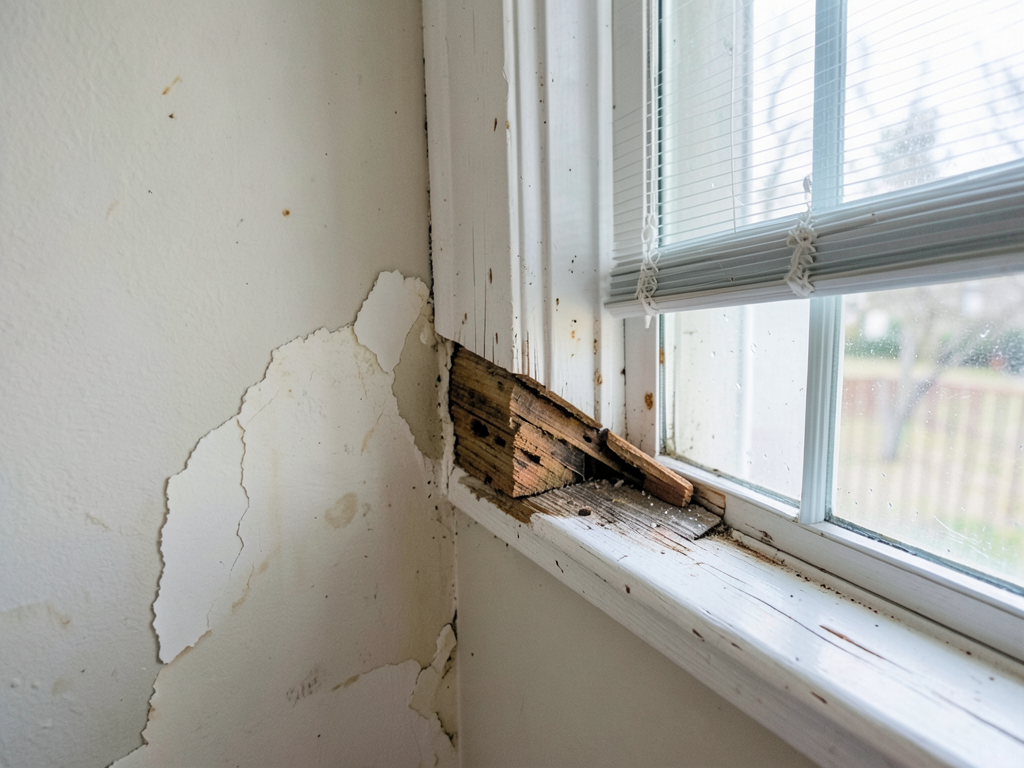
Heavy thunderstorms in Memphis can send wind-driven rain directly into window frames that look sealed but aren’t. Within hours, moisture soaks into drywall, wood studs, and insulation behind the wall. The damage often spreads farther than the visible stain, creating conditions for mold growth and structural rot. Early detection and professional drying can stop the destruction before it becomes a costly rebuild. Water Damage Restoration Collierville.
If you notice water dripping from window corners during a storm, grab towels and a bucket to catch the flow. Move furniture and valuables away from the wet area. Do not pry off trim or open walls yourself—disturbing mold spores or live electrical wiring can create new hazards. Instead, call a certified water damage restoration team that can map hidden moisture with thermal imaging and begin structural drying within the critical 24-48 hour window before mold colonizes. Rapid water restoration for business owners in Downtown Memphis.

Common causes of window leaks in Mid-South homes
Memphis homes face unique challenges from the region’s clay soils and seasonal storms. Here are the most frequent culprits behind window leaks:. Read more about Getting your Memphis home ready for the spring rainy season to avoid unexpected flooding.
- Degraded caulking – Silicone and latex sealants shrink and crack after 5-7 years of UV exposure and temperature swings common in the Mid-South.
- Improper flashing – Missing or poorly installed metal flashing allows water to bypass the window frame and enter wall cavities.
- Clogged weep holes – Vinyl window frames have small drainage channels that trap debris and force water back into the wall.
- Foundation settling – Expansive clay soil in Shelby County shifts with moisture changes, distorting window frames and breaking seals.
During a storm, even a hairline gap can admit gallons of water. The Memphis area receives an average of 54 inches of rain annually, with much of it falling in intense bursts that overwhelm compromised seals.
Hidden dangers: what happens behind the drywall?
Water that enters through a window frame does not stop at the interior wall. It travels along studs, pools in insulation, and creates a perfect environment for microbial growth. Within 24-48 hours, Stachybotrys chartarum (black mold) can begin colonizing damp wood and paper-faced drywall. By day three, spore counts can reach levels that trigger respiratory symptoms in sensitive individuals.
Beyond mold, prolonged moisture contact causes wood rot fungi to break down structural headers and sill plates. A window header that loses 25% of its cross-sectional strength can no longer support the wall above, leading to sagging and cracked drywall. In crawlspace homes common in older Memphis neighborhoods, trapped humidity accelerates this decay.
Moisture also degrades insulation. Wet fiberglass loses up to 40% of its R-value, forcing HVAC systems to work harder in Memphis’s hot, humid summers. The resulting energy loss adds hundreds of dollars to annual utility bills while indoor air quality deteriorates from elevated humidity and microbial VOCs.
DIY fixes vs. professional restoration
A fresh bead of exterior-grade silicone caulk can stop minor leaks if the frame is still square and the surrounding siding is intact. Clean the joint, remove old caulk, and apply a smooth, continuous bead. This repair works only when you catch the problem early and the leak is confined to the sealant line. EPA mold guidelines.
When water has already entered the wall, DIY methods fall short. Moisture trapped behind drywall requires professional-grade equipment to detect and remove. Technicians use infrared cameras to locate temperature differences that indicate wet material, then deploy high-volume air movers and commercial dehumidifiers to create a drying chamber. The process follows IICRC S500 standards, which mandate specific moisture content thresholds for wood (19% or less) and drywall (12% or less) before repairs begin. IICRC S500 standards.
Professionals also apply antimicrobial treatments to prevent mold regrowth and use moisture meters to verify drying progress at multiple depths. Skipping these steps can leave hidden dampness that causes the problem to return within months.
Navigating insurance claims for window water damage
Most homeowners policies cover sudden, accidental water intrusion but exclude damage from neglected maintenance. If a storm breaks a window seal and water pours in, that is typically covered. If the leak results from cracked caulk you ignored for years, the claim may be denied. Sump Pump Maintenance Guide.
To strengthen your claim, document everything before cleanup begins. Take clear photos of the leak source, wet materials, and any visible damage. Save receipts for emergency measures like tarps or professional drying. Restoration companies can provide a detailed scope of work with moisture mapping data that insurance adjusters use to approve repairs. Emergency Dehumidifier Rental.
In Tennessee, the statute of limitations for filing a claim after water damage is three years. However, waiting that long allows mold and rot to compound, often exceeding policy limits. Acting within 24-48 hours protects both your property and your coverage.
Preventing future window leaks
Annual window inspections can catch problems before storms strike. Check exterior caulking for gaps, cracks, or peeling. Clear weep holes with compressed air or a thin wire. Look for fog between double-pane glass, which indicates a failed seal that no longer blocks moisture.
Consider storm windows or impact-rated glass in areas prone to wind-driven rain. These add a secondary barrier that keeps driving rain out even if the primary seal fails. Proper grading around the foundation also helps by directing water away from the house instead of letting it pool against window sills.
For historic Memphis homes with wood windows, regular repainting and glazing compound replacement preserve the seal. Modern vinyl replacements may save energy but can trap moisture if not flashed correctly. Either way, the key is maintaining a continuous water-shedding path from roof to ground.
Frequently Asked Questions
How can I tell if water has spread beyond the visible stain?
Look for bubbling paint, soft drywall, or a musty odor. These signs indicate moisture has penetrated deeper. A moisture meter reading above 12% on drywall confirms hidden dampness.
Is mold always present after a window leak?
Not always, but the risk is high after 24-48 hours of sustained moisture. Visible black or green spots on wood or drywall are clear indicators. Professional testing can confirm spore levels if you suspect contamination.
Can I just replace the drywall and repaint?
Replacing surface materials without addressing the source and drying the cavity invites repeat damage. Trapped moisture will re-wet new drywall, and any mold left behind will spread. Complete structural drying is essential first.
How long does professional drying take?
Most residential jobs require 3-5 days of continuous drying, depending on material saturation and humidity. Thermal imaging checks at the end verify all moisture is gone before repairs begin.
Will my insurance cover the full restoration cost?
Coverage depends on your policy and the cause of the leak. Sudden storm damage is usually covered; gradual deterioration from lack of maintenance is not. Your restoration company can help document the loss for the adjuster.
Take action before the next storm hits
Water damage from a leaky window frame can escalate from a small stain to a major structural problem in days. If you notice signs of intrusion, do not wait. Call (901) 640-3133 for a rapid response assessment. Our certified technicians will locate hidden moisture, stop the spread, and restore your home to pre-loss condition. Pick up the phone and call (901) 640-3133 before the next Memphis thunderstorm turns a minor leak into a major rebuild.
{
“@context”: “https://schema.org”,
“@type”: “BlogPosting”,
“headline”: “Fixing water damage caused by leaky window frames during a Memphis thunderstorm”,
“description”: “Learn how to identify and fix window frame water damage after Memphis storms. Get expert restoration tips for mold prevention and structural repairs in Shelby County homes.”,
“wordCount”: 1238,
“datePublished”: “2026-04-01T09:57:00.000Z”,
“dateModified”: “2026-04-01T09:57:00.000Z”,
“inLanguage”: “en-US”,
“mainEntityOfPage”: {
“@type”: “WebPage”,
“@id”: “https://victorywaterdamagerestorationmemphis.com”
},
“publisher”: {
“@type”: “LocalBusiness”,
“name”: “Victory Water Damage Restoration Memphis”,
“url”: “https://victorywaterdamagerestorationmemphis.com”
},
“author”: {
“@type”: “Organization”,
“name”: “Victory Water Damage Restoration Memphis”,
“url”: “https://victorywaterdamagerestorationmemphis.com”
},
“image”: {
“@type”: “ImageObject”,
“url”: “https://victorywaterdamagerestorationmemphis.com/wp-content/uploads/2026/03/fixing-water-damage-caused-by-leaky-window-frames-1.png”
}
}
{
“@context”: “https://schema.org”,
“@type”: “LocalBusiness”,
“name”: “Victory Water Damage Restoration Memphis”,
“url”: “https://victorywaterdamagerestorationmemphis.com”,
“address”: {
“@type”: “PostalAddress”,
“addressLocality”: “Memphis”
},
“areaServed”: {
“@type”: “City”,
“name”: “Memphis”
}
}
{
“@context”: “https://schema.org”,
“@type”: “FAQPage”,
“mainEntity”: [
{
“@type”: “Question”,
“name”: “Hidden dangers: what happens behind the drywall?”,
“acceptedAnswer”: {
“@type”: “Answer”,
“text”: “Water that enters through a window frame does not stop at the interior wall. It travels along studs, pools in insulation, and creates a perfect environment for microbial growth. Within 24-48 hours, Stachybotrys chartarum (black mold) can begin colonizing damp wood and paper-faced drywall. By day three, spore counts can reach levels that trigger respiratory symptoms in sensitive individuals.”
}
},
{
“@type”: “Question”,
“name”: “How can I tell if water has spread beyond the visible stain?”,
“acceptedAnswer”: {
“@type”: “Answer”,
“text”: “Look for bubbling paint, soft drywall, or a musty odor. These signs indicate moisture has penetrated deeper. A moisture meter reading above 12% on drywall confirms hidden dampness.”
}
},
{
“@type”: “Question”,
“name”: “Is mold always present after a window leak?”,
“acceptedAnswer”: {
“@type”: “Answer”,
“text”: “Not always, but the risk is high after 24-48 hours of sustained moisture. Visible black or green spots on wood or drywall are clear indicators. Professional testing can confirm spore levels if you suspect contamination.”
}
},
{
“@type”: “Question”,
“name”: “Can I just replace the drywall and repaint?”,
“acceptedAnswer”: {
“@type”: “Answer”,
“text”: “Replacing surface materials without addressing the source and drying the cavity invites repeat damage. Trapped moisture will re-wet new drywall, and any mold left behind will spread. Complete structural drying is essential first.”
}
},
{
“@type”: “Question”,
“name”: “How long does professional drying take?”,
“acceptedAnswer”: {
“@type”: “Answer”,
“text”: “Most residential jobs require 3-5 days of continuous drying, depending on material saturation and humidity. Thermal imaging checks at the end verify all moisture is gone before repairs begin.”
}
},
{
“@type”: “Question”,
“name”: “Will my insurance cover the full restoration cost?”,
“acceptedAnswer”: {
“@type”: “Answer”,
“text”: “Coverage depends on your policy and the cause of the leak. Sudden storm damage is usually covered; gradual deterioration from lack of maintenance is not. Your restoration company can help document the loss for the adjuster.”
}
}
]
}
{
“@context”: “https://schema.org”,
“@type”: “BreadcrumbList”,
“itemListElement”: [
{
“@type”: “ListItem”,
“position”: 1,
“name”: “Home”,
“item”: “https://victorywaterdamagerestorationmemphis.com”
},
{
“@type”: “ListItem”,
“position”: 2,
“name”: “Blog”,
“item”: “https://victorywaterdamagerestorationmemphis.com/blog”
},
{
“@type”: “ListItem”,
“position”: 3,
“name”: “Fixing water damage caused by leaky window frames during a Memphis thunderstorm”
}
]
}
{
“@context”: “https://schema.org”,
“@type”: “Service”,
“serviceType”: “Water Damage Restoration”,
“provider”: {
“@type”: “LocalBusiness”,
“name”: “Victory Water Damage Restoration Memphis”,
“url”: “https://victorywaterdamagerestorationmemphis.com”
},
“areaServed”: {
“@type”: “City”,
“name”: “Memphis”
},
“description”: “Learn how to identify and fix window frame water damage after Memphis storms. Get expert restoration tips for mold prevention and structural repairs in Shelby County homes.”
}