
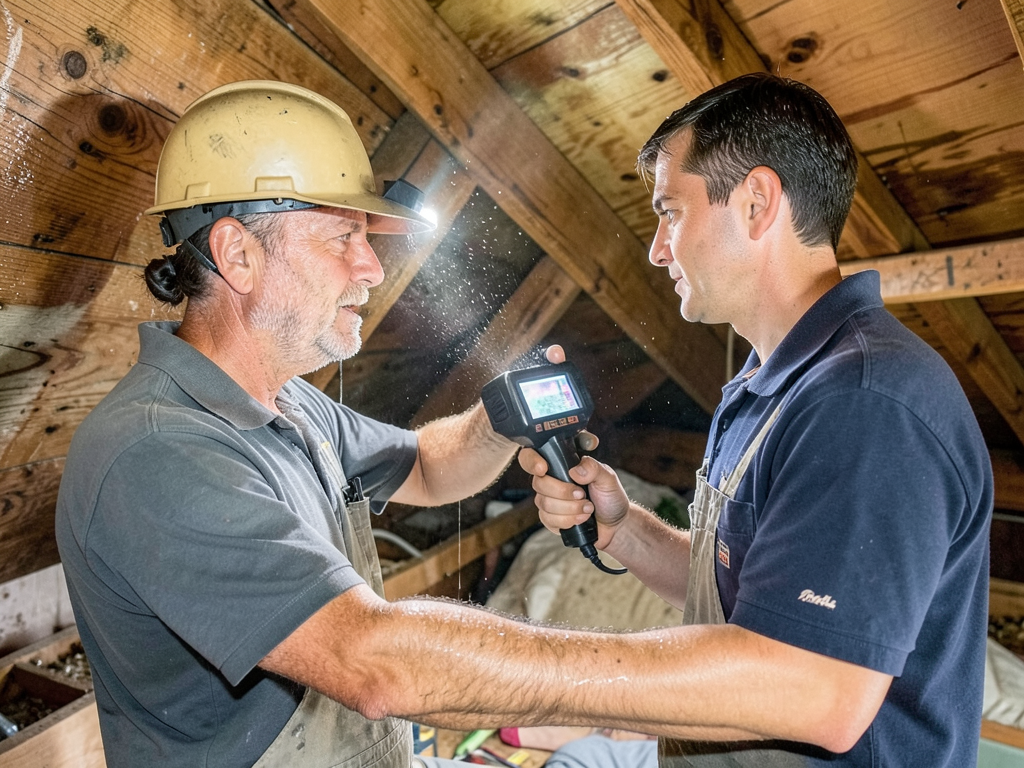
Finding the Source of Attic Moisture in Your Raleigh-LaGrange Home During the Humid Summer
Water dripping from your attic ceiling during Memphis’s humid summer months usually isn’t a roof leak. It’s condensation forming when warm, moist air meets cold attic surfaces. This problem affects Raleigh-LaGrange homes more than most areas because our high summer humidity creates perfect conditions for moisture buildup in poorly ventilated attic spaces. Rapid water restoration for business owners in Downtown Memphis.
Attic condensation happens when the dew point temperature exceeds the surface temperature of your attic materials. In Memphis’s climate zone 3, where summer humidity often stays above 70%, even minor ventilation problems can cause significant moisture damage. The stack effect pulls warm air from your living space into the attic, where it cools and releases moisture onto rafters, insulation, and ceiling materials. Water Damage Restoration Collierville.
Before you call for a roof repair, you need to understand what’s really happening in your attic. The signs of condensation damage look similar to leak damage but require completely different solutions. Rusty nail heads, dark wood staining, and matted insulation are classic indicators of moisture problems rather than actual water intrusion. EPA mold guidelines.
Why Raleigh-LaGrange Attics Are Prone to Condensation
The Raleigh-LaGrange area sits in a unique microclimate within the Memphis metro. Our combination of older construction methods and modern HVAC systems creates ideal conditions for attic moisture problems. Many homes built before 2000 lack proper vapor barriers and adequate ventilation systems that current building codes require.. Read more about How long do you have before mold starts growing in a humid Memphis summer?.
Memphis’s summer humidity levels average 75-85% from June through September. When this moist air enters your attic through gaps around light fixtures, plumbing penetrations, or poorly sealed attic hatches, it rises and cools against the underside of your roof deck. The temperature difference causes water vapor to condense on cold surfaces.
According to the International Residential Code Section R806, attics in climate zone 3 require specific ventilation ratios. For every 150 square feet of attic floor space, you need at least 1 square foot of net free ventilation area. Many Raleigh-LaGrange homes fall short of these requirements, especially those with complex roof designs or multiple dormers. International Residential Code Section R806.
The age of your home also matters. Houses built in the 1960s through 1980s often have inadequate insulation and ventilation systems. The original fiberglass batts compress over time, reducing their R-value from the intended R-19 to as low as R-8. This creates thermal bridging where heat transfers through the ceiling, warming attic air and increasing condensation potential.
Common attic condensation triggers in Raleigh-LaGrange:
- Blocked soffit vents from insulation or debris
- Undersized ridge vents or gable vents
- Leaky HVAC ductwork causing temperature differentials
- Improper bathroom exhaust fan routing
- Missing or damaged vapor barriers
Signs of Attic Moisture Damage You Should Check
Identifying attic moisture damage requires looking for specific indicators that distinguish condensation from actual leaks. The diagnostic process starts with a visual inspection during daylight hours when natural light reveals problem areas.. Read more about What happens during a professional moisture inspection in a Windyke home.
Start by checking for rusty nail heads protruding through your roof deck. When moisture condenses on metal fasteners, it causes oxidation that appears as orange-brown streaks running down rafters. This rust pattern indicates chronic moisture exposure rather than a one-time leak event.. Read more about Comparing the best moisture detection tools for Memphis DIYers and pros.
Next examine your insulation for signs of compression or discoloration. Wet insulation loses its R-value and becomes a breeding ground for mold. In Memphis’s climate, mold can begin growing within 24-48 hours of sustained moisture exposure. Look for dark spots, musty odors, or areas where insulation has compacted and lost its fluffy texture.
Check your attic ceiling for dark staining or water marks. Condensation damage often creates irregular patterns that follow the path of least resistance along rafters and ceiling joists. Unlike roof leaks that typically concentrate near penetrations, condensation damage spreads across larger areas.
Listen for unusual sounds in your attic during humid weather. Dripping water or popping sounds from expanding wood can indicate active moisture problems. The sound of water dripping onto insulation or attic floor materials is a clear sign that condensation has reached critical levels.
Diagnostic checklist for attic moisture:
- Visual inspection of rusty nail heads and metal fasteners
- Moisture meter readings on wood surfaces (should be below 16%)
- Insulation compression and discoloration assessment
- Musty odor detection
- Temperature and humidity monitoring with hygrometer
The Link Between Condensation and Mold Growth
Attic condensation creates ideal conditions for mold growth that many homeowners don’t discover until it’s extensive. The combination of moisture, organic materials like wood and paper-backed insulation, and warm temperatures allows mold spores to colonize within days.
In Memphis’s climate, the risk of attic mold increases significantly when relative humidity stays above 60% for extended periods. The warm, moist air that causes condensation also provides the perfect growing environment for various mold species, including the more dangerous Stachybotrys chartarum, commonly known as black mold.
Mold growth in attics follows a predictable pattern. Initial colonization occurs on the surface of wood materials where moisture condenses. Within 48-72 hours, visible colonies can form, appearing as black, green, or white fuzzy growths. These colonies release spores that spread throughout the attic space and potentially into your living areas through ceiling penetrations.
The health implications of attic mold exposure can be significant. Mold spores can trigger allergic reactions, asthma attacks, and other respiratory issues. The musty odor associated with mold growth can permeate your home, creating unpleasant living conditions and potential property value impacts.
Professional mold remediation becomes necessary when contamination covers more than 10 square feet or when toxic mold species are present. The remediation process involves containment, removal of affected materials, HEPA vacuuming, and application of antimicrobial treatments. In severe cases, structural repairs may be required to address the underlying moisture problems.
Memphis mold remediation standards:
- IICRC S520 Standard for mold remediation
- EPA guidelines for mold containment and removal
- Shelby County Health Department air quality testing requirements
Memphis-Specific Solutions for Attic Moisture Control
Addressing attic moisture in Memphis requires solutions tailored to our specific climate challenges. The high humidity and temperature fluctuations unique to the Mid-South demand ventilation and insulation strategies that work in our conditions.
Proper attic ventilation starts with ensuring your soffit vents remain unobstructed. Many Raleigh-LaGrange homes have insulation that has fallen or been blown into the soffit areas, blocking airflow. Installing proper baffles between rafters creates channels that maintain consistent airflow from the eaves to the ridge.
Ridge vent installation provides continuous exhaust ventilation along the peak of your roof. This type of ventilation works best in our climate because it takes advantage of the natural tendency of warm air to rise. However, ridge vents must be properly sized and installed to handle the volume of air movement required in Memphis’s humid summers.
Vapor barrier installation is critical in climate zone 3. The International Residential Code requires Class I or II vapor retarders on the warm-in-winter side of insulation. In Memphis, this typically means installing a vapor barrier on your attic floor before adding new insulation. This barrier prevents moisture from your living space from entering the attic.
Consider upgrading your insulation to meet current R-value recommendations. The Department of Energy recommends R-38 to R-60 for attics in Tennessee’s climate zone 3. This level of insulation not only improves energy efficiency but also helps maintain consistent attic temperatures that reduce condensation potential.
Addressing HVAC duct issues can significantly reduce attic moisture problems. Ductwork that runs through unconditioned attic spaces should be properly sealed and insulated. Leaky ducts can introduce warm, moist air into your attic, while temperature differentials between the ducts and surrounding air create condensation on duct surfaces.
Memphis attic improvement solutions:
- Install proper soffit vent baffles
- Upgrade to continuous ridge ventilation
- Add Class II vapor barrier on attic floor
- Increase insulation to R-49 minimum
- Seal and insulate HVAC ductwork
When to Call a Memphis Water Damage Specialist
Determining when a DIY approach is sufficient versus when professional help is needed can save you time and prevent further damage. Some attic moisture problems require specialized equipment and expertise to resolve properly.
Call a professional if you discover active water dripping, extensive mold growth, or structural damage to your roof deck. These conditions indicate problems that have progressed beyond simple ventilation fixes and require comprehensive restoration services.
Professional water damage restoration technicians use specialized equipment to diagnose and address attic moisture problems. Moisture meters can detect hidden water in wood materials that visual inspection misses. Thermal imaging cameras reveal temperature differentials that indicate moisture intrusion or inadequate insulation.
The restoration process typically begins with water extraction if active leaks are present. Industrial-grade dehumidifiers and air movers then remove moisture from the affected materials. This process can take several days depending on the extent of the damage and the materials involved. Emergency Dehumidifier Rental.
Professional services also include mold remediation if contamination is present. This involves containment procedures to prevent spore spread, removal of affected materials, and application of antimicrobial treatments. The process must follow IICRC S520 standards to ensure complete remediation.
Insurance considerations play a role in deciding whether to call a professional. Many homeowners’ insurance policies cover sudden water damage but not gradual moisture problems. A professional assessment can help document the extent and cause of damage for insurance claims.
Professional services include:
- Moisture mapping and thermal imaging
- Industrial dehumidification and drying
- Mold remediation following IICRC standards
- Structural repairs and material replacement
- Insurance documentation and claim assistance
Preventing Future Attic Moisture Problems
Once you’ve addressed existing attic moisture issues, implementing preventive measures can protect your home from future problems. Regular maintenance and monitoring are essential in Memphis’s challenging climate. Sump Pump Maintenance Guide.
Schedule annual attic inspections during the spring or fall when temperatures are moderate. Check for signs of moisture, inspect ventilation systems, and ensure insulation remains properly positioned. Look for any new gaps or penetrations that could allow moisture intrusion.
Maintain your roof in good condition to prevent water intrusion. Replace damaged shingles promptly, ensure flashing remains sealed, and clean gutters regularly to prevent water backup. A well-maintained roof is your first line of defense against attic moisture problems.
Monitor your home’s humidity levels using a hygrometer. Indoor humidity should stay between 30-50% for optimal comfort and to prevent moisture problems. If levels consistently exceed 60%, consider using dehumidifiers or improving your home’s ventilation systems.. Read more about Choosing the right dehumidifier for a damp Memphis garage or workshop.
Address any plumbing leaks promptly, even small ones. Water from leaky pipes can travel through walls and ceilings to reach your attic space. Regular plumbing inspections can identify potential problems before they cause significant damage.
Consider installing smart home monitoring systems that can detect moisture and humidity changes. These systems can alert you to developing problems before they cause extensive damage, allowing for early intervention.
Preventive maintenance schedule:
- Annual attic inspection and ventilation check
- Bi-annual roof and gutter maintenance
- Monthly humidity monitoring
- Quarterly plumbing leak checks
- Immediate repair of any moisture indicators
Understanding the Cost of Inaction
Ignoring attic moisture problems can lead to escalating costs and health risks. What starts as a minor condensation issue can develop into major structural damage, mold contamination, and reduced property value.
Structural damage from prolonged moisture exposure can compromise your roof’s integrity. Wood rot weakens rafters and roof decking, potentially leading to sagging or collapse. The cost of structural repairs far exceeds the investment in preventive measures or early intervention.
Mold remediation costs increase dramatically with the extent of contamination. Small areas of mold might cost a few hundred dollars to remediate, while extensive contamination can run into thousands of dollars. The longer mold grows, the more it spreads and the more expensive it becomes to remove.
Energy efficiency suffers when attic moisture damages insulation. Wet or compressed insulation loses its R-value, forcing your HVAC system to work harder and increasing utility bills. The energy waste can add hundreds of dollars annually to your operating costs.
Property value impacts can be significant. Homes with a history of moisture problems or mold contamination often appraise for less and may be harder to sell. Buyers are increasingly aware of these issues and may require costly remediation before completing a purchase.
Health costs from mold exposure can include medical treatments for allergies, asthma, and other respiratory conditions. These expenses, while difficult to quantify, represent a real cost of ignoring moisture problems.
Cost comparison of action vs. inaction:
| Problem | Early Action Cost | Delayed Action Cost |
|---|---|---|
| Minor condensation | $200-500 (ventilation fix) | $2,000-5,000 (structural damage) |
| Early mold growth | $500-1,500 (small area remediation) | $3,000-10,000 (extensive remediation) |
| Structural damage | $1,000-3,000 (early repair) | $8,000-20,000 (major reconstruction) |
Frequently Asked Questions
How can I tell if my attic moisture problem is condensation or a roof leak?
Condensation typically causes widespread moisture patterns and rusty nail heads, while roof leaks concentrate near penetrations and show water staining patterns. Condensation occurs during humid weather and improves with ventilation, while leaks persist regardless of weather conditions.
What’s the ideal attic ventilation for Memphis homes?
Memphis homes need 1 square foot of net free ventilation area per 150 square feet of attic floor space, with intake vents (soffit) and exhaust vents (ridge or gable) properly balanced. The system should provide continuous airflow to prevent moisture buildup.
Can I fix attic moisture problems myself?
Minor ventilation improvements and insulation adjustments can be DIY projects, but extensive mold, structural damage, or active water intrusion require professional restoration services. Professional assessment ensures all underlying causes are addressed.
How long does attic mold remediation take?
Small mold remediation projects typically take 1-2 days, while extensive contamination may require 3-5 days including containment, removal, cleaning, and drying. The timeline depends on the extent of contamination and the materials involved. Cleaning up a flooded basement in Bartlett before the damage gets worse.
Will my insurance cover attic moisture damage?
Insurance typically covers sudden water damage from leaks but not gradual moisture problems from condensation. Some policies may cover mold remediation if it results from a covered peril. Professional assessment helps document damage for claims.
Take Action Before Your Attic Problem Gets Worse
Attic moisture problems in Raleigh-LaGrange homes require prompt attention to prevent escalating damage and health risks. The combination of Memphis’s high humidity and many older homes creates conditions where condensation can quickly become a serious issue.
If you’re seeing signs of attic moisture damage, don’t wait for the problem to worsen. The cost of early intervention is always less than dealing with structural damage, mold remediation, or energy efficiency losses that develop over time.
Our team understands the unique challenges that Memphis’s climate creates for attic moisture control. We provide comprehensive assessment, professional restoration, and preventive solutions tailored to your home’s specific needs and our local conditions.
Call (901) 640-3133 today to schedule your attic moisture inspection. Don’t let another humid summer cause more damage to your home. Our rapid response team is ready to diagnose and address your attic moisture problems before they become major headaches.
Pick up the phone and call (901) 640-3133 before the next storm hits. Your home deserves professional care from experts who understand Memphis’s unique climate challenges and building requirements.
Service Areas:
We serve Raleigh-LaGrange and surrounding Memphis communities including Bartlett, Cordova, and East Memphis. Our team is familiar with the specific building styles and moisture challenges in each neighborhood.
{
“@context”: “https://schema.org”,
“@type”: “BlogPosting”,
“headline”: “Finding the source of attic moisture in your Raleigh-LaGrange home during the humid summer”,
“description”: “Is your Raleigh-LaGrange attic dripping with condensation? Learn how Memphis humidity causes attic moisture damage and when to call a water damage specialist.”,
“wordCount”: 2530,
“datePublished”: “2026-05-06T09:38:00.000Z”,
“dateModified”: “2026-05-06T09:38:00.000Z”,
“inLanguage”: “en-US”,
“mainEntityOfPage”: {
“@type”: “WebPage”,
“@id”: “https://victorywaterdamagerestorationmemphis.com”
},
“publisher”: {
“@type”: “LocalBusiness”,
“name”: “Victory Water Damage Restoration Memphis”,
“url”: “https://victorywaterdamagerestorationmemphis.com”
},
“author”: {
“@type”: “Organization”,
“name”: “Victory Water Damage Restoration Memphis”,
“url”: “https://victorywaterdamagerestorationmemphis.com”
},
“image”: {
“@type”: “ImageObject”,
“url”: “https://victorywaterdamagerestorationmemphis.com/wp-content/uploads/2026/03/finding-the-source-of-attic-moisture-in-your-ralei-1.png”
}
}
{
“@context”: “https://schema.org”,
“@type”: “LocalBusiness”,
“name”: “Victory Water Damage Restoration Memphis”,
“url”: “https://victorywaterdamagerestorationmemphis.com”,
“address”: {
“@type”: “PostalAddress”,
“addressLocality”: “Memphis”
},
“areaServed”: {
“@type”: “City”,
“name”: “Memphis”
}
}
{
“@context”: “https://schema.org”,
“@type”: “FAQPage”,
“mainEntity”: [
{
“@type”: “Question”,
“name”: “How can I tell if my attic moisture problem is condensation or a roof leak?”,
“acceptedAnswer”: {
“@type”: “Answer”,
“text”: “Condensation typically causes widespread moisture patterns and rusty nail heads, while roof leaks concentrate near penetrations and show water staining patterns. Condensation occurs during humid weather and improves with ventilation, while leaks persist regardless of weather conditions.”
}
},
{
“@type”: “Question”,
“name”: “What’s the ideal attic ventilation for Memphis homes?”,
“acceptedAnswer”: {
“@type”: “Answer”,
“text”: “Memphis homes need 1 square foot of net free ventilation area per 150 square feet of attic floor space, with intake vents (soffit) and exhaust vents (ridge or gable) properly balanced. The system should provide continuous airflow to prevent moisture buildup.”
}
},
{
“@type”: “Question”,
“name”: “How long does attic mold remediation take?”,
“acceptedAnswer”: {
“@type”: “Answer”,
“text”: “Small mold remediation projects typically take 1-2 days, while extensive contamination may require 3-5 days including containment, removal, cleaning, and drying. The timeline depends on the extent of contamination and the materials involved. Cleaning up a flooded basement in Bartlett before the damage gets worse.”
}
},
{
“@type”: “Question”,
“name”: “Will my insurance cover attic moisture damage?”,
“acceptedAnswer”: {
“@type”: “Answer”,
“text”: “Insurance typically covers sudden water damage from leaks but not gradual moisture problems from condensation. Some policies may cover mold remediation if it results from a covered peril. Professional assessment helps document damage for claims.”
}
}
]
}
{
“@context”: “https://schema.org”,
“@type”: “BreadcrumbList”,
“itemListElement”: [
{
“@type”: “ListItem”,
“position”: 1,
“name”: “Home”,
“item”: “https://victorywaterdamagerestorationmemphis.com”
},
{
“@type”: “ListItem”,
“position”: 2,
“name”: “Blog”,
“item”: “https://victorywaterdamagerestorationmemphis.com/blog”
},
{
“@type”: “ListItem”,
“position”: 3,
“name”: “Finding the source of attic moisture in your Raleigh-LaGrange home during the humid summer”
}
]
}
{
“@context”: “https://schema.org”,
“@type”: “Service”,
“serviceType”: “Water Damage Restoration”,
“provider”: {
“@type”: “LocalBusiness”,
“name”: “Victory Water Damage Restoration Memphis”,
“url”: “https://victorywaterdamagerestorationmemphis.com”
},
“areaServed”: {
“@type”: “City”,
“name”: “Memphis”
},
“description”: “Is your Raleigh-LaGrange attic dripping with condensation? Learn how Memphis humidity causes attic moisture damage and when to call a water damage specialist.”
}