
Drying out the lath and plaster walls in your historic Central Gardens home
When water invades your Central Gardens historic home, the damage affects far more than just your floors and furniture. Those beautiful lath and plaster walls that give your home its character also require specialized care to prevent permanent damage and mold growth. Rapid water restoration for business owners in Downtown Memphis.
Central Gardens features some of Memphis’s most treasured historic architecture, with homes dating back to the early 1900s. These structures feature craftsmanship and materials that simply don’t exist in modern construction. When water damage occurs, standard restoration techniques can actually cause more harm than good. Memphis Landmarks Commission.
The good news? With proper drying techniques and preservation-focused restoration, your lath and plaster walls can often be saved. The key lies in understanding the unique properties of these materials and working with a team that specializes in historic property restoration.
Call (901) 640-3133 today to schedule your inspection. Our specialists understand the delicate balance between effective water removal and preserving your home’s historic integrity. Water Damage Restoration Collierville.
Understanding lath and plaster construction
Unlike modern drywall, lath and plaster walls consist of wooden laths nailed to studs, with multiple layers of plaster applied over them. This creates a much thicker, more durable wall system but also one that responds differently to water exposure.
The plaster typically includes lime, sand, and sometimes horsehair for reinforcement. When water penetrates these walls, it doesn’t just sit on the surface like it would with drywall. Instead, it seeps deep into the plaster matrix and can cause the material to soften, separate from the laths, or develop mold within the wall cavity. EPA Renovation, Repair and Painting Rule.
Central Gardens homes often feature additional architectural details like crown molding, chair rails, and decorative ceiling medallions that are also at risk during water damage events. These elements require careful handling to preserve their historic value.
Key difference: Modern drywall typically needs replacement after water exposure, while historic lath and plaster can often be saved through specialized drying techniques.
Why Central Gardens homes need specialized restoration
Central Gardens sits in a low-lying area of Midtown Memphis where the water table can be high and drainage issues are common. Many of these homes were built before modern plumbing codes existed, using materials and techniques that make them more vulnerable to water damage.
The neighborhood’s proximity to the Mississippi River floodplain means homes here face unique challenges. The humid Memphis climate creates ideal conditions for mold growth in water-damaged walls, especially in the thick plaster systems that can trap moisture for extended periods.
Memphis Landmarks Commission guidelines require that any restoration work maintain the historic character of these homes. This means preserving original materials whenever possible and using restoration techniques that won’t damage irreplaceable architectural features. Sump Pump Maintenance Guide.
Many Central Gardens homes also contain lead-based paint and potentially asbestos materials, requiring specialized handling procedures that go beyond standard water damage restoration.
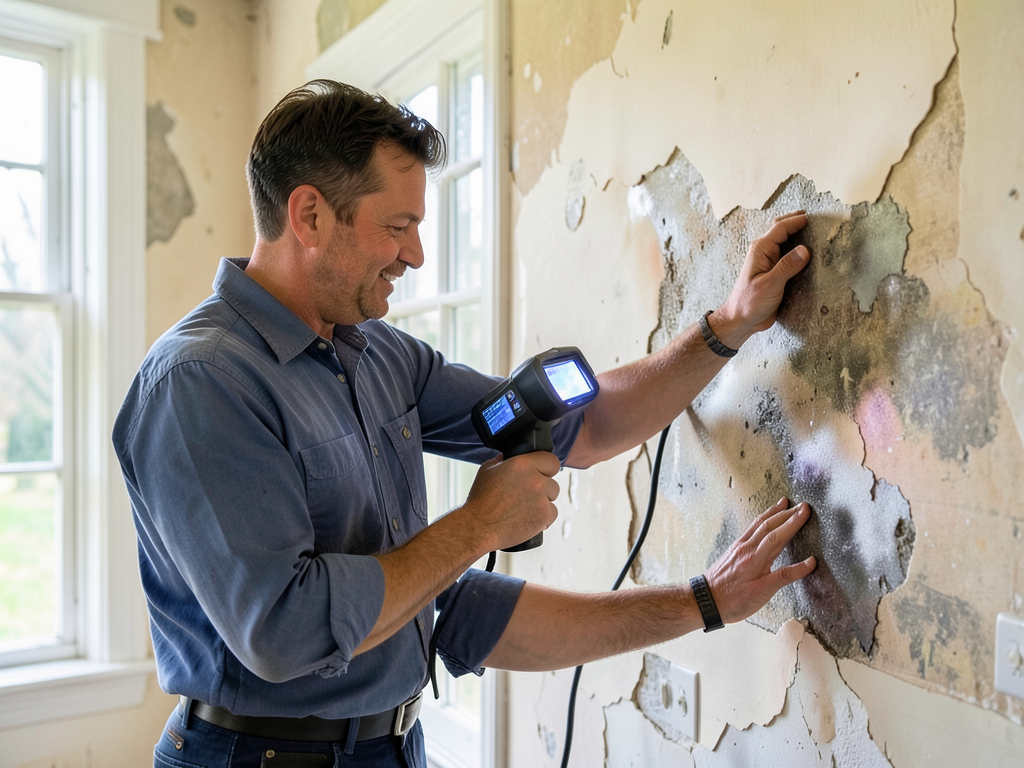
Technical diagram showing moisture migration through lath and plaster wall systems compared to modern drywall.
Our specialized drying process for historic materials
Our approach to drying lath and plaster walls differs significantly from standard water damage restoration. We use a combination of controlled dehumidification, targeted air movement, and careful monitoring to remove moisture without causing additional damage.
First, we conduct moisture mapping using non-invasive detection equipment. This allows us to identify exactly where water has penetrated without drilling holes or removing wall sections unnecessarily.
Next, we establish a drying chamber around affected areas. This controlled environment allows us to maintain specific temperature and humidity levels that promote moisture migration from the plaster without causing it to dry too quickly and crack.
We use specialized dehumidifiers that can maintain precise humidity levels, often running at lower settings than standard restoration equipment. This slow, controlled drying process can take several days but prevents the catastrophic cracking that occurs when plaster dries too rapidly. Emergency Dehumidifier Rental.
Throughout the process, we monitor moisture levels at multiple depths within the wall. This ensures we’re removing moisture from the deepest layers where it can cause the most damage and mold growth.
Memphis Landmarks Commission compliance
Working in Central Gardens requires navigating the Memphis Landmarks Commission approval process. Any visible changes to your home’s exterior or significant interior modifications may require a Certificate of Appropriateness.
Our team has extensive experience working with the Landmarks Commission and understands their requirements for preserving historic character. We document all restoration work thoroughly and can provide the necessary information for your COA application if needed.
The Commission particularly focuses on preserving original materials and architectural details. Our restoration approach aligns with these goals by prioritizing preservation over replacement whenever possible.
For homes in the Central Gardens Historic District, we coordinate directly with homeowners to ensure all restoration work meets both preservation standards and effective water damage mitigation requirements.
Memphis Landmarks Commission requirement: Any visible changes to historic properties require approval before work begins.
Lead paint and asbestos safety protocols
Homes built before 1978, which includes virtually all Central Gardens properties, likely contain lead-based paint. The EPA’s Renovation, Repair and Painting Rule requires specific safety procedures when disturbing painted surfaces in pre-1978 homes.
Our team maintains EPA Lead-Safe certification and follows all required containment, cleanup, and disposal procedures. This protects your family from lead exposure during the restoration process.
Many historic homes also contain asbestos in various building materials. We conduct testing when necessary and follow all OSHA and EPA regulations for safe handling and removal if asbestos is discovered.
These safety protocols add time to the restoration process but are essential for protecting your family’s health and ensuring legal compliance with federal regulations.
Moisture mapping and detection technology
Effective restoration starts with accurate assessment. We use advanced moisture detection equipment that can identify water presence without damaging historic plaster surfaces.
Our thermal imaging cameras detect temperature differences that indicate moisture presence behind walls. This non-invasive technique allows us to map the extent of water damage without drilling inspection holes.
We also use penetrating moisture meters calibrated for different materials. These devices can measure moisture content at various depths within plaster walls, helping us determine whether materials can be saved or need replacement.
Humidity and temperature monitoring equipment tracks environmental conditions throughout the drying process. This data helps us adjust our approach and ensures we’re removing moisture effectively.
Diagnostic test: We use a combination of thermal imaging and penetrating moisture meters to create a complete moisture map before beginning any restoration work.
Preventing secondary damage in humid climates
Memphis’s high humidity creates unique challenges for water damage restoration. Even after visible water is removed, residual moisture in the air can cause secondary damage to historic materials.
Our process includes continuous dehumidification throughout the restoration period. We maintain humidity levels below 50% to prevent mold growth and additional moisture absorption by plaster and wood elements.
We also use air scrubbers with HEPA filtration to remove airborne mold spores and other contaminants that can spread during the drying process.
Temperature control is equally important. We maintain optimal temperatures that promote moisture evaporation without causing materials to dry too quickly and crack.
This comprehensive approach prevents the secondary damage that often occurs when water damage restoration focuses only on visible water removal.
Insurance coordination for historic properties
Insurance claims for historic homes often involve additional complexities. Many policies have specific provisions for historic properties or may not fully cover the cost of specialized restoration techniques.
We work directly with insurance adjusters to document damage, justify restoration approaches, and ensure all necessary work is approved for coverage. Our detailed documentation includes moisture mapping, photographic evidence, and technical justification for our restoration methods.
For historic properties, we often need to demonstrate why preservation of original materials is both possible and cost-effective compared to replacement. Our experience with historic restoration allows us to make these cases effectively to insurance companies.
We also help homeowners understand their policy coverage and identify any additional coverage options that might be available for historic property restoration.
Common causes of water damage in Central Gardens
Understanding how water damage typically occurs in Central Gardens helps homeowners prevent future incidents. Several factors make this neighborhood particularly vulnerable to water-related problems.
Many Central Gardens homes have aging plumbing systems with galvanized pipes that can corrode and leak over time. These hidden leaks can cause extensive damage before homeowners notice any signs.
The area’s clay soil can cause foundation movement, leading to cracks that allow water intrusion during heavy rains. This is particularly problematic in homes with basements or crawl spaces.
Roof leaks are another common issue, especially in homes with original slate or tile roofing that may have deteriorated over decades of service.
Air conditioning condensate lines can also cause water damage when they become clogged or develop leaks, particularly in attic installations common in historic homes.
Restoration timeline and expectations
Restoring water-damaged lath and plaster walls is a process that requires patience. While the initial water removal might take only a day or two, complete drying and restoration often requires several days to weeks.
The first 24-48 hours focus on water extraction and initial drying setup. During this phase, we establish containment and begin controlled drying.
The next several days involve continuous monitoring and adjustment of drying conditions. We may need to reposition equipment or adjust humidity levels based on moisture readings.
Once materials reach acceptable moisture levels, we can begin any necessary repairs. This might include patching damaged plaster, replacing sections that couldn’t be saved, or addressing underlying issues that caused the water damage.
Throughout the process, we maintain communication with homeowners about progress and any issues that arise.
Cost factors for historic restoration
Restoring water-damaged historic plaster typically costs more than standard drywall replacement, but often less than full replacement when you consider the value of preserving original materials.
Key cost factors include the extent of damage, accessibility of affected areas, and whether lead paint or asbestos testing and handling are required.
The specialized equipment and expertise required for historic restoration also contribute to costs, but these are necessary investments in preserving your home’s character and value.
Insurance coverage can significantly impact your out-of-pocket costs. We help you understand what your policy covers and work to maximize your benefits.
Despite higher upfront costs, preserving original plaster often proves more economical than replacement when you consider the cost of matching historic details and the impact on your home’s value.
Preventive measures for historic homes
After restoration, implementing preventive measures can help protect your Central Gardens home from future water damage. Regular maintenance of plumbing systems, roof inspections, and proper drainage management are essential.
We recommend annual inspections of plumbing systems, particularly in homes with original galvanized pipes. Early detection of potential leaks can prevent major damage.
Roof maintenance should include checking flashing, gutters, and downspouts to ensure proper water diversion away from your home’s foundation.
Interior humidity control is also important. Using dehumidifiers during Memphis’s humid months can prevent moisture-related problems even when no active leaks exist.
Installing water leak detection systems can provide early warning of problems before they cause extensive damage.
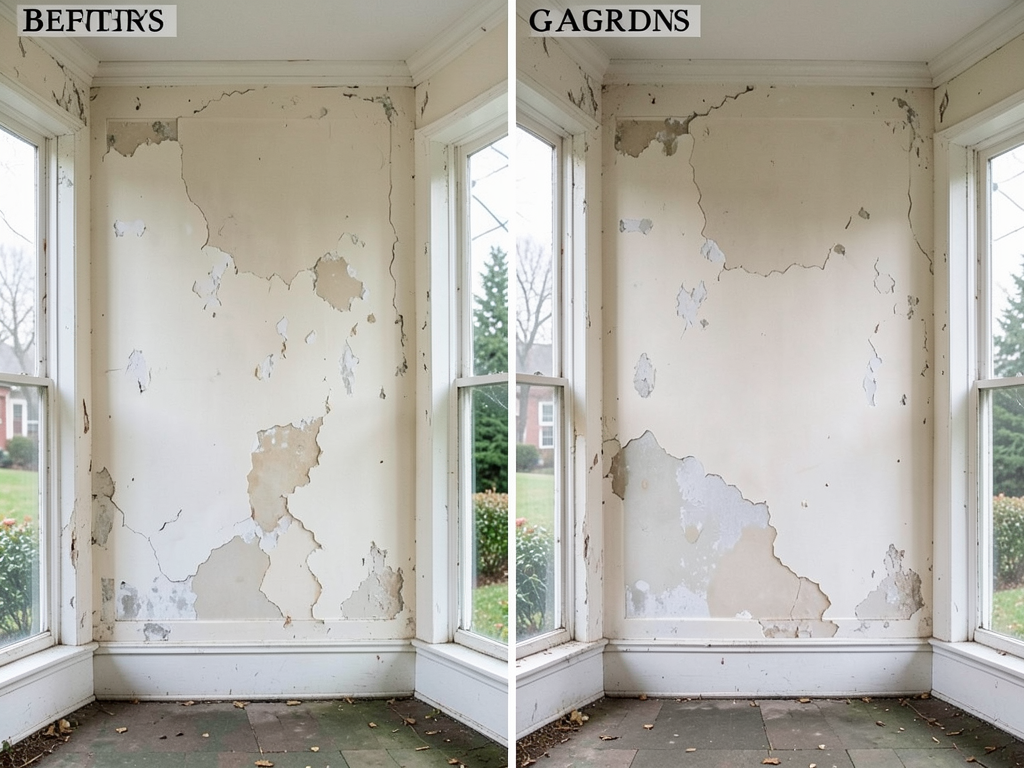
Before and after restoration of water-damaged lath and plaster wall showing preservation of original architectural details.
Choosing the right restoration partner
Not all water damage restoration companies have the expertise needed for historic properties. When selecting a restoration partner for your Central Gardens home, look for specific qualifications and experience.
EPA Lead-Safe certification is essential for homes built before 1978. This ensures the company follows proper safety procedures when working with potentially lead-containing materials.
Experience with historic restoration is equally important. Ask about specific projects the company has completed in historic districts and request references from similar properties.
Understanding of local preservation requirements, particularly Memphis Landmarks Commission guidelines, is crucial for ensuring your restoration work meets all necessary approvals.
Insurance coordination experience can also be valuable, as historic restoration often involves more complex claims processes.
Call (901) 640-3133 today to speak with our historic restoration specialists. We understand the unique needs of Central Gardens homes and have the expertise to preserve your property’s character while effectively addressing water damage.
Frequently Asked Questions
How long does it take to dry out lath and plaster walls?
The drying process typically takes 3-7 days depending on the extent of water damage, humidity levels, and the specific materials involved. We use moisture meters to determine when walls are completely dry before beginning repairs.
Can all water-damaged plaster be saved?
Not always. Plaster that has separated from the lath, developed extensive mold, or suffered structural damage may need replacement. However, many water-damaged plaster walls can be saved through specialized drying techniques.
Will my insurance cover historic restoration?
Most homeowners insurance policies cover water damage restoration, but coverage for historic properties may have specific limitations. We work with your insurance company to maximize your benefits and document all necessary restoration work.
Do I need approval from the Memphis Landmarks Commission?
Approval is required for any visible changes to your home’s exterior or significant interior modifications in historic districts. We can help you navigate this process and ensure all work meets preservation guidelines.
What makes lath and plaster different from drywall?
Lath and plaster consists of wooden strips with multiple plaster layers, creating a much thicker, more durable wall system. It responds differently to water exposure and requires specialized drying techniques compared to modern drywall.
How can I prevent future water damage?
Regular maintenance of plumbing systems, roof inspections, proper drainage management, and humidity control can help prevent future water damage. We also recommend annual inspections and installing water leak detection systems.
Is lead paint testing required for my home?
Homes built before 1978 likely contain lead-based paint. EPA regulations require specific safety procedures when disturbing painted surfaces in pre-1978 homes. We conduct testing when necessary and follow all required safety protocols.
You may also find this helpful. Why your window AC unit is rotting the wall underneath your Midtown apartment.
{
“@context”: “https://schema.org”,
“@type”: “BlogPosting”,
“headline”: “Drying out the lath and plaster walls in your historic Central Gardens home”,
“description”: “Expert water damage restoration for Central Gardens historic homes. Specialized lath and plaster drying techniques, Memphis Landmarks Commission compliance, and mold prevention.”,
“wordCount”: 2319,
“datePublished”: “2026-05-14T13:02:00.000Z”,
“dateModified”: “2026-05-14T13:02:00.000Z”,
“inLanguage”: “en-US”,
“mainEntityOfPage”: {
“@type”: “WebPage”,
“@id”: “https://victorywaterdamagerestorationmemphis.com”
},
“publisher”: {
“@type”: “LocalBusiness”,
“name”: “Victory Water Damage Restoration Memphis”,
“url”: “https://victorywaterdamagerestorationmemphis.com”
},
“author”: {
“@type”: “Organization”,
“name”: “Victory Water Damage Restoration Memphis”,
“url”: “https://victorywaterdamagerestorationmemphis.com”
},
“image”: {
“@type”: “ImageObject”,
“url”: “https://victorywaterdamagerestorationmemphis.com/wp-content/uploads/2026/03/drying-out-the-lath-and-plaster-walls-in-your-hist-1.png”
}
}
{
“@context”: “https://schema.org”,
“@type”: “LocalBusiness”,
“name”: “Victory Water Damage Restoration Memphis”,
“url”: “https://victorywaterdamagerestorationmemphis.com”,
“address”: {
“@type”: “PostalAddress”,
“addressLocality”: “Memphis”
},
“areaServed”: {
“@type”: “City”,
“name”: “Memphis”
}
}
{
“@context”: “https://schema.org”,
“@type”: “FAQPage”,
“mainEntity”: [
{
“@type”: “Question”,
“name”: “How long does it take to dry out lath and plaster walls?”,
“acceptedAnswer”: {
“@type”: “Answer”,
“text”: “The drying process typically takes 3-7 days depending on the extent of water damage, humidity levels, and the specific materials involved. We use moisture meters to determine when walls are completely dry before beginning repairs.”
}
},
{
“@type”: “Question”,
“name”: “Can all water-damaged plaster be saved?”,
“acceptedAnswer”: {
“@type”: “Answer”,
“text”: “Not always. Plaster that has separated from the lath, developed extensive mold, or suffered structural damage may need replacement. However, many water-damaged plaster walls can be saved through specialized drying techniques.”
}
},
{
“@type”: “Question”,
“name”: “Will my insurance cover historic restoration?”,
“acceptedAnswer”: {
“@type”: “Answer”,
“text”: “Most homeowners insurance policies cover water damage restoration, but coverage for historic properties may have specific limitations. We work with your insurance company to maximize your benefits and document all necessary restoration work.”
}
},
{
“@type”: “Question”,
“name”: “Do I need approval from the Memphis Landmarks Commission?”,
“acceptedAnswer”: {
“@type”: “Answer”,
“text”: “Approval is required for any visible changes to your home’s exterior or significant interior modifications in historic districts. We can help you navigate this process and ensure all work meets preservation guidelines.”
}
},
{
“@type”: “Question”,
“name”: “What makes lath and plaster different from drywall?”,
“acceptedAnswer”: {
“@type”: “Answer”,
“text”: “Lath and plaster consists of wooden strips with multiple plaster layers, creating a much thicker, more durable wall system. It responds differently to water exposure and requires specialized drying techniques compared to modern drywall.”
}
},
{
“@type”: “Question”,
“name”: “How can I prevent future water damage?”,
“acceptedAnswer”: {
“@type”: “Answer”,
“text”: “Regular maintenance of plumbing systems, roof inspections, proper drainage management, and humidity control can help prevent future water damage. We also recommend annual inspections and installing water leak detection systems.”
}
},
{
“@type”: “Question”,
“name”: “Is lead paint testing required for my home?”,
“acceptedAnswer”: {
“@type”: “Answer”,
“text”: “Homes built before 1978 likely contain lead-based paint. EPA regulations require specific safety procedures when disturbing painted surfaces in pre-1978 homes. We conduct testing when necessary and follow all required safety protocols.”
}
}
]
}
{
“@context”: “https://schema.org”,
“@type”: “BreadcrumbList”,
“itemListElement”: [
{
“@type”: “ListItem”,
“position”: 1,
“name”: “Home”,
“item”: “https://victorywaterdamagerestorationmemphis.com”
},
{
“@type”: “ListItem”,
“position”: 2,
“name”: “Blog”,
“item”: “https://victorywaterdamagerestorationmemphis.com/blog”
},
{
“@type”: “ListItem”,
“position”: 3,
“name”: “Drying out the lath and plaster walls in your historic Central Gardens home”
}
]
}
{
“@context”: “https://schema.org”,
“@type”: “Service”,
“serviceType”: “Water Damage Restoration”,
“provider”: {
“@type”: “LocalBusiness”,
“name”: “Victory Water Damage Restoration Memphis”,
“url”: “https://victorywaterdamagerestorationmemphis.com”
},
“areaServed”: {
“@type”: “City”,
“name”: “Memphis”
},
“description”: “Expert water damage restoration for Central Gardens historic homes. Specialized lath and plaster drying techniques, Memphis Landmarks Commission compliance, and mold prevention.”
}