
What to do if an MLGW water main break floods your North Memphis property
When an MLGW water main breaks in North Memphis, the rush of water can flood your property within minutes. The first priority is stopping the flow by shutting off your main valve and contacting MLGW at (901) 544-6500. Document everything with photos before cleanup begins. Call (901) 640-3133 for immediate water extraction and structural drying to prevent mold growth in Memphis’ humid climate. MLGW official website.
Understanding MLGW water main breaks in North Memphis
North Memphis sits on expansive clay soil that shifts with moisture changes. This movement stresses aging cast iron pipes installed decades ago. When a main breaks, water surges through the soil and can undermine foundations, flood basements, and damage crawl spaces within hours. Rapid water restoration for business owners in Downtown Memphis.
MLGW maintains water mains up to the property line. The service line from the property line to your home is your responsibility. If the break is in the main, MLGW repairs it. If the break is in your service line, you need a plumber. Water Damage Restoration Collierville.
Water main breaks often occur during:
- Freeze-thaw cycles in winter
- Heavy summer rains saturating the soil
- Construction work near underground utilities
- Age-related pipe corrosion
MLGW responds to main breaks 24/7. However, their priority is stopping the flow and restoring service to the neighborhood. Property damage inside your home requires separate restoration services.
Immediate steps after a water main break floods your property
Time matters when water invades your home. Every hour of standing water increases damage and mold risk.
- Shut off the main water valve
Locate your main shutoff valve, typically near the water meter or where the main line enters your home. Turn it clockwise to stop water flow.
- Call MLGW immediately
Report the break to MLGW at (901) 544-6500. Provide your address and describe the flooding extent.
- Document the damage
Take photos and videos of all affected areas before any cleanup. Capture water levels, damaged items, and structural impacts.
- Begin water removal
Use wet vacuums, mops, or buckets to remove standing water. Wear rubber boots and gloves for safety.
- Move valuables to dry areas
Relocate furniture, electronics, and important documents to unaffected rooms or upper floors. Can you save the hardwood floors in your Cooper-Young bungalow after a flood?.
Standing water creates electrical hazards and can collapse weakened floors. If water reaches electrical outlets or you smell gas, evacuate immediately and call emergency services. Emergency Dehumidifier Rental.
MLGW’s responsibility vs. your restoration needs
MLGW repairs the broken main and may cover damage to your property line infrastructure. However, water damage inside your home typically falls under your homeowners insurance or requires private restoration services.
MLGW’s liability coverage includes:
- Damage to the main water line itself
- Damage to the service line from the main to your property line
- Direct damage to your property from the break, if negligence is proven
MLGW requires a damage claim form and supporting documentation. Their claims department reviews each case individually. Response times vary based on claim volume and investigation needs.
Interior water damage from a main break often includes:
- Flooded basements and crawl spaces
- Damaged flooring and drywall
- Mold growth within 24-48 hours
- Compromised electrical systems
- Foundation issues from soil erosion
Professional restoration addresses these issues systematically to prevent secondary damage.
Professional water damage restoration process for North Memphis homes
Effective restoration requires specialized equipment and IICRC-certified technicians who understand Memphis’ unique climate challenges. IICRC certification standards.
The restoration process follows these critical steps:
- Emergency inspection and assessment
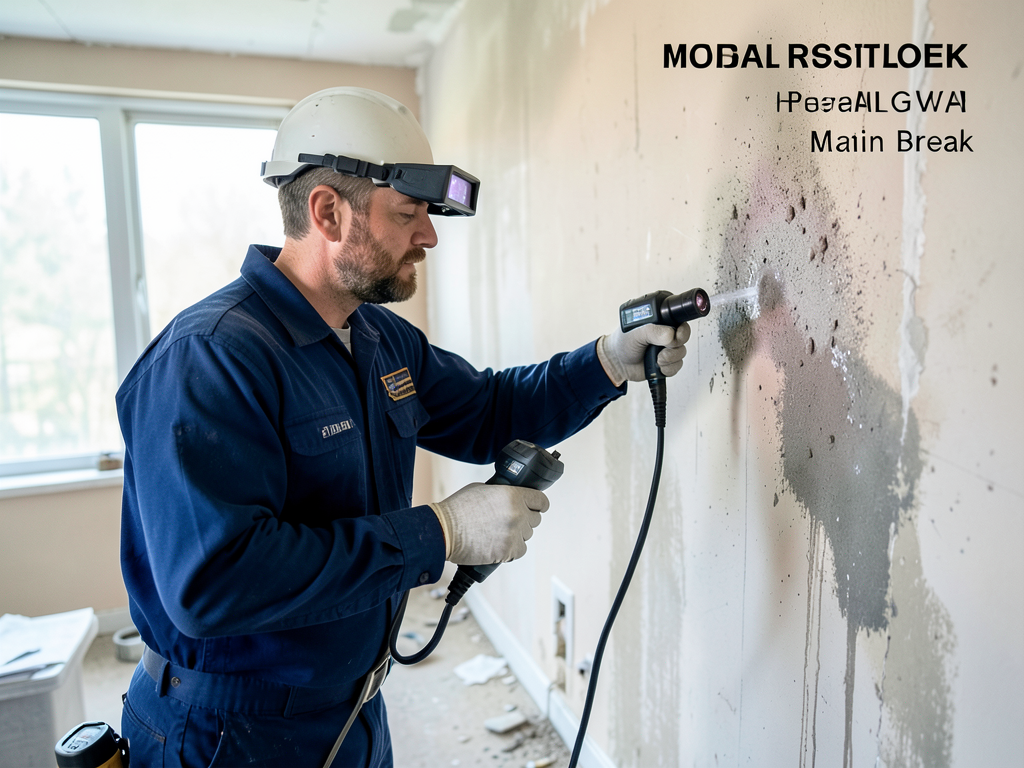
Technicians use moisture meters and thermal imaging to map water migration through walls, floors, and ceilings.
- Water extraction
Powerful truck-mounted extractors remove thousands of gallons per hour, far exceeding household wet vacuums.
- Demolition of damaged materials
Remove wet drywall, insulation, and flooring that cannot be salvaged to prevent mold growth.
- Structural drying
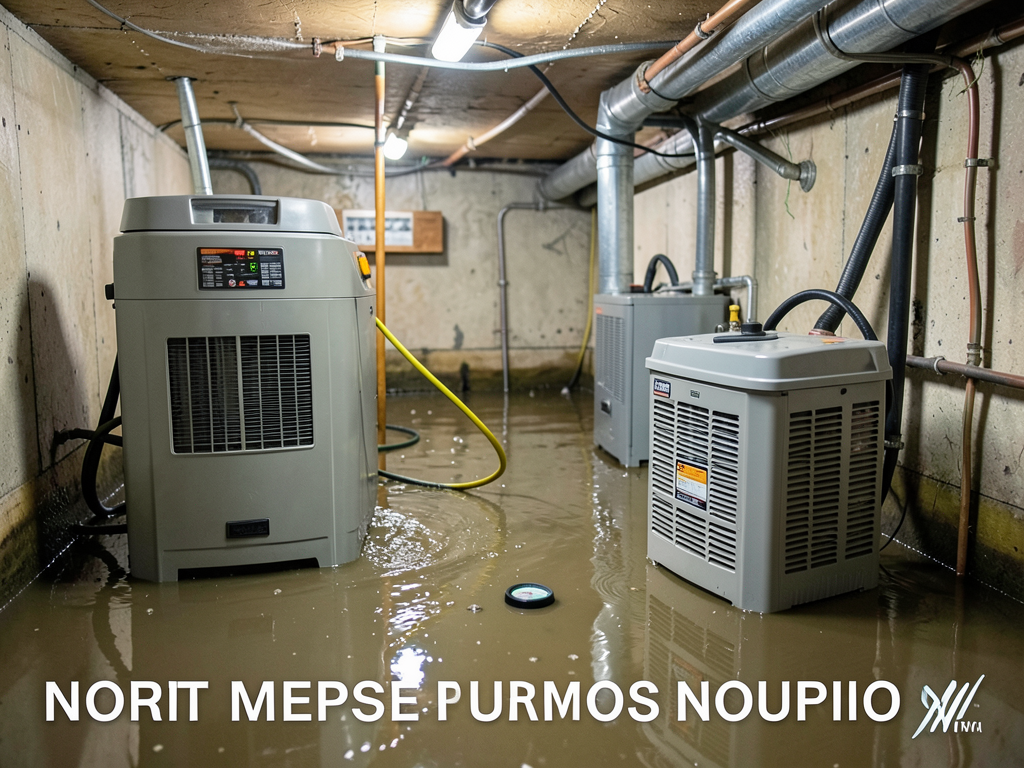
Industrial dehumidifiers and air movers create a controlled drying environment, removing moisture from structural cavities.
- Antimicrobial treatment
Apply EPA-registered antimicrobials to prevent mold and bacterial growth in remaining materials.
- Moisture monitoring
Daily readings ensure materials reach safe moisture content levels before reconstruction begins.
Memphis’ high humidity (often 70-80%) means drying takes longer than in drier climates. Rushing reconstruction traps moisture, leading to mold and structural problems.
Insurance claims for MLGW water main break damage
Navigating insurance after a water main break requires understanding your policy’s water damage coverage.
Most homeowners policies cover:
- Sudden and accidental water damage
- Damage from external flooding if you have flood insurance
- Additional living expenses if your home becomes uninhabitable
Policies typically exclude:
- Gradual water damage from long-term leaks
- Sewer backup unless you have specific coverage
- Foundation movement unless you have earthquake coverage
When filing a claim for MLGW break damage:
- Document everything with photos and videos
- Keep all receipts for emergency repairs and temporary housing
- Obtain written estimates from licensed contractors
- Submit your MLGW damage claim simultaneously
- Request a detailed scope of work from your restoration company
Insurance adjusters may require multiple inspections as damage reveals itself during the drying process.
Preventing secondary damage in Memphis’ climate
Memphis’ combination of high humidity, clay soil, and aging infrastructure creates unique restoration challenges.
Secondary damage risks include:
- Mold growth within 24-48 hours in temperatures above 70°F
- Wood rot in structural components
- Electrical corrosion in outlets and wiring
- Foundation settling from soil erosion
- Air quality issues from microbial growth
Prevention requires:
- Rapid water removal within 24 hours
- Professional drying to industry standards (IICRC S500)
- Antimicrobial treatment of affected areas
- Moisture monitoring until materials reach safe levels
- Proper ventilation during reconstruction
Many North Memphis homes have crawl spaces that trap moisture. These require special attention during restoration to prevent ongoing humidity problems.
Common North Memphis water main break scenarios
Different property types face specific challenges when water main breaks occur.
| Property Type | Common Issues | Restoration Approach |
|---|---|---|
| Historic Bungalows | Wood rot, plaster damage, knob-and-tube wiring | Careful material removal, specialized drying |
| Slab Homes | Foundation pressure, slab moisture, floating floors | Sub-slab drying, vapor barrier installation |
| Crawl Space Homes | Foundation undermining, mold in crawl space | Encapsulation, structural drying, vapor barriers |
| Multi-story Buildings | Water migration between floors, ceiling damage | Compartmentalized drying, material removal |
Older North Memphis neighborhoods like Douglass and Hollywood often have clay sewer laterals that can back up when water tables rise during main breaks.
Why professional restoration matters for MLGW breaks
DIY water removal often misses hidden moisture that causes long-term problems.
Professional restoration provides:
- Moisture detection in wall cavities and under flooring
- Industrial-grade drying equipment
- Proper disposal of contaminated materials
- Documentation for insurance claims
- Antimicrobial treatments preventing mold growth
Attempting to dry your home with fans and dehumidifiers often takes weeks longer than professional methods. This extended moisture exposure creates ideal conditions for mold growth.
Professional restoration also includes:
- Structural assessments for hidden damage
- Air quality testing if contamination is suspected
- Coordination with insurance adjusters
- Reconstruction services when drying completes
Frequently Asked Questions
How long does MLGW take to respond to a water main break?
MLGW typically responds within 2-4 hours for emergency main breaks. Repair times vary from 4-24 hours depending on break severity and location.
Will my homeowners insurance cover water main break damage?
Most policies cover sudden water damage from external sources. However, coverage varies by carrier and specific circumstances. Document everything and file a claim promptly.
How can I tell if my service line or the main line broke?
If your neighbors also lose water, it’s likely a main break. If only your home is affected, the service line may be the issue. MLGW can determine this when you call.
What should I do if I smell gas during a water main break?
Evacuate immediately and call 911. Water can damage gas lines, creating dangerous conditions. Do not use any electrical devices or create sparks.
How long does water damage restoration take?
Typical restoration takes 3-7 days for drying, plus additional time for reconstruction. Complex cases with mold or structural damage may take longer.
Take action now to protect your North Memphis property
Water main breaks in North Memphis require immediate action to prevent extensive damage. Shut off your main valve, document everything, and call professionals who understand Memphis’ unique restoration challenges.
Don’t let standing water destroy your home’s structure and air quality. Our IICRC-certified technicians arrive within hours with industrial equipment designed for Memphis’ humid climate.
Call (901) 640-3133 today to schedule your inspection. We’ll assess the damage, create a restoration plan, and work directly with your insurance company to get your home back to normal as quickly as possible.
Pick up the phone and call (901) 640-3133 before the next storm hits. Every hour of delay increases restoration costs and health risks.
{
“@context”: “https://schema.org”,
“@type”: “BlogPosting”,
“headline”: “What to do if an MLGW water main break floods your North Memphis property”,
“description”: “Act fast when MLGW water main breaks flood your North Memphis property. Learn immediate steps, MLGW claims process, and professional restoration from local experts.”,
“wordCount”: 1449,
“datePublished”: “2026-06-09T08:34:00.000Z”,
“dateModified”: “2026-06-09T08:34:00.000Z”,
“inLanguage”: “en-US”,
“mainEntityOfPage”: {
“@type”: “WebPage”,
“@id”: “https://victorywaterdamagerestorationmemphis.com”
},
“publisher”: {
“@type”: “LocalBusiness”,
“name”: “Victory Water Damage Restoration Memphis”,
“url”: “https://victorywaterdamagerestorationmemphis.com”
},
“author”: {
“@type”: “Organization”,
“name”: “Victory Water Damage Restoration Memphis”,
“url”: “https://victorywaterdamagerestorationmemphis.com”
},
“image”: {
“@type”: “ImageObject”,
“url”: “https://victorywaterdamagerestorationmemphis.com/wp-content/uploads/2026/03/what-to-do-if-an-mlgw-water-main-break-floods-your-1.png”
}
}
{
“@context”: “https://schema.org”,
“@type”: “LocalBusiness”,
“name”: “Victory Water Damage Restoration Memphis”,
“url”: “https://victorywaterdamagerestorationmemphis.com”,
“address”: {
“@type”: “PostalAddress”,
“addressLocality”: “Memphis”
},
“areaServed”: {
“@type”: “City”,
“name”: “Memphis”
}
}
{
“@context”: “https://schema.org”,
“@type”: “FAQPage”,
“mainEntity”: [
{
“@type”: “Question”,
“name”: “How long does MLGW take to respond to a water main break?”,
“acceptedAnswer”: {
“@type”: “Answer”,
“text”: “MLGW typically responds within 2-4 hours for emergency main breaks. Repair times vary from 4-24 hours depending on break severity and location.”
}
},
{
“@type”: “Question”,
“name”: “Will my homeowners insurance cover water main break damage?”,
“acceptedAnswer”: {
“@type”: “Answer”,
“text”: “Most policies cover sudden water damage from external sources. However, coverage varies by carrier and specific circumstances. Document everything and file a claim promptly.”
}
},
{
“@type”: “Question”,
“name”: “How can I tell if my service line or the main line broke?”,
“acceptedAnswer”: {
“@type”: “Answer”,
“text”: “If your neighbors also lose water, it’s likely a main break. If only your home is affected, the service line may be the issue. MLGW can determine this when you call.”
}
},
{
“@type”: “Question”,
“name”: “What should I do if I smell gas during a water main break?”,
“acceptedAnswer”: {
“@type”: “Answer”,
“text”: “Evacuate immediately and call 911. Water can damage gas lines, creating dangerous conditions. Do not use any electrical devices or create sparks.”
}
},
{
“@type”: “Question”,
“name”: “How long does water damage restoration take?”,
“acceptedAnswer”: {
“@type”: “Answer”,
“text”: “Typical restoration takes 3-7 days for drying, plus additional time for reconstruction. Complex cases with mold or structural damage may take longer.”
}
}
]
}
{
“@context”: “https://schema.org”,
“@type”: “HowTo”,
“name”: “Emergency Water Main Break Response”,
“step”: [
{
“@type”: “HowToStep”,
“position”: 1,
“name”: “Shut off the main water valve”,
“text”: “Locate your main shutoff valve, typically near the water meter or where the main line enters your home. Turn it clockwise to stop water flow.”
},
{
“@type”: “HowToStep”,
“position”: 2,
“name”: “Call MLGW immediately”,
“text”: “Report the break to MLGW at (901) 544-6500. Provide your address and describe the flooding extent.”
},
{
“@type”: “HowToStep”,
“position”: 3,
“name”: “Document the damage”,
“text”: “Take photos and videos of all affected areas before any cleanup. Capture water levels, damaged items, and structural impacts.”
},
{
“@type”: “HowToStep”,
“position”: 4,
“name”: “Begin water removal”,
“text”: “Use wet vacuums, mops, or buckets to remove standing water. Wear rubber boots and gloves for safety.”
},
{
“@type”: “HowToStep”,
“position”: 5,
“name”: “Move valuables to dry areas”,
“text”: “Relocate furniture, electronics, and important documents to unaffected rooms or upper floors. Can you save the hardwood floors in your Cooper-Young bungalow after a flood?.”
}
],
“image”: “https://victorywaterdamagerestorationmemphis.com/wp-content/uploads/2026/03/what-to-do-if-an-mlgw-water-main-break-floods-your-1.png”
}
{
“@context”: “https://schema.org”,
“@type”: “BreadcrumbList”,
“itemListElement”: [
{
“@type”: “ListItem”,
“position”: 1,
“name”: “Home”,
“item”: “https://victorywaterdamagerestorationmemphis.com”
},
{
“@type”: “ListItem”,
“position”: 2,
“name”: “Blog”,
“item”: “https://victorywaterdamagerestorationmemphis.com/blog”
},
{
“@type”: “ListItem”,
“position”: 3,
“name”: “What to do if an MLGW water main break floods your North Memphis property”
}
]
}
{
“@context”: “https://schema.org”,
“@type”: “Service”,
“serviceType”: “Water Damage Restoration”,
“provider”: {
“@type”: “LocalBusiness”,
“name”: “Victory Water Damage Restoration Memphis”,
“url”: “https://victorywaterdamagerestorationmemphis.com”
},
“areaServed”: {
“@type”: “City”,
“name”: “Memphis”
},
“description”: “Act fast when MLGW water main breaks flood your North Memphis property. Learn immediate steps, MLGW claims process, and professional restoration from local experts.”
}