
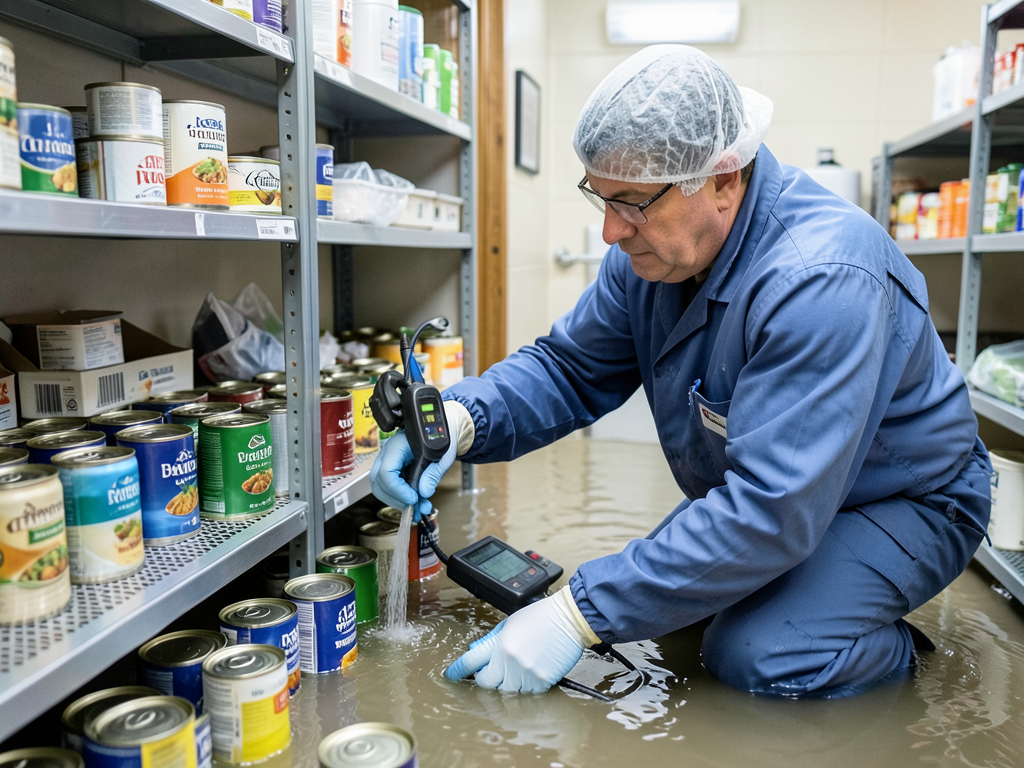
Cleaning Up a Flooded Pantry and What Food Items You Should Actually Throw Away
When floodwater enters your pantry, the contamination risk extends far beyond what you can see. Floodwater carries bacteria, chemicals, and sewage that can make food unsafe even if the packaging looks intact. The key is knowing exactly what to keep and what to discard before you start cleaning up. Rapid water restoration for business owners in Downtown Memphis.
Immediate Safety: The 24-Hour Rule for Power Outages
Before examining individual food items, check your refrigerator and freezer status. If your power was out for more than four hours, perishables like meat, dairy, and eggs may already be unsafe. A full freezer keeps food safe for about 48 hours if unopened, while a half-full freezer lasts about 24 hours.. Read more about Getting your Memphis home ready for the spring rainy season to avoid unexpected flooding.
The Shelby County Health Department recommends discarding any refrigerated food that has been above 40°F for more than two hours. Use a food thermometer to check internal temperatures if you’re unsure. When in doubt, throw it out. Shelby County Health Department Environmental Sanitation.
Identifying Contaminated Food
Floodwater contamination creates clear categories for food safety. Perishable items including meat, poultry, fish, eggs, and dairy products must be discarded if they’ve contacted floodwater, regardless of packaging. The same goes for all open containers, including jars, bottles, and packages with screw-caps, snap lids, or pull-tops. Water Damage Restoration Collierville.
Cardboard boxes containing juice, milk, or baby formula are also unsafe, as are home-canned goods with damaged seals. Any food in soft packaging like plastic wrap, paper, or cloth should be thrown away immediately.
Commercially canned goods present a different situation. If the cans appear undamaged without dents, rust, or swelling, they can be salvaged through proper sanitization. However, cans that show any signs of damage must be discarded.. Read more about Recovering from a commercial kitchen flood in your East Memphis restaurant.
Sanitation Protocol for Salvageable Cans
According to FDA guidelines, you can save undamaged commercial cans by following a specific cleaning process. First, remove paper labels and wash cans in hot, soapy water. Next, prepare a sanitizing solution using one tablespoon of unscented household bleach per gallon of water. FDA Food Safety After Flood Guidelines.
Soak cleaned cans in the bleach solution for at least two minutes, then air dry completely before opening. This process kills bacteria that may have entered through microscopic openings in the can seams.
Never taste food to determine safety. Floodwater can carry pathogens like E. coli, Salmonella, and Norovirus that cause serious illness. The risk isn’t worth saving a few dollars on food.. Read more about Saving your family photos and important documents from water damage in the University District.
Memphis Health Department Resources
The Shelby County Health Department provides specific guidelines for food safety after flooding events. Their Environmental Sanitation office can be reached at (901) 222-9203 for questions about food contamination and disposal requirements. Sump Pump Maintenance Guide.
For large-scale food disposal needs, contact the Shelby County Division of Solid Waste Management at (901) 222-7700. They can provide information about bulk disposal locations and any special requirements for flood-contaminated materials.
During active flooding events, the Shelby County Emergency Management Agency coordinates with FEMA to establish temporary collection sites for contaminated materials. Check their website at shelbycountytn.gov for current locations and hours. Emergency Dehumidifier Rental.
Professional Restoration: Beyond the Kitchen
Floodwater doesn’t stop at your pantry door. When water enters your home, it can damage walls, flooring, and structural elements, creating conditions for mold growth within 24-48 hours. The Institute of Inspection Cleaning and Restoration Certification (IICRC) S500 standard outlines proper procedures for Category 3 water damage cleanup. Cleaning up a flooded basement in Bartlett before the damage gets worse.
Category 3 water, also called black water, includes floodwater contaminated with sewage, chemicals, or other hazardous materials. This classification requires specific personal protective equipment, including gloves, boots, and respirators, along with specialized cleaning agents and equipment.. Read more about Dealing with the mess when a refrigerator water line breaks in your Wolfchase kitchen.
Professional restoration companies use moisture meters to detect hidden water in walls and under flooring. They also employ industrial-grade dehumidifiers and air movers to create proper drying conditions that prevent secondary damage.
If your pantry was flooded, chances are other areas of your home were affected too. Professional assessment can identify damage you might miss, protecting your family’s health and your home’s value.
Documenting Food Loss for Insurance Claims
If you have homeowners insurance, document all discarded food items for potential reimbursement. Take photos of contaminated items before disposal, including price tags or receipts when available. Create an inventory list with estimated values for each category of food.
Most standard homeowners policies cover food spoilage from covered perils like burst pipes or appliance failures, but flood damage typically requires separate flood insurance. Check your policy details or contact your insurance agent for clarification.
Keep all documentation organized and submit it promptly to your insurance company. Some policies have specific time limits for filing claims after a loss event.
Proper Disposal of Contaminated Items
Don’t just throw flood-contaminated food in your regular trash. Double-bag all discarded items in heavy-duty plastic bags and seal them tightly. If you have large quantities, check with your waste management provider about special pickup services or designated drop-off locations.
Never feed contaminated food to pets or wildlife. The pathogens in floodwater can affect animals just as they affect humans. Also, avoid composting flood-contaminated food, as the pathogens may survive the composting process.
For swollen or leaking canned goods, handle them with extreme caution. These items may contain dangerous bacteria that produce gas as they multiply. Place them in sealed bags and dispose of them immediately without opening.. Read more about Dealing with a leaking ice maker or wine cooler in your White Station kitchen.
Cross-Contamination in Flooded Appliances
Refrigerators and freezers that have been submerged in floodwater require special consideration. Even if they appear to function normally after drying, floodwater can contaminate insulation and internal components that can’t be properly cleaned.
The EPA recommends replacing refrigerators and freezers that have been in contact with floodwater, especially if the water was contaminated with sewage or chemicals. The cost of replacement is far less than the health risk of keeping contaminated appliances.
If you must keep a flooded appliance, have it professionally inspected and cleaned. However, most restoration experts recommend replacement for peace of mind and guaranteed safety.
Preventing Future Pantry Contamination
After cleaning up, consider preventive measures for future flood events. Store food items on shelves at least 12 inches above the floor in flood-prone areas. Use waterproof containers for items that must remain on lower shelves.
Install water sensors near your pantry that can alert you to leaks before they become major problems. Some modern sensors connect to smartphone apps and can notify you even when you’re away from home.
Consider relocating your pantry to a higher floor if your home has experienced repeated flooding. While this requires more effort initially, it can prevent significant losses and cleanup in the future.
When to Call a Memphis Water Damage Professional
If floodwater has affected your pantry, you likely need professional help for complete restoration. Call (901) 640-3133 today to schedule your inspection. Our certified technicians understand Memphis-specific flood patterns and can assess both visible and hidden damage.
We provide free inspections and can work directly with your insurance company to document damage and streamline the claims process. Don’t wait for mold to grow or structural damage to worsen.
Memphis’s humid climate creates perfect conditions for mold growth within 24-48 hours of water exposure. Quick professional response can prevent thousands of dollars in additional damage.
Local Flood Zone Considerations
Memphis residents in flood zones near the Mississippi River or Wolf River face unique challenges. These areas experience slower receding waters that can saturate building materials for extended periods, increasing the risk of structural damage and mold growth.
Older Memphis homes in neighborhoods like Midtown or Downtown may have crawl spaces or basements that trap moisture, creating hidden damage zones that homeowners might not discover until serious problems develop.
Professional assessment is particularly important in these areas, as the combination of older construction methods and flood-prone locations requires specialized knowledge of local building patterns and failure points.
Frequently Asked Questions
Can I save food in glass jars that were in floodwater?
No. Even if the jars appear sealed, floodwater can enter through microscopic imperfections in the lid or jar. The risk of contamination makes these items unsafe for consumption.
How long does it take for mold to grow after a flood?
Mold can begin growing within 24-48 hours in favorable conditions. Memphis’s high humidity accelerates this process, making quick action essential for preventing mold growth.
Should I keep food that was in a refrigerator that lost power during a flood?
Only if the refrigerator remained sealed and the power was out for less than four hours. If floodwater entered the refrigerator or the power was out longer, discard all perishable items.
What’s the difference between Category 1 and Category 3 water damage?
Category 1 water comes from clean sources like broken water lines. Category 3 water, like floodwater, contains contaminants and requires specialized cleanup procedures and protective equipment.
How do I know if my canned goods are safe after a flood?
Only undamaged cans can potentially be saved through proper sanitization. Check for dents, rust, swelling, or leaks. When in doubt, throw it out.
Remember, your health and safety are worth more than the cost of replacing contaminated food. When floodwater enters your home, quick and informed action prevents illness and protects your family.
For professional flood damage assessment and cleanup in Memphis, call (901) 640-3133. Our certified technicians are available 24/7 to help you recover from flood damage and prevent future problems.
You may also find this helpful. Choosing botanical disinfectants over traditional chemicals for your Memphis home cleanup.
{
“@context”: “https://schema.org”,
“@type”: “BlogPosting”,
“headline”: “Cleaning up a flooded pantry and what food items you should actually throw away”,
“description”: “A flooded pantry can contaminate food with dangerous bacteria. Learn which items to discard and which can be saved using Memphis health department guidelines.”,
“wordCount”: 1574,
“datePublished”: “2026-04-07T06:42:00.000Z”,
“dateModified”: “2026-04-07T06:42:00.000Z”,
“inLanguage”: “en-US”,
“mainEntityOfPage”: {
“@type”: “WebPage”,
“@id”: “https://victorywaterdamagerestorationmemphis.com”
},
“publisher”: {
“@type”: “LocalBusiness”,
“name”: “Victory Water Damage Restoration Memphis”,
“url”: “https://victorywaterdamagerestorationmemphis.com”
},
“author”: {
“@type”: “Organization”,
“name”: “Victory Water Damage Restoration Memphis”,
“url”: “https://victorywaterdamagerestorationmemphis.com”
},
“image”: {
“@type”: “ImageObject”,
“url”: “https://victorywaterdamagerestorationmemphis.com/wp-content/uploads/2026/03/cleaning-up-a-flooded-pantry-and-what-food-items-y-1.png”
}
}
{
“@context”: “https://schema.org”,
“@type”: “LocalBusiness”,
“name”: “Victory Water Damage Restoration Memphis”,
“url”: “https://victorywaterdamagerestorationmemphis.com”,
“address”: {
“@type”: “PostalAddress”,
“addressLocality”: “Memphis”
},
“areaServed”: {
“@type”: “City”,
“name”: “Memphis”
}
}
{
“@context”: “https://schema.org”,
“@type”: “FAQPage”,
“mainEntity”: [
{
“@type”: “Question”,
“name”: “Can I save food in glass jars that were in floodwater?”,
“acceptedAnswer”: {
“@type”: “Answer”,
“text”: “No. Even if the jars appear sealed, floodwater can enter through microscopic imperfections in the lid or jar. The risk of contamination makes these items unsafe for consumption.”
}
},
{
“@type”: “Question”,
“name”: “How long does it take for mold to grow after a flood?”,
“acceptedAnswer”: {
“@type”: “Answer”,
“text”: “Mold can begin growing within 24-48 hours in favorable conditions. Memphis’s high humidity accelerates this process, making quick action essential for preventing mold growth.”
}
},
{
“@type”: “Question”,
“name”: “Should I keep food that was in a refrigerator that lost power during a flood?”,
“acceptedAnswer”: {
“@type”: “Answer”,
“text”: “Only if the refrigerator remained sealed and the power was out for less than four hours. If floodwater entered the refrigerator or the power was out longer, discard all perishable items.”
}
},
{
“@type”: “Question”,
“name”: “What’s the difference between Category 1 and Category 3 water damage?”,
“acceptedAnswer”: {
“@type”: “Answer”,
“text”: “Category 1 water comes from clean sources like broken water lines. Category 3 water, like floodwater, contains contaminants and requires specialized cleanup procedures and protective equipment.”
}
},
{
“@type”: “Question”,
“name”: “How do I know if my canned goods are safe after a flood?”,
“acceptedAnswer”: {
“@type”: “Answer”,
“text”: “Only undamaged cans can potentially be saved through proper sanitization. Check for dents, rust, swelling, or leaks. When in doubt, throw it out.”
}
}
]
}
{
“@context”: “https://schema.org”,
“@type”: “BreadcrumbList”,
“itemListElement”: [
{
“@type”: “ListItem”,
“position”: 1,
“name”: “Home”,
“item”: “https://victorywaterdamagerestorationmemphis.com”
},
{
“@type”: “ListItem”,
“position”: 2,
“name”: “Blog”,
“item”: “https://victorywaterdamagerestorationmemphis.com/blog”
},
{
“@type”: “ListItem”,
“position”: 3,
“name”: “Cleaning up a flooded pantry and what food items you should actually throw away”
}
]
}
{
“@context”: “https://schema.org”,
“@type”: “Service”,
“serviceType”: “Water Damage Restoration”,
“provider”: {
“@type”: “LocalBusiness”,
“name”: “Victory Water Damage Restoration Memphis”,
“url”: “https://victorywaterdamagerestorationmemphis.com”
},
“areaServed”: {
“@type”: “City”,
“name”: “Memphis”
},
“description”: “A flooded pantry can contaminate food with dangerous bacteria. Learn which items to discard and which can be saved using Memphis health department guidelines.”
}