
Getting your Memphis home ready for the spring rainy season to avoid unexpected flooding
Memphis homeowners face unique flood risks each spring when heavy rains meet aging infrastructure and the Mississippi River’s seasonal rise. With over 54 inches of annual rainfall and clay-heavy soils that expand when wet, your home sits in a perfect storm for water intrusion. The good news is that most flood damage is preventable with the right preparation. This guide walks you through Memphis-specific steps to protect your property before the next storm hits. Memphis Stormwater Management.
Memphis-specific flood risks you need to understand
The Mid-South’s geography creates a perfect environment for flooding. Memphis sits in the Mississippi River floodplain with silty loess soils that drain poorly when saturated. During spring, the combination of heavy thunderstorms and rising river levels puts pressure on the city’s storm drainage system. Areas near the Wolf River and Nonconnah Creek are particularly vulnerable to flash flooding when drainage systems back up.. Read more about Controlling the humidity under your Cooper-Young bungalow to prevent floor cupping.
Older neighborhoods like Midtown and East Memphis face additional challenges from aging clay sewer pipes that can crack and allow groundwater infiltration. The city’s combined sewer system in some areas means that heavy rain can overwhelm treatment facilities, causing backups into basements. Understanding these local vulnerabilities is the first step to protecting your home. Rapid water restoration for business owners in Downtown Memphis.
Memphis Light, Gas and Water (MLGW) reports that spring is their busiest season for water main breaks, which can cause sudden flooding in neighborhoods. The utility recommends that homeowners know the location of their main water shutoff valve and test it annually. Water Damage Restoration Collierville.
Exterior maintenance checklist for flood prevention
Your home’s first line of defense against flooding starts outside. Memphis’s heavy clay soil and intense rainfall patterns require specific maintenance strategies that differ from other regions. Sump Pump Maintenance Guide.
Gutters and downspouts are critical in Memphis’s climate. Clean them at least twice yearly, removing leaves, pine needles, and debris that can cause overflow. Install downspout extensions that direct water at least 6 feet away from your foundation. Many Memphis homes have compacted clay soil near foundations that prevents proper drainage, so consider installing French drains if you notice pooling water.
Grading and landscaping around your home should slope away from the foundation at a minimum 6-inch drop over the first 10 feet. Memphis’s expansive clay soil can settle over time, creating low spots that collect water. After heavy rains, walk around your home and look for areas where water pools. These spots need immediate attention with additional soil or regrading.
Foundation inspection should include checking for cracks wider than 1/8 inch, which can allow water intrusion during heavy rains. Memphis’s freeze-thaw cycles can cause foundation movement that creates new entry points for water. Seal small cracks with hydraulic cement and monitor larger ones for movement.
Sump pump testing is essential for Memphis basements. Test your pump monthly by pouring water into the pit until the float activates. The pump should remove water within 30 seconds. Consider installing a battery backup system since Memphis storms often cause power outages when you need the pump most. The average Memphis home with a properly maintained sump pump system saves $8,000 to $15,000 in potential flood damage.
Critical systems inspection and maintenance
Memphis’s humid climate and aging infrastructure create specific challenges for home systems that prevent flooding.
Sump pump maintenance goes beyond simple testing. Memphis’s high water table means your pump works harder than in many other regions. Clean the pump inlet screen quarterly and check the discharge pipe for clogs. Install a water alarm that alerts you when the pit fills too high. Consider a dual-pump system for homes in flood-prone areas like Cordova or Bartlett where the water table is highest.
Backflow prevention is required by Shelby County building codes for homes with basements. A properly installed backflow valve prevents sewage from backing up through floor drains during heavy rains. MLGW recommends annual testing of these valves, especially in older Memphis neighborhoods where combined sewers are common.
Water heater maintenance prevents unexpected flooding. Memphis’s hard water causes sediment buildup that can corrode tank bottoms. Drain your water heater annually and check for rust or leaks. Replace units over 10 years old before they fail catastrophically. A leaking water heater can release 40-50 gallons of water in minutes, causing extensive damage.
Plumbing inspection should focus on visible pipes for corrosion, especially in homes built before 1980 when lead and galvanized pipes were common. Check under sinks, around water heaters, and in crawl spaces for moisture or corrosion. Memphis’s high humidity accelerates pipe corrosion, particularly on cold water lines where condensation forms.
Memphis-specific preparation steps
Living in Memphis requires preparation for regional flooding patterns and infrastructure challenges unique to the area.
Mississippi River monitoring is crucial for Memphis residents. The river’s flood stage at Memphis is 34 feet. When levels approach 30 feet, the risk of backwater flooding in low-lying areas increases. Sign up for MLGW flood alerts and monitor the National Weather Service for river forecasts. Homes in Harbor Town and other Mississippi River-adjacent neighborhoods should prepare sandbags when river levels exceed 28 feet.
Shelby County Emergency Management Agency provides sandbag distribution sites during flood threats. Know the location of your nearest site and keep a supply of sandbags ready if you live in flood-prone areas. The agency recommends 10-20 sandbags per doorway for adequate protection.
Storm drain responsibility in Memphis falls partly on homeowners. While the city maintains main lines, homeowners must keep drains on their property clear. After autumn leaf fall, check storm drains near your home and remove debris. Blocked drains are the leading cause of street flooding in Memphis neighborhoods during heavy rains.
Insurance verification is critical before flood season. Standard homeowners insurance doesn’t cover flood damage. Shelby County participates in the National Flood Insurance Program, but policies take 30 days to activate. Review your coverage and consider flood insurance even if you’re not in a high-risk zone, as 25% of flood claims come from moderate-risk areas.
Emergency kit and response planning
When flooding threatens, having a plan and supplies ready can save your home and family.
Emergency kit essentials should include waterproof boots, gloves, flashlights, batteries, and a battery-powered weather radio. Memphis’s storm patterns can develop rapidly, so keep your kit in an easily accessible location. Include important documents in waterproof containers and consider a portable power bank for your phone.
Local emergency contacts should be programmed into your phone. MLGW’s emergency line is (901) 544-6500 for utility issues. The Shelby County Emergency Management Agency can be reached at (901) 222-5800. Keep (901) 640-3133 handy for water damage emergencies that require immediate professional response.
Evacuation planning is necessary for homes in flood-prone areas. Identify multiple evacuation routes since roads can flood quickly in Memphis. The Wolf River Greenway and low-lying areas near Nonconnah Creek are particularly vulnerable. Plan for pets and keep carriers ready if you need to leave quickly.
Document preparation can speed insurance claims after flooding. Take photos of your home’s current condition, especially valuable items and recent improvements. Store these photos in cloud storage or a waterproof container. After any flooding, document damage thoroughly before cleanup begins.
Professional inspection timing and what to expect
Knowing when to call a professional can prevent minor issues from becoming major disasters.
Warning signs requiring immediate attention include water stains on walls or ceilings, musty odors in basements, or visible foundation cracks wider than 1/4 inch. These indicate active water intrusion that needs professional assessment. In Memphis’s humid climate, mold can begin growing within 24-48 hours of water exposure.
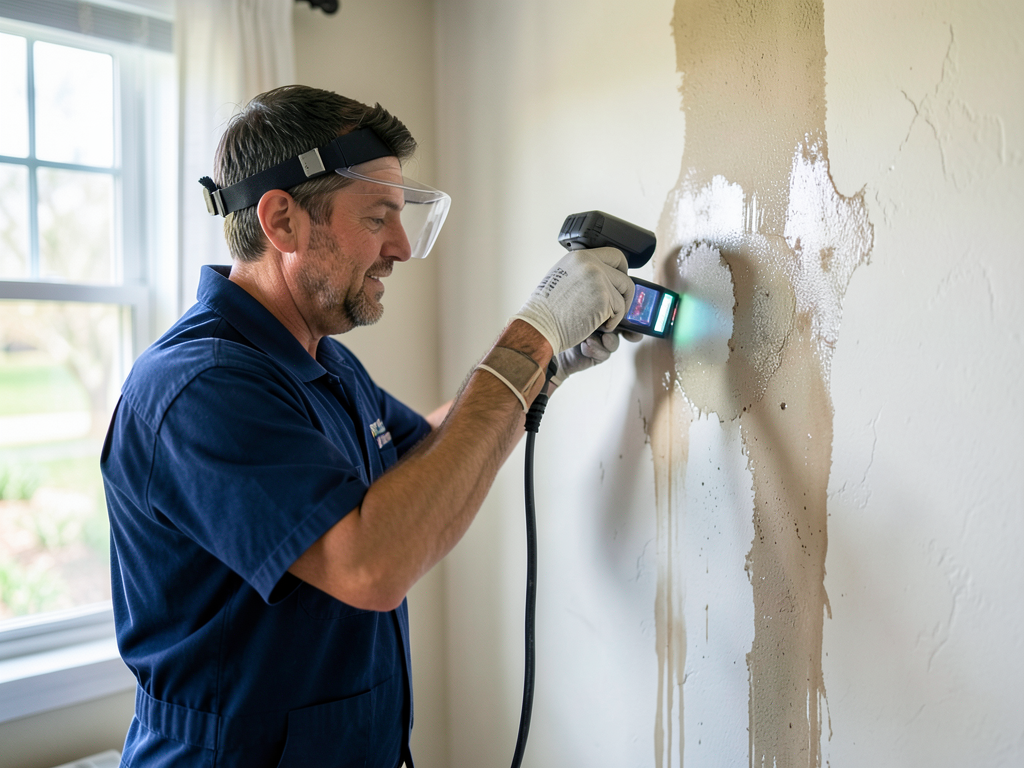
Professional inspection benefits include moisture mapping with thermal imaging cameras that detect hidden water behind walls. A trained technician can identify condensation patterns unique to Memphis’s climate that homeowners might miss. They also check for proper vapor barriers in crawl spaces, which are critical in our humid environment.
Cost-benefit analysis shows that a $300 professional inspection can prevent $10,000+ in damage. The inspection should include checking grading, drainage systems, sump pump operation, and foundation integrity. Ask for a written report with specific recommendations and prioritize fixes based on urgency and cost.
Timing considerations matter in Memphis. Schedule inspections in late winter before spring rains begin. This gives you time to complete repairs before the heaviest rainfall months of March through May. Many contractors offer discounted rates during their slow season in January and February.
Post-flood restoration steps specific to Memphis
If flooding occurs despite your preparation, understanding the restoration process can save time and prevent further damage.. Read more about How to read a water damage restoration estimate for your Fisherville home.
Immediate response steps should prioritize safety. Turn off electricity at the main breaker if water enters your home. Memphis’s clay soil can hold water against foundations for days after surface flooding recedes, so don’t assume the danger has passed when water disappears from sight.
Professional restoration process in Memphis follows IICRC S500 standards for water damage restoration. This includes water extraction, drying with commercial-grade dehumidifiers (critical in Memphis’s humid climate), and antimicrobial treatment to prevent mold growth. The process typically takes 3-5 days but varies based on the extent of damage and building materials affected.
Mold prevention is especially important in Memphis due to our high humidity. Even after visible water is removed, materials can retain moisture for weeks. Professional drying includes moisture testing to ensure materials reach safe levels before reconstruction begins. The cost of proper drying is far less than mold remediation, which can cost $5,000 to $25,000 in severe cases.
Insurance documentation requires detailed records. Take photos before any work begins and keep all receipts. MLGW may need to inspect and certify that utilities are safe before restoration can proceed. Working with a restoration company experienced in Memphis insurance claims can speed the process and ensure nothing is overlooked.
Cost comparison: prevention vs. restoration
Understanding the financial impact of flood prevention versus restoration helps prioritize your efforts.
| Prevention Measure | Typical Cost | Potential Savings |
|---|---|---|
| Gutter cleaning and extensions | $150 – $400 | $2,000 – $5,000 |
| Sump pump with battery backup | $800 – $1,500 | $8,000 – $15,000 |
| Foundation crack repair | $300 – $800 | $5,000 – $10,000 |
| French drain installation | $2,000 – $6,000 | $10,000 – $20,000 |
| Backflow preventer installation | $500 – $1,200 | $3,000 – $8,000 |
These figures reflect typical Memphis costs and savings based on local contractor data and insurance claim statistics. The prevention costs listed are one-time investments that protect your home for years.
Seasonal timing for Memphis flood preparation
Memphis’s unique climate patterns require specific timing for flood prevention activities.
Late winter (February-March) is ideal for exterior maintenance. The ground is often soft enough for grading work but hasn’t yet become saturated from spring rains. This timing allows repairs to settle before heavy rains begin. Many Memphis contractors offer winter discounts during this period.
Early spring (March-April) is when you should test all flood prevention systems. Check sump pumps, clean gutters, and inspect drainage systems. This timing ensures everything works before the heaviest rainfall months of April through June. Memphis averages 4-5 inches of rain monthly during this period.
Summer preparation (June-July) focuses on hurricane season readiness. While Memphis rarely experiences direct hurricane hits, remnants can bring 6-8 inches of rain in 24 hours. Ensure your backup systems work and that you have emergency supplies ready. This is also when to check that your homeowner’s insurance includes flood coverage if needed.
Fall maintenance (October-November) prepares for winter and next spring. Clean gutters after leaf fall, check that grading hasn’t settled during summer’s dry periods, and inspect for any damage from spring storms. This maintenance reduces next year’s spring flood risk.
Technology and tools for flood prevention
Modern technology offers additional protection for Memphis homes against flooding.
Smart water sensors can detect leaks before they cause major damage. Place these near water heaters, under sinks, and in basements. Many sensors connect to smartphone apps that alert you to problems even when you’re away from home. In Memphis’s humid climate, these can also detect condensation issues that lead to mold.
Wi-Fi enabled sump pumps allow remote monitoring of pump operation. These systems can alert you to pump failures, high water levels, or power outages. Some models automatically switch to battery power when utility power fails, which is crucial during Memphis’s frequent summer thunderstorms.
Moisture meters help monitor building materials for hidden water retention. Professional-grade meters can detect moisture levels in wood, drywall, and concrete. In Memphis’s humid climate, materials can appear dry on the surface while retaining dangerous moisture levels deeper inside.
Dehumidifiers rated for Memphis’s climate can maintain safe humidity levels year-round. Look for units rated for at least 2,000 square feet with continuous drainage capability. Proper dehumidification prevents condensation on cool surfaces and reduces the risk of mold growth in our humid environment.
Frequently Asked Questions
How much does flood insurance cost in Memphis?
Flood insurance costs in Memphis vary widely based on location and coverage level. The average policy costs $600-$1,200 annually for homes in moderate-risk zones. Homes in high-risk areas near the Mississippi River or Wolf River can pay $2,000-$4,000 per year. Factors affecting cost include elevation, building age, and flood zone designation.
How long does it take for mold to grow after flooding?
Mold can begin growing within 24-48 hours after water exposure in Memphis’s humid climate. The combination of moisture and high humidity creates ideal conditions for rapid mold growth. Professional remediation should begin within this timeframe to prevent extensive contamination. Some materials, like drywall and carpet, are particularly susceptible to quick mold colonization.
What should I do if my basement floods during a storm?
If your basement floods during a storm, prioritize safety first. Turn off electricity if water contacts outlets or appliances. Avoid entering standing water, as it may be contaminated or hide hazards. Contact (901) 640-3133 immediately for emergency water extraction. Document damage with photos before cleanup begins, and contact your insurance company promptly. Emergency Dehumidifier Rental.
Are there specific building codes for flood prevention in Memphis?
Yes, Shelby County has specific building codes for flood-prone areas. New construction in designated flood zones must meet elevation requirements and use flood-resistant materials. Backflow preventers are required for homes with basements. The county also mandates proper grading and drainage for all new construction. Check with the Shelby County Building Code Office for specific requirements. Shelby County Emergency Management Agency.
Don’t wait until the next storm hits to protect your Memphis home from flooding. The cost of prevention is always less than the cost of restoration. If you notice any warning signs or want a professional inspection before flood season, call (901) 640-3133 today. Our experienced technicians understand Memphis’s unique flood risks and can help you prepare your home properly. Pick up the phone and call (901) 640-3133 before the next storm hits.. Read more about The real risks of trying to dry out a wet basement with a shop vac and a prayer.

You may also find this helpful. Why your Kirby Woods estate needs specialized drying for fine rugs and antiques.
You may also find this helpful. Why those banging pipes in your Sherwood Forest home could lead to a major flood.
You may also find this helpful. Why air quality testing is a vital final step for your Medical District property.
[IMAGE_PLACEHOLDER_3>
{
“@context”: “https://schema.org”,
“@type”: “BlogPosting”,
“headline”: “Getting your Memphis home ready for the spring rainy season to avoid unexpected flooding”,
“description”: “Protect your Memphis home from spring flooding with our expert checklist. Learn Memphis-specific flood prevention tips, sump pump maintenance, and when to call (901) 640-3133.”,
“wordCount”: 2460,
“datePublished”: “2026-04-12T14:03:00.000Z”,
“dateModified”: “2026-04-12T14:03:00.000Z”,
“inLanguage”: “en-US”,
“mainEntityOfPage”: {
“@type”: “WebPage”,
“@id”: “https://victorywaterdamagerestorationmemphis.com”
},
“publisher”: {
“@type”: “LocalBusiness”,
“name”: “Victory Water Damage Restoration Memphis”,
“url”: “https://victorywaterdamagerestorationmemphis.com”
},
“author”: {
“@type”: “Organization”,
“name”: “Victory Water Damage Restoration Memphis”,
“url”: “https://victorywaterdamagerestorationmemphis.com”
},
“image”: {
“@type”: “ImageObject”,
“url”: “https://victorywaterdamagerestorationmemphis.com/wp-content/uploads/2026/03/getting-your-memphis-home-ready-for-the-spring-rai-1.png”
}
}
{
“@context”: “https://schema.org”,
“@type”: “LocalBusiness”,
“name”: “Victory Water Damage Restoration Memphis”,
“url”: “https://victorywaterdamagerestorationmemphis.com”,
“address”: {
“@type”: “PostalAddress”,
“addressLocality”: “Memphis”
},
“areaServed”: {
“@type”: “City”,
“name”: “Memphis”
}
}
{
“@context”: “https://schema.org”,
“@type”: “FAQPage”,
“mainEntity”: [
{
“@type”: “Question”,
“name”: “How much does flood insurance cost in Memphis?”,
“acceptedAnswer”: {
“@type”: “Answer”,
“text”: “Flood insurance costs in Memphis vary widely based on location and coverage level. The average policy costs $600-$1,200 annually for homes in moderate-risk zones. Homes in high-risk areas near the Mississippi River or Wolf River can pay $2,000-$4,000 per year. Factors affecting cost include elevation, building age, and flood zone designation.”
}
},
{
“@type”: “Question”,
“name”: “How long does it take for mold to grow after flooding?”,
“acceptedAnswer”: {
“@type”: “Answer”,
“text”: “Mold can begin growing within 24-48 hours after water exposure in Memphis’s humid climate. The combination of moisture and high humidity creates ideal conditions for rapid mold growth. Professional remediation should begin within this timeframe to prevent extensive contamination. Some materials, like drywall and carpet, are particularly susceptible to quick mold colonization.”
}
},
{
“@type”: “Question”,
“name”: “What should I do if my basement floods during a storm?”,
“acceptedAnswer”: {
“@type”: “Answer”,
“text”: “If your basement floods during a storm, prioritize safety first. Turn off electricity if water contacts outlets or appliances. Avoid entering standing water, as it may be contaminated or hide hazards. Contact (901) 640-3133 immediately for emergency water extraction. Document damage with photos before cleanup begins, and contact your insurance company promptly. Emergency Dehumidifier Rental.”
}
},
{
“@type”: “Question”,
“name”: “Are there specific building codes for flood prevention in Memphis?”,
“acceptedAnswer”: {
“@type”: “Answer”,
“text”: “Yes, Shelby County has specific building codes for flood-prone areas. New construction in designated flood zones must meet elevation requirements and use flood-resistant materials. Backflow preventers are required for homes with basements. The county also mandates proper grading and drainage for all new construction. Check with the Shelby County Building Code Office for specific requirements. Shelby County Emergency Management Agency.”
}
}
]
}
{
“@context”: “https://schema.org”,
“@type”: “BreadcrumbList”,
“itemListElement”: [
{
“@type”: “ListItem”,
“position”: 1,
“name”: “Home”,
“item”: “https://victorywaterdamagerestorationmemphis.com”
},
{
“@type”: “ListItem”,
“position”: 2,
“name”: “Blog”,
“item”: “https://victorywaterdamagerestorationmemphis.com/blog”
},
{
“@type”: “ListItem”,
“position”: 3,
“name”: “Getting your Memphis home ready for the spring rainy season to avoid unexpected flooding”
}
]
}
{
“@context”: “https://schema.org”,
“@type”: “Service”,
“serviceType”: “Water Damage Restoration”,
“provider”: {
“@type”: “LocalBusiness”,
“name”: “Victory Water Damage Restoration Memphis”,
“url”: “https://victorywaterdamagerestorationmemphis.com”
},
“areaServed”: {
“@type”: “City”,
“name”: “Memphis”
},
“description”: “Protect your Memphis home from spring flooding with our expert checklist. Learn Memphis-specific flood prevention tips, sump pump maintenance, and when to call (901) 640-3133.”
}