
How to prevent secondary water damage like warped baseboards and lingering odors in Annesdale Park
Secondary water damage strikes when you think the problem is solved. That’s when warped baseboards appear, musty odors emerge, and mold begins growing in hidden spaces throughout your Annesdale Park home. This type of damage happens when moisture lingers in materials after the initial leak, creating perfect conditions for structural problems and health hazards. Rapid water restoration for business owners in Downtown Memphis.
In Memphis’s humid climate, secondary damage can start within 24 hours of a water incident. The combination of our high relative humidity and the historic construction methods used in Annesdale Park homes creates a perfect storm for moisture-related problems. Understanding how to prevent this damage is crucial for protecting your property and your family’s health. Water Damage Restoration Collierville.
Understanding secondary water damage in Memphis homes
Secondary water damage occurs when moisture vapor spreads through the air and affects materials that never touched the original water source. Unlike primary damage from direct contact, secondary damage affects areas like upper walls, ceilings, and adjacent rooms through humidity transfer.
The science behind this process involves psychrometrics – the study of moist air properties. When water evaporates from wet materials, it increases the relative humidity in the surrounding air. In Memphis’s average 70-75% relative humidity, this airborne moisture has nowhere to go, creating ideal conditions for secondary damage.
Common signs of secondary damage include peeling wallpaper, warped hardwood floors, musty odors, and buckling drywall. These problems often appear days or weeks after the initial incident, leading homeowners to believe the water issue is resolved when significant damage continues to develop behind the scenes. Can you save the hardwood floors in your Cooper-Young bungalow after a flood?.
Why Annesdale Park homes face unique secondary damage risks
Annesdale Park’s historic homes, built primarily between 1900 and 1930, present specific vulnerabilities to secondary water damage. Many of these homes feature balloon-frame construction, where wall cavities extend from foundation to roof without fire stops. This design allows moisture to travel vertically through walls, affecting multiple levels.
The neighborhood’s mature tree canopy, while beautiful, creates additional risks. Large trees near homes can cause foundation settling, leading to cracks that allow moisture intrusion. The clay-rich soils of the Mid-South expand and contract with moisture changes, putting pressure on foundation walls and creating pathways for water entry.
Older plumbing systems in Annesdale Park homes often use galvanized steel pipes that corrode from the inside out. These hidden failures can cause slow leaks that go undetected for weeks, providing constant moisture sources that fuel secondary damage throughout the home.
The critical 24-48 hour window for damage prevention
Secondary water damage follows a predictable timeline that every homeowner should understand. Within the first 24 hours, moisture begins affecting materials that weren’t directly wet. Hardwood floors start absorbing humidity from the air, causing boards to expand and cup. Baseboards begin warping as moisture penetrates the wood grain.
Between 24-48 hours, mold spores that exist naturally in all homes begin germinating in the elevated moisture conditions. The musty odor that many homeowners notice typically appears during this window as microbial volatile organic compounds are released. Drywall begins absorbing moisture from the air, causing it to soften and lose structural integrity.
After 48 hours, secondary damage accelerates rapidly. Warped materials become permanently deformed. Mold colonies establish themselves and begin spreading. The cost to remediate damage increases exponentially with each passing day. This timeline applies even when the original water source has been stopped.
Professional moisture mapping and detection techniques
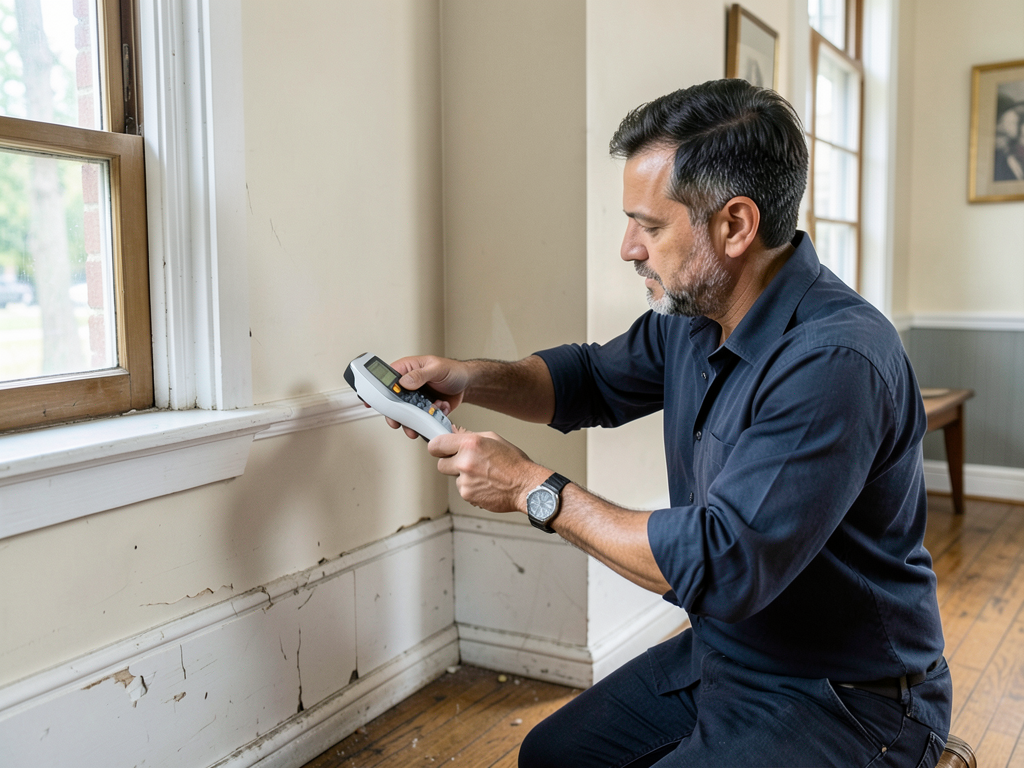
Professional water damage restoration technicians use specialized equipment to detect secondary moisture that homeowners cannot see. Moisture meters measure the actual water content in materials, while thermal imaging cameras reveal temperature differences that indicate hidden moisture pockets.
The process begins with establishing a baseline moisture reading in unaffected areas of the home. Technicians then systematically check walls, floors, and ceilings throughout the property. This comprehensive approach often reveals secondary damage in rooms that appeared untouched by the initial water incident.
Relative humidity monitoring is crucial in Memphis’s climate. When indoor humidity exceeds 60%, secondary damage accelerates. Professional-grade hygrometers provide accurate readings that help determine when additional dehumidification is needed to prevent ongoing moisture problems.
Industrial-grade dehumidification strategies
Professional dehumidification goes far beyond running household fans. Low Grain Refrigerant (LGR) dehumidifiers remove moisture from the air more efficiently than standard units. These machines can extract 20-30 gallons of water per day from the air in a typical home environment. Emergency Dehumidifier Rental.
The placement of dehumidifiers follows specific principles. Units should be positioned to create air circulation patterns that reach all affected areas. In multi-story homes, this often means placing equipment on different levels to address the stack effect, where warm, moist air rises through the structure.
Dehumidification must continue until materials reach their normal moisture content. This process typically takes 3-5 days in Memphis’s climate, even when visible water has been removed. Stopping too early allows moisture to redistribute, causing secondary damage to continue developing.
Air movement and drying chamber techniques
Proper air movement is essential for preventing secondary damage. Industrial air movers create high-velocity airflow that accelerates evaporation from wet surfaces. The strategic placement of these machines creates drying chambers that contain and direct moisture away from unaffected areas.
Negative air pressure systems prevent moisture migration to unaffected rooms. By creating slight pressure differentials, these systems ensure that moist air moves toward dehumidifiers rather than spreading throughout the home. This technique is particularly important in historic homes where walls lack modern vapor barriers.
The combination of heat, air movement, and dehumidification follows the principles of psychrometrics. Each element plays a specific role in the moisture removal process. Heat increases the air’s moisture-holding capacity, air movement replaces saturated air with drier air at the material surface, and dehumidification removes the moisture from the air.
Preventing warped baseboards and trim damage
Baseboards and trim are often the first visible signs of secondary water damage. These wood components absorb moisture readily and warp when humidity levels fluctuate. Prevention requires both immediate response and long-term moisture control strategies.
Immediately after a water incident, remove baseboards in affected areas to allow air circulation behind walls. This prevents moisture from becoming trapped in the wall cavity, where it can affect both the structural components and the back side of the drywall.
For existing warped baseboards, professional assessment determines whether they can be salvaged. Minor warping sometimes responds to controlled drying and clamping. Severe warping usually requires replacement, as the wood fibers have been permanently deformed by moisture absorption.
Addressing lingering odors and microbial growth
Musty odors indicate active microbial growth, even when visible mold isn’t present. These odors result from microbial volatile organic compounds (MVOCs) released during the metabolic processes of mold and bacteria. The presence of these odors signals that moisture levels remain too high for a healthy indoor environment.
Professional odor removal requires addressing the moisture source first. Without moisture control, any cleaning or deodorizing efforts provide only temporary relief. Once humidity is controlled, specialized cleaning agents and air scrubbers remove the compounds causing the odors. Cleaning up a flooded basement in Bartlett before the damage gets worse.
HEPA filtration captures mold spores and other particulates from the air. Combined with activated carbon filters, these systems remove both the particles and the gases responsible for musty odors. This comprehensive approach ensures that the air quality returns to safe levels.
Building code compliance and insurance considerations
Secondary water damage mitigation in Memphis must comply with Shelby County building codes and IICRC S500 standards. These standards require documentation of moisture levels, drying progress, and verification that materials have returned to normal moisture content before reconstruction begins. Shelby County building codes.
Insurance coverage for secondary damage varies significantly. Most policies cover sudden and accidental water damage but may exclude damage from long-term moisture problems or poor maintenance. Understanding your policy’s specific language helps determine coverage for secondary damage scenarios.
Professional documentation becomes crucial for insurance claims. Moisture readings, drying logs, and photographic evidence support claims for both primary and secondary damage. This documentation also demonstrates that proper mitigation procedures were followed, which many insurance companies now require.
Long-term prevention strategies for Annesdale Park homes
Preventing secondary water damage requires ongoing moisture management. Installing and maintaining proper ventilation systems helps control indoor humidity levels. This is particularly important in older homes that may lack modern vapor barriers and moisture control features.
Regular plumbing inspections can identify potential failure points before they cause damage. Pay special attention to areas where pipes run through walls or where connections exist between different materials. These transition points often represent the highest risk for future leaks.
Consider installing moisture detection systems in high-risk areas like basements, crawl spaces, and near water heaters. These systems provide early warning of moisture problems, allowing for intervention before secondary damage develops.
DIY vs. professional mitigation: When to call the experts
Homeowners can handle minor water incidents with proper knowledge and equipment. Small spills on hard surfaces, minor toilet overflows contained to bathrooms, and small appliance leaks often respond well to DIY cleanup using fans, dehumidifiers, and moisture meters.
Professional help becomes essential when water affects multiple rooms, involves contaminated water sources, or when DIY efforts don’t resolve the problem within 48 hours. The cost of professional services typically ranges from $1,500 to $5,000 for comprehensive secondary damage prevention, compared to $10,000 to $30,000 for repairing advanced secondary damage.
The expertise of certified technicians includes understanding building science principles, operating specialized equipment, and recognizing early signs of secondary damage. This knowledge often prevents problems that DIY approaches miss, ultimately saving money and protecting property value.
Emergency response steps for water incidents
When water damage occurs, immediate action prevents secondary damage. First, stop the water source if possible. Next, remove standing water using wet vacuums or mops. Then, begin the drying process by increasing air circulation and reducing humidity.
Document everything before cleanup begins. Take photos and videos of all affected areas, including seemingly minor damage. This documentation proves invaluable for insurance claims and helps professionals assess the full scope of damage.
Remove wet items from affected areas. Furniture, rugs, and personal belongings can transfer moisture to dry areas or become damaged themselves. Place aluminum foil under furniture legs to prevent staining on wet carpets.
Frequently Asked Questions
How long does it take for secondary water damage to appear?
Secondary water damage can begin within 24 hours of a water incident. The first signs often appear as musty odors or slight warping of wood materials. By 48-72 hours, more significant damage like mold growth and structural weakening typically becomes evident.
Can I prevent secondary damage with just fans and open windows?
While increasing air circulation helps, Memphis’s high outdoor humidity often makes this approach ineffective. Professional dehumidification is usually necessary to achieve the low humidity levels required to prevent secondary damage, especially during our humid summer months.
Does homeowners insurance cover secondary water damage?
Coverage depends on your specific policy and the cause of the initial water damage. Most policies cover sudden and accidental damage but may exclude problems resulting from poor maintenance or long-term moisture issues. Always check with your insurance provider about your coverage.
Take action before secondary damage spreads
Secondary water damage in Annesdale Park homes requires immediate attention and professional expertise. The combination of our humid climate and historic construction methods creates unique challenges that demand specialized knowledge and equipment.
Don’t wait until warped baseboards and musty odors signal advanced damage. The cost of prevention is always lower than the cost of repair. Professional moisture assessment and mitigation can save thousands in potential damage while protecting your family’s health.
Call (901) 640-3133 today to schedule your inspection. Our certified technicians understand the specific challenges facing Annesdale Park homes and can develop a comprehensive plan to prevent secondary water damage. Available 24/7 for emergency response, we’re ready to protect your property from the hidden dangers of moisture.
Pick up the phone and call (901) 640-3133 before the next storm hits. In Memphis’s climate, waiting even 24 hours can mean the difference between simple cleanup and extensive reconstruction. Your home deserves expert care from technicians who understand local conditions and building methods. For more information, visit IICRC S500 standards.
{
“@context”: “https://schema.org”,
“@type”: “BlogPosting”,
“headline”: “How to prevent secondary water damage like warped baseboards and lingering odors in Annesdale Park”,
“description”: “Learn how to prevent secondary water damage in Annesdale Park homes. Stop warped baseboards, musty odors, and mold growth with professional moisture control techniques.”,
“wordCount”: 2052,
“datePublished”: “2026-03-16T16:28:00.000Z”,
“dateModified”: “2026-03-16T16:28:00.000Z”,
“inLanguage”: “en-US”,
“mainEntityOfPage”: {
“@type”: “WebPage”,
“@id”: “https://victorywaterdamagerestorationmemphis.com”
},
“publisher”: {
“@type”: “LocalBusiness”,
“name”: “Victory Water Damage Restoration Memphis”,
“url”: “https://victorywaterdamagerestorationmemphis.com”
},
“author”: {
“@type”: “Organization”,
“name”: “Victory Water Damage Restoration Memphis”,
“url”: “https://victorywaterdamagerestorationmemphis.com”
},
“image”: {
“@type”: “ImageObject”,
“url”: “https://victorywaterdamagerestorationmemphis.com/wp-content/uploads/2026/03/how-to-prevent-secondary-water-damage-like-warped-1.png”
}
}
{
“@context”: “https://schema.org”,
“@type”: “LocalBusiness”,
“name”: “Victory Water Damage Restoration Memphis”,
“url”: “https://victorywaterdamagerestorationmemphis.com”,
“address”: {
“@type”: “PostalAddress”,
“addressLocality”: “Memphis”
},
“areaServed”: {
“@type”: “City”,
“name”: “Memphis”
}
}
{
“@context”: “https://schema.org”,
“@type”: “FAQPage”,
“mainEntity”: [
{
“@type”: “Question”,
“name”: “How long does it take for secondary water damage to appear?”,
“acceptedAnswer”: {
“@type”: “Answer”,
“text”: “Secondary water damage can begin within 24 hours of a water incident. The first signs often appear as musty odors or slight warping of wood materials. By 48-72 hours, more significant damage like mold growth and structural weakening typically becomes evident.”
}
},
{
“@type”: “Question”,
“name”: “Can I prevent secondary damage with just fans and open windows?”,
“acceptedAnswer”: {
“@type”: “Answer”,
“text”: “While increasing air circulation helps, Memphis’s high outdoor humidity often makes this approach ineffective. Professional dehumidification is usually necessary to achieve the low humidity levels required to prevent secondary damage, especially during our humid summer months.”
}
},
{
“@type”: “Question”,
“name”: “Does homeowners insurance cover secondary water damage?”,
“acceptedAnswer”: {
“@type”: “Answer”,
“text”: “Coverage depends on your specific policy and the cause of the initial water damage. Most policies cover sudden and accidental damage but may exclude problems resulting from poor maintenance or long-term moisture issues. Always check with your insurance provider about your coverage.”
}
}
]
}
{
“@context”: “https://schema.org”,
“@type”: “BreadcrumbList”,
“itemListElement”: [
{
“@type”: “ListItem”,
“position”: 1,
“name”: “Home”,
“item”: “https://victorywaterdamagerestorationmemphis.com”
},
{
“@type”: “ListItem”,
“position”: 2,
“name”: “Blog”,
“item”: “https://victorywaterdamagerestorationmemphis.com/blog”
},
{
“@type”: “ListItem”,
“position”: 3,
“name”: “How to prevent secondary water damage like warped baseboards and lingering odors in Annesdale Park”
}
]
}
{
“@context”: “https://schema.org”,
“@type”: “Service”,
“serviceType”: “Water Damage Restoration”,
“provider”: {
“@type”: “LocalBusiness”,
“name”: “Victory Water Damage Restoration Memphis”,
“url”: “https://victorywaterdamagerestorationmemphis.com”
},
“areaServed”: {
“@type”: “City”,
“name”: “Memphis”
},
“description”: “Learn how to prevent secondary water damage in Annesdale Park homes. Stop warped baseboards, musty odors, and mold growth with professional moisture control techniques.”
}