
Keeping infants and seniors safe from respiratory risks in a damp Memphis home
Memphis humidity creates perfect conditions for mold growth that threatens the most vulnerable members of your household. Infants and seniors face heightened respiratory risks when moisture accumulates in your home after water damage or persistent dampness. The Mississippi Delta climate means your home battles moisture year-round, making respiratory protection essential for protecting your family’s health. Rapid water restoration for business owners in Downtown Memphis.
Understanding how Memphis-specific environmental factors affect indoor air quality helps you identify warning signs before serious health problems develop. This guide explains the science behind moisture-related respiratory risks and provides clear steps to create a safer home environment for infants and seniors. Sump Pump Maintenance Guide.
Why Memphis humidity creates perfect conditions for respiratory problems
The Mississippi Delta climate delivers high humidity levels that exceed 70% during summer months, creating ideal conditions for mold and dust mite proliferation. When moisture levels rise above 50% indoors, microscopic organisms multiply rapidly, releasing spores and waste products that trigger respiratory reactions in sensitive individuals.
Historic Memphis homes built before modern moisture barriers often lack proper ventilation, allowing damp air to become trapped in wall cavities and crawl spaces. The combination of aging infrastructure and high outdoor humidity creates a compounding problem that affects respiratory health over time.
Infants have developing immune systems and smaller airways that make them particularly vulnerable to airborne irritants. Seniors often have compromised respiratory function or existing conditions like asthma that worsen when exposed to mold spores and dust mite allergens.
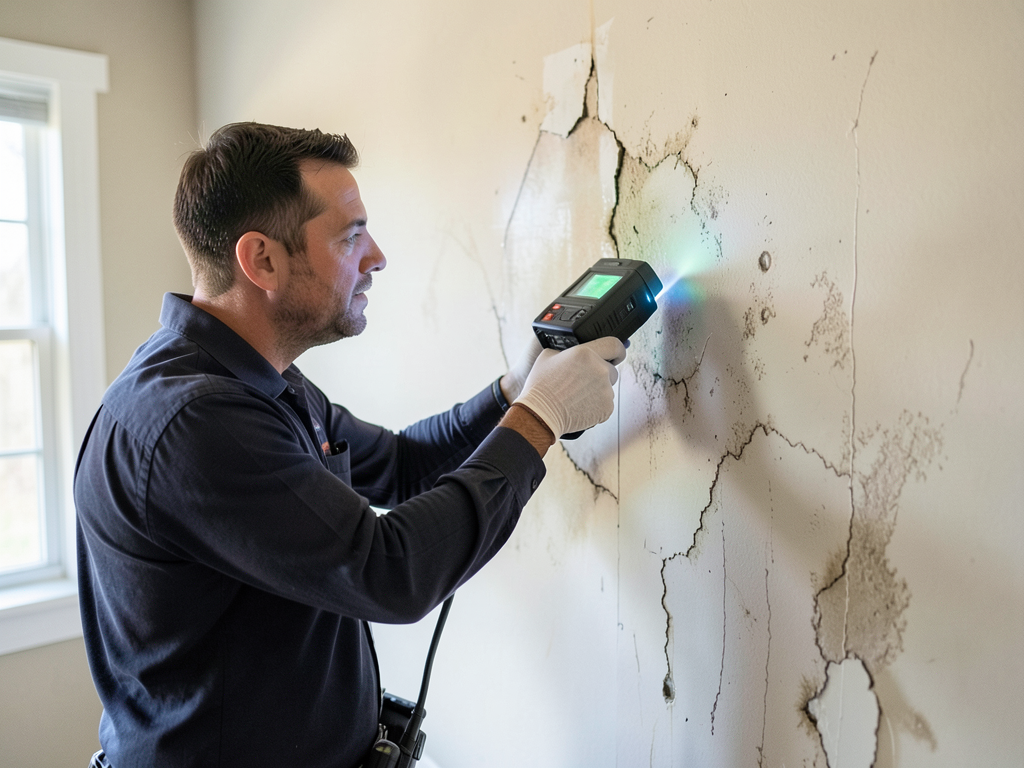
Diagram showing how Memphis humidity levels above 50% create conditions for mold growth in typical home wall cavities
Immediate health risks: respiratory issues and allergies
When moisture levels remain elevated in your home, you may notice respiratory symptoms developing within days. Infants might experience increased coughing, wheezing, or difficulty breathing during sleep. Seniors often report chest tightness, shortness of breath, or persistent coughing that worsens at night.
Common respiratory problems linked to indoor dampness include:
- Asthma attacks triggered by mold spores
- Allergic rhinitis with sneezing and nasal congestion
- Bronchitis from prolonged exposure to airborne irritants
- Sinus infections from chronic inflammation
- Sleep-disordered breathing in infants
The Environmental Protection Agency identifies damp indoor environments as significant asthma triggers, particularly for children under age five and adults over sixty-five. These age groups experience more severe reactions to the same level of exposure compared to healthy adults.
Physical signs of moisture problems often appear before health symptoms become severe. Musty odors, condensation on windows, or visible mold growth in bathrooms indicate conditions that could harm respiratory health.
Long-term consequences: mycotoxins and chronic illness
Extended exposure to damp environments creates risks beyond immediate respiratory irritation. Certain mold species produce mycotoxins that can cause neurological symptoms, immune system suppression, and chronic inflammatory responses in sensitive individuals.
Infants exposed to mold during critical developmental periods may experience lasting respiratory effects. Studies show children who grow up in damp homes have higher rates of asthma and allergies later in life compared to those in properly maintained environments.
Seniors with pre-existing conditions face compounded risks when exposed to indoor mold. Respiratory infections become more frequent and severe, potentially leading to hospitalization or reduced quality of life.
Professional moisture testing often reveals hidden problems that homeowners cannot detect visually. Thermal imaging cameras identify temperature differences that indicate moisture behind walls, while moisture meters measure water content in building materials. Water Damage Restoration Collierville.
Technician using thermal imaging camera to detect moisture patterns behind drywall in a Memphis home
The Memphis factor: how local humidity accelerates indoor dampness
Memphis experiences average relative humidity levels of 75% during July and August, with dew points often exceeding 70 degrees Fahrenheit. These conditions mean moisture constantly tries to enter your home through every available pathway.
The Mississippi River floodplain creates additional challenges for homeowners. Low-lying areas near the river experience higher water tables, increasing the likelihood of basement moisture and foundation seepage during heavy rains. EPA Mold Resources.
Historic neighborhoods like Midtown and East Memphis feature older construction methods that lack modern moisture barriers. Balloon framing and plaster walls create pathways for moisture migration that newer homes avoid through updated building practices.. Read more about Why black streaks on your walls could mean you have a hidden moisture problem.
According to the IICRC S500 Standard for Professional Water Damage Restoration, mold can begin growing within 24 to 48 hours of water exposure. Memphis’s climate means this window is even shorter during summer months when temperatures remain warm overnight.
Identifying the signs: is your house making you sick?
Recognizing early warning signs helps you address moisture problems before they affect respiratory health. Physical symptoms often provide the first clue that something is wrong in your home environment.
Common indicators that moisture is affecting your home include:
- Musty odors that persist despite cleaning
- Condensation on windows or cold surfaces
- Water stains on walls or ceilings
- Peeling paint or wallpaper
- Visible mold growth in bathrooms or basements
- Increased allergy symptoms when indoors
Infants might show signs through disrupted sleep patterns, increased fussiness, or breathing sounds that seem labored. Seniors might experience coughing fits that improve when away from home, indicating an indoor trigger.
Professional assessment using moisture meters and air quality testing provides objective data about your home’s condition. These tools measure humidity levels, identify mold spore concentrations, and locate hidden moisture sources.
Professional remediation: moving beyond surface cleaning
Addressing respiratory risks requires more than wiping visible mold or running a dehumidifier. Professional remediation follows established protocols to eliminate moisture sources and prevent recurrence. Emergency Dehumidifier Rental.
The remediation process typically includes:
- Moisture Assessment
Technicians use moisture meters, thermal imaging, and air quality testing to identify all affected areas and moisture sources.
- Source Elimination
Fixing leaks, improving drainage, or repairing foundation cracks removes the moisture supply that allows mold growth.
- Containment Setup
Physical barriers and negative air pressure prevent mold spores from spreading during removal work.
- Material Removal
Damaged materials like drywall, insulation, or carpeting are removed and properly disposed of according to EPA guidelines.
- Antimicrobial Treatment
EPA-registered antimicrobials eliminate remaining mold and prevent regrowth on treated surfaces.
- Drying and Dehumidification
Industrial-grade equipment removes moisture from building materials and maintains proper humidity levels.
- Verification Testing
Post-remediation testing confirms that moisture levels and air quality meet safety standards.
Professional remediation follows the IICRC S520 Standard for Mold Remediation, which establishes specific protocols for different contamination levels. This ensures thorough treatment rather than temporary fixes.
Comparing DIY approaches with professional remediation highlights important differences in effectiveness and safety:
| Aspect | DIY Approach | Professional Remediation |
|---|---|---|
| Equipment | Household cleaners, basic dehumidifier | Industrial dehumidifiers, air scrubbers, containment systems |
| Testing | Visual inspection only | Moisture meters, thermal imaging, air quality testing |
| Safety | Basic protective gear | Full containment, negative air pressure, HEPA filtration |
| Guarantee | No verification of results | Post-remediation testing and documentation |
| Insurance | Typically not covered | Proper documentation for insurance claims |
Prevention strategies for Memphis homes
Preventing moisture problems requires ongoing attention to your home’s specific vulnerabilities. Memphis’s climate demands year-round moisture management rather than seasonal approaches used in drier regions.
Effective prevention includes:
- Maintaining indoor humidity between 30-50% using dehumidifiers
- Ensuring proper drainage away from your home’s foundation
- Checking crawl spaces monthly for signs of moisture or mold
- Using exhaust fans in bathrooms and kitchens
- Inspecting your roof annually for leaks
- Cleaning and maintaining HVAC systems regularly
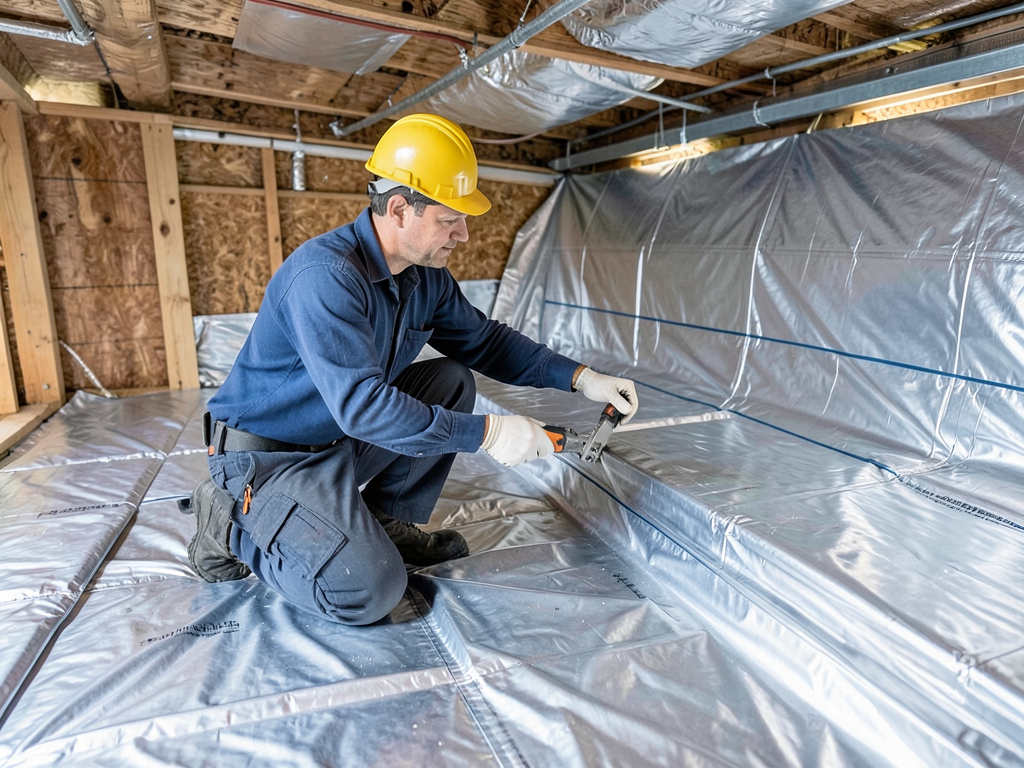
Crawl space encapsulation provides particularly effective protection for Memphis homes. This process seals the crawl space with vapor barriers and maintains controlled humidity levels, preventing moisture from affecting your home’s structure and air quality.
Regular maintenance of your home’s exterior helps prevent moisture intrusion. Clean gutters, proper grading, and sealed foundation cracks reduce the likelihood of water entering your home during Memphis’s frequent rainstorms.
Technician installing vapor barrier in a Memphis crawl space to prevent moisture-related respiratory risks
When to call for professional help
Certain situations require immediate professional intervention to protect respiratory health. Large areas of visible mold, persistent musty odors, or health symptoms that improve when away from home indicate problems beyond DIY solutions.
Call for professional help if you notice:
- Mold covering more than 10 square feet
- Water damage affecting multiple rooms
- Musty odors that persist after cleaning
- Health symptoms in infants or seniors that worsen indoors
- Visible water intrusion during rainstorms
- Condensation problems that cannot be controlled with dehumidifiers
Professional services provide documentation that helps with insurance claims and ensures proper remediation. This documentation becomes particularly important when respiratory health issues require medical attention.
Time matters when addressing moisture problems. The longer moisture remains, the more extensive the damage becomes and the greater the risk to respiratory health. Quick response prevents minor issues from becoming major health hazards.
Creating a safer home environment
Protecting infants and seniors from respiratory risks requires a comprehensive approach that addresses both immediate problems and long-term prevention. Understanding how Memphis’s unique climate affects your home helps you make informed decisions about moisture management.
Professional assessment provides the foundation for effective protection. Moisture testing, air quality analysis, and structural evaluation identify specific vulnerabilities in your home that require attention.
Implementing recommended solutions creates lasting protection against respiratory risks. Whether through professional remediation, preventive maintenance, or system upgrades, each step contributes to a healthier home environment.
Your family’s respiratory health depends on maintaining proper moisture levels in your Memphis home. Taking action now prevents health problems that could affect your most vulnerable family members for years to come.
Frequently Asked Questions
How quickly can mold affect respiratory health in Memphis homes?
Mold can begin affecting respiratory health within 24-48 hours of moisture exposure in Memphis’s warm, humid climate. Infants and seniors may show symptoms like coughing, wheezing, or breathing difficulties within days of exposure to elevated mold spore levels.
What humidity level is safe for homes with infants and seniors?
Indoor humidity levels between 30-50% provide the safest environment for infants and seniors. Levels above 50% promote mold growth and dust mite proliferation, while levels below 30% can cause respiratory irritation from dry air.
Can professional remediation completely eliminate respiratory risks?
Professional remediation can eliminate active mold growth and moisture sources, but ongoing maintenance is necessary to prevent recurrence. Regular monitoring, proper ventilation, and humidity control create lasting protection against respiratory risks.
How much does professional moisture testing cost in Memphis?
Professional moisture testing in Memphis typically costs between $300-$600, depending on home size and the extent of testing required. This investment provides valuable data for protecting respiratory health and preventing costly damage. For more information, visit CDC Indoor Air Quality.
Call (901) 640-3133 today to schedule your inspection. Don’t wait until respiratory symptoms appear. Professional moisture assessment can identify problems before they affect your family’s health. Pick up the phone and call (901) 640-3133 before the next storm hits your Memphis home.
{
“@context”: “https://schema.org”,
“@type”: “BlogPosting”,
“headline”: “Keeping infants and seniors safe from respiratory risks in a damp Memphis home”,
“description”: “Learn how Memphis humidity creates hidden respiratory dangers for infants and seniors. Discover the warning signs, health risks, and professional solutions to protect your family.”,
“wordCount”: 1780,
“datePublished”: “2026-06-02T09:02:00.000Z”,
“dateModified”: “2026-06-02T09:02:00.000Z”,
“inLanguage”: “en-US”,
“mainEntityOfPage”: {
“@type”: “WebPage”,
“@id”: “https://victorywaterdamagerestorationmemphis.com”
},
“publisher”: {
“@type”: “LocalBusiness”,
“name”: “Victory Water Damage Restoration Memphis”,
“url”: “https://victorywaterdamagerestorationmemphis.com”
},
“author”: {
“@type”: “Organization”,
“name”: “Victory Water Damage Restoration Memphis”,
“url”: “https://victorywaterdamagerestorationmemphis.com”
},
“image”: {
“@type”: “ImageObject”,
“url”: “https://victorywaterdamagerestorationmemphis.com/wp-content/uploads/2026/03/keeping-infants-and-seniors-safe-from-respiratory-1.png”
}
}
{
“@context”: “https://schema.org”,
“@type”: “LocalBusiness”,
“name”: “Victory Water Damage Restoration Memphis”,
“url”: “https://victorywaterdamagerestorationmemphis.com”,
“address”: {
“@type”: “PostalAddress”,
“addressLocality”: “Memphis”
},
“areaServed”: {
“@type”: “City”,
“name”: “Memphis”
}
}
{
“@context”: “https://schema.org”,
“@type”: “FAQPage”,
“mainEntity”: [
{
“@type”: “Question”,
“name”: “Identifying the signs: is your house making you sick?”,
“acceptedAnswer”: {
“@type”: “Answer”,
“text”: “Recognizing early warning signs helps you address moisture problems before they affect respiratory health. Physical symptoms often provide the first clue that something is wrong in your home environment.”
}
},
{
“@type”: “Question”,
“name”: “How quickly can mold affect respiratory health in Memphis homes?”,
“acceptedAnswer”: {
“@type”: “Answer”,
“text”: “Mold can begin affecting respiratory health within 24-48 hours of moisture exposure in Memphis’s warm, humid climate. Infants and seniors may show symptoms like coughing, wheezing, or breathing difficulties within days of exposure to elevated mold spore levels.”
}
},
{
“@type”: “Question”,
“name”: “What humidity level is safe for homes with infants and seniors?”,
“acceptedAnswer”: {
“@type”: “Answer”,
“text”: “Indoor humidity levels between 30-50% provide the safest environment for infants and seniors. Levels above 50% promote mold growth and dust mite proliferation, while levels below 30% can cause respiratory irritation from dry air.”
}
},
{
“@type”: “Question”,
“name”: “Can professional remediation completely eliminate respiratory risks?”,
“acceptedAnswer”: {
“@type”: “Answer”,
“text”: “Professional remediation can eliminate active mold growth and moisture sources, but ongoing maintenance is necessary to prevent recurrence. Regular monitoring, proper ventilation, and humidity control create lasting protection against respiratory risks.”
}
},
{
“@type”: “Question”,
“name”: “How much does professional moisture testing cost in Memphis?”,
“acceptedAnswer”: {
“@type”: “Answer”,
“text”: “Professional moisture testing in Memphis typically costs between $300-$600, depending on home size and the extent of testing required. This investment provides valuable data for protecting respiratory health and preventing costly damage. For more information, visit CDC Indoor Air Quality.”
}
}
]
}
{
“@context”: “https://schema.org”,
“@type”: “HowTo”,
“name”: “Professional Moisture Remediation Process”,
“step”: [
{
“@type”: “HowToStep”,
“position”: 1,
“name”: “Moisture Assessment”,
“text”: “Technicians use moisture meters, thermal imaging, and air quality testing to identify all affected areas and moisture sources.”
},
{
“@type”: “HowToStep”,
“position”: 2,
“name”: “Source Elimination”,
“text”: “Fixing leaks, improving drainage, or repairing foundation cracks removes the moisture supply that allows mold growth.”
},
{
“@type”: “HowToStep”,
“position”: 3,
“name”: “Containment Setup”,
“text”: “Physical barriers and negative air pressure prevent mold spores from spreading during removal work.”
},
{
“@type”: “HowToStep”,
“position”: 4,
“name”: “Material Removal”,
“text”: “Damaged materials like drywall, insulation, or carpeting are removed and properly disposed of according to EPA guidelines.”
},
{
“@type”: “HowToStep”,
“position”: 5,
“name”: “Antimicrobial Treatment”,
“text”: “EPA-registered antimicrobials eliminate remaining mold and prevent regrowth on treated surfaces.”
},
{
“@type”: “HowToStep”,
“position”: 6,
“name”: “Drying and Dehumidification”,
“text”: “Industrial-grade equipment removes moisture from building materials and maintains proper humidity levels.”
},
{
“@type”: “HowToStep”,
“position”: 7,
“name”: “Verification Testing”,
“text”: “Post-remediation testing confirms that moisture levels and air quality meet safety standards.”
}
],
“image”: “https://victorywaterdamagerestorationmemphis.com/wp-content/uploads/2026/03/keeping-infants-and-seniors-safe-from-respiratory-1.png”
}
{
“@context”: “https://schema.org”,
“@type”: “BreadcrumbList”,
“itemListElement”: [
{
“@type”: “ListItem”,
“position”: 1,
“name”: “Home”,
“item”: “https://victorywaterdamagerestorationmemphis.com”
},
{
“@type”: “ListItem”,
“position”: 2,
“name”: “Blog”,
“item”: “https://victorywaterdamagerestorationmemphis.com/blog”
},
{
“@type”: “ListItem”,
“position”: 3,
“name”: “Keeping infants and seniors safe from respiratory risks in a damp Memphis home”
}
]
}
{
“@context”: “https://schema.org”,
“@type”: “Service”,
“serviceType”: “Water Damage Restoration”,
“provider”: {
“@type”: “LocalBusiness”,
“name”: “Victory Water Damage Restoration Memphis”,
“url”: “https://victorywaterdamagerestorationmemphis.com”
},
“areaServed”: {
“@type”: “City”,
“name”: “Memphis”
},
“description”: “Learn how Memphis humidity creates hidden respiratory dangers for infants and seniors. Discover the warning signs, health risks, and professional solutions to protect your family.”
}