
How to know if the carpet in your Memphis home is worth saving after a flood
Standing water in your Memphis home creates a race against time. The humid Mid-South climate accelerates mold growth while floodwater introduces contaminants that can permanently destroy carpet fibers. Your carpet’s salvageability depends on water category, exposure time, and the specific materials beneath it. This guide helps Memphis homeowners make the critical decision between restoration and replacement before secondary damage sets in. Rapid water restoration for business owners in Downtown Memphis.
The 24-Hour Rule: Why Time is Critical in Memphis Humidity
Memphis sits in a high-humidity climate zone where dew points often exceed 70°F during summer months. This environmental factor dramatically reduces the window for successful carpet restoration. Clean water from a broken supply line begins fostering microbial growth within 24-48 hours in our climate, compared to 48-72 hours in drier regions. Water Damage Restoration Collierville.
The science behind this urgency involves psychrometrics – the study of air properties and moisture content. Memphis’s average relative humidity hovers around 72%, creating conditions where evaporation slows significantly. A carpet that might dry in 24 hours in Phoenix could take 72+ hours here, giving mold colonies ample time to establish.. Read more about Is renting industrial fans from a Memphis hardware store enough to dry out your subfloor?.
Time becomes your enemy because carpet backing materials begin breaking down chemically when submerged. The latex adhesive that bonds carpet fibers to the backing starts delaminating after 48 hours of saturation. Once this separation occurs, the carpet loses structural integrity and becomes impossible to reinstall properly. EPA Mold Information and Cleanup Guidelines.
Step 1: Assessing the Water Category (Clean, Gray, or Black)
Water contamination level determines whether your carpet can be saved. The IICRC S500 Standard for Professional Water Damage Restoration defines three categories based on contamination source and health risks. IICRC S500 Standard for Professional Water Damage Restoration.
| Water Category | Source Examples | Salvageable? | Memphis-Specific Risks |
|---|---|---|---|
| Category 1 (Clean) | Broken supply line, rainwater, toilet tank | Yes, if addressed within 24-48 hours | May contain Mississippi River sediment during flash floods |
| Category 2 (Gray) | Appliance discharge, shower drain backup | Sometimes, requires antimicrobial treatment | High iron content in Memphis water accelerates staining |
| Category 3 (Black) | Sewer backup, river flooding, standing water | No, requires complete removal | Mississippi River flooding introduces agricultural runoff and pathogens |
Memphis homeowners face unique Category 3 risks due to our proximity to the Mississippi River floodplain. When river levels rise above flood stage, storm drains can back up, introducing contaminated water containing everything from industrial chemicals to agricultural waste. This water carries pathogens like E. coli and Salmonella that penetrate carpet fibers and padding, making complete decontamination impossible.
Even Category 1 water becomes problematic when it mixes with Memphis’s mineral-rich groundwater. Our area’s high iron content causes rust-colored staining that penetrates deep into carpet fibers. These stains become permanent within 24 hours as the iron oxidizes and bonds with the synthetic materials.
DIY Steps for Immediate Mitigation
Before professional help arrives, you can take steps to minimize damage. However, safety comes first – never enter standing water if you cannot verify electrical circuits are off or if the water appears contaminated.
- Stop the Water Source
Locate the main water shutoff valve, typically near the water meter or where the main line enters your home. In Memphis slab homes, this is often in the garage or near the water heater.
- Extract Standing Water
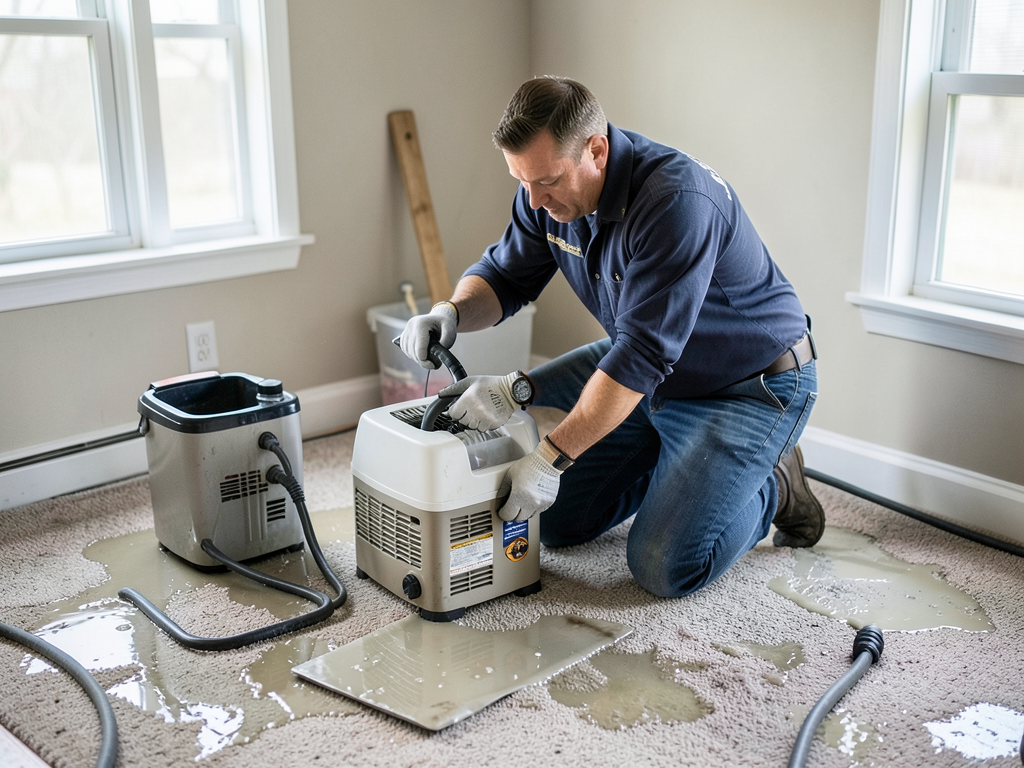
Use a wet vacuum for clean water extraction. For contaminated water, avoid direct contact and wait for professionals with proper PPE. Extract in multiple passes – first remove surface water, then press down to extract from padding.
- Remove Furniture
Elevate furniture on blocks or remove completely. Wood furniture left in contact with wet carpet causes staining that becomes permanent within hours. Metal furniture legs can rust and stain carpet permanently.. Read more about Can your water-damaged furniture be saved after a pipe burst in your South Main loft?.
- Begin Air Circulation
Set up fans at 45-degree angles to carpet surface. Do not aim fans directly downward as this pushes moisture deeper. Open windows only if outdoor humidity is below 50% – rare in Memphis summers.
The padding beneath your carpet requires special attention. Carpet padding acts like a giant sponge, holding several times its weight in water. Even if the carpet surface feels dry, saturated padding continues wicking moisture upward, creating perfect conditions for mold growth within wall cavities and subfloor.
Professional restoration companies use weighted extraction tools that compress the carpet while simultaneously extracting water from both carpet and padding. This process removes approximately 90% of water content, compared to 50-60% with consumer-grade wet vacs.
Professional Restoration Techniques
Professional water damage restoration goes far beyond simple water extraction. The process involves environmental manipulation, chemical treatment, and specialized equipment designed to restore rather than replace materials whenever possible.
Industrial dehumidifiers play a crucial role in Memphis flood restoration. Unlike household dehumidifiers that remove 30-50 pints per day, commercial units extract 150-300 pints daily. These machines create a moisture gradient that pulls water from deep within carpet fibers and padding toward the surface where air movers can evaporate it. Emergency Dehumidifier Rental.
Sub-surface extraction tools reach water trapped beneath carpet backing. These tools use weighted heads that compress carpet while vacuum ports extract moisture from the lowest layers. The process often reveals hidden water pockets that would otherwise support mold colonies for weeks.
Antimicrobial treatments applied after extraction prevent microbial growth during the drying process. These treatments are different from household disinfectants – they contain agents that continue working for weeks after application, providing protection during the critical 72-hour window when mold spores begin colonizing.. Read more about Keeping your pets safe from bacteria and mold after a flood in Overton Park.
When to Call a Memphis Pro
Certain warning signs indicate professional intervention is necessary immediately. Delaying professional help in these situations often results in complete carpet loss and potential structural damage.
Carpet delamination serves as a critical indicator. This occurs when the primary and secondary backings separate due to prolonged water exposure. You can test for delamination by grasping the carpet edge and attempting to peel it back. If the backing separates from the fibers, restoration becomes impossible.
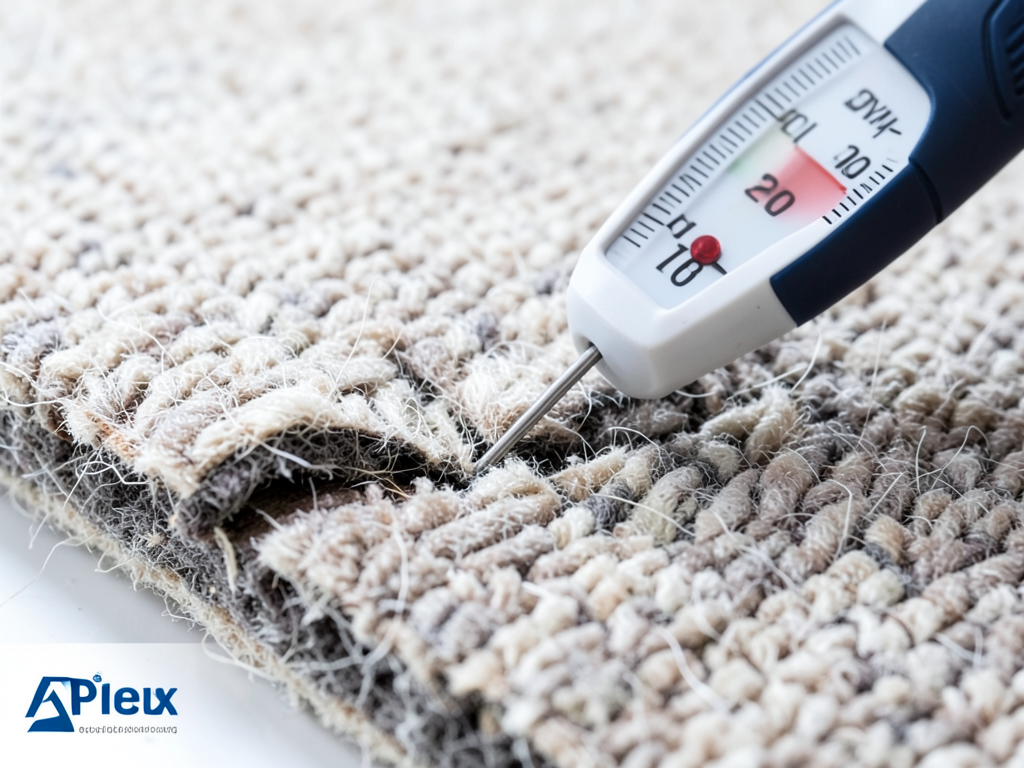
Persistent moisture readings above 17% on a moisture meter indicate water trapped beneath the surface. Professional moisture meters use penetrating probes that measure moisture at different depths. Readings above 17% in subfloor materials suggest water migration into structural components.
Musty odors developing within 48 hours signal active mold colonization. The human nose can detect mold concentrations as low as 10,000 spores per cubic meter. By the time odors become noticeable, mold colonies have already established and begun spreading.
Visible discoloration spreading across carpet surface indicates chemical reactions between water and carpet dyes or backing materials. These stains often result from dissolved compounds in floodwater – iron from pipes, tannins from wood furniture, or dyes from cardboard boxes.
The Cost Factor: Restoration vs. Replacement Economics
Memphis homeowners often face the difficult decision between professional restoration and complete replacement. Understanding the cost factors helps make this decision more objective.
Professional restoration for salvageable carpet typically costs $1.50-$3.00 per square foot, including extraction, antimicrobial treatment, and drying equipment rental. This compares to $3.50-$6.00 per square foot for carpet replacement, plus $1.00-$2.00 per square foot for new padding and installation.
However, restoration becomes economically unfeasible when water exposure exceeds 72 hours or when contamination involves Category 3 water. In these cases, the cost of complete decontamination plus restoration often exceeds replacement costs.
Insurance considerations also factor into this decision. Most Memphis homeowners policies cover sudden water damage but exclude gradual damage or flood damage (which requires separate flood insurance). Professional restoration companies document damage extensively, providing the evidence needed for insurance claims.
Special Considerations for Memphis Home Types
Memphis’s diverse housing stock presents unique challenges for carpet restoration. Understanding your home’s construction type helps predict restoration success.
Historic Midtown bungalows built before 1950 often feature hardwood subfloors beneath carpet. These porous wood surfaces absorb water readily and may warp or cup during drying. Professional drying requires specialized hardwood floor drying mats that apply gentle suction while introducing warm, dry air. Can you save the hardwood floors in your Cooper-Young bungalow after a flood?.
Post-1980s suburban homes typically use particleboard or OSB subfloors. These engineered wood products swell when wet and rarely return to original dimensions. Water trapped in these materials creates perfect conditions for mold growth within wall cavities.
Basement installations in Memphis present the greatest restoration challenges. Our area’s high water table and expansive clay soils create hydrostatic pressure that forces water through foundation walls. Carpets in basements require immediate professional extraction and often need complete replacement due to contamination from groundwater.
Preventing Future Carpet Damage
After experiencing flood damage, Memphis homeowners often seek preventive measures. Several strategies can reduce future carpet damage risk.
Install water sensors near potential leak sources – water heaters, washing machines, and under sinks. Modern sensors connect to smartphone apps and provide immediate alerts when moisture is detected. Early detection often means the difference between a simple cleanup and complete carpet replacement.
Consider upgrading to moisture-resistant carpet padding. These products feature rubberized backing that prevents water from wicking upward from the subfloor. While more expensive initially, they can save thousands in restoration costs if future leaks occur.
Maintain proper grading around your home’s foundation. Memphis’s expansive clay soils cause settling that creates negative drainage toward foundations. Regrading to ensure water flows away from your home prevents basement flooding and crawlspace moisture issues.
Schedule annual plumbing inspections, especially for homes over 20 years old. Memphis’s older neighborhoods feature galvanized steel pipes that corrode from the inside out. These pipes often fail catastrophically without warning, causing extensive water damage.
Frequently Asked Questions
Can I save my carpet if it’s been wet for 48 hours?
It depends on water category and your home’s humidity levels. Clean water exposure under 72 hours with proper professional drying has a good success rate. However, Memphis’s high humidity means drying takes longer, increasing mold risk. Professional assessment is crucial after 24 hours of exposure.
Does homeowners insurance cover carpet water damage?
Most standard policies cover sudden, accidental water damage from plumbing failures or appliance malfunctions. They typically exclude flood damage (requiring separate flood insurance) and gradual damage from poor maintenance. Professional restoration companies document damage thoroughly to support insurance claims.
How can I tell if my carpet padding needs replacement?
Padding almost always needs replacement after flooding. Test by pressing firmly on the carpet – if water pools around your hand, the padding is saturated. Also check for a spongy feel when walking, which indicates delamination has begun. Padding cannot be effectively sanitized after contamination.
Take Action Before Mold Takes Over
Every hour counts when your Memphis carpet faces flood damage. The humid Mid-South climate creates perfect conditions for mold growth while our aging infrastructure increases contamination risks. Professional restoration can often save your carpet if addressed within the critical 24-48 hour window.
Don’t wait until musty odors or visible staining appear – by then, the damage is often irreversible. Professional water damage restoration companies use industrial equipment and IICRC-certified techniques that achieve results impossible with consumer-grade tools.
Call (901) 640-3133 today to schedule your inspection. Our team provides 24/7 emergency response throughout Memphis, Collierville, Germantown, and surrounding areas. We’ll assess your specific situation, explain your options clearly, and help you make the best decision for your home and budget. What to do right now if your Germantown home is flooding.
Time is your enemy in carpet flood situations. Pick up the phone and call (901) 640-3133 before the next storm hits. Your carpet’s salvageability window closes quickly in Memphis humidity.
Don’t let flood damage destroy your home’s value. Call (901) 640-3133 now for immediate professional assessment.
You may also find this helpful. Dealing with a toilet overflow in your Nutbush home without making it worse.
{
“@context”: “https://schema.org”,
“@type”: “BlogPosting”,
“headline”: “How to know if the carpet in your Memphis home is worth saving after a flood”,
“description”: “Memphis homeowners need to act fast after carpet flooding. Learn the 24-hour rule, water categories, and when to call (901) 640-3133 for professional restoration.”,
“wordCount”: 1927,
“datePublished”: “2026-03-22T10:59:00.000Z”,
“dateModified”: “2026-03-22T10:59:00.000Z”,
“inLanguage”: “en-US”,
“mainEntityOfPage”: {
“@type”: “WebPage”,
“@id”: “https://victorywaterdamagerestorationmemphis.com”
},
“publisher”: {
“@type”: “LocalBusiness”,
“name”: “Victory Water Damage Restoration Memphis”,
“url”: “https://victorywaterdamagerestorationmemphis.com”
},
“author”: {
“@type”: “Organization”,
“name”: “Victory Water Damage Restoration Memphis”,
“url”: “https://victorywaterdamagerestorationmemphis.com”
},
“image”: {
“@type”: “ImageObject”,
“url”: “https://victorywaterdamagerestorationmemphis.com/wp-content/uploads/2026/03/how-to-know-if-the-carpet-in-your-memphis-home-is-1.png”
}
}
{
“@context”: “https://schema.org”,
“@type”: “LocalBusiness”,
“name”: “Victory Water Damage Restoration Memphis”,
“url”: “https://victorywaterdamagerestorationmemphis.com”,
“address”: {
“@type”: “PostalAddress”,
“addressLocality”: “Memphis”
},
“areaServed”: {
“@type”: “City”,
“name”: “Memphis”
}
}
{
“@context”: “https://schema.org”,
“@type”: “FAQPage”,
“mainEntity”: [
{
“@type”: “Question”,
“name”: “Can I save my carpet if it’s been wet for 48 hours?”,
“acceptedAnswer”: {
“@type”: “Answer”,
“text”: “It depends on water category and your home’s humidity levels. Clean water exposure under 72 hours with proper professional drying has a good success rate. However, Memphis’s high humidity means drying takes longer, increasing mold risk. Professional assessment is crucial after 24 hours of exposure.”
}
},
{
“@type”: “Question”,
“name”: “Does homeowners insurance cover carpet water damage?”,
“acceptedAnswer”: {
“@type”: “Answer”,
“text”: “Most standard policies cover sudden, accidental water damage from plumbing failures or appliance malfunctions. They typically exclude flood damage (requiring separate flood insurance) and gradual damage from poor maintenance. Professional restoration companies document damage thoroughly to support insurance claims.”
}
},
{
“@type”: “Question”,
“name”: “How can I tell if my carpet padding needs replacement?”,
“acceptedAnswer”: {
“@type”: “Answer”,
“text”: “Padding almost always needs replacement after flooding. Test by pressing firmly on the carpet – if water pools around your hand, the padding is saturated. Also check for a spongy feel when walking, which indicates delamination has begun. Padding cannot be effectively sanitized after contamination.”
}
}
]
}
{
“@context”: “https://schema.org”,
“@type”: “HowTo”,
“name”: “Immediate Carpet Flood Response”,
“step”: [
{
“@type”: “HowToStep”,
“position”: 1,
“name”: “Stop the Water Source”,
“text”: “Locate the main water shutoff valve, typically near the water meter or where the main line enters your home. In Memphis slab homes, this is often in the garage or near the water heater.”
},
{
“@type”: “HowToStep”,
“position”: 2,
“name”: “Extract Standing Water”,
“text”: “Use a wet vacuum for clean water extraction. For contaminated water, avoid direct contact and wait for professionals with proper PPE. Extract in multiple passes – first remove surface water, then press down to extract from padding.”
},
{
“@type”: “HowToStep”,
“position”: 3,
“name”: “Remove Furniture”,
“text”: “Elevate furniture on blocks or remove completely. Wood furniture left in contact with wet carpet causes staining that becomes permanent within hours. Metal furniture legs can rust and stain carpet permanently.”
},
{
“@type”: “HowToStep”,
“position”: 4,
“name”: “Begin Air Circulation”,
“text”: “Set up fans at 45-degree angles to carpet surface. Do not aim fans directly downward as this pushes moisture deeper. Open windows only if outdoor humidity is below 50% – rare in Memphis summers.”
}
],
“image”: “https://victorywaterdamagerestorationmemphis.com/wp-content/uploads/2026/03/how-to-know-if-the-carpet-in-your-memphis-home-is-1.png”
}
{
“@context”: “https://schema.org”,
“@type”: “BreadcrumbList”,
“itemListElement”: [
{
“@type”: “ListItem”,
“position”: 1,
“name”: “Home”,
“item”: “https://victorywaterdamagerestorationmemphis.com”
},
{
“@type”: “ListItem”,
“position”: 2,
“name”: “Blog”,
“item”: “https://victorywaterdamagerestorationmemphis.com/blog”
},
{
“@type”: “ListItem”,
“position”: 3,
“name”: “How to know if the carpet in your Memphis home is worth saving after a flood”
}
]
}
{
“@context”: “https://schema.org”,
“@type”: “Service”,
“serviceType”: “Water Damage Restoration”,
“provider”: {
“@type”: “LocalBusiness”,
“name”: “Victory Water Damage Restoration Memphis”,
“url”: “https://victorywaterdamagerestorationmemphis.com”
},
“areaServed”: {
“@type”: “City”,
“name”: “Memphis”
},
“description”: “Memphis homeowners need to act fast after carpet flooding. Learn the 24-hour rule, water categories, and when to call (901) 640-3133 for professional restoration.”
}