
How to tell the difference between mold and mildew in your Cherokee basement
Finding dark spots in your Cherokee basement can be alarming. You might be staring at either mold or mildew, and knowing the difference matters for your health and your home’s structure. Mold typically appears fuzzy or slimy with colors ranging from black to green or red, while mildew shows as powdery white or gray growth on surfaces. This guide will help you identify what you’re dealing with and understand why Memphis’s high humidity makes accurate identification critical for Cherokee homeowners.
Quick Identification Guide: Mold vs Mildew
Before we dive deeper, here’s what you need to know right now. Mold grows in patches that penetrate surfaces and can cause structural damage. Mildew stays on the surface and looks like a powdery dusting. If you’re unsure, call (901) 640-3133 for a professional inspection before the problem spreads. What to do right now if your Germantown home is flooding.
Visual Comparison Table
| Characteristic | Mold | Mildew |
|---|---|---|
| Color | Black, green, red, blue | White, gray, yellow |
| Texture | Fuzzy, slimy, or velvety | Powdery or fluffy |
| Growth Pattern | Irregular patches that spread | Flat, even coating |
| Surface Penetration | Digs into materials | Surface-level only |
| Health Risk | High (respiratory issues) | Low to moderate |
What Mildew Looks Like in Your Basement
Mildew typically appears as a powdery white or gray coating on surfaces that stay damp. In Cherokee basements, you’ll often find it on concrete walls, tile floors, or stored cardboard boxes. It grows in flat patterns and wipes off easily with a cloth. The growth stays on the surface and doesn’t damage the underlying material. Can you save the hardwood floors in your Cooper-Young bungalow after a flood?.
Common spots for mildew in Cherokee basements include areas near windows where condensation forms, along baseboards where moisture collects, and on items stored directly on concrete floors. The growth pattern is usually uniform and doesn’t spread rapidly beyond the damp area. Rapid water restoration for business owners in Downtown Memphis.
What Mold Looks Like in Your Basement
Mold appears as fuzzy, slimy, or velvety patches that come in various colors. Black mold (Stachybotrys chartarum) is particularly concerning and often appears in basements with water damage. Mold grows in irregular patterns and penetrates porous materials like drywall, wood, and insulation.
In Cherokee basements, mold commonly grows behind walls where leaks occur, under flooring where moisture gets trapped, and in corners where air circulation is poor. The growth pattern is uneven and spreads outward from the moisture source. Mold often produces a musty odor that mildew typically doesn’t have.

Image description: Side-by-side comparison showing mold’s fuzzy black growth pattern versus mildew’s flat white powdery appearance on basement walls.
The Smell Test: How to Tell by Odor
Your nose can help identify what you’re dealing with. Mildew produces a light, musty smell that’s noticeable but not overwhelming. Mold creates a stronger, earthier odor that many describe as damp and heavy. The smell from mold often indicates deeper growth behind walls or under flooring.
In Cherokee basements, the smell can be more pronounced due to our humid climate. If you notice a persistent musty odor that doesn’t go away with ventilation, you likely have mold growing somewhere hidden. The stronger and more unpleasant the smell, the more likely you’re dealing with mold rather than mildew.
Health Risks: Why Identification Matters
Mildew can trigger mild allergic reactions like sneezing or skin irritation, but it’s generally not dangerous to healthy people. Mold, especially black mold, can cause serious respiratory problems, headaches, and fatigue. People with asthma, allergies, or compromised immune systems face greater risks from mold exposure.
In Memphis’s humid climate, mold can produce mycotoxins that become airborne and spread throughout your home. These toxins can cause symptoms ranging from coughing and wheezing to more severe reactions in sensitive individuals. If anyone in your household experiences unexplained respiratory issues, have your basement inspected immediately.
Memphis Climate Impact on Basement Growth
Memphis’s high humidity levels, averaging 70-80% in summer, create perfect conditions for both mold and mildew growth. The Mississippi River’s proximity and our clay soil contribute to moisture problems in Cherokee basements. When warm, humid air meets cool basement walls, condensation forms and creates the damp environment these fungi need.
Local building codes in Shelby County require proper drainage systems, but many older Cherokee homes were built before these standards existed. Our hot, humid summers mean natural drying is nearly impossible without mechanical dehumidification, allowing moisture problems to persist and worsen over time.. Read more about The unique challenges of drying out a finished basement in an Eads estate.
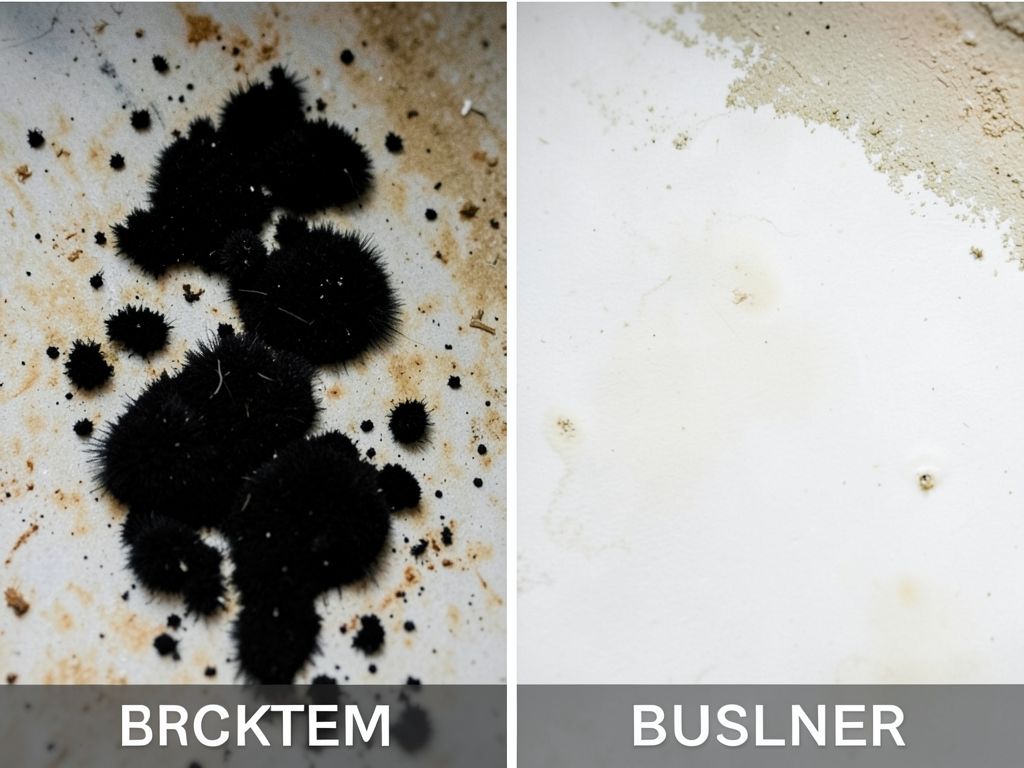
Image description: Technician using moisture meter on basement wall to detect hidden moisture that could lead to mold growth in Cherokee homes.
Common Basement Locations in Cherokee Homes
In Cherokee neighborhood homes, you’ll find mold and mildew in specific locations based on our local architecture. Many homes have poured concrete foundations that can develop hairline cracks over time. These cracks allow moisture to seep in, especially during our heavy spring rains.
Look behind water heaters, around HVAC units, and near sump pumps where condensation is common. Crawl spaces under Cherokee homes often have poor ventilation, creating ideal conditions for fungal growth. The area where the basement wall meets the floor is particularly vulnerable to moisture intrusion.
DIY Testing vs Professional Inspection
DIY mold test kits are available but often give false positives or negatives. These kits can’t tell you the extent of the problem or identify hidden growth behind walls. Professional inspectors use moisture meters, thermal imaging cameras, and air quality testing to get accurate results.
According to IICRC S520 standards for mold remediation, proper assessment requires specialized equipment and training. A professional can identify the moisture source, determine the type of growth, and recommend appropriate remediation steps. For Cherokee homeowners, this expertise is crucial given our unique climate challenges. IICRC S520 Mold Standards.
What to Do Next: Your Action Plan
If you’ve identified mildew, you can often clean it yourself with proper safety gear and cleaning solutions. However, if you suspect mold, especially black mold, call a professional immediately. Disturbing mold growth can release spores throughout your home. Cleaning up a flooded basement in Bartlett before the damage gets worse.
For Cherokee residents, the first step is controlling moisture. Use dehumidifiers to maintain relative humidity below 60%. Fix any leaks promptly, improve ventilation, and consider waterproofing solutions for persistent moisture problems. Don’t wait to address the issue – mold can spread rapidly in our humid climate. Emergency Dehumidifier Rental.
Professional Remediation Process
Professional mold remediation follows specific protocols. Technicians isolate the affected area using containment barriers, use HEPA filtration to capture airborne spores, and remove contaminated materials following EPA guidelines. The process includes moisture source elimination and prevention strategies to stop recurrence. EPA Mold Resources.
In Cherokee basements, remediation might involve removing sections of drywall, treating wooden structures, or installing vapor barriers. The goal is not just removing visible growth but addressing the underlying moisture problem that allowed it to develop in the first place.
Image description: Before and after comparison of basement mold remediation showing containment barriers and cleaned surfaces in a Memphis home.
Prevention Strategies for Cherokee Basements
Preventing mold and mildew starts with moisture control. Install a quality dehumidifier sized for your basement square footage. Ensure your gutters and downspouts direct water away from your foundation. Grade soil around your home to slope away from the foundation.
Regular maintenance is key in our climate. Check your basement monthly for signs of moisture, especially after heavy rains. Clean and inspect your HVAC system annually, as dirty ducts can harbor mold spores. Consider professional waterproofing if you experience recurring moisture problems.
When to Call a Professional
Call (901) 640-3133 if you notice extensive growth covering more than 10 square feet, if you smell mold but can’t find the source, or if anyone in your household experiences unexplained health symptoms. Professional help is also needed if you discover mold near your HVAC system or if water damage is present.
Don’t risk your health or your home’s structure by attempting to handle extensive mold problems yourself. Professional remediation ensures the job is done safely and thoroughly, with proper documentation for insurance purposes if needed.
Frequently Asked Questions
Can I paint over mold or mildew to hide it?
No, painting over mold or mildew only hides the problem temporarily. The growth will continue underneath and may eventually show through the paint. You must address the moisture source and remove the growth before painting.
How long does professional mold remediation take?
Most residential projects take 2-5 days depending on the extent of the growth and the size of the affected area. Severe cases may take longer, especially if structural repairs are needed.
Will my insurance cover mold remediation?
Coverage depends on your policy and the cause of the moisture problem. Sudden water damage from burst pipes is often covered, while gradual moisture issues may not be. Check with your insurance provider or call us for assistance with claims.
How can I prevent mold growth in my basement?
Control moisture by maintaining humidity below 60%, fix leaks promptly, improve ventilation, and use a dehumidifier. Regular inspections and prompt attention to any moisture issues are key to prevention.
Is all black mold toxic?
Not all black-colored mold is Stachybotrys chartarum (toxic black mold). However, any extensive mold growth should be treated as a potential health hazard and handled by professionals.
Take Action Today
Don’t let mold or mildew compromise your family’s health or your home’s value. If you’re seeing suspicious growth in your Cherokee basement, call (901) 640-3133 now for a professional inspection. Our certified technicians understand Memphis’s unique climate challenges and can provide effective solutions tailored to your situation.
Pick up the phone and call (901) 640-3133 before the next storm hits. Early intervention can save you thousands in repair costs and protect your family from potential health risks. We’re available 24/7 for emergency inspections and can often provide same-day service for urgent situations.
Remember, what starts as a small mildew problem can quickly become a major mold infestation in Memphis’s humid climate. Don’t wait until it’s too late – call (901) 640-3133 today and take the first step toward a healthier, safer home.
{
“@context”: “https://schema.org”,
“@type”: “BlogPosting”,
“headline”: “How to tell the difference between mold and mildew in your Cherokee basement”,
“description”: “Learn to identify mold vs mildew in your Cherokee basement with our expert guide. Understand the health risks and when to call (901) 640-3133 for professional inspection.”,
“wordCount”: 1695,
“datePublished”: “2026-04-02T13:56:00.000Z”,
“dateModified”: “2026-04-02T13:56:00.000Z”,
“inLanguage”: “en-US”,
“mainEntityOfPage”: {
“@type”: “WebPage”,
“@id”: “https://victorywaterdamagerestorationmemphis.com”
},
“publisher”: {
“@type”: “LocalBusiness”,
“name”: “Victory Water Damage Restoration Memphis”,
“url”: “https://victorywaterdamagerestorationmemphis.com”
},
“author”: {
“@type”: “Organization”,
“name”: “Victory Water Damage Restoration Memphis”,
“url”: “https://victorywaterdamagerestorationmemphis.com”
},
“image”: {
“@type”: “ImageObject”,
“url”: “https://victorywaterdamagerestorationmemphis.com/wp-content/uploads/2026/03/how-to-tell-the-difference-between-mold-and-mildew-1.png”
}
}
{
“@context”: “https://schema.org”,
“@type”: “LocalBusiness”,
“name”: “Victory Water Damage Restoration Memphis”,
“url”: “https://victorywaterdamagerestorationmemphis.com”,
“address”: {
“@type”: “PostalAddress”,
“addressLocality”: “Memphis”
},
“areaServed”: {
“@type”: “City”,
“name”: “Memphis”
}
}
{
“@context”: “https://schema.org”,
“@type”: “FAQPage”,
“mainEntity”: [
{
“@type”: “Question”,
“name”: “Can I paint over mold or mildew to hide it?”,
“acceptedAnswer”: {
“@type”: “Answer”,
“text”: “No, painting over mold or mildew only hides the problem temporarily. The growth will continue underneath and may eventually show through the paint. You must address the moisture source and remove the growth before painting.”
}
},
{
“@type”: “Question”,
“name”: “How long does professional mold remediation take?”,
“acceptedAnswer”: {
“@type”: “Answer”,
“text”: “Most residential projects take 2-5 days depending on the extent of the growth and the size of the affected area. Severe cases may take longer, especially if structural repairs are needed.”
}
},
{
“@type”: “Question”,
“name”: “Will my insurance cover mold remediation?”,
“acceptedAnswer”: {
“@type”: “Answer”,
“text”: “Coverage depends on your policy and the cause of the moisture problem. Sudden water damage from burst pipes is often covered, while gradual moisture issues may not be. Check with your insurance provider or call us for assistance with claims.”
}
},
{
“@type”: “Question”,
“name”: “How can I prevent mold growth in my basement?”,
“acceptedAnswer”: {
“@type”: “Answer”,
“text”: “Control moisture by maintaining humidity below 60%, fix leaks promptly, improve ventilation, and use a dehumidifier. Regular inspections and prompt attention to any moisture issues are key to prevention.”
}
},
{
“@type”: “Question”,
“name”: “Is all black mold toxic?”,
“acceptedAnswer”: {
“@type”: “Answer”,
“text”: “Not all black-colored mold is Stachybotrys chartarum (toxic black mold). However, any extensive mold growth should be treated as a potential health hazard and handled by professionals.”
}
}
]
}
{
“@context”: “https://schema.org”,
“@type”: “BreadcrumbList”,
“itemListElement”: [
{
“@type”: “ListItem”,
“position”: 1,
“name”: “Home”,
“item”: “https://victorywaterdamagerestorationmemphis.com”
},
{
“@type”: “ListItem”,
“position”: 2,
“name”: “Blog”,
“item”: “https://victorywaterdamagerestorationmemphis.com/blog”
},
{
“@type”: “ListItem”,
“position”: 3,
“name”: “How to tell the difference between mold and mildew in your Cherokee basement”
}
]
}
{
“@context”: “https://schema.org”,
“@type”: “Service”,
“serviceType”: “Water Damage Restoration”,
“provider”: {
“@type”: “LocalBusiness”,
“name”: “Victory Water Damage Restoration Memphis”,
“url”: “https://victorywaterdamagerestorationmemphis.com”
},
“areaServed”: {
“@type”: “City”,
“name”: “Memphis”
},
“description”: “Learn to identify mold vs mildew in your Cherokee basement with our expert guide. Understand the health risks and when to call (901) 640-3133 for professional inspection.”
}