
Can your water-damaged furniture be saved after a pipe burst in your South Main loft?
Water damage in South Main lofts often strikes fast. A burst pipe can soak your favorite leather sofa, warp your hardwood coffee table, and leave your vintage armchair soaked in minutes. The humid Memphis climate makes drying even harder and mold can start growing within 24-48 hours. Quick action matters. Whether your furniture can be saved depends on the water type, how long it sat, and the materials involved. Rapid water restoration for business owners in Downtown Memphis.
Clean water from a fresh pipe break has the best chance for recovery. Gray water from washing machines or dishwashers needs careful cleaning. Black water from sewage or floodwater usually means the furniture must be discarded for health reasons. The good news: many pieces can be restored with the right drying methods and professional cleaning. The bad news: waiting too long or using the wrong techniques can ruin even solid wood. What to do right now if your Germantown home is flooding.
Before you touch anything, document the damage for your insurance claim. Take clear photos of each piece from multiple angles. Note the brand, age, and original cost if you have it. This helps when filing with your homeowners insurance. Then decide: is this something you can handle yourself, or do you need a Memphis restoration expert? The answer depends on the water category, the furniture value, and your comfort with mold risks.. Read more about Who pays for water damage restoration in a Memphis rental property?.
Understanding water categories and their impact on furniture
Water from a burst pipe falls into three categories. Category 1 is clean water from a broken supply line. This poses the least risk to your furniture and has the highest salvage rate. Category 2 is gray water from appliances or roof leaks. It contains some contaminants and requires disinfection before restoration. Category 3 is black water from sewage backups or river flooding. This water carries harmful bacteria and usually destroys porous materials like upholstered furniture.. Read more about The hidden path water takes when your bathroom sink overflows in a Pinch District loft.
The South Main area sits near the Mississippi River floodplain. That means some properties face higher risks of black water exposure during heavy rains. The local soil, a mix of loess-derived silty clays, can hold moisture against foundations and increase basement flooding chances. When black water hits your furniture, the cellulose in wood and fabric becomes a breeding ground for mold and bacteria. Even if the piece looks okay after drying, hidden contamination can cause health problems later.
Time also matters. Clean water left sitting for more than 48 hours can grow bacteria and turn into gray water. That clock starts ticking the moment water touches your furniture. The humid Memphis air slows natural evaporation, making professional drying equipment almost essential for anything more than minor spills. Without proper dehumidification, moisture stays trapped in wood joints and upholstery foam, leading to warping, delamination, and mold growth.
Step-by-step furniture restoration process
The first 24 hours determine success or failure. Start by stopping the water source if you can do so safely. Turn off the main water valve to prevent more flooding. Remove standing water with mops, towels, or a wet vacuum. Do not use a regular household vacuum it can cause electric shock and damage the machine.
Next, separate wet items from dry ones. Move salvageable furniture to a dry area with good airflow. Prop up cushions and remove drawers from wooden pieces. This prevents color bleeding and allows air to circulate. For upholstered furniture, lift the piece off the floor using blocks or aluminum foil under legs to prevent carpet staining and further water absorption. EPA Mold Resources.
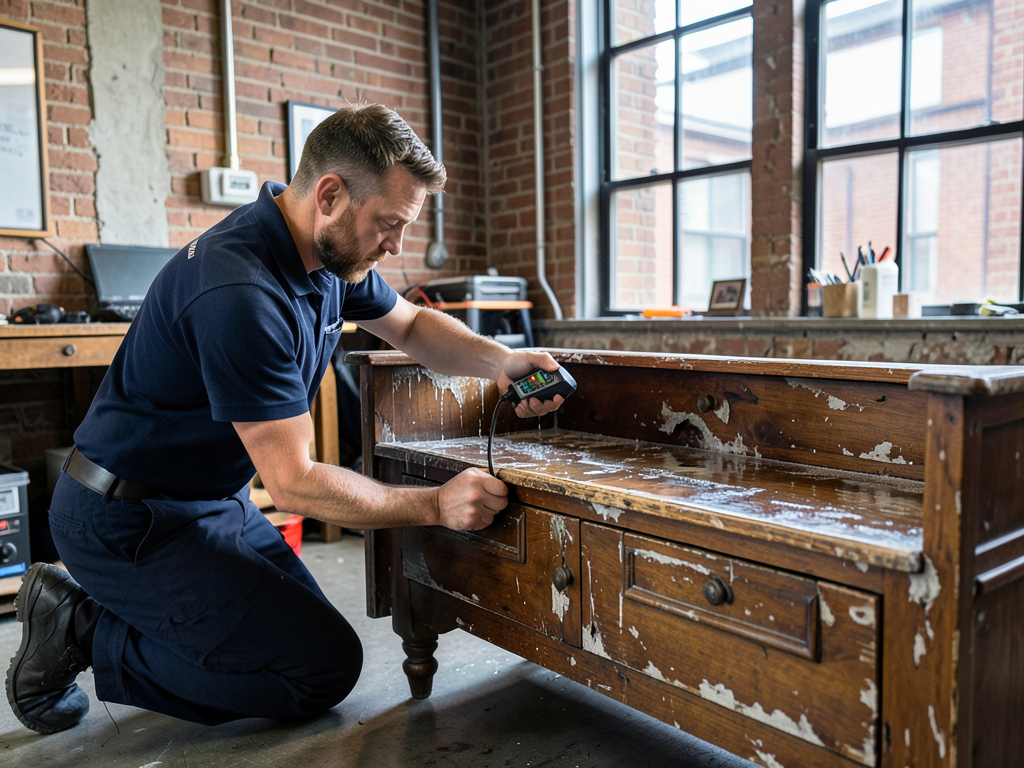
Now comes the critical drying phase. Fans alone rarely work in Memphis humidity. You need to reduce the relative humidity below 40 percent to stop mold growth. Industrial dehumidifiers pull moisture from the air and materials. Place them in the affected room and close windows and doors. A moisture meter helps track progress; wood should read below 15 percent moisture content before you consider it dry.
Cleaning and disinfection follow drying. For hard surfaces, use a mild detergent and water solution, then apply a disinfectant approved for the material. Upholstered pieces may need steam cleaning or hot water extraction. Some fabrics require professional cleaning to avoid shrinkage or color loss. Leather needs specialized cleaners and conditioners to prevent cracking after water exposure. Cleaning up a flooded basement in Bartlett before the damage gets worse.
Finally, inspect for hidden damage. Warped wood may need sanding and refinishing. Veneer that has bubbled or separated often requires re-gluing by a skilled restorer. Upholstery with water stains might need complete reupholstering. If you notice a musty smell after drying, that signals mold growth requiring professional remediation.
Material-specific care for different furniture types
Solid wood furniture has the best recovery odds. Hardwoods like oak, maple, and walnut resist warping better than softwoods. The key is slow, even drying. Rapid drying causes cracking and joint separation. Remove drawers and doors to prevent them from sticking as the wood shrinks. Once dry, sand lightly and apply matching stain and finish. Can you save the hardwood floors in your Cooper-Young bungalow after a flood?.
Veneer furniture needs gentler handling. The thin wood layer can delaminate when wet. If the veneer is lifting but not cracked, a restorer can re-glue it using clamps and specialized adhesives. Once delaminated or cracked, replacement often costs less than repair. Check the substrate too; particleboard under veneer turns to mush when wet and cannot be saved.
Upholstered furniture presents the biggest challenge. Fabric absorbs water quickly and holds it against the foam and frame. Even with cleaning, contaminants can remain in the padding. Light-colored fabrics may show water stains that resist removal. Leather upholstery fares better if dried quickly, but it needs conditioning to prevent stiffness and cracking.
Antique furniture requires special consideration. Older pieces often use hide glue that dissolves in water, causing joints to fail. The wood may have existing cracks that worsen with moisture. Some antiques have finishes that water-spot badly. Before attempting DIY restoration, consult a professional familiar with period construction methods. The value of a true antique often justifies professional restoration costs.
The dangers of DIY restoration
Many homeowners damage their furniture trying to save money. Common mistakes include using heat guns or hair dryers, which create uneven drying and cause cracking. Placing wet furniture in direct sunlight leads to warping and finish damage. Skipping the disinfection step leaves bacteria and mold spores alive inside the piece.
Another risk is incomplete drying. Wood can feel dry on the surface while remaining wet inside. A moisture meter reading of 15 percent or less indicates true dryness. Without this tool, you might reassemble furniture too soon, trapping moisture that causes future problems. Mold can grow inside closed drawers or under upholstery long after the visible surfaces feel dry.
Health risks also exist. Category 2 and 3 water contain pathogens that can cause illness through skin contact or inhalation. Wearing gloves and masks helps, but some contamination requires professional-grade disinfectants and containment procedures. If you have respiratory issues, asthma, or a weakened immune system, DIY restoration poses extra dangers.
Insurance complications can arise from DIY attempts. If you damage the furniture further while trying to save it, your insurance company might deny the claim or reduce the payout. Professional restorers document the damage and restoration process, providing the evidence your adjuster needs. They also understand local building codes, like Shelby County requirements for moisture documentation in structural drying.
Documenting damage for insurance claims
Insurance companies need proof of damage and value. Start with photos before you move anything. Capture wide shots of the room, then close-ups of individual pieces showing water lines, warping, or staining. Include any identifying marks, tags, or labels. If you have receipts or appraisals, gather those too.. Read more about Saving your family photos and important documents from water damage in the University District.
Create an inventory list. For each item, note the description, approximate age, original cost, and current condition. Mention any sentimental value for irreplaceable pieces. Some policies cover replacement cost rather than actual cash value, which makes a difference in your payout. Your restoration company can provide detailed estimates that satisfy insurance requirements.
Keep all receipts related to the damage. This includes emergency services, drying equipment rentals, cleaning supplies, and professional restoration work. These costs add up and may be reimbursable under your policy. Also document any temporary storage fees if you move furniture off-site during restoration.
Know your policy limits. Some homeowners policies exclude certain types of water damage or have sub-limits for personal property. Flood damage from rising water requires separate flood insurance in Memphis. If you discover damage after the policy period ends, you might face coverage denials. Acting quickly and documenting everything strengthens your claim position.
When to call a Memphis restoration professional
Call for help if you face any of these situations: black water exposure, valuable antiques, extensive damage affecting multiple rooms, or health concerns about contamination. Also consider professional help if you lack proper drying equipment or if 48 hours have passed since the water exposure.
Professional restorers bring industrial-grade equipment that homeowners cannot rent easily. Truck-mounted water extractors remove water faster than shop vacuums. Commercial dehumidifiers and air movers create the conditions needed for rapid drying in Memphis humidity. They also use moisture meters and thermal imaging cameras to find hidden water pockets inside walls or under floors.
Experience matters in restoration. A skilled technician knows how different materials react to water and which cleaning methods work best for each. They understand the science of psychrometrics the relationship between temperature, humidity, and moisture content. This knowledge prevents the mistakes that turn recoverable furniture into total losses.
Time is critical. Most restoration companies offer 24/7 emergency service because the first 24-48 hours determine what can be saved. Waiting until Monday to call about a Saturday flood often means losing furniture that could have been restored. Quick response also limits mold growth, which can start within 24 hours in Memphis conditions.
Preventing future water damage in your South Main loft
Prevention starts with knowing your building’s plumbing. South Main lofts often occupy converted warehouses with aging pipes. Look for signs of corrosion, rust stains, or water spots on ceilings below bathrooms. Consider having a plumber inspect supply lines annually, especially in units with higher water pressure.
Install water alarms near appliances and under sinks. These inexpensive devices sound when they detect moisture, giving you early warning before major damage occurs. Some smart home systems can send alerts to your phone, allowing you to respond even when away from home.
Know the location of your main water shut-off valve. In many South Main buildings, this might be in a common area rather than your unit. Make sure everyone in your household knows how to turn it off. Keep a wrench nearby for quick access during emergencies.
Consider upgrading supply lines to braided stainless steel. These resist bursting better than old copper or PVC lines. For appliances like washing machines, replace hoses every five years as a precaution. The cost of prevention is far less than the cost of water damage restoration.
Maintain your HVAC system. Memphis summers put heavy loads on air conditioners, and condensate drain lines can clog, causing water to back up into your unit. Annual maintenance includes checking these drains and ensuring proper drainage away from your foundation.
Local resources for furniture restoration
Memphis has several specialty restoration shops familiar with the local climate challenges. For antique furniture, shops like Southern Restoration in Midtown understand how humidity affects period pieces. They can match stains and finishes to maintain historical accuracy. For modern upholstery, local cleaners often offer pickup and delivery services throughout Shelby County.
Some restoration companies partner with insurance adjusters to streamline the claims process. They provide detailed documentation, including moisture readings, photos, and repair estimates that meet insurance standards. This partnership can speed up claim approval and get you back to normal faster.
If you need temporary storage during restoration, several Memphis facilities offer climate-controlled units. These prevent further damage from humidity while your furniture undergoes cleaning and drying. Ask your restoration company for recommendations they often have relationships with reliable storage providers. How to choose a reliable water damage restoration company in Memphis.
For DIY enthusiasts, local hardware stores like Home Depot or Lowe’s stock moisture meters, dehumidifiers, and cleaning supplies. Staff can advise on the right products for your specific situation. Some stores even rent commercial-grade equipment if you decide to tackle the restoration yourself.
Understanding the science of drying
Successful restoration relies on controlling the drying environment. This involves four factors: temperature, humidity, airflow, and time. Warmer temperatures speed evaporation but can also promote mold growth if humidity stays high. The goal is creating conditions where water moves from the wet material into the air faster than it can cause damage.
Psychrometrics, the study of moist air properties, guides this process. Restoration professionals use psychrometric charts to determine the right combination of temperature and humidity for optimal drying. For example, at 70 degrees Fahrenheit and 50 percent relative humidity, wood dries at a certain rate. Change either factor, and the drying time changes.
Airflow breaks the boundary layer of moist air that forms around wet surfaces. Fans directed at furniture increase evaporation rates. However, in Memphis humidity, airflow alone often cannot achieve the low humidity levels needed to prevent mold. This is why dehumidification is essential it removes the moisture from the air so more can evaporate from the furniture.
Monitoring progress prevents over-drying or under-drying. Moisture meters measure the electrical resistance in materials, which changes with water content. Different materials require different target moisture levels. Wood flooring should read below 12 percent, while hardwood furniture can tolerate slightly higher levels. Professional restorers track these readings daily to ensure complete drying.
Health and safety considerations
Water damage creates several health hazards beyond mold. Category 2 and 3 water can contain bacteria, viruses, and parasites. Even clean water can grow harmful microorganisms if left standing. Always wear protective gear including gloves, boots, and eye protection when handling wet materials.
Mold exposure causes respiratory problems, especially in children, elderly people, and those with asthma or allergies. Symptoms include coughing, wheezing, throat irritation, and skin rashes. Some molds produce mycotoxins that can cause more serious health effects. If you notice a musty smell or see visible mold, stop DIY efforts and call a professional.
Electrical hazards exist when water contacts outlets, appliances, or wiring. Never enter a flooded room if water covers electrical outlets or if you smell burning. Turn off power at the breaker box if safe to do so. Water and electricity create deadly combinations that cause shocks and fires.
Chemical hazards can arise from mixing cleaning products. Bleach and ammonia create toxic gases. Always read product labels and never combine different cleaners. Use proper ventilation when applying disinfectants or solvents. Some restoration chemicals require respiratory protection beyond simple dust masks.
Structural hazards may develop if water weakens floors, ceilings, or walls. Wet drywall can collapse. Water-soaked wood floors can buckle or break. If you notice sagging ceilings, bulging walls, or soft spots in floors, evacuate the area and call professionals. These conditions indicate serious structural compromise.
Cost factors in furniture restoration
Restoration costs vary widely based on damage extent, furniture type, and required services. Simple cleaning and drying for a small water spill might cost $100-$300. Extensive restoration of valuable antiques can exceed $2,000. Most homeowners fall somewhere in between, with typical restoration jobs ranging from $500-$1,500.
Factors affecting cost include the number of pieces, the severity of damage, and whether specialized cleaning is needed. Upholstered furniture often costs more to restore than wood because it requires more labor and specialized equipment. Antique restoration adds costs for matching finishes and using period-appropriate materials.
Insurance coverage significantly impacts your out-of-pocket costs. Some policies cover water damage restoration with no deductible. Others require you to pay a percentage of the claim amount. Review your policy or contact your agent to understand your coverage before starting restoration work.
DIY attempts can save money upfront but often lead to higher costs if mistakes occur. Improper drying can cause irreversible damage, requiring replacement rather than restoration. Mold growth from incomplete drying creates additional remediation costs. Consider the value of your time and the risk of making costly errors when deciding between DIY and professional restoration.
Frequently Asked Questions
How long does it take to restore water-damaged furniture?
Drying typically takes 3-5 days with professional equipment. Complete restoration, including cleaning and refinishing, can take 1-3 weeks depending on the extent of damage and availability of materials.
Can I save my couch if it got wet from a burst pipe?
If the water was clean and you act within 24-48 hours, there’s a good chance of saving it. Professional cleaning and drying give the best results. If the water was contaminated or the couch sat wet for days, replacement is often safer.
Will my homeowners insurance cover furniture restoration?
Most policies cover sudden, accidental water damage from plumbing failures. They typically exclude flood damage or damage from lack of maintenance. Check your policy details and document everything thoroughly for the best chance of approval.
What should I do immediately after discovering water damage?
Stop the water source if possible, remove standing water, separate wet items from dry ones, and begin drying with fans and dehumidifiers. Document everything with photos before moving items. Call a professional if the damage is extensive or if contaminated water is involved.
How can I tell if my furniture is completely dry?
Use a moisture meter to check wood content it should read below 15 percent. For upholstered pieces, professionals use specialized probes. Without proper tools, furniture can feel dry on the surface while remaining wet inside, leading to future problems.
Is it safe to use bleach on water-damaged furniture?
Bleach can damage wood finishes and upholstery fabrics. It also does not prevent mold growth on porous surfaces. Use cleaners specifically designed for the material and follow with appropriate disinfectants. For severe contamination, professional remediation is safer.
What’s the difference between restoration and replacement?
Restoration repairs and cleans damaged items to return them to usable condition. Replacement means discarding the damaged item and buying new. Restoration is often more cost-effective for valuable or sentimental pieces, while replacement makes sense for inexpensive or extensively damaged items.
How does Memphis humidity affect the restoration process?
High humidity slows natural evaporation and creates conditions where mold grows rapidly. This makes professional drying equipment essential for anything beyond minor spills. Without proper dehumidification, furniture can take weeks to dry and often develops mold during the process.
Call (901) 640-3133 today to save your water-damaged furniture
Time matters when water damages your furniture. The longer you wait, the less likely you can save your valuable pieces. Our Memphis restoration team responds 24/7 with industrial-grade equipment and proven techniques. We handle everything from minor spills to major floods, serving South Main and all surrounding areas.
Don’t risk losing your favorite furniture to improper drying or mold growth. Call (901) 640-3133 now for a free inspection. We’ll assess the damage, explain your options, and work directly with your insurance company to get you back to normal fast. Every hour counts when it comes to saving your water-damaged furniture.
Pick up the phone and call (901) 640-3133 before the next storm hits. Your furniture is worth saving, and we have the expertise to do it right. Serving Memphis, Germantown, Collierville, and all surrounding communities with rapid, professional restoration service.
Victory Water Damage Restoration Memphis
(901) 640-3133
Serving the greater Memphis area 24/7 For more information, visit IICRC Standards.
{
“@context”: “https://schema.org”,
“@type”: “BlogPosting”,
“headline”: “Can your water-damaged furniture be saved after a pipe burst in your South Main loft?”,
“description”: “Discover if your water-damaged furniture can be restored after a pipe burst in your South Main loft. Learn Memphis-specific recovery steps, mold prevention, and when to call professionals.”,
“wordCount”: 3274,
“datePublished”: “2026-03-29T14:15:00.000Z”,
“dateModified”: “2026-03-29T14:15:00.000Z”,
“inLanguage”: “en-US”,
“mainEntityOfPage”: {
“@type”: “WebPage”,
“@id”: “https://victorywaterdamagerestorationmemphis.com”
},
“publisher”: {
“@type”: “LocalBusiness”,
“name”: “Victory Water Damage Restoration Memphis”,
“url”: “https://victorywaterdamagerestorationmemphis.com”
},
“author”: {
“@type”: “Organization”,
“name”: “Victory Water Damage Restoration Memphis”,
“url”: “https://victorywaterdamagerestorationmemphis.com”
},
“image”: {
“@type”: “ImageObject”,
“url”: “https://victorywaterdamagerestorationmemphis.com/wp-content/uploads/2026/03/can-your-water-damaged-furniture-be-saved-after-a-1.png”
}
}
{
“@context”: “https://schema.org”,
“@type”: “LocalBusiness”,
“name”: “Victory Water Damage Restoration Memphis”,
“url”: “https://victorywaterdamagerestorationmemphis.com”,
“address”: {
“@type”: “PostalAddress”,
“addressLocality”: “Memphis”
},
“areaServed”: {
“@type”: “City”,
“name”: “Memphis”
}
}
{
“@context”: “https://schema.org”,
“@type”: “FAQPage”,
“mainEntity”: [
{
“@type”: “Question”,
“name”: “How long does it take to restore water-damaged furniture?”,
“acceptedAnswer”: {
“@type”: “Answer”,
“text”: “Drying typically takes 3-5 days with professional equipment. Complete restoration, including cleaning and refinishing, can take 1-3 weeks depending on the extent of damage and availability of materials.”
}
},
{
“@type”: “Question”,
“name”: “Can I save my couch if it got wet from a burst pipe?”,
“acceptedAnswer”: {
“@type”: “Answer”,
“text”: “If the water was clean and you act within 24-48 hours, there’s a good chance of saving it. Professional cleaning and drying give the best results. If the water was contaminated or the couch sat wet for days, replacement is often safer.”
}
},
{
“@type”: “Question”,
“name”: “Will my homeowners insurance cover furniture restoration?”,
“acceptedAnswer”: {
“@type”: “Answer”,
“text”: “Most policies cover sudden, accidental water damage from plumbing failures. They typically exclude flood damage or damage from lack of maintenance. Check your policy details and document everything thoroughly for the best chance of approval.”
}
},
{
“@type”: “Question”,
“name”: “What should I do immediately after discovering water damage?”,
“acceptedAnswer”: {
“@type”: “Answer”,
“text”: “Stop the water source if possible, remove standing water, separate wet items from dry ones, and begin drying with fans and dehumidifiers. Document everything with photos before moving items. Call a professional if the damage is extensive or if contaminated water is involved.”
}
},
{
“@type”: “Question”,
“name”: “How can I tell if my furniture is completely dry?”,
“acceptedAnswer”: {
“@type”: “Answer”,
“text”: “Use a moisture meter to check wood content it should read below 15 percent. For upholstered pieces, professionals use specialized probes. Without proper tools, furniture can feel dry on the surface while remaining wet inside, leading to future problems.”
}
},
{
“@type”: “Question”,
“name”: “Is it safe to use bleach on water-damaged furniture?”,
“acceptedAnswer”: {
“@type”: “Answer”,
“text”: “Bleach can damage wood finishes and upholstery fabrics. It also does not prevent mold growth on porous surfaces. Use cleaners specifically designed for the material and follow with appropriate disinfectants. For severe contamination, professional remediation is safer.”
}
},
{
“@type”: “Question”,
“name”: “What’s the difference between restoration and replacement?”,
“acceptedAnswer”: {
“@type”: “Answer”,
“text”: “Restoration repairs and cleans damaged items to return them to usable condition. Replacement means discarding the damaged item and buying new. Restoration is often more cost-effective for valuable or sentimental pieces, while replacement makes sense for inexpensive or extensively damaged items.”
}
},
{
“@type”: “Question”,
“name”: “How does Memphis humidity affect the restoration process?”,
“acceptedAnswer”: {
“@type”: “Answer”,
“text”: “High humidity slows natural evaporation and creates conditions where mold grows rapidly. This makes professional drying equipment essential for anything beyond minor spills. Without proper dehumidification, furniture can take weeks to dry and often develops mold during the process.”
}
}
]
}
{
“@context”: “https://schema.org”,
“@type”: “BreadcrumbList”,
“itemListElement”: [
{
“@type”: “ListItem”,
“position”: 1,
“name”: “Home”,
“item”: “https://victorywaterdamagerestorationmemphis.com”
},
{
“@type”: “ListItem”,
“position”: 2,
“name”: “Blog”,
“item”: “https://victorywaterdamagerestorationmemphis.com/blog”
},
{
“@type”: “ListItem”,
“position”: 3,
“name”: “Can your water-damaged furniture be saved after a pipe burst in your South Main loft?”
}
]
}
{
“@context”: “https://schema.org”,
“@type”: “Service”,
“serviceType”: “Water Damage Restoration”,
“provider”: {
“@type”: “LocalBusiness”,
“name”: “Victory Water Damage Restoration Memphis”,
“url”: “https://victorywaterdamagerestorationmemphis.com”
},
“areaServed”: {
“@type”: “City”,
“name”: “Memphis”
},
“description”: “Discover if your water-damaged furniture can be restored after a pipe burst in your South Main loft. Learn Memphis-specific recovery steps, mold prevention, and when to call professionals.”
}