
Comparing the best moisture detection tools for Memphis DIYers and pros
Memphis’s high humidity and clay-rich soil create unique moisture challenges that make choosing the right detection tools critical. Whether you’re a homeowner checking for hidden leaks or a restoration professional mapping flood damage, the tool you use determines whether you find the problem—or miss it entirely. In this guide, we break down exactly which moisture detection tools work in Memphis’s climate and when to call in the pros. What to do right now if your Germantown home is flooding.
Why Memphis moisture detection requires specialized tools
Memphis sits in the Mississippi River floodplain where annual rainfall averages 54 inches and relative humidity often exceeds 70%. These conditions create a perfect storm for hidden moisture problems. Clay soil expands when wet, pushing against foundation walls and creating hairline cracks where water seeps in. Once inside, the moisture lingers because the humid air slows evaporation. A basic moisture meter that works fine in Arizona might give false readings here. Rapid water restoration for business owners in Downtown Memphis.
Professional restoration teams use tools calibrated for Mid-South conditions. They understand that Memphis homes face three main moisture threats: foundation seepage from expansive clay, roof leaks worsened by summer thunderstorms, and plumbing failures in homes with aging cast iron pipes. Each requires different detection approaches. EPA mold guidelines.
Pinless moisture meters: Fast scanning for Memphis surfaces
Pinless meters use electromagnetic sensors to scan without damaging surfaces. They work best on wood, drywall, and concrete where you need quick coverage. In Memphis, these excel at checking hardwood floors after a pipe burst or scanning basement walls for dampness. Can you save the hardwood floors in your Cooper-Young bungalow after a flood?.
The key advantage is speed. You can scan a 10×12 room in minutes versus hours with pin-type meters. However, they struggle with dense materials like brick or when moisture is deep below the surface. Memphis’s clay soil can hold moisture against foundation walls where pinless sensors can’t penetrate.
For DIY use, look for meters with at least 1.5-inch scanning depth and automatic temperature compensation. Memphis summers can push surface temperatures above 95°F, which affects readings. Quality pinless meters adjust for this automatically.
Pin-type moisture meters: Accurate readings for critical materials
Pin-type meters use two metal probes that penetrate the material. They provide precise moisture content percentages, making them essential for checking wood framing or determining if drywall needs replacement after a flood.
In Memphis restoration work, pin meters prove invaluable for structural wood testing. The standard for framing lumber is 19% moisture content maximum. After a flood, technicians test multiple studs to ensure they’re drying properly. Pin meters also work on subflooring where pinless sensors can’t get accurate readings.. Read more about Drying out a flooded laundry room or mudroom in a new Lakeland development.
The downside is surface damage. Each test leaves two small holes. For finished surfaces or historic Memphis homes with original woodwork, this matters. Also, pins can bend or break in dense materials like old-growth lumber common in Midtown bungalows.
Thermal imaging cameras: Finding hidden leaks without demolition
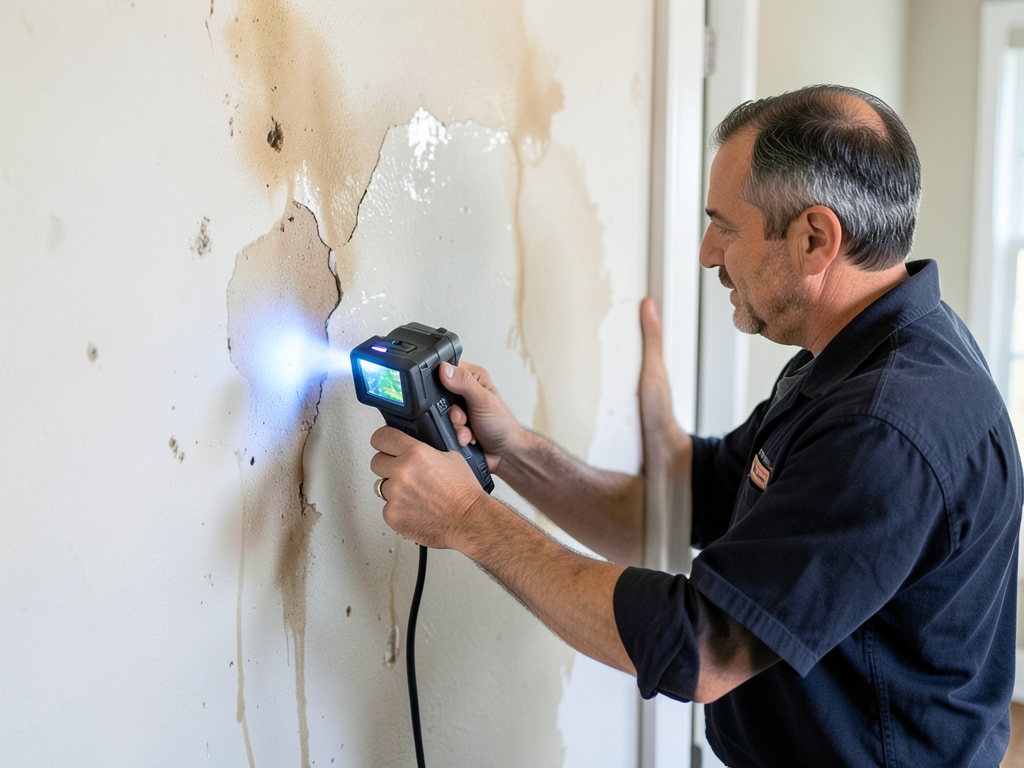
Infrared cameras detect temperature differences caused by moisture. Wet materials cool differently than dry ones, creating visible patterns on the camera screen. This technology revolutionized Memphis restoration by allowing technicians to find leaks behind walls without cutting holes.
Professional-grade thermal cameras cost $2,000-$8,000 but reveal what other tools miss. They detect active leaks, map moisture spread, and verify drying progress. In Memphis’s humid climate, they’re essential for finding condensation problems in attics or moisture trapped in wall cavities.
Consumer thermal cameras under $500 exist but lack the resolution and temperature sensitivity needed for accurate moisture detection. They might show hot spots from electrical issues but miss subtle moisture patterns. For serious water damage, professional thermal imaging makes the difference between finding all affected areas and missing hidden damage that causes mold.
Thermo-hygrometers: Monitoring Memphis’s moisture environment
Thermo-hygrometers measure temperature and relative humidity. In Memphis restoration, they’re critical for understanding the drying environment. You can’t dry a structure effectively without knowing the atmospheric conditions.
Professional hygrometers track grains per pound of moisture in the air—a more accurate measure than relative humidity alone. Memphis’s summer air can hold enormous moisture, making it difficult to create the dry conditions needed for effective structural drying. Without proper monitoring, you might run dehumidifiers inefficiently for days.
For DIY use, basic hygrometers help monitor basement humidity or check if your bathroom exhaust fan works properly. But they won’t tell you if your home has the right conditions for mold growth or if your drying efforts are actually working.
Moisture mapping: Professional protocols for Memphis structures
Professional restoration follows IICRC S500 standards for moisture mapping. This involves creating detailed diagrams showing all affected areas, moisture readings at specific locations, and tracking progress over time. In Memphis, this process accounts for local factors like the clay soil moisture content and typical building practices in different neighborhoods. IICRC S500 standards.
Technicians use moisture meters, thermal cameras, and hygrometers together to create comprehensive maps. They test materials at multiple depths because Memphis’s humidity means surface readings often don’t reflect subsurface conditions. A wall might feel dry to the touch but still hold moisture in the insulation.
Moisture mapping also includes documenting the drying process. Professionals take readings daily and adjust equipment placement based on the data. This prevents secondary damage like warping hardwood floors or cracking plaster walls that can occur if drying happens too quickly or unevenly.
Slab moisture testing: Calcium chloride vs. relative humidity probes
Memphis homes with slab foundations face unique moisture challenges. The city’s high water table and clay soil create conditions where moisture migrates through concrete. Professional slab testing uses two main methods: calcium chloride tests and relative humidity probes.
Calcium chloride tests measure moisture vapor emission rates. You place a sealed dish on the slab for 72 hours, then weigh the calcium chloride to determine how much moisture it absorbed. This method works well for new construction but can be affected by recent cleaning or temperature changes. Cleaning up a flooded basement in Bartlett before the damage gets worse.
Relative humidity probes go deeper, measuring moisture within the slab itself. You drill holes, insert probes, and let them equilibrate for 24 hours. This method provides more accurate readings for existing slabs and is less affected by surface conditions. In Memphis, where slabs often sit on expansive clay, RH probes typically give more reliable results. How to choose a reliable water damage restoration company in Memphis.
DIY vs. professional tools: When to call the experts
DIY moisture meters cost $30-$200 and work for basic leak detection or monitoring humidity in problem areas. They’re fine for checking if your basement feels damp or finding obvious roof leaks. But they have limitations that become critical in Memphis’s climate.
Professional tools offer several advantages: higher accuracy, better durability, data logging capabilities, and the expertise to interpret results correctly. A $50 DIY meter might show 15% moisture in wood and alarm you, but a professional knows that’s normal for Memphis in July.
Call professionals when you have: visible water damage affecting multiple rooms, musty odors suggesting hidden mold, foundation cracks with moisture, or water bills that spiked unexpectedly. These situations require the accuracy and documentation that only professional-grade tools provide.
Memphis building codes and moisture standards
Shelby County requires moisture mitigation for certain building types, particularly in flood-prone areas. The 2021 International Residential Code adopted by Memphis mandates specific moisture barriers for crawl spaces and requires proper grading to direct water away from foundations.
For professional restoration, IICRC S500 standards dictate acceptable moisture levels for different materials. Structural wood should be below 16% moisture content for indoor use. Drywall affected by Category 2 water (clean water with some contamination) must be dried within 72 hours or removed.
Memphis Light, Gas and Water also has requirements for moisture around utility penetrations. Improper sealing can lead to water intrusion that damages electrical systems or creates gas leak hazards. Professional moisture detection includes checking these critical areas.
Preventing moisture problems in Memphis homes
The best moisture detection is prevention. Memphis homeowners should maintain gutters, extend downspouts at least 6 feet from foundations, and ensure proper grading slopes away from the house. Install vapor barriers in crawl spaces and use dehumidifiers during humid months.
Regular plumbing inspections catch small leaks before they cause major damage. Check under sinks monthly, inspect washing machine hoses for cracks, and know where your main water shutoff valve is located. In older Memphis homes with polybutylene pipes, consider proactive replacement before failures occur.
Attic ventilation prevents condensation problems that thermal imaging can detect but are hard to see otherwise. Proper soffit and ridge vents keep attic temperatures closer to outdoor levels, reducing the temperature differential that causes moisture accumulation on roof sheathing.
Cost considerations for moisture detection tools
DIY moisture meters range from $30 for basic models to $200 for professional-grade consumer tools. Thermal cameras start around $400 but lack the sensitivity needed for accurate moisture detection. Quality thermo-hygrometers cost $50-$150.
Professional moisture inspection typically costs $150-$400 depending on home size and the extent of testing needed. This includes detailed reporting and recommendations. For serious water damage, the inspection cost is usually included in the restoration estimate.
Consider the cost of missing hidden moisture. Undetected water damage can lead to $5,000-$20,000 in mold remediation, structural repairs, and personal property loss. Professional detection often pays for itself by finding problems early.
Frequently Asked Questions
What’s the best moisture meter for checking my hardwood floors?
For hardwood floors, use a pinless meter with 1.5-inch scanning depth and wood-specific calibration. Test in multiple directions since moisture can migrate along the grain. Memphis’s humidity means readings above 12% are normal in summer but should drop below 9% in winter.
How accurate are consumer thermal cameras for finding leaks?
Consumer thermal cameras under $500 lack the resolution and temperature sensitivity for reliable moisture detection. They might show obvious hot or cold spots but miss subtle moisture patterns. For accurate leak detection, professional thermal imaging with 320×240 resolution or higher is necessary.
Can I use my moisture meter to check for mold?
Moisture meters detect elevated moisture that can lead to mold growth, but they don’t detect mold directly. Mold requires both moisture and organic material. A reading above 16-20% in wood or drywall indicates conditions favorable for mold, but you’d need separate testing to confirm actual mold presence.
Call (901) 640-3133 today to schedule your inspection
Don’t guess about moisture problems in your Memphis home. Professional moisture detection using IICRC-standard equipment can find hidden damage before it becomes a major repair. Whether you’ve had a recent flood, notice musty odors, or just want peace of mind about your home’s condition, we’re here to help.
Pick up the phone and call (901) 640-3133 before the next storm hits. Our team serves Memphis, Collierville, Germantown, and all surrounding areas with 24/7 emergency response. We’ll provide accurate moisture readings, detailed documentation for insurance, and a clear plan to protect your home from further damage.
Don’t let hidden moisture destroy your home’s value and your family’s health. Call (901) 640-3133 now and speak with a moisture detection expert who understands Memphis’s unique climate challenges.
You may also find this helpful. The best smart leak detectors for tech-savvy Memphis homeowners.
{
“@context”: “https://schema.org”,
“@type”: “BlogPosting”,
“headline”: “Comparing the best moisture detection tools for Memphis DIYers and pros”,
“description”: “Find out which moisture meters, thermal cameras, and hygrometers actually work in Memphis’s humid climate. Compare DIY tools vs professional-grade equipment for accurate leak detection.”,
“wordCount”: 1867,
“datePublished”: “2026-05-21T11:32:00.000Z”,
“dateModified”: “2026-05-21T11:32:00.000Z”,
“inLanguage”: “en-US”,
“mainEntityOfPage”: {
“@type”: “WebPage”,
“@id”: “https://victorywaterdamagerestorationmemphis.com”
},
“publisher”: {
“@type”: “LocalBusiness”,
“name”: “Victory Water Damage Restoration Memphis”,
“url”: “https://victorywaterdamagerestorationmemphis.com”
},
“author”: {
“@type”: “Organization”,
“name”: “Victory Water Damage Restoration Memphis”,
“url”: “https://victorywaterdamagerestorationmemphis.com”
},
“image”: {
“@type”: “ImageObject”,
“url”: “https://victorywaterdamagerestorationmemphis.com/wp-content/uploads/2026/03/comparing-the-best-moisture-detection-tools-for-me-1.png”
}
}
{
“@context”: “https://schema.org”,
“@type”: “LocalBusiness”,
“name”: “Victory Water Damage Restoration Memphis”,
“url”: “https://victorywaterdamagerestorationmemphis.com”,
“address”: {
“@type”: “PostalAddress”,
“addressLocality”: “Memphis”
},
“areaServed”: {
“@type”: “City”,
“name”: “Memphis”
}
}
{
“@context”: “https://schema.org”,
“@type”: “FAQPage”,
“mainEntity”: [
{
“@type”: “Question”,
“name”: “What’s the best moisture meter for checking my hardwood floors?”,
“acceptedAnswer”: {
“@type”: “Answer”,
“text”: “For hardwood floors, use a pinless meter with 1.5-inch scanning depth and wood-specific calibration. Test in multiple directions since moisture can migrate along the grain. Memphis’s humidity means readings above 12% are normal in summer but should drop below 9% in winter.”
}
},
{
“@type”: “Question”,
“name”: “How accurate are consumer thermal cameras for finding leaks?”,
“acceptedAnswer”: {
“@type”: “Answer”,
“text”: “Consumer thermal cameras under $500 lack the resolution and temperature sensitivity for reliable moisture detection. They might show obvious hot or cold spots but miss subtle moisture patterns. For accurate leak detection, professional thermal imaging with 320×240 resolution or higher is necessary.”
}
},
{
“@type”: “Question”,
“name”: “Can I use my moisture meter to check for mold?”,
“acceptedAnswer”: {
“@type”: “Answer”,
“text”: “Moisture meters detect elevated moisture that can lead to mold growth, but they don’t detect mold directly. Mold requires both moisture and organic material. A reading above 16-20% in wood or drywall indicates conditions favorable for mold, but you’d need separate testing to confirm actual mold presence.”
}
}
]
}
{
“@context”: “https://schema.org”,
“@type”: “BreadcrumbList”,
“itemListElement”: [
{
“@type”: “ListItem”,
“position”: 1,
“name”: “Home”,
“item”: “https://victorywaterdamagerestorationmemphis.com”
},
{
“@type”: “ListItem”,
“position”: 2,
“name”: “Blog”,
“item”: “https://victorywaterdamagerestorationmemphis.com/blog”
},
{
“@type”: “ListItem”,
“position”: 3,
“name”: “Comparing the best moisture detection tools for Memphis DIYers and pros”
}
]
}
{
“@context”: “https://schema.org”,
“@type”: “Service”,
“serviceType”: “Water Damage Restoration”,
“provider”: {
“@type”: “LocalBusiness”,
“name”: “Victory Water Damage Restoration Memphis”,
“url”: “https://victorywaterdamagerestorationmemphis.com”
},
“areaServed”: {
“@type”: “City”,
“name”: “Memphis”
},
“description”: “Find out which moisture meters, thermal cameras, and hygrometers actually work in Memphis’s humid climate. Compare DIY tools vs professional-grade equipment for accurate leak detection.”
}