
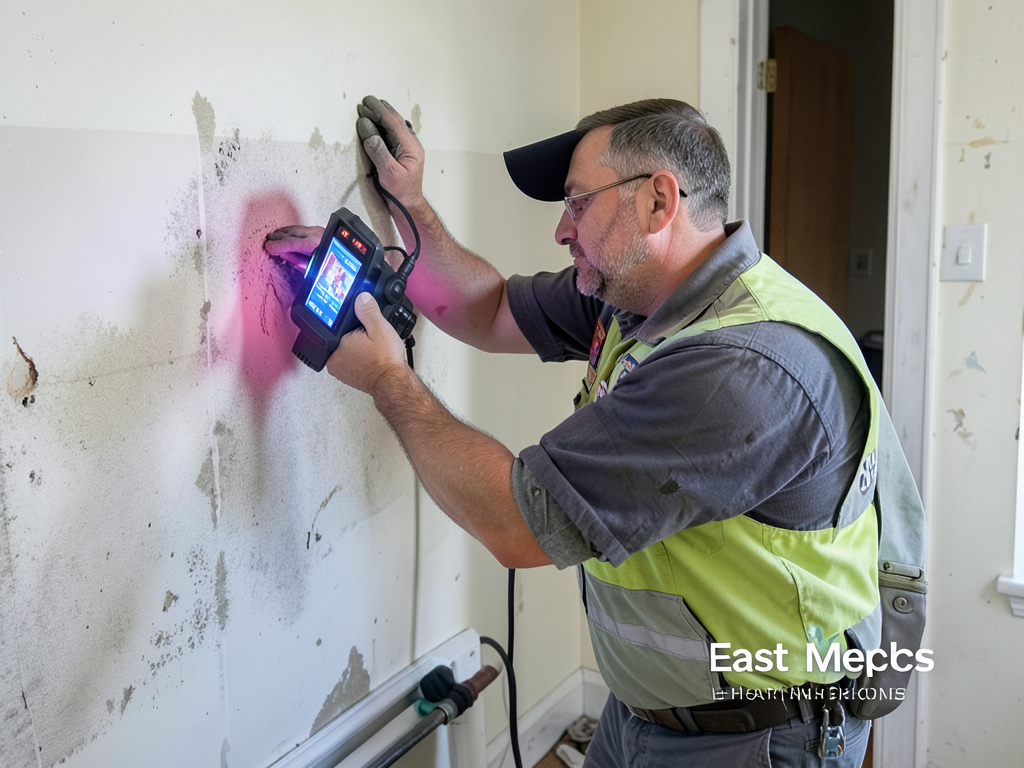
Professional Structural Drying Services in East Memphis, TN
When water invades your East Memphis home the clock starts ticking. Every hour that moisture sits in walls, under floors, or in crawlspaces increases the risk of mold growth, wood rot, and permanent structural damage. Professional structural drying goes far beyond simply removing standing water. It uses scientific principles to extract moisture from building materials and create conditions that force water molecules to evaporate quickly and completely. Rapid water restoration for business owners in Downtown Memphis.
East Memphis homes face unique challenges. Many properties near Poplar Avenue and Walnut Grove Road were built before modern vapor barriers existed. The hot humid summers create perfect conditions for secondary damage if moisture remains trapped in building cavities. Our team responds 24/7 with industrial-grade equipment specifically calibrated for Memphis’s climate patterns.. Read more about Why East Memphis homeowners shouldn’t wait to start mold remediation after a leak.
Call (901) 640-3133 now for immediate response. We serve all East Memphis zip codes including 38111, 38117, 38119, 38120, and 38157.. Read more about How drying out a flooded Memphis office building differs from a residential cleanup.
Our Science-Based Drying Process
Professional structural drying follows four interconnected principles that work together to remove moisture from your home. Understanding this process helps you see why DIY fans and shop vacs cannot solve serious water damage.
First comes extraction. We use powerful truck-mounted and portable extractors that remove 500% more water than wet vacuums. The goal is to physically remove as much liquid water as possible before starting the drying phase.
Next is evaporation. We calculate the exact number of air movers needed based on cubic feet of affected space. Each air mover creates a boundary layer of fast-moving air that breaks the surface tension of water molecules, forcing them into the air as vapor.
Dehumidification follows. Without removing the moisture from the air, evaporation simply moves water from one place to another. Our commercial-grade LGR (Low Grain Refrigerant) dehumidifiers can remove 20-30 gallons of water per day from the air in your home.
Finally temperature control. Warmer air holds more moisture and increases evaporation rates. We maintain optimal temperatures between 70-90 degrees Fahrenheit throughout the drying process.
Advanced Structural Drying Technology
Our equipment arsenal goes far beyond basic fans and dehumidifiers. We deploy specialized tools designed for specific materials and damage scenarios common in East Memphis homes.
LGR Dehumidifiers form the backbone of our drying system. These units can achieve grain depression levels below 40 grains per pound of air, which is essential for removing moisture from dense materials like hardwood and plaster. Can you save the hardwood floors in your Cooper-Young bungalow after a flood?.
HEPA Air Scrubbers filter the air during drying. As materials release moisture, they also release dust, mold spores, and other particulates. Our HEPA filtration captures 99.97% of particles down to 0.3 microns, protecting your indoor air quality.
Infrared Thermal Imaging Cameras detect hidden moisture pockets behind walls and under floors. These cameras show temperature differences that indicate where water has penetrated building materials. We can identify problem areas without destructive testing.
Injectidry Floor Drying Systems use specialized mats connected to vacuum systems to extract moisture from hardwood floors. This prevents cupping, warping, and buckling that often requires complete floor replacement.
Desiccant Dehumidifiers handle extreme moisture loads. These units use silica gel to absorb moisture and work exceptionally well in large commercial spaces or during major flood events.
Local Expertise in East Memphis Architecture
East Memphis presents distinct drying challenges based on its architectural history. Homes built in the 1950s through 1970s often feature plaster walls over wood or metal lath. Plaster absorbs water like a sponge and releases it slowly, requiring specialized drying techniques.
Many East Memphis properties near Chickasaw Gardens and Sherwood Forest sit on expansive clay soils that shift seasonally. This movement can create hairline cracks in foundations that allow groundwater intrusion during heavy rains. Our moisture mapping identifies these hidden entry points.
Modern homes in the area near Walnut Grove and Perkins Road typically use engineered wood products that swell rapidly when wet. We use specialized drying protocols that prevent permanent dimensional changes in these materials.
The area’s mature tree canopy, while beautiful, creates another challenge. Large oak and maple roots can damage underground plumbing, leading to slow leaks that go unnoticed for months. Our thermal imaging can detect these hidden moisture sources before they cause catastrophic damage.
Commercial properties along Poplar Avenue face different issues. Many older office buildings use suspended ceilings with minimal vapor barriers. Water from upper floors can travel through ceiling cavities for hours before appearing as visible damage below.
Insurance Coordination for Memphis Residents
Navigating insurance claims after water damage adds stress to an already difficult situation. We work directly with major carriers like State Farm, Allstate, and USAA to streamline the claims process for East Memphis homeowners.
Our technicians document every step using moisture mapping software that creates detailed reports. These reports include thermal imaging photos, moisture meter readings, and daily psychrometric readings that insurance adjusters require for approval.
We understand common claim scenarios in Memphis. Flash flooding from heavy thunderstorms often causes sump pump failures. Burst pipes during occasional winter freezes affect older homes with aging plumbing. Sewage backups occur when the city’s combined sewer system becomes overwhelmed during major rain events.
Our documentation meets IICRC S500 standards, the industry benchmark for water damage restoration. This compliance ensures your insurance company cannot deny claims based on procedural issues.
We also provide temporary storage for your belongings during the drying process. This prevents further damage and gives adjusters clear access to affected areas for assessment.
Preventing Secondary Mold Damage in Memphis Humidity
Memphis’s high humidity creates ideal conditions for mold growth within 24-48 hours of water exposure. Professional structural drying must begin immediately to prevent this secondary damage.
Mold requires three things to grow: moisture, organic material, and temperatures between 40-100 degrees Fahrenheit. Your home provides all three. Wood framing, drywall paper, and insulation all serve as food sources for mold spores that exist naturally in the air.
Our drying protocols maintain relative humidity below 40% in affected areas. This level prevents mold germination even if spores are present. We monitor humidity levels continuously using data loggers that track conditions 24/7.
Category 1 water (clean water from pipes) can become Category 2 (gray water) within 24 hours and Category 3 (black water) within 48 hours if not properly managed. This progression affects insurance coverage and restoration methods.
We apply antimicrobial treatments to affected surfaces after drying completes. These treatments prevent mold regrowth during the reconstruction phase when humidity levels may rise again.
Structural Integrity Assessments
Water damage affects more than just surface materials. Prolonged moisture exposure weakens structural components and can create dangerous conditions in your home.
We inspect floor joists for signs of rot using moisture meters that measure wood content. Readings above 20% indicate active decay processes. We also check for warping that affects load-bearing capacity.
Wall studs and headers receive similar evaluation. Water travels through capillary action, moving up walls far beyond visible damage. Our thermal imaging reveals moisture migration patterns that guide our drying strategy.
Crawlspace foundations require special attention. Many East Memphis homes have crawlspaces with dirt floors that hold moisture against foundation walls. We install vapor barriers and use specialized dehumidifiers designed for these confined spaces.
Roof structures face unique challenges. Water from attic leaks travels along rafters before dripping onto ceilings below. We trace these paths using moisture meters at multiple depths to ensure complete drying.
Monitoring and Documenting the Drying Process
Successful structural drying requires continuous monitoring and adjustment. We document every step to ensure complete moisture removal and provide evidence for insurance claims.
Daily moisture mapping creates a visual record of progress. We place moisture meters at strategic locations and record readings at the same time each day. This data shows drying trends and identifies areas needing additional attention.
Psychrometric readings track air conditions throughout the process. We measure temperature, relative humidity, and specific humidity to calculate vapor pressure differentials that drive the drying process.
Infrared camera inspections verify that hidden moisture pockets have dried completely. We compare thermal images from day one to final readings to document progress.
Our moisture monitoring logs meet insurance adjuster requirements and provide you with peace of mind that your home is truly dry before reconstruction begins.
East Memphis Emergency Response Times
When water damage strikes, every minute counts. Our East Memphis team maintains strategically located equipment and personnel to ensure rapid response throughout the service area.
From our central location near Poplar Avenue, we can reach most East Memphis addresses within 30 minutes. This quick response time is critical for preventing secondary damage and reducing overall restoration costs.
We maintain 24/7 emergency dispatch with live operators who can assess your situation immediately. Our team arrives with all necessary equipment to begin extraction and drying without delay.
During major weather events that affect the entire Memphis area, we activate our mutual aid network. This ensures adequate resources for all affected properties without extended wait times.
Our response vehicles carry enough equipment to handle most residential jobs immediately. For larger commercial losses, we can deploy additional resources within 2-4 hours from our regional warehouses.
Hardwood Floor Drying Systems
Hardwood floors represent one of the most challenging materials to dry after water damage. East Memphis homes often feature beautiful oak, maple, or cherry flooring that requires specialized treatment to save.
Injectidry systems use specialized mats connected to vacuum equipment to extract moisture from between floorboards. This negative pressure drying prevents the cupping and crowning that occurs when moisture remains trapped beneath the surface.
For severe cases, we use desiccant drying chambers. These create controlled environments where we can manipulate temperature and humidity to force moisture out of dense hardwood at the molecular level.
Engineered wood flooring requires different approaches. The plywood base layer responds differently than solid wood, often requiring lower temperatures to prevent delamination.
We monitor floor moisture content daily using penetrating moisture meters. Readings must return to normal equilibrium moisture content (typically 6-9% for indoor wood) before we consider the floor fully dried.
Moisture Mapping Technology
Effective structural drying begins with accurate moisture mapping. We use advanced diagnostic tools to create a complete picture of water migration throughout your home.
Non-penetrating moisture meters use radio frequency to detect moisture in materials without causing damage. These tools are essential for checking finished surfaces and identifying problem areas behind walls.
Pin-type moisture meters measure electrical resistance to determine moisture content in wood and other porous materials. We use these for detailed readings in framing members and subfloors.
Thermal imaging shows temperature variations that indicate moisture presence. Wet materials conduct heat differently than dry materials, creating patterns visible to infrared cameras.
Our moisture mapping process creates a detailed report showing affected areas, moisture levels, and recommended drying strategies. This documentation guides our equipment placement and drying timeline.
Category Water Classification
Understanding water category classification is essential for proper restoration. The type of water determines cleaning methods, drying protocols, and insurance coverage. Cleaning up a flooded basement in Bartlett before the damage gets worse.
Category 1 water originates from clean sources like broken supply lines or rainwater. While initially clean, this water can degrade to higher categories if not addressed quickly.
Category 2 water contains significant contamination and can cause discomfort or illness. Examples include washing machine overflow or dishwasher leaks. This water requires additional cleaning and sanitization steps.
Category 3 water is grossly contaminated and can cause severe illness or death if ingested. Sewage backups, flooding from rivers, and water from beyond the toilet trap all fall into this category. These situations require full personal protective equipment and specialized cleaning protocols.
Memphis’s combined sewer system creates unique risks during heavy rain events. Stormwater can back up through floor drains and toilets, introducing Category 3 contamination into homes.
Common Water Damage Scenarios in East Memphis
Understanding common failure patterns helps homeowners recognize problems early and respond appropriately.
Sump pump failures occur frequently in East Memphis due to power outages during thunderstorms. Many homes have sump pumps but lack battery backup systems. When power fails, groundwater accumulates in basements and crawlspaces.
Burst pipes affect older homes with galvanized steel plumbing. These pipes corrode from the inside, creating weak spots that fail suddenly. The hot water lines typically fail first due to higher temperatures accelerating corrosion.
Roof leaks develop gradually in homes with aging shingles. The Memphis climate, with its intense summer sun and occasional ice storms, accelerates roof deterioration. Water travels along rafters before appearing as ceiling stains below.
Foundation cracks allow groundwater intrusion in homes built on expansive clay soils. Seasonal soil movement creates stress on foundation walls, leading to hairline cracks that widen over time.
HVAC condensate line failures cause water damage in attic-mounted air handlers. These lines clog with algae and debris, causing condensate to overflow into ceiling cavities.
Why Professional Drying Matters
Many homeowners underestimate the complexity of structural drying. The consequences of incomplete drying can be severe and long-lasting.
Hidden mold growth affects indoor air quality and can cause respiratory problems. Mold often grows behind walls and under floors where it remains invisible until occupants experience health symptoms.
Wood rot weakens structural components over time. What appears as minor water damage can lead to costly structural repairs if moisture remains trapped in building materials.
Electrical hazards develop when water contacts wiring or electrical boxes. Even after surfaces appear dry, moisture can remain in wall cavities, creating shock and fire risks.
Property value decreases significantly when water damage history is discovered during real estate transactions. Professional documentation showing proper restoration can prevent these value losses.
Equipment Maintenance and Calibration
Our commitment to quality extends to equipment maintenance. We calibrate all moisture meters weekly and replace sensors annually to ensure accurate readings.
Dehumidifiers receive monthly maintenance including filter replacement and refrigerant level checks. We track operating hours and perform preventive maintenance to prevent equipment failures during critical jobs.
Air movers undergo annual bearing inspections and motor testing. We replace units showing signs of wear to maintain optimal airflow performance.
Our fleet vehicles receive regular maintenance to ensure reliable emergency response. We carry spare equipment on each truck to handle unexpected situations without delays. How to choose a reliable water damage restoration company in Memphis.
Environmental Considerations
We operate with environmental responsibility in mind. Our drying processes minimize energy consumption while maximizing effectiveness.
We use EPA-registered antimicrobials that are effective yet environmentally safe. These products break down naturally without leaving harmful residues.
Our equipment features energy-efficient motors and components that reduce power consumption during extended drying operations.
We properly dispose of contaminated materials according to Shelby County environmental regulations. This includes proper handling of Category 3 water and mold-contaminated materials.
Frequently Asked Questions
How long does structural drying take in Memphis?
Most residential structural drying jobs in East Memphis take 3-5 days depending on the extent of damage, materials affected, and environmental conditions. Hardwood floors and plaster walls may require additional time.
Will my insurance cover professional drying services?
Most homeowners insurance policies cover sudden and accidental water damage including professional drying when caused by covered perils like burst pipes or storm damage. We work with your insurance company to ensure proper documentation.
Can I save my hardwood floors after flooding?
Many hardwood floors can be saved with proper drying techniques. Our Injectidry systems and desiccant drying chambers have successfully restored floors that homeowners thought required replacement.
How do I know when my home is completely dry?
We use moisture meters and thermal imaging to verify complete drying. Our documentation shows moisture content returning to normal levels before we consider the job complete.
What should I do immediately after discovering water damage?
Stop the water source if possible, remove valuable items from affected areas, and call (901) 640-3133 immediately. Quick response prevents secondary damage and reduces restoration costs.
Call for Immediate Response
Water damage waits for no one. Every hour that moisture remains in your East Memphis home increases the risk of permanent damage and mold growth. Our team stands ready 24/7 to begin professional structural drying immediately.
We bring the right equipment, the right expertise, and the right attitude to every job. Our goal is not just to dry your home, but to restore your peace of mind. What to do right now if your Germantown home is flooding.
Call (901) 640-3133 now for immediate response. We serve all East Memphis neighborhoods including Sherwood Forest, Chickasaw Gardens, High Point Terrace, and the area around Poplar Avenue and Walnut Grove Road.
Don’t let water damage destroy your home and your health. Pick up the phone and call (901) 640-3133 before the next storm hits.
Additional Resources
Learn more about water damage prevention and restoration at these trusted sources:
{
“@context”: “https://schema.org”,
“@type”: “BlogPosting”,
“headline”: “Getting the moisture out of your East Memphis home with professional structural drying”,
“description”: “Emergency structural drying services in East Memphis TN. 24/7 response to prevent mold damage. Call (901) 640-3133 for rapid moisture removal from walls, floors, and crawlspaces.”,
“wordCount”: 2789,
“datePublished”: “2026-03-02T11:29:00.000Z”,
“dateModified”: “2026-03-02T11:29:00.000Z”,
“inLanguage”: “en-US”,
“mainEntityOfPage”: {
“@type”: “WebPage”,
“@id”: “https://victorywaterdamagerestorationmemphis.com”
},
“publisher”: {
“@type”: “LocalBusiness”,
“name”: “Victory Water Damage Restoration Memphis”,
“url”: “https://victorywaterdamagerestorationmemphis.com”
},
“author”: {
“@type”: “Organization”,
“name”: “Victory Water Damage Restoration Memphis”,
“url”: “https://victorywaterdamagerestorationmemphis.com”
},
“image”: {
“@type”: “ImageObject”,
“url”: “https://victorywaterdamagerestorationmemphis.com/wp-content/uploads/2026/03/getting-the-moisture-out-of-your-east-memphis-home-1.png”
}
}
{
“@context”: “https://schema.org”,
“@type”: “LocalBusiness”,
“name”: “Victory Water Damage Restoration Memphis”,
“url”: “https://victorywaterdamagerestorationmemphis.com”,
“address”: {
“@type”: “PostalAddress”,
“addressLocality”: “Memphis”
},
“areaServed”: {
“@type”: “City”,
“name”: “Memphis”
}
}
{
“@context”: “https://schema.org”,
“@type”: “FAQPage”,
“mainEntity”: [
{
“@type”: “Question”,
“name”: “How long does structural drying take in Memphis?”,
“acceptedAnswer”: {
“@type”: “Answer”,
“text”: “Most residential structural drying jobs in East Memphis take 3-5 days depending on the extent of damage, materials affected, and environmental conditions. Hardwood floors and plaster walls may require additional time.”
}
},
{
“@type”: “Question”,
“name”: “Will my insurance cover professional drying services?”,
“acceptedAnswer”: {
“@type”: “Answer”,
“text”: “Most homeowners insurance policies cover sudden and accidental water damage including professional drying when caused by covered perils like burst pipes or storm damage. We work with your insurance company to ensure proper documentation.”
}
},
{
“@type”: “Question”,
“name”: “How do I know when my home is completely dry?”,
“acceptedAnswer”: {
“@type”: “Answer”,
“text”: “We use moisture meters and thermal imaging to verify complete drying. Our documentation shows moisture content returning to normal levels before we consider the job complete.”
}
},
{
“@type”: “Question”,
“name”: “What should I do immediately after discovering water damage?”,
“acceptedAnswer”: {
“@type”: “Answer”,
“text”: “Stop the water source if possible, remove valuable items from affected areas, and call (901) 640-3133 immediately. Quick response prevents secondary damage and reduces restoration costs.”
}
}
]
}
{
“@context”: “https://schema.org”,
“@type”: “BreadcrumbList”,
“itemListElement”: [
{
“@type”: “ListItem”,
“position”: 1,
“name”: “Home”,
“item”: “https://victorywaterdamagerestorationmemphis.com”
},
{
“@type”: “ListItem”,
“position”: 2,
“name”: “Blog”,
“item”: “https://victorywaterdamagerestorationmemphis.com/blog”
},
{
“@type”: “ListItem”,
“position”: 3,
“name”: “Getting the moisture out of your East Memphis home with professional structural drying”
}
]
}
{
“@context”: “https://schema.org”,
“@type”: “Service”,
“serviceType”: “Water Damage Restoration”,
“provider”: {
“@type”: “LocalBusiness”,
“name”: “Victory Water Damage Restoration Memphis”,
“url”: “https://victorywaterdamagerestorationmemphis.com”
},
“areaServed”: {
“@type”: “City”,
“name”: “Memphis”
},
“description”: “Emergency structural drying services in East Memphis TN. 24/7 response to prevent mold damage. Call (901) 640-3133 for rapid moisture removal from walls, floors, and crawlspaces.”
}