
How heavy rainfall affects the historic brick foundations in Vollintine-Evergreen
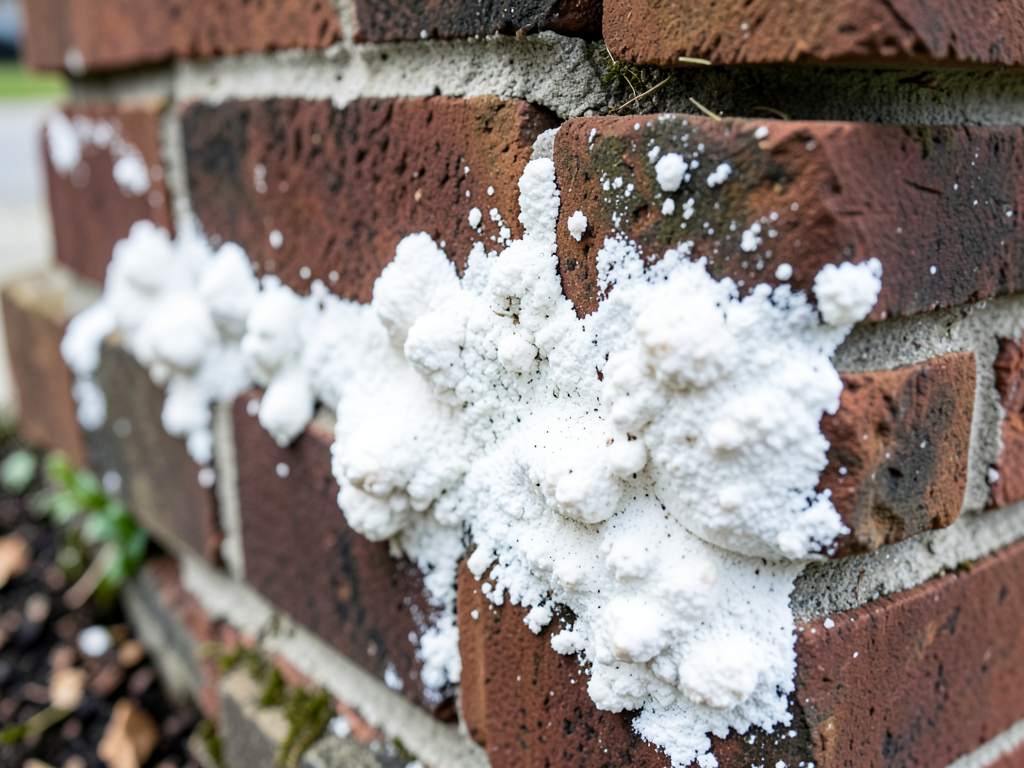
Heavy rain damages historic brick foundations in Vollintine-Evergreen. These early 20th-century homes sit on soft-fired clay bricks with lime mortar that absorb water. Memphis’s frequent downpours create hydrostatic pressure against these walls. Water seeps through the porous brick and mortar carrying dissolved salts that crystallize inside the masonry. This process causes spalling where the brick face flakes off and efflorescence where white mineral deposits appear. Over time freeze-thaw cycles common in Tennessee winters cause the brick to crack and the mortar joints to fail. Without proper drainage and maintenance these historic foundations deteriorate rapidly turning a charming Vollintine-Evergreen home into a moisture-damaged liability. Rapid water restoration for business owners in Downtown Memphis.
The unique vulnerabilities of Vollintine-Evergreen brick foundations
Vollintine-Evergreen’s historic homes built between 1900 and 1940 use load-bearing brick foundations that differ greatly from modern concrete. The bricks are softer and more porous than today’s kiln-fired products. The mortar is lime-based which allows some moisture vapor to escape but lacks the water resistance of modern cement. This combination makes the foundation act like a wick pulling groundwater upward through capillary action. Memphis’s Loess soil a wind-blown silt deposit common in Shelby County expands when wet and contracts when dry. This soil movement puts lateral pressure on foundation walls. When heavy rain saturates the ground the soil swells pushing against the brick walls. The result is cracked mortar joints bowed walls and water intrusion that can damage interior finishes and create mold conditions. Water Damage Restoration Collierville.
The neighborhood’s location near the Wolf River floodplain adds another risk factor. Homes in the 38112 zip code often sit on lots with poor surface drainage. Rainwater collects against foundation walls instead of flowing away. Gutters and downspouts from the 1920s may be undersized by modern standards. French drains if they exist are often clogged with sediment. These conditions create a perfect storm for foundation damage during Memphis’s frequent thunderstorms.. Read more about Understanding why Memphis loess soil causes unique foundation drainage issues in Germantown.
Identifying water damage in historic brick foundations
Homeowners in Vollintine-Evergreen should watch for specific warning signs that indicate foundation water damage. White powdery deposits on brick surfaces signal efflorescence a clear sign that water is moving through the masonry. Flaking or crumbling brick faces show spalling damage from freeze-thaw cycles. Damp spots on interior basement walls often appear as dark patches that feel cool to the touch. Musty odors in crawl spaces or basements suggest mold growth from chronic moisture. Cracks in mortar joints wider than 1/8 inch indicate structural stress. Stair-step cracks in brick corners show differential settling from soil expansion. Basement floors may show heaving or cracking from hydrostatic pressure beneath the slab. Can you save the hardwood floors in your Cooper-Young bungalow after a flood?.
Using a moisture meter on interior walls can reveal hidden dampness. Readings above 16 percent on brick surfaces suggest active water intrusion. A simple screwdriver test pressing the tool into mortar joints can show if the mortar has turned to sand. If the screwdriver easily penetrates the joint the mortar has lost its structural integrity and needs repointing.. Read more about The hidden danger of hydrostatic pressure on your Raleigh foundation.
Why modern waterproofing can harm historic brick
Many homeowners make the mistake of applying modern waterproofing products to historic brick foundations. Portland cement-based sealants and waterproofing paints trap moisture inside the brick. Historic bricks need to breathe allowing water vapor to escape. When vapor cannot escape it builds pressure inside the wall. This pressure causes the brick to spall and mortar to pop out. The damage often appears worse than the original problem. Silicone-based water repellents can also be problematic. While they allow some vapor transmission many products break down in UV light creating a patchy water barrier that fails unpredictably.. Read more about What to do if an MLGW water main break floods your North Memphis property.
The correct approach for Vollintine-Evergreen homes is to use breathable lime-based mortars for repairs. These mortars match the original materials’ vapor permeability. For exterior waterproofing a mineral silicate paint allows water vapor to escape while providing some water resistance. Proper drainage remains the most important factor. Water should be directed away from the foundation through functional gutters downspouts and grading before considering any waterproofing treatment. EPA lead-safe practices.
Memphis climate factors that accelerate foundation damage
Memphis’s climate creates conditions that speed up foundation deterioration. The city receives 54 inches of rain annually much higher than the national average. Most falls during heavy thunderstorms that dump inches of water in hours. This intense rainfall overwhelms drainage systems and saturates soil quickly. The Mississippi Delta’s high humidity often above 70 percent keeps foundations damp for extended periods. This constant moisture exposure prevents bricks from drying completely between storms.. Read more about Handling water damage and mold in historic Memphis churches or community halls.
Temperature swings in Memphis create freeze-thaw cycles during winter. When wet brick freezes the water inside expands by about 9 percent. This expansion creates internal pressure that cracks the brick. Each freeze-thaw cycle worsens existing cracks. The USDA Plant Hardiness Zone 7b designation means Vollintine-Evergreen experiences about 20 days below freezing annually enough cycles to cause significant damage over decades.
Summer heat compounds the problem. Surface temperatures on brick walls can exceed 120 degrees Fahrenheit. This heat creates thermal expansion that stresses the mortar joints. When rain suddenly cools the wall the rapid temperature change creates additional stress. These daily thermal cycles fatigue the masonry over time.
Restoration process for historic brick foundations
Restoring a water-damaged historic brick foundation requires a systematic approach. The first step involves removing deteriorated mortar through careful raking. Using a hammer and chisel the technician removes mortar to a depth of 2 to 2.5 times the joint width. This ensures the new mortar bonds properly to the brick. The removed mortar is analyzed to match the original lime content and aggregate size.
Next the foundation undergoes cleaning to remove salt deposits and biological growth. A low-pressure wash with a biocide solution kills mold and mildew. Efflorescence requires a mild acid wash followed by neutralization with a baking soda solution. After cleaning the foundation dries completely often taking several days in Memphis’s humid climate. Cleaning up a flooded basement in Bartlett before the damage gets worse.
The repointing process uses lime mortar mixed to match the original in color strength and permeability. The technician packs the mortar into joints using a pointing trowel ensuring full contact with brick surfaces. Tooling creates a slightly concave finish that sheds water. After pointing the mortar cures slowly under damp burlap to prevent shrinkage cracks.
Exterior drainage improvements complete the restoration. This includes extending downspouts at least 6 feet from the foundation installing surface drains and correcting grading to slope away from the house at 1/2 inch per foot. For severe cases a French drain system with perforated pipe and gravel surrounds the foundation footing.

Comparing restoration methods and materials
| Restoration Method | Material Type | Cost Range | Best For | Duration |
|---|---|---|---|---|
| Lime Repointing | Breathable lime mortar | $15-$25 per square foot | Historic preservation | 2-3 days |
| Portland Cement Patching | Modern cement mortar | $12-$20 per square foot | Non-historic structures | 1-2 days |
| Exterior Waterproofing | Silicate mineral paint | $8-$12 per square foot | Breathable moisture barrier | 1-2 days |
| French Drain Installation | Perforated pipe and gravel | $3,000-$8,000 per system | Severe water intrusion | 2-5 days |
| Crawl Space Encapsulation | Vapor barrier and dehumidifier | $5,000-$15,000 per space | High humidity control | 2-4 days |
Preventive maintenance for Vollintine-Evergreen homeowners
Regular maintenance prevents costly foundation repairs. Clean gutters twice yearly removing leaves and debris that cause overflow. Check that downspouts direct water at least 6 feet from the foundation. Grade soil around the house so it slopes away at 1/2 inch per foot for at least 6 feet. Install gutter guards to reduce maintenance and prevent clogs during heavy storms.
Inspect the foundation quarterly looking for new cracks efflorescence or spalling. Use a flashlight to check crawl space moisture levels. Relative humidity should stay below 60 percent. Install a hygrometer to monitor conditions. If humidity stays high consider a crawl space dehumidifier sized for the space volume. Emergency Dehumidifier Rental.
During prolonged wet periods check basement walls for new dampness. Touch the walls if they feel cool and damp water is likely present. Address grading or drainage issues immediately. Small problems become expensive repairs if ignored.
Local building codes and restoration standards
Memphis and Shelby County have specific requirements for foundation repairs. The Shelby County Building Code follows the International Residential Code with local amendments. Foundation repairs require permits when they affect structural elements. The code mandates that repairs restore the original load-bearing capacity. For historic districts like Vollintine-Evergreen the Memphis Landmarks Commission must approve visible changes to maintain architectural character. International Residential Code.
The IICRC S500 Standard for water damage restoration guides professional drying and dehumidification. While focused on water damage rather than foundation repair the standard establishes best practices for moisture control that apply to foundation work. It requires documenting moisture readings throughout the process and verifying that materials return to normal moisture content levels. IICRC S500 Standard.
EPA regulations affect foundation work when lead paint or asbestos might be present in older homes. Testing may be required before disturbing materials. The EPA’s lead-safe practices mandate specific containment and cleanup procedures for homes built before 1978.
When to call a professional foundation specialist
Some foundation issues require immediate professional attention. Large cracks those wider than 1/4 inch or those that appear suddenly suggest structural movement. Bowing walls that deflect more than 1 inch over 4 feet indicate soil pressure beyond the wall’s capacity. Persistent water intrusion that continues after correcting surface drainage suggests subsurface water problems requiring French drains or exterior waterproofing.
Professional assessment includes a thorough inspection with moisture meters and possibly infrared cameras to detect hidden dampness. The specialist evaluates soil conditions around the foundation and may recommend a geotechnical report for severe cases. Cost for professional evaluation typically ranges from $300 to $600 but provides critical information for repair planning.
Insurance coverage for foundation repairs varies. Sudden damage from burst pipes may be covered but gradual deterioration from water infiltration usually is not. Review your policy and document damage with photos before repairs begin.
Long-term protection strategies
Protecting a historic brick foundation requires a comprehensive approach. Install a perimeter drain system even if the foundation appears dry. The cost ranges from $3,000 to $8,000 but prevents thousands in future repairs. Monitor soil moisture around the foundation. During drought periods water the soil near the foundation to prevent shrinkage that creates gaps where water can enter during the next rain.
Consider a crawl space dehumidifier for homes with crawl spaces. Models with automatic drainage cost $800 to $1,200 but maintain consistent humidity levels. Check the dehumidifier quarterly cleaning filters and checking drainage lines.
Document your foundation’s condition with photos each year. This creates a baseline for comparison and helps identify new problems early. Pay special attention to areas near downspouts where water concentration is highest.
Call (901) 640-3133 for a professional foundation inspection if you notice any warning signs. Early intervention prevents costly repairs and protects your home’s value.
{
“@context”: “https://schema.org”,
“@type”: “BlogPosting”,
“headline”: “How heavy rainfall affects the historic brick foundations in Vollintine-Evergreen”,
“description”: “Heavy rain damages historic brick foundations in Vollintine-Evergreen. Learn how Memphis weather and soil affect these structures and what homeowners can do.”,
“wordCount”: 1816,
“datePublished”: “2026-06-03T07:33:00.000Z”,
“dateModified”: “2026-06-03T07:33:00.000Z”,
“inLanguage”: “en-US”,
“mainEntityOfPage”: {
“@type”: “WebPage”,
“@id”: “https://victorywaterdamagerestorationmemphis.com”
},
“publisher”: {
“@type”: “LocalBusiness”,
“name”: “Victory Water Damage Restoration Memphis”,
“url”: “https://victorywaterdamagerestorationmemphis.com”
},
“author”: {
“@type”: “Organization”,
“name”: “Victory Water Damage Restoration Memphis”,
“url”: “https://victorywaterdamagerestorationmemphis.com”
},
“image”: {
“@type”: “ImageObject”,
“url”: “https://victorywaterdamagerestorationmemphis.com/wp-content/uploads/2026/03/how-heavy-rainfall-affects-the-historic-brick-foun-1.png”
}
}
{
“@context”: “https://schema.org”,
“@type”: “LocalBusiness”,
“name”: “Victory Water Damage Restoration Memphis”,
“url”: “https://victorywaterdamagerestorationmemphis.com”,
“address”: {
“@type”: “PostalAddress”,
“addressLocality”: “Memphis”
},
“areaServed”: {
“@type”: “City”,
“name”: “Memphis”
}
}
{
“@context”: “https://schema.org”,
“@type”: “BreadcrumbList”,
“itemListElement”: [
{
“@type”: “ListItem”,
“position”: 1,
“name”: “Home”,
“item”: “https://victorywaterdamagerestorationmemphis.com”
},
{
“@type”: “ListItem”,
“position”: 2,
“name”: “Blog”,
“item”: “https://victorywaterdamagerestorationmemphis.com/blog”
},
{
“@type”: “ListItem”,
“position”: 3,
“name”: “How heavy rainfall affects the historic brick foundations in Vollintine-Evergreen”
}
]
}
{
“@context”: “https://schema.org”,
“@type”: “Service”,
“serviceType”: “Water Damage Restoration”,
“provider”: {
“@type”: “LocalBusiness”,
“name”: “Victory Water Damage Restoration Memphis”,
“url”: “https://victorywaterdamagerestorationmemphis.com”
},
“areaServed”: {
“@type”: “City”,
“name”: “Memphis”
},
“description”: “Heavy rain damages historic brick foundations in Vollintine-Evergreen. Learn how Memphis weather and soil affect these structures and what homeowners can do.”
}