
Professional Wine Cellar Humidity Control in Memphis: Protecting Your Collection
Your River Oaks wine cellar deserves more than just a thermometer and good intentions. Memphis’s high humidity levels and the unique characteristics of River Oaks homes create specific challenges that generic advice cannot address. This guide explains exactly what perfect humidity means for your collection and when to call professionals before minor moisture issues become major restoration projects.
The ideal wine cellar maintains relative humidity between 50% and 70% with a target of 60%. In Memphis’s humid subtropical climate, external air often exceeds 70% humidity, making active control mandatory rather than optional. Your River Oaks home likely sits on expansive clay soil that shifts with moisture changes, creating micro-fractures in basement walls that allow vapor intrusion.
The Science of Wine Cellar Humidity
Relative humidity affects wine through cork integrity and label preservation. When RH drops below 50%, corks dry out and shrink, allowing oxygen to spoil the wine. When RH exceeds 70%, mold grows on labels and walls while corks become overly saturated and prone to leakage.
Memphis’s average annual humidity hovers around 75%, with summer dew points frequently reaching 70°F. This creates vapor pressure that pushes moisture through even well-constructed walls. The psychrometric chart shows that at 55°F cellar temperature, air at 70% RH contains significantly more moisture than wine storage requires.
Golden Nugget #1: River Oaks homes built before 2010 often lack proper vapor barriers in basement construction, making them particularly vulnerable to Mississippi River Valley humidity.
The Risks of Improper Humidity Control
Beyond wine spoilage, improper humidity causes structural damage to your River Oaks property. Efflorescence appears as white powdery deposits on masonry when water carries dissolved salts to the surface. This indicates active moisture migration through foundation walls. Rapid water restoration for business owners in Downtown Memphis.
Mold growth accelerates when relative humidity exceeds 60% for extended periods. Common cellar molds include Aspergillus and Penicillium, which produce musty odors and can damage wine labels beyond recognition. The EPA recommends keeping indoor humidity below 60% to prevent mold proliferation. EPA mold guidelines.
Golden Nugget #2: River Oaks’s proximity to the Wolf River floodplain means many homes experience seasonal water table fluctuations that affect basement humidity levels.
Memphis-Specific Climate Challenges
Memphis experiences 54 inches of annual rainfall, nearly double the national average. The Mississippi River basin’s humidity creates a vapor pressure differential that continuously pushes moisture toward your cellar’s cooler interior. Summer thunderstorms can spike indoor humidity from 45% to 85% within hours. National Weather Service Memphis climate data.
The National Weather Service reports Memphis’s average dew point ranges from 28°F in January to 72°F in July. Your wine cellar cooling system must handle these extremes while maintaining stable conditions. A hygrometer placed near the door often reads 10-15% higher than conditions near the back wall due to thermal stratification.
Golden Nugget #3: River Oaks homes typically feature pier-and-beam foundations that create crawl space moisture issues affecting adjacent basement wine cellars.
Technical Solutions for Humidity Control
Vapor barriers form the first line of defense. Six-mil polyethylene sheeting with taped seams prevents moisture migration through walls. For River Oaks’s clay soil conditions, consider 10-mil reinforced barriers with sealed penetrations around electrical and cooling lines.
Cooling systems come in two main types. Through-the-wall units work for cellars under 500 bottles but struggle with Memphis’s heat load. Split systems separate the evaporator inside from the condenser outside, providing better humidity control and longer equipment life. The compressor should run continuously rather than cycling to maintain stable conditions.
Dehumidification integration requires careful sizing. A 500-bottle cellar in Memphis needs approximately 30-40 pints of dehumidification capacity. The unit should drain automatically rather than requiring manual emptying, as Memphis’s humidity means constant moisture removal.
Diagnostic Test: Place a digital hygrometer at wine bottle height in multiple locations. Readings should vary no more than 5% between locations. Greater variation indicates poor air circulation or hidden moisture sources.
The Role of Water Damage Restoration in Wine Storage
Professional restoration expertise becomes critical when humidity control systems fail. IICRC S500 standards govern water damage restoration, including proper drying chamber setup and moisture mapping techniques that apply to wine cellars. Water Damage Restoration Collierville.
Thermal imaging cameras detect temperature variations indicating moisture behind walls without destructive testing. This technology reveals hidden leaks in cooling lines or foundation cracks before they cause catastrophic damage to your collection.
Professional-grade dehumidifiers remove 3-5 times more moisture per day than consumer units. When humidity spikes above 75%, these machines can restore safe conditions within 24-48 hours while preventing secondary damage to labels and structural elements. Emergency Dehumidifier Rental.
Warning Signs: Musty odors, visible mold on labels or walls, condensation on cooling unit surfaces, or RH readings consistently above 70% indicate problems requiring immediate professional attention.
Emergency Troubleshooting for Humidity Spikes
When your humidity controller fails, immediate action prevents collection damage. First, close the cellar door to isolate the space. Second, place battery-powered fans inside to circulate air and prevent condensation on bottles. Third, check for obvious water sources like leaking cooling lines or foundation seepage.
Monitor humidity every 2-3 hours using a reliable digital hygrometer. If levels remain above 70% after 12 hours of passive measures, professional intervention becomes necessary. The cost of emergency service typically runs 40-60% less than replacing a damaged wine collection. How to choose a reliable water damage restoration company in Memphis.
Comparison Table: Humidity Control Options for River Oaks Wine Cellars
| System Type | Initial Cost | Memphis Suitability | Maintenance Requirements |
|---|---|---|---|
| Through-Wall Cooling | $2,000-$4,000 | Limited | Annual cleaning |
| Split System | $4,000-$8,000 | Excellent | Bi-annual service |
| Professional Dehumidification | $1,500-$3,000 | Essential | Monthly filter cleaning |
| Integrated System | $6,000-$12,000 | Optimal | Quarterly professional service |
Preventive Maintenance for Long-Term Protection
Quarterly inspections catch problems before they damage your collection. Check vapor barrier integrity by looking for tears or gaps. Test hygrometer accuracy by comparing multiple units. Clean cooling unit coils to maintain efficiency. Inspect foundation walls for new cracks or efflorescence.
Seasonal adjustments matter in Memphis’s climate. Summer requires maximum dehumidification capacity. Winter may allow slightly higher humidity levels as outdoor air becomes drier. Monitor conditions more frequently during seasonal transitions.
Document your cellar conditions with photos and readings. This baseline helps professionals diagnose problems quickly and provides valuable information for insurance claims if damage occurs.
When to Call a Professional
Certain situations demand immediate professional attention. Persistent humidity above 70% despite active control systems indicates hidden moisture sources. Visible mold growth on more than 10 square feet requires professional remediation following EPA guidelines. Structural cracks wider than 1/8 inch may indicate foundation movement requiring assessment.
Professional restoration teams use moisture meters to measure wall cavity humidity, thermal cameras to detect temperature anomalies, and hygrometers to establish baseline conditions. They also understand local building codes and can recommend solutions that comply with Shelby County regulations.
Golden Nugget #4: River Oaks’s older homes often contain asbestos in pipe insulation and vermiculite in wall cavities. Professional assessment becomes critical before any invasive moisture remediation work.
Protecting Your Investment
Your wine collection represents both financial and emotional investment. Proper humidity control prevents the heartbreak of opening a bottle only to find it spoiled by cork failure or label damage that reduces its collectible value.
Professional humidity management costs $50-$200 monthly in electricity and maintenance but prevents losses that can exceed $10,000 for a modest collection. The math becomes clear when comparing prevention costs to replacement costs.
River Oaks homeowners understand that property protection requires proactive maintenance. Your wine cellar deserves the same attention you give to roof maintenance or HVAC service.
Frequently Asked Questions
What humidity level is ideal for wine storage?
The ideal relative humidity for wine storage ranges from 50% to 70%, with 60% being the optimal target. This range keeps corks moist enough to prevent air exposure while preventing mold growth on labels and walls.
How does Memphis humidity affect wine cellars?
Memphis’s average humidity of 75% creates constant vapor pressure that pushes moisture into cooler cellar spaces. Without active control systems, cellars can experience humidity levels above 80%, leading to mold growth, label damage, and potential wine spoilage.
Can I use a regular dehumidifier for my wine cellar?
Consumer dehumidifiers lack the capacity and precision needed for wine cellars. Professional units provide continuous drainage, maintain specific humidity setpoints, and include features like automatic restart after power outages that protect your collection.
How often should I check my wine cellar humidity?
Check humidity levels daily using a reliable digital hygrometer. Perform comprehensive inspections including temperature mapping and equipment checks every three months. Increase monitoring frequency during seasonal transitions when outdoor conditions change rapidly.
What are signs of humidity problems in my wine cellar?
Signs include musty odors, visible mold on walls or labels, condensation on cooling unit surfaces, humidity readings consistently above 70%, or corks that appear swollen or discolored. Any of these conditions warrant professional assessment.
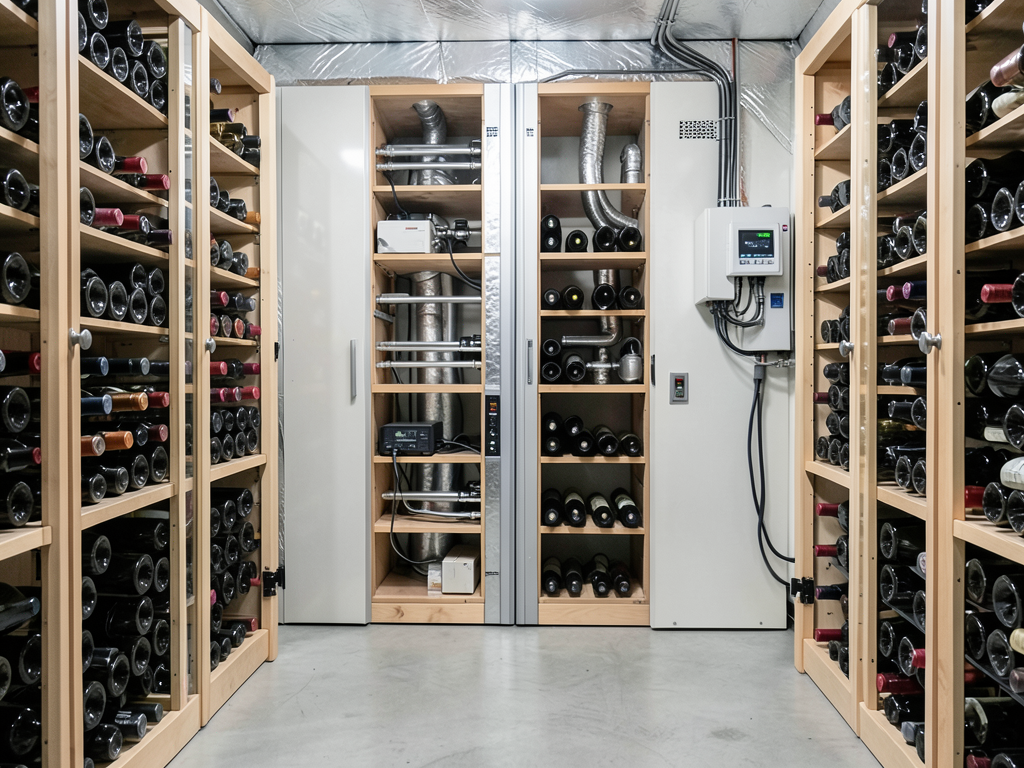
Image Description: Professional wine cellar with split cooling system and integrated dehumidification unit, showing proper vapor barrier installation and temperature monitoring equipment.
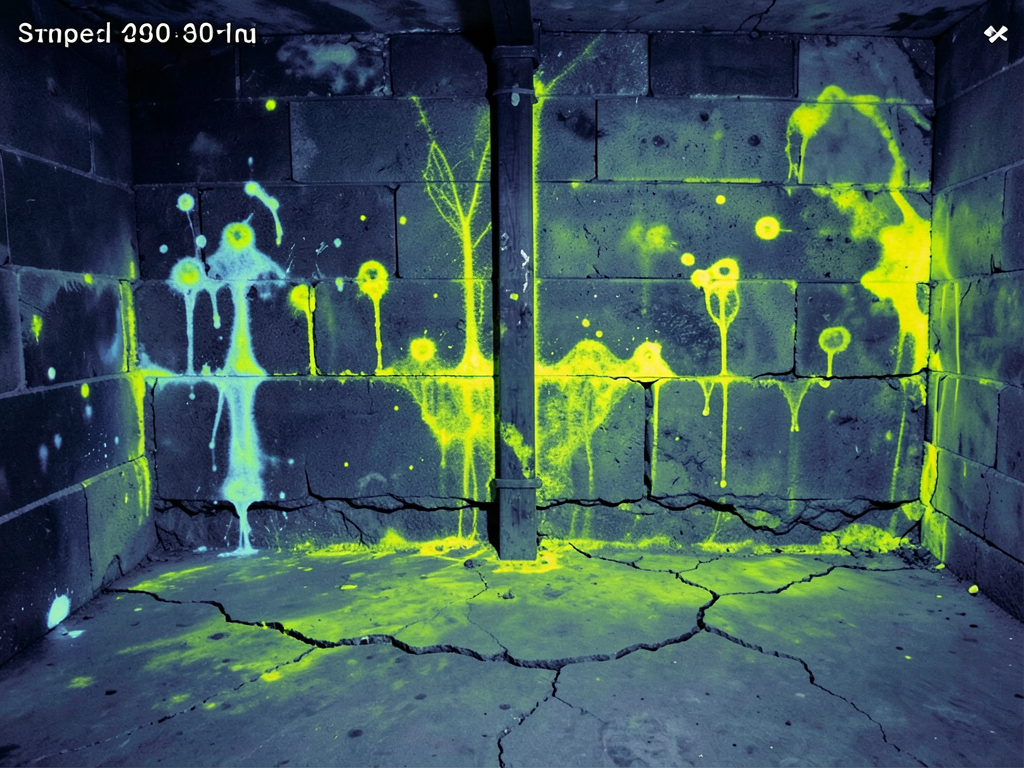
Image Description: Thermal imaging scan of wine cellar walls revealing moisture intrusion points behind vapor barriers and foundation cracks allowing humidity migration.
Image Description: Professional restoration technician using moisture meter and hygrometer to assess wine cellar conditions and identify hidden humidity problems.
Take Action to Protect Your Collection
Don’t wait for humidity problems to damage your valuable wine collection. River Oaks’s unique climate and soil conditions create specific challenges that require professional understanding and equipment.
Call (901) 640-3133 today to schedule a comprehensive wine cellar assessment. Our team uses professional-grade equipment to measure current conditions, identify potential problems, and recommend solutions tailored to your specific situation.
Pick up the phone and call (901) 640-3133 before the next Memphis humidity spike hits. Your wine collection deserves professional protection, and we’re ready to provide it right now. What to do right now if your Germantown home is flooding.
For more information about water damage prevention and restoration services, visit our website or contact us directly. We serve River Oaks and all surrounding Memphis neighborhoods with rapid response times and professional expertise.
Remember, proper humidity control isn’t just about preserving wine—it’s about protecting your investment and ensuring every bottle reaches its full potential. Let our experience work for you.