
How long it actually takes to dry out a flooded house in Memphis
Water damage in Memphis homes typically takes between 3 to 5 days to dry completely under professional conditions. The actual timeline depends on several critical factors including the type of water involved, the materials affected, and the humidity levels in the Mid-South region. Most homeowners underestimate how long the process takes because they confuse surface dryness with structural dryness. Rapid water restoration for business owners in Downtown Memphis.
Professional drying requires specialized equipment and monitoring to ensure all moisture is removed from walls, floors, and hidden cavities. Without proper equipment, a house may feel dry to the touch but still contain moisture that leads to mold growth within 24-48 hours. Can you save the hardwood floors in your Cooper-Young bungalow after a flood?.
Understanding the three categories of water damage
Water damage falls into three categories based on contamination level. Category 1 water comes from clean sources like broken supply lines or rainwater. Category 2 water contains significant contamination from sources like washing machine overflow or dishwasher leaks. Category 3 water is grossly contaminated from sewage backups, flooding from rivers, or standing water that has begun supporting microbial growth.
The category of water directly impacts drying time because contaminated water requires additional safety protocols and often more extensive material removal. Category 3 water situations typically extend the drying timeline by 24-48 hours due to the need for thorough cleaning and disinfection before drying can begin. Cleaning up a flooded basement in Bartlett before the damage gets worse.
Memphis humidity creates unique drying challenges
The Mid-South experiences some of the highest humidity levels in the country, with average relative humidity often exceeding 70% during summer months. This moisture in the air makes it significantly harder for water to evaporate from building materials. When outdoor air contains more moisture than the materials you’re trying to dry, evaporation slows dramatically.
Professional restorers use dehumidifiers that remove moisture from the air at a rate measured in grains per pound (GPP). In Memphis’s humid climate, industrial-grade LGR (low-grain refrigerant) dehumidifiers are essential. These units can remove 20-30 gallons of water per day from the air, compared to just 5-10 gallons for standard residential dehumidifiers.. Read more about Why Memphis restoration quotes vary so much (and what to look for).
Material type determines drying duration
Different building materials absorb and release water at vastly different rates. Drywall typically dries in 24-72 hours when properly treated, but this assumes the water hasn’t wicked up more than 2 feet from the floor. Hardwood flooring can take 7-10 days to dry completely because wood is hygroscopic and holds moisture deep within its structure.
Carpet and padding dry faster than most people expect when using proper extraction equipment. A professional carpet wand can remove 90% of water from carpet and padding in the first pass. However, the remaining 10% in the backing and subfloor requires air movers and dehumidifiers to evaporate over 24-48 hours.
The scientific drying process step by step
Professional water damage restoration follows a systematic approach based on IICRC S500 standards. The process begins with water extraction using truck-mounted or portable extraction units that generate 140+ inches of water lift. This removes the bulk of standing water before evaporation even begins. IICRC S500 Standards.
During the evaporation phase, industrial air movers create high-velocity airflow across wet surfaces, breaking the boundary layer of moisture that naturally forms. This increases evaporation rate by 300-500%. The final dehumidification phase removes the moisture from the air before it can condense elsewhere in the structure.
Common drying times for Memphis building materials
| Material | Typical Drying Time | Conditions Affecting Time |
|---|---|---|
| Standard drywall | 24-72 hours | Water height, insulation presence |
| Hardwood flooring | 7-10 days | Wood species, finish type |
| Carpet and pad | 24-48 hours | Padding type, subfloor material |
| Concrete slab | 3-7 days | Slab thickness, vapor barrier |
| Subfloor plywood | 48-96 hours | Thickness, joist spacing |
Seasonal variations in Memphis drying times
Summer flooding in Memphis presents the greatest drying challenge due to high outdoor humidity. During July and August, when outdoor relative humidity often exceeds 85%, drying times can extend by 24-48 hours compared to winter months. The warm temperatures do help increase evaporation rates, but the moisture-laden air limits overall effectiveness.. Read more about Drying out the lath and plaster walls in your historic Central Gardens home.
Winter flooding creates different challenges. While outdoor humidity is typically lower (40-50%), colder temperatures slow molecular movement and evaporation. Heating the space becomes essential, but this also increases the air’s moisture-holding capacity, requiring more powerful dehumidification. Most winter jobs require 4-6 days for complete drying.
Why ‘feeling dry’ isn’t good enough
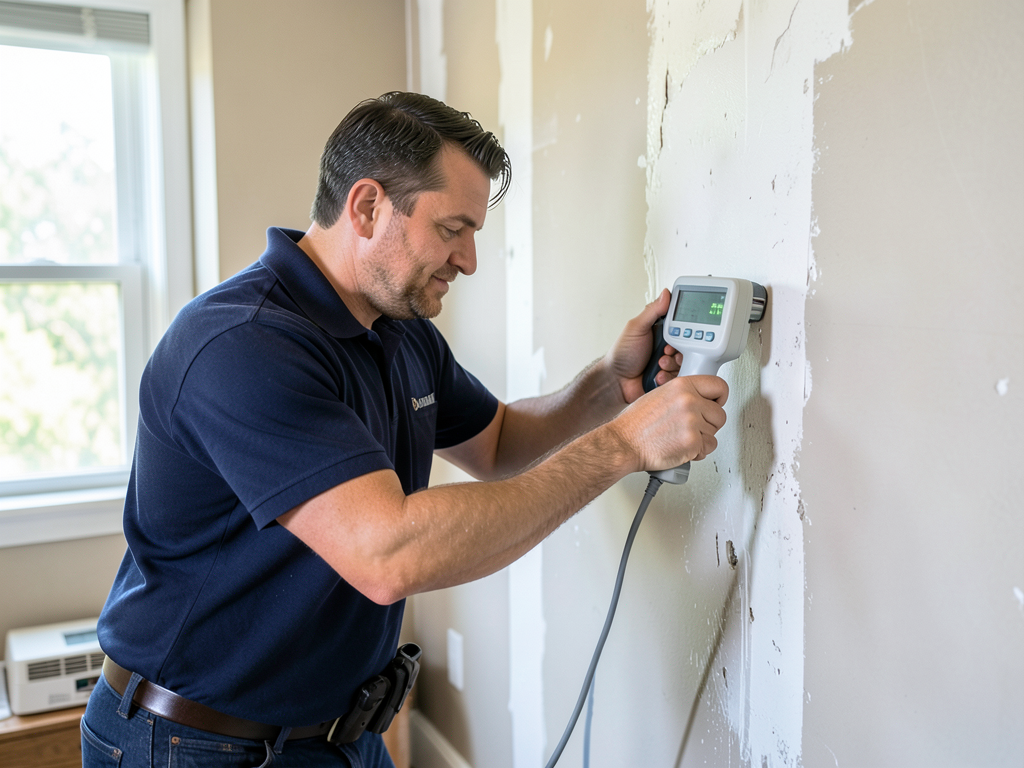
Many homeowners make the critical mistake of assuming materials are dry once they feel dry to the touch. This surface dryness can be misleading because moisture often remains trapped within materials. Professional restorers use moisture meters that measure moisture content in wood (typically 12-16% is normal for indoor wood) and non-invasive meters for drywall and concrete.
Thermal imaging cameras help identify hidden moisture pockets that meters might miss. These cameras detect temperature differences caused by evaporative cooling from wet materials. A wall that feels dry but shows a cool spot on thermal imaging likely contains moisture requiring additional drying time.
The mold growth window you can’t ignore
Mold can begin germinating within 24-48 hours of water exposure, with visible colonies appearing within 72 hours under optimal conditions. In Memphis’s warm, humid climate, this timeline often accelerates. Once mold establishes, it creates a secondary contamination problem that extends the overall restoration timeline by several days and significantly increases costs.
Professional restorers monitor humidity levels throughout the drying process, maintaining relative humidity below 40% to prevent mold growth. This requires continuous operation of dehumidifiers and air movers, not just intermittent use. The equipment running 24/7 may seem excessive, but it’s essential for preventing secondary damage.
When to call a professional immediately
Certain situations require immediate professional intervention regardless of the apparent severity. Sewage backups, flooding from external sources, or water that has been standing for more than 24 hours all require professional handling due to contamination risks. Additionally, water affecting electrical systems, structural components, or valuable contents warrants professional assessment.
Insurance companies often require professional documentation of the drying process for claims involving significant damage. Without proper documentation, including daily moisture readings and photos, claims may be denied or reduced. Professional restorers provide this documentation as part of their standard service.
DIY drying limitations and risks
Homeowners can handle minor water spills under 100 square feet if addressed within the first hour. However, DIY efforts face several limitations. Consumer-grade dehumidifiers and fans lack the capacity to handle significant water events. Most importantly, DIY drying rarely includes proper moisture monitoring, leaving hidden moisture that causes problems weeks later.
The cost savings of DIY drying often disappear when secondary damage occurs. Replacing drywall due to undetected moisture, treating mold growth, or repairing warped flooring typically costs 3-5 times more than proper initial drying would have cost. Professional assessment costs are usually covered by insurance when damage is significant. EPA Mold Guidelines.
Insurance claim timeline considerations
The drying phase often becomes the bottleneck in insurance claims. While adjusters can approve demolition and removal quickly, they typically require proof of complete drying before approving reconstruction. This creates a situation where the drying equipment runs for the full recommended time even if the homeowner feels impatient.
Most Memphis insurance companies expect daily monitoring reports during the drying process. These reports include moisture content readings, equipment run times, and photos documenting progress. Adjusters use this documentation to verify that the drying was thorough and necessary, which affects claim approval and payment timing.
Professional equipment makes the difference
Professional water damage restoration requires specialized equipment that most homeowners don’t have access to. Truck-mounted extraction units generate 200+ degrees of heat and powerful suction that removes water from carpet and padding far more effectively than shop vacs. These units can extract 10-15 gallons of water per minute.
Industrial air movers create airflow of 2,000-3,000 cubic feet per minute, compared to 200-300 CFM for household fans. This high-velocity airflow breaks the boundary layer of moisture that forms on wet surfaces, increasing evaporation rates by 400%. Professional-grade dehumidifiers remove 20-30 gallons of water per day from the air.
Cost factors affecting drying time decisions
The decision to accelerate or extend drying often comes down to cost considerations. Running professional drying equipment costs $50-100 per day in electricity. However, cutting the drying short to save on equipment costs often results in much higher expenses for mold remediation, material replacement, or secondary damage repairs.
Most professional drying jobs cost $2,000-5,000 total, with equipment rental being a significant portion. Insurance typically covers these costs when the damage is significant enough to file a claim. The key is getting a professional assessment early to determine the appropriate scope and timeline.
Local building considerations in Memphis
Memphis homes have unique characteristics that affect drying times. Many older homes in Midtown and Downtown have plaster walls rather than drywall, which can take 2-3 times longer to dry due to the density of the material. Homes with crawl spaces face additional challenges because moisture from the ground can migrate upward during the drying process.
The expansive clay soil common in the Memphis area can also affect drying. When soil moisture levels change rapidly, it can cause foundation movement that creates new cracks or separations in materials, potentially exposing additional areas that need drying attention.
Frequently Asked Questions
How can I tell if my house is completely dry?
Only professional moisture meters can accurately determine if materials are completely dry. Visual inspection and touch are unreliable because surface dryness doesn’t indicate internal moisture content. Professional restorers use penetrating moisture meters for wood and non-invasive meters for drywall and concrete. How to choose a reliable water damage restoration company in Memphis.
Can I speed up the drying process?
You can’t safely accelerate professional drying without risking secondary damage. The process is designed around psychrometric principles that balance evaporation and dehumidification. Increasing temperature or airflow beyond recommended levels can cause surface drying that traps moisture inside materials, leading to warping or mold growth.
Will my insurance cover the full drying time?
Most insurance policies cover professional drying when it’s necessary to prevent further damage. The key is having a professional assess the situation and provide documentation. Insurance companies expect restorers to follow industry standards (IICRC S500) and provide daily monitoring reports justifying the equipment usage and timeline.
What happens if I stop drying too early?
Stopping the drying process early often leads to mold growth within 48-72 hours, warped flooring, and damaged drywall that requires replacement. The cost of addressing these secondary issues typically exceeds the cost of completing the proper drying process. Additionally, insurance may deny claims for secondary damage caused by incomplete drying.
How does water type affect the drying process?
Clean water (Category 1) requires only extraction and drying. Gray water (Category 2) requires cleaning and disinfection before drying can begin, adding 12-24 hours. Black water (Category 3) often requires removal of affected materials rather than drying, significantly extending the overall restoration timeline but not necessarily the drying phase itself.
Understanding the true timeline for drying out a flooded house helps you make informed decisions during a stressful situation. While 3-5 days is the typical timeframe, rushing the process often leads to much bigger problems down the road. Professional assessment and monitoring ensure the job is done right the first time. What to do right now if your Germantown home is flooding.
If you’re dealing with water damage in your Memphis home, don’t guess about the timeline or try to handle it alone. Call (901) 640-3133 today to schedule a professional assessment. We’ll provide a clear timeline, explain exactly what needs to happen, and get your home back to normal as quickly as possible while preventing secondary damage.
{
“@context”: “https://schema.org”,
“@type”: “BlogPosting”,
“headline”: “How long it actually takes to dry out a flooded house in Memphis”,
“description”: “Discover the real timeline for drying a flooded home in Memphis. Learn how humidity, materials, and water type affect the process. Call (901) 640-3133 for expert help.”,
“wordCount”: 1959,
“datePublished”: “2026-04-27T14:29:00.000Z”,
“dateModified”: “2026-04-27T14:29:00.000Z”,
“inLanguage”: “en-US”,
“mainEntityOfPage”: {
“@type”: “WebPage”,
“@id”: “https://victorywaterdamagerestorationmemphis.com”
},
“publisher”: {
“@type”: “LocalBusiness”,
“name”: “Victory Water Damage Restoration Memphis”,
“url”: “https://victorywaterdamagerestorationmemphis.com”
},
“author”: {
“@type”: “Organization”,
“name”: “Victory Water Damage Restoration Memphis”,
“url”: “https://victorywaterdamagerestorationmemphis.com”
},
“image”: {
“@type”: “ImageObject”,
“url”: “https://victorywaterdamagerestorationmemphis.com/wp-content/uploads/2026/03/how-long-it-actually-takes-to-dry-out-a-flooded-ho-1.png”
}
}
{
“@context”: “https://schema.org”,
“@type”: “LocalBusiness”,
“name”: “Victory Water Damage Restoration Memphis”,
“url”: “https://victorywaterdamagerestorationmemphis.com”,
“address”: {
“@type”: “PostalAddress”,
“addressLocality”: “Memphis”
},
“areaServed”: {
“@type”: “City”,
“name”: “Memphis”
}
}
{
“@context”: “https://schema.org”,
“@type”: “FAQPage”,
“mainEntity”: [
{
“@type”: “Question”,
“name”: “How can I tell if my house is completely dry?”,
“acceptedAnswer”: {
“@type”: “Answer”,
“text”: “Only professional moisture meters can accurately determine if materials are completely dry. Visual inspection and touch are unreliable because surface dryness doesn’t indicate internal moisture content. Professional restorers use penetrating moisture meters for wood and non-invasive meters for drywall and concrete. How to choose a reliable water damage restoration company in Memphis.”
}
},
{
“@type”: “Question”,
“name”: “Can I speed up the drying process?”,
“acceptedAnswer”: {
“@type”: “Answer”,
“text”: “You can’t safely accelerate professional drying without risking secondary damage. The process is designed around psychrometric principles that balance evaporation and dehumidification. Increasing temperature or airflow beyond recommended levels can cause surface drying that traps moisture inside materials, leading to warping or mold growth.”
}
},
{
“@type”: “Question”,
“name”: “Will my insurance cover the full drying time?”,
“acceptedAnswer”: {
“@type”: “Answer”,
“text”: “Most insurance policies cover professional drying when it’s necessary to prevent further damage. The key is having a professional assess the situation and provide documentation. Insurance companies expect restorers to follow industry standards (IICRC S500) and provide daily monitoring reports justifying the equipment usage and timeline.”
}
},
{
“@type”: “Question”,
“name”: “What happens if I stop drying too early?”,
“acceptedAnswer”: {
“@type”: “Answer”,
“text”: “Stopping the drying process early often leads to mold growth within 48-72 hours, warped flooring, and damaged drywall that requires replacement. The cost of addressing these secondary issues typically exceeds the cost of completing the proper drying process. Additionally, insurance may deny claims for secondary damage caused by incomplete drying.”
}
},
{
“@type”: “Question”,
“name”: “How does water type affect the drying process?”,
“acceptedAnswer”: {
“@type”: “Answer”,
“text”: “Clean water (Category 1) requires only extraction and drying. Gray water (Category 2) requires cleaning and disinfection before drying can begin, adding 12-24 hours. Black water (Category 3) often requires removal of affected materials rather than drying, significantly extending the overall restoration timeline but not necessarily the drying phase itself.”
}
}
]
}
{
“@context”: “https://schema.org”,
“@type”: “BreadcrumbList”,
“itemListElement”: [
{
“@type”: “ListItem”,
“position”: 1,
“name”: “Home”,
“item”: “https://victorywaterdamagerestorationmemphis.com”
},
{
“@type”: “ListItem”,
“position”: 2,
“name”: “Blog”,
“item”: “https://victorywaterdamagerestorationmemphis.com/blog”
},
{
“@type”: “ListItem”,
“position”: 3,
“name”: “How long it actually takes to dry out a flooded house in Memphis”
}
]
}
{
“@context”: “https://schema.org”,
“@type”: “Service”,
“serviceType”: “Water Damage Restoration”,
“provider”: {
“@type”: “LocalBusiness”,
“name”: “Victory Water Damage Restoration Memphis”,
“url”: “https://victorywaterdamagerestorationmemphis.com”
},
“areaServed”: {
“@type”: “City”,
“name”: “Memphis”
},
“description”: “Discover the real timeline for drying a flooded home in Memphis. Learn how humidity, materials, and water type affect the process. Call (901) 640-3133 for expert help.”
}