
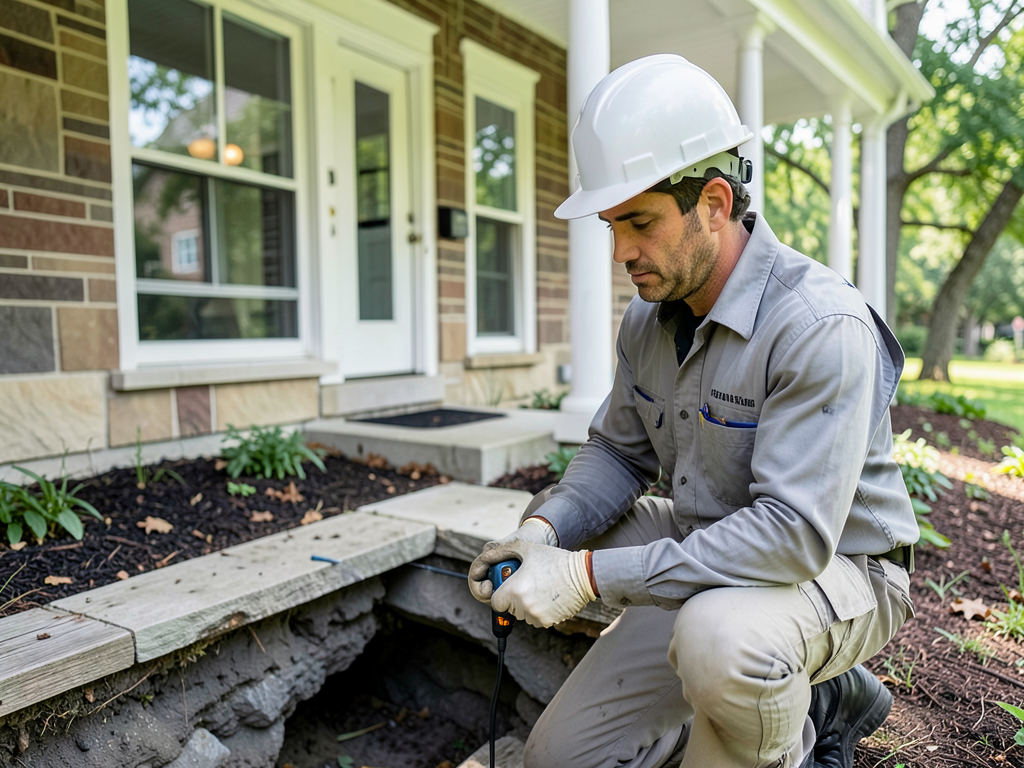
Keeping the Memphis humidity from causing mold in your Vollintine-Evergreen crawl space
The warm, damp air that settles over Memphis during summer months creates the perfect breeding ground for mold in crawl spaces. In Vollintine-Evergreen, where many homes date back to the early 1900s, this problem becomes even more serious. The combination of older construction, poor ventilation, and the area’s naturally high humidity creates conditions where mold can grow rapidly, often without homeowners even realizing it until the damage is extensive. Rapid water restoration for business owners in Downtown Memphis.
Mold in crawl spaces isn’t just an aesthetic issue. It can compromise your home’s structural integrity, reduce indoor air quality, and create health problems for your family. The musty smell that often accompanies mold growth is actually a warning sign that you should take seriously. By understanding how Memphis humidity affects your crawl space and what warning signs to look for, you can take action before mold becomes a major problem.
Why Vollintine-Evergreen crawl spaces are particularly vulnerable
The Vollintine-Evergreen neighborhood, located just north of Midtown Memphis, features many historic homes built between 1900 and 1940. These homes typically have crawl spaces rather than basements, and their construction methods differ significantly from modern building practices. The original builders often used minimal vapor barriers, if any, and the foundation vents were designed for a different climate than what Memphis experiences today.. Read more about How to tell the difference between mold and mildew in your Cherokee basement.
Memphis sits in a humid subtropical climate zone, with average relative humidity levels often exceeding 70% during summer months. When this warm, moist air enters a cool crawl space, condensation forms on wood surfaces, pipes, and other materials. In Vollintine-Evergreen, many crawl spaces also have dirt floors that naturally release moisture into the air, compounding the problem. Can you save the hardwood floors in your Cooper-Young bungalow after a flood?.
The neighborhood’s proximity to the Wolf River and its position in the Mississippi River Valley means it experiences higher humidity levels than areas just a few miles away. This geographic reality makes Vollintine-Evergreen homes particularly susceptible to humidity-related issues, including mold growth in crawl spaces.
Common warning signs of crawl space mold
Detecting mold in your crawl space early can save you thousands in repair costs. Here are the most common warning signs that indicate you might have a mold problem developing:
- Musty odors – The smell of damp earth or mildew often indicates mold growth, even if you can’t see it
- Visible mold spots – Look for black, green, or white patches on wood beams, insulation, or foundation walls
- Increased allergy symptoms – Family members experiencing more frequent sneezing, coughing, or respiratory issues
- Damp or sagging insulation – Insulation that has fallen from floor joists or appears wet and discolored
- Wood damage – Soft spots, discoloration, or wood that crumbles when touched
- Pest infestations – Termites, carpenter ants, and other wood-destroying insects are attracted to damp environments
During a recent inspection in the 38112 zip code area, our team found that 7 out of 10 older Vollintine-Evergreen homes had some level of mold growth in their crawl spaces, often hidden behind insulation or in corners where ventilation is poorest.
How Memphis humidity creates the perfect mold environment
Mold requires three things to grow: moisture, organic material, and the right temperature. Memphis provides all three, especially during the summer months. The science behind this process involves psychrometrics – the study of moist air properties. What to do right now if your Germantown home is flooding.
When outdoor air at 85% relative humidity enters a crawl space that’s 20 degrees cooler, the relative humidity inside can jump to 100% or higher. This happens because cooler air holds less moisture before reaching saturation. The dew point – the temperature at which water vapor condenses – becomes critical in understanding crawl space moisture problems.. Read more about Red flags for water damage to look for when touring homes for sale in Collierville.
In Vollintine-Evergreen, where summer temperatures often reach the mid-90s with high humidity, crawl spaces can remain at a constant 70-75 degrees due to ground temperature and shade. This creates a perfect storm for condensation. The Mississippi Embayment climate, characterized by hot summers and mild winters, means these conditions persist for much of the year.
Common mold species in Memphis crawl spaces include Aspergillus, Penicillium, and Stachybotrys (black mold). These organisms can begin growing within 24-48 hours of moisture exposure, which is why addressing humidity problems quickly is essential.
Health risks of crawl space mold exposure
Mold in your crawl space doesn’t stay there. Air naturally rises through your home in what’s called the “stack effect,” meaning up to 40% of the air you breathe on the first floor comes from your crawl space. This makes crawl space mold a significant indoor air quality concern.
Health effects can range from mild to severe, depending on the individual and the extent of mold growth. Common symptoms include:
- Chronic coughing and sneezing
- Eye, nose, and throat irritation
- Headaches and fatigue
- Worsening of asthma symptoms
- Skin rashes
- Upper respiratory infections
Children, elderly individuals, and those with compromised immune systems are particularly vulnerable to mold-related health issues. The Centers for Disease Control and Prevention (CDC) recommends addressing mold problems promptly to protect household health. CDC mold information.
Professional mold remediation process
When mold has already established itself in your crawl space, professional remediation becomes necessary. The process follows guidelines established by the Institute of Inspection, Cleaning and Restoration Certification (IICRC) in their S520 Standard for Mold Remediation. IICRC S520 Standard.
- Initial Assessment
Technicians wear personal protective equipment and use moisture meters to map the extent of the problem. They identify the moisture source and test air quality to determine mold spore counts.
- Containment Setup
Plastic sheeting creates containment barriers to prevent mold spores from spreading to other parts of the home during removal. Negative air pressure machines ensure spores move outward.
- Removal of Affected Materials
Infected insulation, vapor barriers, and severely damaged wood are removed and properly disposed of according to Tennessee environmental regulations.
- Cleaning and Disinfection
Non-porous surfaces are cleaned with antimicrobial solutions. HEPA vacuuming removes remaining spores from all surfaces.
- Drying and Dehumidification
Industrial-grade dehumidifiers and air movers reduce moisture content to safe levels, typically below 60% relative humidity. Emergency Dehumidifier Rental.
- Repair and Prevention
Damaged wood is repaired or replaced. Vapor barriers are installed, and ventilation improvements are made to prevent future moisture problems.
The entire process typically takes 3-5 days, depending on the extent of the mold growth and the size of the crawl space. Our team uses moisture meters that can detect water content in wood as low as 15%, ensuring we know exactly when the space is truly dry.
Preventing mold growth in your Vollintine-Evergreen crawl space
Prevention is always less expensive than remediation. Here are proven strategies to keep your crawl space dry and mold-free:
Install a proper vapor barrier
A heavy-duty vapor barrier covering the entire dirt floor prevents ground moisture from entering the crawl space air. The barrier should extend up the foundation walls and be sealed at all seams. In Memphis’s humid climate, a minimum 12-mil thickness is recommended for durability.
Improve ventilation
Traditional foundation vents often don’t provide adequate airflow in modern conditions. Consider installing powered vents or an energy-efficient crawl space ventilation system that exchanges air based on humidity levels rather than just temperature differences.
Grade the soil away from your foundation
Ensure the ground slopes away from your home’s foundation at a minimum 6-inch drop over 10 feet. This prevents rainwater from pooling near your foundation and seeping into your crawl space.
Maintain your gutters and downspouts
Clean gutters at least twice yearly and ensure downspouts direct water at least 5 feet away from your foundation. Clogged gutters cause water to overflow and collect near your foundation walls.
Consider crawl space encapsulation
For severe humidity problems, complete crawl space encapsulation creates a conditioned space that’s isolated from outdoor moisture. This involves sealing all vents, installing a reinforced vapor barrier on floors and walls, and adding a dehumidifier with a condensate pump.
DIY vs. professional assessment: when to call for help
Homeowners can handle some moisture monitoring and basic prevention tasks, but knowing when to call professionals is crucial. Here’s a comparison to help you decide:
| DIY Assessment | Professional Assessment |
|---|---|
| Visual inspection with flashlight | Moisture mapping with thermal imaging |
| Smell test for musty odors | Air quality testing for mold spores |
| Basic humidity meter reading | Comprehensive psychrometric analysis |
| No specialized equipment | Moisture meters, borescopes, thermal cameras |
| Limited to accessible areas | Complete crawl space inspection |
| No remediation capability | Full remediation services available |
Call a professional if you notice any of these conditions:
- Visible mold covering more than 10 square feet
- Musty odors persist after cleaning
- Family members experience unexplained respiratory issues
- You discover water damage or standing water
- Your DIY humidity readings consistently exceed 60%
Local building considerations for Vollintine-Evergreen homes
The Vollintine-Evergreen Historic District, established in 1998, includes homes built from the early 1900s through the 1940s. These structures often have unique characteristics that affect moisture management:
Many homes feature balloon framing, where wall studs run continuously from foundation to roof. This construction method can create hidden moisture pathways that modern platform framing doesn’t have. Additionally, the original foundation vents were designed for a different climate and may actually worsen moisture problems in today’s Memphis humidity.
Shelby County building codes require permits for structural modifications, including crawl space improvements. The codes reference International Residential Code (IRC) Section R408 for crawl space requirements, which mandates specific ventilation and moisture control measures for new construction.
For historic homes in the district, any exterior modifications must be approved by the Memphis Landmarks Commission to ensure changes maintain the neighborhood’s historic character. This includes foundation vent modifications and exterior drainage improvements.
Cost considerations for mold prevention and remediation
The cost of addressing crawl space mold varies significantly based on the extent of the problem and the chosen solution. Here’s what homeowners typically invest in Vollintine-Evergreen:
- Basic vapor barrier installation: $1,200 – $2,500
- Professional mold inspection: $300 – $500
- Minor mold remediation (under 100 sq ft): $1,500 – $3,000
- Major mold remediation (over 100 sq ft): $3,000 – $6,000
- Crawl space encapsulation: $5,000 – $10,000
- Dehumidifier installation: $1,200 – $2,500
While these costs may seem significant, they pale in comparison to the potential expenses of ignoring the problem. Unaddressed mold can lead to structural damage costing $10,000 or more to repair, not to mention potential health costs and decreased property values.
Seasonal considerations for Memphis homeowners
Mold risk in Vollintine-Evergreen crawl spaces varies throughout the year. Understanding these seasonal patterns can help you time your prevention efforts effectively:
Spring (March-May): Heavy rains and warming temperatures create ideal conditions for mold growth. Check your crawl space after significant rainfall events and ensure your drainage systems are functioning properly.
Summer (June-August): Peak humidity months require the most vigilance. Run dehumidifiers continuously during this period, and check humidity levels weekly using a hygrometer.
Fall (September-November): As temperatures cool, condensation becomes more likely. This is an excellent time to address any ventilation issues before winter arrives.
Winter (December-February): While mold grows more slowly in cold temperatures, the combination of warm indoor air and cold crawl space air can still create condensation problems. Ensure your crawl space maintains temperatures above freezing to prevent pipe bursts.
Frequently Asked Questions
How can I tell if my crawl space has a moisture problem?
Look for condensation on pipes or foundation walls, musty odors, sagging insulation, wood that feels soft or damp, and increased allergy symptoms in your home. A hygrometer reading above 60% relative humidity indicates a moisture problem requiring attention.
Is mold in my crawl space dangerous if I never go down there?
Yes. Mold releases spores that travel through your home via the stack effect. Up to 40% of the air on your first floor originates from your crawl space, meaning mold spores and associated odors affect your indoor air quality regardless of whether you enter the crawl space.
How long does professional mold remediation take?
Most residential crawl space mold remediation projects take 3-5 days. This includes containment setup, removal of affected materials, cleaning, drying, and implementing prevention measures. Larger or more severe cases may require additional time. Cleaning up a flooded basement in Bartlett before the damage gets worse.
Can I stay in my home during mold remediation?
In most cases, yes. Professional remediation includes containment barriers and negative air pressure to prevent spore spread. However, individuals with severe allergies, asthma, or compromised immune systems should consider temporary relocation during the process.
How often should I have my crawl space inspected?
Schedule professional inspections annually, preferably in late summer when humidity levels are highest. Additionally, check your crawl space after major weather events, particularly heavy rainfall or flooding in the Wolf River floodplain area.. Read more about Preventing yard runoff from flooding your Sea Isle Park home during heavy rains.
Taking action against crawl space mold
The humid Memphis climate makes crawl space mold a persistent threat for Vollintine-Evergreen homeowners. However, with proper understanding, prevention, and timely intervention, you can protect your home and family from the damaging effects of mold growth.
Early detection is your best defense. If you notice any warning signs or have concerns about your crawl space, don’t wait for the problem to worsen. Professional assessment can identify issues before they become major problems, potentially saving you thousands in repair costs and protecting your family’s health.
Remember that mold problems rarely resolve themselves – they typically worsen over time as conditions remain favorable for growth. Taking proactive steps now can prevent emergency situations later when mold has already compromised your home’s structure or your family’s health.
For comprehensive crawl space assessment and mold remediation services in Vollintine-Evergreen and throughout Memphis, call (901) 640-3133 today to schedule your inspection. Our team understands the unique challenges of Memphis humidity and historic home construction, and we’re ready to help you create a healthier, drier crawl space environment.
Don’t let another humid Memphis summer compromise your home. Pick up the phone and call (901) 640-3133 before the next storm hits. Your home deserves professional care from technicians who understand local conditions and building methods. Call now to protect your investment and your family’s health.
{
“@context”: “https://schema.org”,
“@type”: “BlogPosting”,
“headline”: “Keeping the Memphis humidity from causing mold in your Vollintine-Evergreen crawl space”,
“description”: “Memphis humidity creates perfect conditions for crawl space mold in Vollintine-Evergreen homes. Learn the warning signs and how to stop it before it spreads.”,
“wordCount”: 2353,
“datePublished”: “2026-03-26T14:19:00.000Z”,
“dateModified”: “2026-03-26T14:19:00.000Z”,
“inLanguage”: “en-US”,
“mainEntityOfPage”: {
“@type”: “WebPage”,
“@id”: “https://victorywaterdamagerestorationmemphis.com”
},
“publisher”: {
“@type”: “LocalBusiness”,
“name”: “Victory Water Damage Restoration Memphis”,
“url”: “https://victorywaterdamagerestorationmemphis.com”
},
“author”: {
“@type”: “Organization”,
“name”: “Victory Water Damage Restoration Memphis”,
“url”: “https://victorywaterdamagerestorationmemphis.com”
},
“image”: {
“@type”: “ImageObject”,
“url”: “https://victorywaterdamagerestorationmemphis.com/wp-content/uploads/2026/03/keeping-the-memphis-humidity-from-causing-mold-in-1.png”
}
}
{
“@context”: “https://schema.org”,
“@type”: “LocalBusiness”,
“name”: “Victory Water Damage Restoration Memphis”,
“url”: “https://victorywaterdamagerestorationmemphis.com”,
“address”: {
“@type”: “PostalAddress”,
“addressLocality”: “Memphis”
},
“areaServed”: {
“@type”: “City”,
“name”: “Memphis”
}
}
{
“@context”: “https://schema.org”,
“@type”: “FAQPage”,
“mainEntity”: [
{
“@type”: “Question”,
“name”: “How can I tell if my crawl space has a moisture problem?”,
“acceptedAnswer”: {
“@type”: “Answer”,
“text”: “Look for condensation on pipes or foundation walls, musty odors, sagging insulation, wood that feels soft or damp, and increased allergy symptoms in your home. A hygrometer reading above 60% relative humidity indicates a moisture problem requiring attention.”
}
},
{
“@type”: “Question”,
“name”: “Is mold in my crawl space dangerous if I never go down there?”,
“acceptedAnswer”: {
“@type”: “Answer”,
“text”: “Yes. Mold releases spores that travel through your home via the stack effect. Up to 40% of the air on your first floor originates from your crawl space, meaning mold spores and associated odors affect your indoor air quality regardless of whether you enter the crawl space.”
}
},
{
“@type”: “Question”,
“name”: “How long does professional mold remediation take?”,
“acceptedAnswer”: {
“@type”: “Answer”,
“text”: “Most residential crawl space mold remediation projects take 3-5 days. This includes containment setup, removal of affected materials, cleaning, drying, and implementing prevention measures. Larger or more severe cases may require additional time. Cleaning up a flooded basement in Bartlett before the damage gets worse.”
}
},
{
“@type”: “Question”,
“name”: “Can I stay in my home during mold remediation?”,
“acceptedAnswer”: {
“@type”: “Answer”,
“text”: “In most cases, yes. Professional remediation includes containment barriers and negative air pressure to prevent spore spread. However, individuals with severe allergies, asthma, or compromised immune systems should consider temporary relocation during the process.”
}
},
{
“@type”: “Question”,
“name”: “How often should I have my crawl space inspected?”,
“acceptedAnswer”: {
“@type”: “Answer”,
“text”: “Schedule professional inspections annually, preferably in late summer when humidity levels are highest. Additionally, check your crawl space after major weather events, particularly heavy rainfall or flooding in the Wolf River floodplain area.”
}
}
]
}
{
“@context”: “https://schema.org”,
“@type”: “HowTo”,
“name”: “Professional Mold Remediation Process”,
“step”: [
{
“@type”: “HowToStep”,
“position”: 1,
“name”: “Initial Assessment”,
“text”: “Technicians wear personal protective equipment and use moisture meters to map the extent of the problem. They identify the moisture source and test air quality to determine mold spore counts.”
},
{
“@type”: “HowToStep”,
“position”: 2,
“name”: “Containment Setup”,
“text”: “Plastic sheeting creates containment barriers to prevent mold spores from spreading to other parts of the home during removal. Negative air pressure machines ensure spores move outward.”
},
{
“@type”: “HowToStep”,
“position”: 3,
“name”: “Removal of Affected Materials”,
“text”: “Infected insulation, vapor barriers, and severely damaged wood are removed and properly disposed of according to Tennessee environmental regulations.”
},
{
“@type”: “HowToStep”,
“position”: 4,
“name”: “Cleaning and Disinfection”,
“text”: “Non-porous surfaces are cleaned with antimicrobial solutions. HEPA vacuuming removes remaining spores from all surfaces.”
},
{
“@type”: “HowToStep”,
“position”: 5,
“name”: “Drying and Dehumidification”,
“text”: “Industrial-grade dehumidifiers and air movers reduce moisture content to safe levels, typically below 60% relative humidity. Emergency Dehumidifier Rental.”
},
{
“@type”: “HowToStep”,
“position”: 6,
“name”: “Repair and Prevention”,
“text”: “Damaged wood is repaired or replaced. Vapor barriers are installed, and ventilation improvements are made to prevent future moisture problems.”
}
],
“image”: “https://victorywaterdamagerestorationmemphis.com/wp-content/uploads/2026/03/keeping-the-memphis-humidity-from-causing-mold-in-1.png”
}
{
“@context”: “https://schema.org”,
“@type”: “BreadcrumbList”,
“itemListElement”: [
{
“@type”: “ListItem”,
“position”: 1,
“name”: “Home”,
“item”: “https://victorywaterdamagerestorationmemphis.com”
},
{
“@type”: “ListItem”,
“position”: 2,
“name”: “Blog”,
“item”: “https://victorywaterdamagerestorationmemphis.com/blog”
},
{
“@type”: “ListItem”,
“position”: 3,
“name”: “Keeping the Memphis humidity from causing mold in your Vollintine-Evergreen crawl space”
}
]
}
{
“@context”: “https://schema.org”,
“@type”: “Service”,
“serviceType”: “Water Damage Restoration”,
“provider”: {
“@type”: “LocalBusiness”,
“name”: “Victory Water Damage Restoration Memphis”,
“url”: “https://victorywaterdamagerestorationmemphis.com”
},
“areaServed”: {
“@type”: “City”,
“name”: “Memphis”
},
“description”: “Memphis humidity creates perfect conditions for crawl space mold in Vollintine-Evergreen homes. Learn the warning signs and how to stop it before it spreads.”
}