
Why Air Quality Testing is a Vital Final Step for Your Medical District Property
After water damage or mold remediation in your Medical District property, you need more than just a visual inspection to confirm your space is safe. Air quality testing serves as the critical final verification that harmful contaminants have been properly removed and your indoor environment meets health standards. This process isn’t optional—it’s essential for protecting occupants, meeting insurance requirements, and ensuring long-term building integrity. Rapid water restoration for business owners in Downtown Memphis.
The Medical District presents unique challenges due to its concentration of healthcare facilities, research laboratories, and sensitive environments where air quality directly impacts human health. Whether you’re managing a medical office building, research facility, or multi-family property in this area, professional air quality testing provides the documented proof that your restoration work has been completed to the highest standards.
Professional air quality testing in the Medical District follows strict protocols established by the IICRC S520 Standard for mold remediation and the EPA’s indoor air quality guidelines. These standards require systematic sampling, laboratory analysis, and comparison against baseline measurements to determine if your property has returned to a normal fungal ecology or if additional remediation is needed. EPA Mold Resources.
The testing process involves collecting air samples from both indoor and outdoor environments, then comparing the spore counts and species composition. This comparison reveals whether remediation efforts have successfully eliminated contamination sources or if hidden problems persist that could compromise occupant health and building systems.. Read more about Finding the source of attic moisture in your Raleigh-LaGrange home during the humid summer.
Medical District properties face specific environmental pressures including high humidity levels from the Mississippi River basin, aging HVAC systems in historic buildings, and the constant flow of people and equipment that can introduce contaminants. These factors make professional testing not just advisable but necessary for maintaining compliance with health department regulations and insurance carrier requirements.
Without proper air quality verification, you risk leaving behind microscopic contaminants that can cause respiratory issues, allergic reactions, and long-term health problems. The invisible nature of these threats makes professional testing the only reliable way to confirm your restoration work has achieved its intended outcome. How to choose a reliable water damage restoration company in Memphis.
The Critical Role of Post-Remediation Verification in Healthcare Settings
Healthcare facilities and medical offices in the Medical District operate under heightened scrutiny regarding indoor air quality. Patients with compromised immune systems, individuals recovering from surgery, and healthcare workers spending extended hours indoors all require environments free from airborne contaminants that could complicate recovery or cause illness.
Post-remediation verification testing becomes particularly crucial in these settings because standard visual inspections cannot detect microscopic mold spores, bacterial contamination, or volatile organic compounds that may remain after cleanup efforts. These invisible threats can persist in HVAC systems, wall cavities, and other hidden spaces where moisture damage occurred.
The testing process for healthcare facilities typically includes comprehensive sampling protocols that examine multiple areas of the property, including patient rooms, waiting areas, laboratories, and mechanical rooms. Each sampling location provides data about specific contamination risks unique to that space’s function and usage patterns.
Medical facilities must also consider the impact of remediation chemicals and antimicrobial treatments used during the restoration process. These substances can leave behind volatile organic compounds that require specialized testing to detect and verify they’ve dissipated to safe levels before reoccupancy.
The documentation generated through professional testing serves multiple purposes: it satisfies insurance requirements for claim completion, provides legal protection in case of future liability claims, and creates a baseline for ongoing indoor air quality monitoring in sensitive healthcare environments.
Understanding the Air Quality Testing Process Step by Step
Professional air quality testing follows a systematic approach that begins with a thorough visual inspection of the property. Certified technicians examine all areas where water damage occurred, looking for signs of remaining moisture, visible mold growth, or conditions that could support microbial activity.
During the visual inspection, technicians use moisture meters and thermal imaging cameras to detect hidden water sources that could fuel ongoing contamination. These diagnostic tools reveal problems behind walls, under flooring, and in ceiling cavities where the naked eye cannot see.
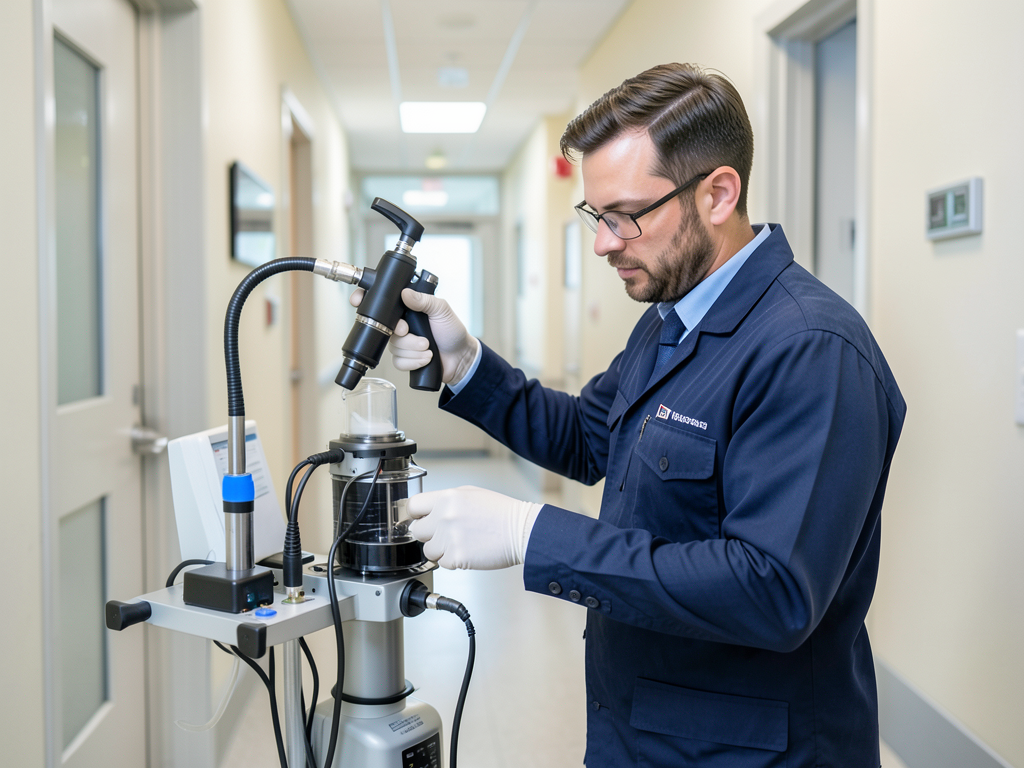
The sampling phase involves collecting air samples using specialized equipment that captures airborne particles on collection media. Technicians typically collect samples from multiple locations throughout the property, including areas where remediation work was performed and control locations in unaffected spaces.
Outdoor air samples serve as the baseline comparison, establishing what constitutes normal fungal ecology for the Memphis area. This baseline is crucial because some mold species naturally occur outdoors and can enter buildings through normal air exchange.
Surface sampling may also be conducted using swabs or tape lifts to test specific areas where visible contamination was observed or where moisture damage occurred. These samples provide additional data about the types and concentrations of contaminants present.
All samples are carefully labeled, documented, and shipped to independent laboratories accredited by organizations such as AIHA or NVLAP. The laboratory analysis typically takes 24-48 hours, during which samples are examined under microscopes and analyzed for species identification and concentration levels.
Interpreting Your Air Quality Test Results
Professional air quality reports provide detailed information about the types and concentrations of airborne particles detected in your property. The report compares indoor sample results against outdoor baseline measurements and establishes whether your indoor environment falls within acceptable parameters.
Normal fungal ecology is characterized by spore counts and species diversity similar to outdoor samples, with no dominant species that would indicate active mold growth. The report will identify any species present and their relative concentrations, helping you understand what’s normal for Memphis buildings.
Elevated spore counts or unusual species combinations may indicate ongoing contamination sources that require additional remediation. Common issues in Memphis properties include elevated levels of Aspergillus and Penicillium species, which thrive in the region’s humid climate and can indicate water damage or moisture problems.
The report also examines the ratio between different mold types, as certain combinations can be more problematic than individual species. For example, Stachybotrys chartarum (black mold) often appears alongside other moisture-loving species and requires specific remediation protocols.
Beyond mold analysis, comprehensive testing may include VOC measurements to detect chemical contaminants from building materials, cleaning products, or remediation chemicals. Elevated VOC levels can cause respiratory irritation and other health effects even when mold levels are acceptable. Cleaning up a flooded basement in Bartlett before the damage gets worse.
The final determination in your report will indicate whether your property passes clearance standards established by the IICRC S520 or other relevant guidelines. A passing report provides the documentation needed to close insurance claims and resume normal occupancy. IICRC S520 Standard.
Memphis-Specific Environmental Factors Affecting Air Quality
The Medical District’s location in the Mississippi River floodplain creates unique air quality challenges that require specialized testing approaches. Memphis experiences high humidity levels throughout much of the year, with average relative humidity often exceeding 70% during summer months.
This persistent moisture in the air creates ideal conditions for mold growth and can cause previously remediated areas to become recontaminated if not properly addressed. The testing process must account for these environmental factors when establishing clearance criteria and interpreting results.
Memphis’s aging building stock, particularly in historic Medical District properties, presents additional challenges. Many buildings feature construction methods and materials that can trap moisture, making thorough testing essential to identify hidden contamination sources that could compromise remediation efforts.
The region’s clay soil composition and high water table contribute to basement and crawl space moisture issues that can affect overall building air quality. Testing must consider these site-specific factors when evaluating whether remediation has been successful.. Read more about Getting rid of the damp basement smell in your Hein Park home for good.
Seasonal weather patterns in Memphis, including heavy spring rains and occasional flooding, can introduce new moisture sources that affect air quality. Professional testing accounts for these seasonal variations and may recommend additional monitoring during high-risk periods.
Local construction practices and building codes specific to Shelby County also influence air quality testing requirements. Understanding these local factors helps ensure testing protocols align with regional building science principles and regulatory expectations.
The Importance of Third-Party Laboratory Validation
Independent laboratory analysis forms the cornerstone of credible air quality testing. Using third-party laboratories accredited by organizations like AIHA or NVLAP ensures your results are unbiased and meet industry standards for accuracy and reliability.
Independent analysis eliminates potential conflicts of interest that could arise if the same company performing remediation also conducts clearance testing. This separation of services maintains the integrity of the testing process and provides defensible documentation for insurance claims and regulatory compliance.
Accredited laboratories follow strict chain-of-custody procedures to ensure sample integrity from collection through analysis. This documentation creates a verifiable record that your test results are based on properly handled samples and scientifically valid procedures.
The laboratory’s quality control processes include running control samples alongside your test samples to verify analytical accuracy. These controls help identify any issues with sample handling or analysis that could affect your results.
Professional testing companies maintain relationships with multiple accredited laboratories to ensure consistent service availability and access to specialized testing capabilities when needed. This network approach provides redundancy and ensures you receive timely results regardless of laboratory workload.
The cost of independent laboratory analysis is typically included in professional testing services, as it represents a necessary component of providing credible, defensible results that meet industry standards and regulatory requirements.
What Happens If Your Property Fails Air Quality Testing
Receiving a failing air quality report doesn’t mean your restoration efforts have failed—it means additional work is needed to achieve a safe, healthy environment. Understanding the next steps helps you respond effectively and minimize delays in returning your property to normal use.
The first step after a failing report is identifying the specific issues causing the failure. Your testing professional will review the laboratory results with you, explaining which parameters exceeded acceptable levels and what these findings indicate about remaining contamination sources.
Common causes of failing results include incomplete moisture removal, hidden mold growth in wall cavities or HVAC systems, or elevated VOC levels from remediation chemicals. Each issue requires a specific remediation approach tailored to the contamination source.
Additional remediation may involve targeted cleaning of specific areas, HVAC system cleaning and sanitization, or more extensive demolition and reconstruction of affected building components. The scope of additional work depends on the severity and location of remaining contamination.
After completing additional remediation, retesting is necessary to verify that the additional work has resolved the issues identified in the initial test. This retesting follows the same protocols as the original testing to ensure consistent, comparable results.
Insurance coverage for retesting and additional remediation varies by policy and the specific circumstances of your water damage claim. Your testing professional can help you understand what documentation is needed to support additional insurance claims for failed clearance testing.
The key to successful resolution is addressing the specific issues identified in your test results rather than assuming general cleaning will solve the problem. Targeted remediation based on laboratory data provides the most efficient path to passing clearance testing.
Cost Factors and Value of Professional Air Quality Testing
Professional air quality testing represents a modest investment compared to the potential costs of unresolved contamination or failed insurance claims. Understanding the cost structure helps you budget appropriately and recognize the value this service provides for your property and occupants.
Testing costs typically range based on property size, number of sampling locations, and the complexity of the testing protocol required. Medical District properties often require more extensive sampling due to their size, multiple occupancy types, and sensitive use requirements.
Basic residential testing might cost between $300-$600, while comprehensive commercial testing for larger Medical District properties can range from $1,000-$3,000 or more. These costs include laboratory analysis, technician time, and detailed reporting.
Additional costs may apply for specialized testing such as VOC analysis, asbestos testing, or bacterial contamination screening. These services are often recommended for healthcare facilities or properties with specific contamination concerns.
The value of professional testing extends beyond the immediate verification of remediation success. It provides documented proof for insurance claims, creates liability protection for property owners, and establishes baseline data for ongoing indoor air quality management.
Insurance companies increasingly require professional testing before releasing claim payments for water damage and mold remediation. The cost of testing is often offset by faster claim resolution and reduced risk of coverage disputes over restoration quality.
Professional testing also helps prevent costly callbacks and litigation by ensuring remediation work meets industry standards the first time. The investment in proper testing typically saves money compared to the expenses of unresolved contamination problems discovered months or years later.
Choosing the Right Air Quality Testing Professional
Selecting a qualified air quality testing professional requires careful consideration of credentials, experience, and approach to testing. The right professional brings expertise in both the technical aspects of testing and the practical considerations of working in Medical District properties. What to do right now if your Germantown home is flooding.
Look for professionals certified by organizations such as the American Council for Accredited Certification (ACAC) or those holding Certified Industrial Hygienist (CIH) credentials. These certifications demonstrate advanced knowledge of air quality testing principles and industry best practices.
Experience in the Memphis area is particularly valuable because local environmental conditions, building practices, and regulatory requirements differ from other regions. A professional familiar with Medical District properties understands the specific challenges these buildings present.
Ask potential testing professionals about their laboratory partnerships and accreditation status. Reputable companies work with multiple accredited laboratories and can explain their quality control procedures and turnaround time expectations.
The testing professional should provide clear documentation of their testing protocols, including sampling methods, laboratory procedures, and reporting formats. This transparency helps you understand exactly what will be tested and how results will be interpreted.
Professional testing companies should be willing to explain their conflict of interest policies, particularly regarding relationships with remediation contractors. Independent testing ensures unbiased results and maintains the integrity of the clearance process.
Request references from other Medical District property owners or healthcare facilities that have used their services. Experience with similar properties demonstrates the professional’s ability to handle the specific requirements of your building type.
Maintaining Indoor Air Quality After Clearance Testing
Passing air quality clearance testing is just the beginning of maintaining a healthy indoor environment. Implementing ongoing monitoring and maintenance practices helps prevent future contamination issues and protects your investment in professional remediation.
Regular HVAC system maintenance is crucial for maintaining good air quality, particularly in Medical District properties where systems often serve multiple occupancy types. Professional cleaning and filter replacement prevent the recirculation of contaminants through building air handling systems.
Humidity control plays a vital role in preventing mold growth and maintaining air quality. Maintaining relative humidity between 30-50% helps inhibit microbial growth while providing comfortable conditions for occupants.
Periodic visual inspections of areas prone to moisture problems can identify potential issues before they become serious contamination sources. Pay particular attention to roof penetrations, plumbing fixtures, and areas where water damage previously occurred.
Consider implementing a building air quality monitoring program that includes periodic testing to establish trends and identify developing problems. This proactive approach can prevent small issues from becoming major contamination events.
Educate building occupants and maintenance staff about signs of moisture problems and proper reporting procedures. Early detection of water leaks or moisture accumulation allows for rapid response before contamination develops.
Document all maintenance activities, testing results, and remediation work to create a comprehensive history of your property’s air quality management. This documentation proves valuable for insurance purposes and helps identify patterns that may indicate systemic issues.
Frequently Asked Questions
How long does air quality testing take in a Medical District property?
Most testing procedures require 2-4 hours for sample collection, depending on property size and complexity. Laboratory analysis typically takes 24-48 hours, with results available within 3-5 business days total. Emergency rush services may be available for urgent situations. Emergency Dehumidifier Rental.
Will air quality testing disrupt my medical practice operations?
Professional testing is designed to minimize disruption to your operations. Technicians work efficiently and can often complete testing during off-hours or in phases to accommodate patient care schedules. The process is quiet and non-invasive, requiring no building shutdowns.
What certifications should I look for in an air quality testing professional?
Look for certifications from organizations like ACAC (Council-certified Indoor Environmentalist or Microbial Investigator), CIH (Certified Industrial Hygienist), or IAQA (Indoor Air Quality Association). These credentials demonstrate advanced training and adherence to industry standards.
How often should Medical District properties undergo air quality testing?
Testing is recommended after any water damage event, before major renovations, or when occupants report health concerns. For ongoing monitoring, annual testing or testing after significant weather events provides baseline data for trend analysis and early problem detection.
Does insurance cover air quality testing costs?
Most insurance policies cover testing as part of water damage and mold remediation claims. Testing is often required by insurance companies before releasing final claim payments. Check your specific policy or consult with your insurance provider about coverage details.
- Document Water Damage
Take photos of all affected areas and note when damage occurred. This information helps the testing professional determine appropriate sampling locations and protocols.
- Contact Certified Testing Professional
Call (901) 640-3133 to speak with our certified air quality specialists. We’ll discuss your specific situation and provide a detailed testing plan.
- Schedule Testing Appointment
Arrange testing at a convenient time, often during off-hours for medical facilities. We’ll work around your schedule to minimize disruption.
- Prepare Property for Testing
Ensure access to all areas and avoid using cleaning products or air fresheners 24 hours before testing. This prevents interference with sample accuracy.
- Receive and Review Results
Get detailed laboratory reports within 3-5 business days. We’ll explain all findings and provide recommendations for any needed remediation.
Protect Your Medical District Investment with Professional Air Quality Testing
Air quality testing represents the final, critical step in ensuring your Medical District property is truly safe after water damage or remediation work. This professional verification provides the documented proof you need to protect occupants, satisfy insurance requirements, and maintain your property’s value.
The unique environmental challenges of Memphis, combined with the sensitive nature of healthcare facilities in the Medical District, make professional testing not just advisable but essential. From high humidity levels to aging building infrastructure, multiple factors can compromise indoor air quality if not properly addressed.
Don’t leave the safety of your property and its occupants to chance. Professional air quality testing provides the scientific data and expert analysis needed to make informed decisions about your building’s health and safety. The peace of mind that comes from knowing your indoor environment meets established standards is invaluable.
Our certified technicians use state-of-the-art equipment and follow industry-standard protocols to ensure accurate, reliable results. We partner with accredited independent laboratories to provide unbiased analysis and comprehensive reporting that meets insurance and regulatory requirements.
Whether you’re managing a medical office building, research facility, or multi-family property in the Medical District, professional air quality testing is your best defense against hidden contamination and its associated health risks. Take the final step in protecting your investment and the people who depend on your property.
Call (901) 640-3133 today to schedule your air quality testing. Our certified professionals are ready to help you achieve the clearance documentation you need with fast, reliable service that puts your safety first. Don’t wait until health issues arise—verify your indoor air quality now and ensure your Medical District property is truly safe for occupancy.
Pick up the phone and call (901) 640-3133 before the next storm hits. Professional air quality testing is the smart choice for protecting your property, your occupants, and your peace of mind in Memphis’s challenging climate.
{
“@context”: “https://schema.org”,
“@type”: “BlogPosting”,
“headline”: “Why air quality testing is a vital final step for your Medical District property”,
“description”: “Discover why professional air quality testing is essential after water damage in Memphis’ Medical District. Ensure your property is safe with certified clearance testing.”,
“wordCount”: 3281,
“datePublished”: “2026-05-04T08:58:00.000Z”,
“dateModified”: “2026-05-04T08:58:00.000Z”,
“inLanguage”: “en-US”,
“mainEntityOfPage”: {
“@type”: “WebPage”,
“@id”: “https://victorywaterdamagerestorationmemphis.com”
},
“publisher”: {
“@type”: “LocalBusiness”,
“name”: “Victory Water Damage Restoration Memphis”,
“url”: “https://victorywaterdamagerestorationmemphis.com”
},
“author”: {
“@type”: “Organization”,
“name”: “Victory Water Damage Restoration Memphis”,
“url”: “https://victorywaterdamagerestorationmemphis.com”
},
“image”: {
“@type”: “ImageObject”,
“url”: “https://victorywaterdamagerestorationmemphis.com/wp-content/uploads/2026/03/why-air-quality-testing-is-a-vital-final-step-for-1.png”
}
}
{
“@context”: “https://schema.org”,
“@type”: “LocalBusiness”,
“name”: “Victory Water Damage Restoration Memphis”,
“url”: “https://victorywaterdamagerestorationmemphis.com”,
“address”: {
“@type”: “PostalAddress”,
“addressLocality”: “Memphis”
},
“areaServed”: {
“@type”: “City”,
“name”: “Memphis”
}
}
{
“@context”: “https://schema.org”,
“@type”: “FAQPage”,
“mainEntity”: [
{
“@type”: “Question”,
“name”: “How long does air quality testing take in a Medical District property?”,
“acceptedAnswer”: {
“@type”: “Answer”,
“text”: “Most testing procedures require 2-4 hours for sample collection, depending on property size and complexity. Laboratory analysis typically takes 24-48 hours, with results available within 3-5 business days total. Emergency rush services may be available for urgent situations. Emergency Dehumidifier Rental.”
}
},
{
“@type”: “Question”,
“name”: “Will air quality testing disrupt my medical practice operations?”,
“acceptedAnswer”: {
“@type”: “Answer”,
“text”: “Professional testing is designed to minimize disruption to your operations. Technicians work efficiently and can often complete testing during off-hours or in phases to accommodate patient care schedules. The process is quiet and non-invasive, requiring no building shutdowns.”
}
},
{
“@type”: “Question”,
“name”: “What certifications should I look for in an air quality testing professional?”,
“acceptedAnswer”: {
“@type”: “Answer”,
“text”: “Look for certifications from organizations like ACAC (Council-certified Indoor Environmentalist or Microbial Investigator), CIH (Certified Industrial Hygienist), or IAQA (Indoor Air Quality Association). These credentials demonstrate advanced training and adherence to industry standards.”
}
},
{
“@type”: “Question”,
“name”: “Does insurance cover air quality testing costs?”,
“acceptedAnswer”: {
“@type”: “Answer”,
“text”: “Most insurance policies cover testing as part of water damage and mold remediation claims. Testing is often required by insurance companies before releasing final claim payments. Check your specific policy or consult with your insurance provider about coverage details.”
}
}
]
}
{
“@context”: “https://schema.org”,
“@type”: “HowTo”,
“name”: “How to Schedule Air Quality Testing”,
“step”: [
{
“@type”: “HowToStep”,
“position”: 1,
“name”: “Document Water Damage”,
“text”: “Take photos of all affected areas and note when damage occurred. This information helps the testing professional determine appropriate sampling locations and protocols.”
},
{
“@type”: “HowToStep”,
“position”: 2,
“name”: “Contact Certified Testing Professional”,
“text”: “Call (901) 640-3133 to speak with our certified air quality specialists. We’ll discuss your specific situation and provide a detailed testing plan.”
},
{
“@type”: “HowToStep”,
“position”: 3,
“name”: “Schedule Testing Appointment”,
“text”: “Arrange testing at a convenient time, often during off-hours for medical facilities. We’ll work around your schedule to minimize disruption.”
},
{
“@type”: “HowToStep”,
“position”: 4,
“name”: “Prepare Property for Testing”,
“text”: “Ensure access to all areas and avoid using cleaning products or air fresheners 24 hours before testing. This prevents interference with sample accuracy.”
},
{
“@type”: “HowToStep”,
“position”: 5,
“name”: “Receive and Review Results”,
“text”: “Get detailed laboratory reports within 3-5 business days. We’ll explain all findings and provide recommendations for any needed remediation.”
}
],
“image”: “https://victorywaterdamagerestorationmemphis.com/wp-content/uploads/2026/03/why-air-quality-testing-is-a-vital-final-step-for-1.png”
}
{
“@context”: “https://schema.org”,
“@type”: “BreadcrumbList”,
“itemListElement”: [
{
“@type”: “ListItem”,
“position”: 1,
“name”: “Home”,
“item”: “https://victorywaterdamagerestorationmemphis.com”
},
{
“@type”: “ListItem”,
“position”: 2,
“name”: “Blog”,
“item”: “https://victorywaterdamagerestorationmemphis.com/blog”
},
{
“@type”: “ListItem”,
“position”: 3,
“name”: “Why air quality testing is a vital final step for your Medical District property”
}
]
}
{
“@context”: “https://schema.org”,
“@type”: “Service”,
“serviceType”: “Water Damage Restoration”,
“provider”: {
“@type”: “LocalBusiness”,
“name”: “Victory Water Damage Restoration Memphis”,
“url”: “https://victorywaterdamagerestorationmemphis.com”
},
“areaServed”: {
“@type”: “City”,
“name”: “Memphis”
},
“description”: “Discover why professional air quality testing is essential after water damage in Memphis’ Medical District. Ensure your property is safe with certified clearance testing.”
}