
Can you actually dry out wet fiberglass insulation or does it all have to be replaced?
When fiberglass insulation gets wet in Memphis homes the answer depends on the source of the water and how long it sat before drying. Clean water from a burst pipe might be salvageable if dried within 24 to 48 hours using industrial dehumidifiers and air movers. Floodwater or sewage contamination means replacement is the only safe option because fiberglass acts like a sponge trapping contaminants deep in the fibers where they cannot be cleaned. The high humidity in Memphis makes drying even clean water damage a race against mold growth so most professionals recommend replacement for peace of mind and long-term energy efficiency. Rapid water restoration for business owners in Downtown Memphis.
Wet insulation loses its R-value almost immediately because trapped moisture conducts heat instead of resisting it. In Memphis attics that means your cooling system works harder driving up energy bills. Fiberglass batts can often be removed dried and reinstalled if the framing stays dry but blown-in cellulose clumps when wet and almost never recovers its original loft. The real danger is not just lost efficiency. Mold spores can begin colonizing damp insulation within 48 hours in our humid climate turning a simple water issue into a costly remediation project. Water Damage Restoration Collierville.
How to tell if your insulation is salvageable
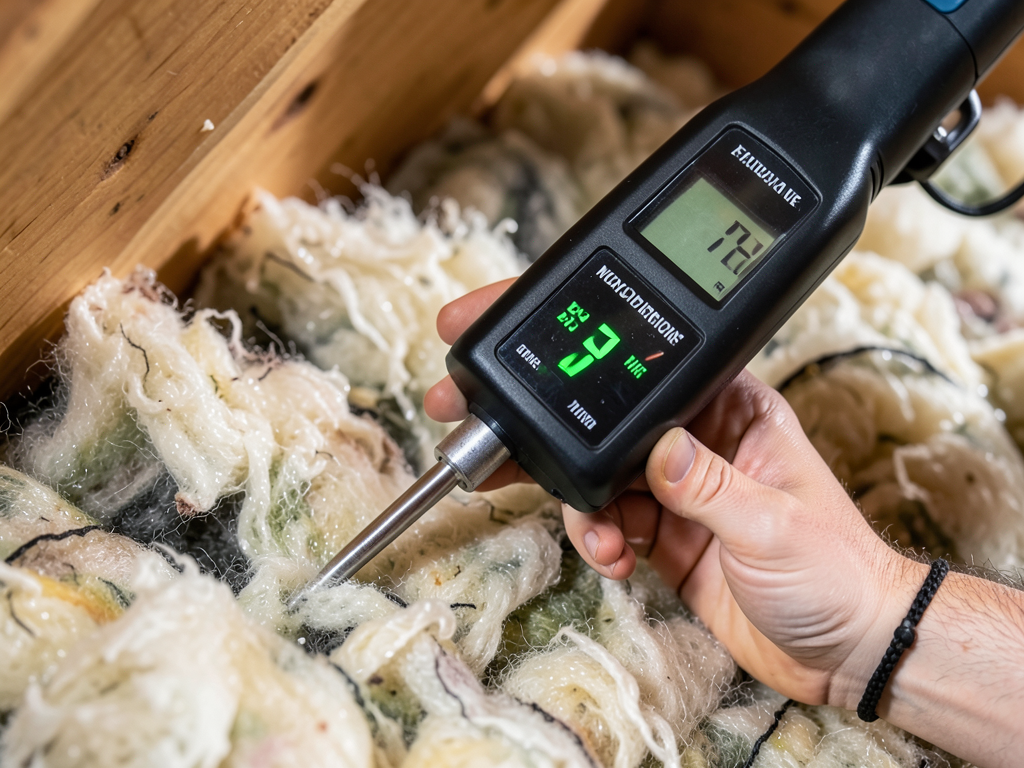
Start with a visual and touch inspection. Dry fiberglass feels light and fluffy. Wet insulation is heavy matted and may have dark spots from dirt or discoloration from water stains. Use a moisture meter on the surface and probe deeper into the cavity. Readings above fifteen percent moisture content mean the insulation is too wet to save. Smell is another clue. A musty odor signals active microbial growth even if you cannot see mold yet. If the insulation touched floodwater or sewage it must go regardless of moisture readings because of contamination risk.
Step-by-step drying process for clean water damage
Time is critical. Within the first 24 hours remove any standing water with a wet vacuum or pump. Pull back or remove batts to expose the ceiling or wall cavity. Set up high-volume air movers to create constant airflow across all surfaces. Place commercial-grade LGR dehumidifiers in the space to pull moisture from the air and materials. Monitor progress with a moisture meter daily until readings stabilize below fifteen percent. Only then should you consider reinstalling or adding new insulation. This process can take three to seven days in Memphis humidity so patience and the right equipment matter. What to do right now if your Germantown home is flooding.
Cost comparison: drying vs. replacement
Drying with professional equipment typically costs between five hundred and fifteen hundred dollars depending on the area size and equipment needed. Full replacement for a standard attic runs fifteen hundred to four thousand dollars including labor and new material. The price gap narrows if drying takes more than a few days because equipment rental adds up. Replacement also gives you the chance to upgrade to a higher R-value product or add a radiant barrier which can lower cooling costs in Memphis summers. For most homeowners replacement is the safer long-term investment especially after any contamination.. Read more about How to know if the carpet in your Memphis home is worth saving after a flood.
Memphis climate makes drying harder
Our average summer humidity stays above sixty percent and often climbs into the eighties. That means water evaporates slowly and damp materials stay wet longer. Attics with poor ventilation trap humid air making natural drying almost impossible. Crawl spaces in older Midtown bungalows often have no vapor barrier so ground moisture wicks into insulation from below. Even with dehumidifiers the high outdoor dew point can slow the process. In these conditions drying clean water damage takes longer and costs more so replacement often pencils out better. Emergency Dehumidifier Rental.
When to call a professional
If the wet area is larger than ten square feet or the water source is unknown call a certified water damage restoration company immediately. Professionals carry infrared cameras to find hidden moisture in walls and ceilings. They use moisture mapping to track drying progress and apply antimicrobial treatments to prevent mold. In Memphis they also understand local building codes for vapor barriers and attic ventilation. Trying to dry large areas yourself risks leaving pockets of moisture that cause rot or attract termites later.. Read more about Keeping the Memphis humidity from causing mold in your Vollintine-Evergreen crawl space.
Insurance and code considerations
Most homeowners policies cover sudden pipe bursts but may exclude groundwater flooding. Document the damage with photos before moving anything. Keep receipts for emergency drying or removal. In Shelby County any structural repair over one thousand dollars requires a permit so check with code enforcement before replacing insulation in a wall or ceiling. Using mold-resistant fiberglass or adding a vapor barrier during replacement can help meet current energy code requirements and prevent future problems. EPA mold control guide.
Preventing future insulation damage
Fix roof leaks promptly and inspect flashing around chimneys and vents each spring. Keep gutters clean so water does not back up under shingles. In crawl spaces install a six-mil vapor barrier over the ground and use a dehumidifier during humid months. Check attic ventilation to ensure ridge and soffit vents are clear. Insulate pipes in unconditioned spaces to prevent condensation. These steps cost far less than dealing with wet insulation again.. Read more about How to handle water damage in a detached garage or workshop in Douglass.
Frequently Asked Questions
Can I dry insulation myself with fans?
Small spots might dry with fans but without dehumidifiers the moisture stays in the air and reabsorbs into the material. Professional drying removes moisture from both the insulation and the air.. Read more about The unique challenges of drying out a finished basement in an Eads estate.
How long before mold starts growing?
In Memphis humidity mold can begin within 24 to 48 hours of materials getting wet. That is why fast action matters.
Does wet insulation always need to be replaced?
No. Clean water damage caught early can sometimes be dried and saved. Contamination or prolonged wetness means replacement is safer.. Read more about Fixing water damage caused by leaky window frames during a Memphis thunderstorm.
Will my energy bills go up if I leave wet insulation?
Yes. Wet insulation loses most of its R-value so your HVAC system runs longer to maintain temperature.
Is it safe to stay in the house during drying?
For clean water damage it is usually fine. If there is sewage or mold present, evacuate until professionals clear the space.
Take action before the next storm
Wet insulation is more than an inconvenience. It threatens your home’s structure, your indoor air quality, and your energy bills. In Memphis the humid climate makes fast drying difficult and mold growth likely. Whether you choose to dry or replace start with a professional inspection to know exactly what you are dealing with. Call (901) 640-3133 today to schedule your inspection and protect your home from further damage. For more information, visit International Energy Conservation Code.
{
“@context”: “https://schema.org”,
“@type”: “BlogPosting”,
“headline”: “Can you actually dry out wet fiberglass insulation or does it all have to be replaced?”,
“description”: “Learn when wet fiberglass insulation can be saved vs. replaced in Memphis homes. Expert advice on mold risks, R-value loss, and the drying process from local restoration pros.”,
“wordCount”: 1121,
“datePublished”: “2026-03-20T13:56:00.000Z”,
“dateModified”: “2026-03-20T13:56:00.000Z”,
“inLanguage”: “en-US”,
“mainEntityOfPage”: {
“@type”: “WebPage”,
“@id”: “https://victorywaterdamagerestorationmemphis.com”
},
“publisher”: {
“@type”: “LocalBusiness”,
“name”: “Victory Water Damage Restoration Memphis”,
“url”: “https://victorywaterdamagerestorationmemphis.com”
},
“author”: {
“@type”: “Organization”,
“name”: “Victory Water Damage Restoration Memphis”,
“url”: “https://victorywaterdamagerestorationmemphis.com”
},
“image”: {
“@type”: “ImageObject”,
“url”: “https://victorywaterdamagerestorationmemphis.com/wp-content/uploads/2026/03/can-you-actually-dry-out-wet-fiberglass-insulation-1.png”
}
}
{
“@context”: “https://schema.org”,
“@type”: “LocalBusiness”,
“name”: “Victory Water Damage Restoration Memphis”,
“url”: “https://victorywaterdamagerestorationmemphis.com”,
“address”: {
“@type”: “PostalAddress”,
“addressLocality”: “Memphis”
},
“areaServed”: {
“@type”: “City”,
“name”: “Memphis”
}
}
{
“@context”: “https://schema.org”,
“@type”: “FAQPage”,
“mainEntity”: [
{
“@type”: “Question”,
“name”: “Can I dry insulation myself with fans?”,
“acceptedAnswer”: {
“@type”: “Answer”,
“text”: “Small spots might dry with fans but without dehumidifiers the moisture stays in the air and reabsorbs into the material. Professional drying removes moisture from both the insulation and the air.”
}
},
{
“@type”: “Question”,
“name”: “How long before mold starts growing?”,
“acceptedAnswer”: {
“@type”: “Answer”,
“text”: “In Memphis humidity mold can begin within 24 to 48 hours of materials getting wet. That is why fast action matters.”
}
},
{
“@type”: “Question”,
“name”: “Does wet insulation always need to be replaced?”,
“acceptedAnswer”: {
“@type”: “Answer”,
“text”: “No. Clean water damage caught early can sometimes be dried and saved. Contamination or prolonged wetness means replacement is safer.”
}
},
{
“@type”: “Question”,
“name”: “Will my energy bills go up if I leave wet insulation?”,
“acceptedAnswer”: {
“@type”: “Answer”,
“text”: “Yes. Wet insulation loses most of its R-value so your HVAC system runs longer to maintain temperature.”
}
},
{
“@type”: “Question”,
“name”: “Is it safe to stay in the house during drying?”,
“acceptedAnswer”: {
“@type”: “Answer”,
“text”: “For clean water damage it is usually fine. If there is sewage or mold present, evacuate until professionals clear the space.”
}
}
]
}
{
“@context”: “https://schema.org”,
“@type”: “BreadcrumbList”,
“itemListElement”: [
{
“@type”: “ListItem”,
“position”: 1,
“name”: “Home”,
“item”: “https://victorywaterdamagerestorationmemphis.com”
},
{
“@type”: “ListItem”,
“position”: 2,
“name”: “Blog”,
“item”: “https://victorywaterdamagerestorationmemphis.com/blog”
},
{
“@type”: “ListItem”,
“position”: 3,
“name”: “Can you actually dry out wet fiberglass insulation or does it all have to be replaced?”
}
]
}
{
“@context”: “https://schema.org”,
“@type”: “Service”,
“serviceType”: “Water Damage Restoration”,
“provider”: {
“@type”: “LocalBusiness”,
“name”: “Victory Water Damage Restoration Memphis”,
“url”: “https://victorywaterdamagerestorationmemphis.com”
},
“areaServed”: {
“@type”: “City”,
“name”: “Memphis”
},
“description”: “Learn when wet fiberglass insulation can be saved vs. replaced in Memphis homes. Expert advice on mold risks, R-value loss, and the drying process from local restoration pros.”
}